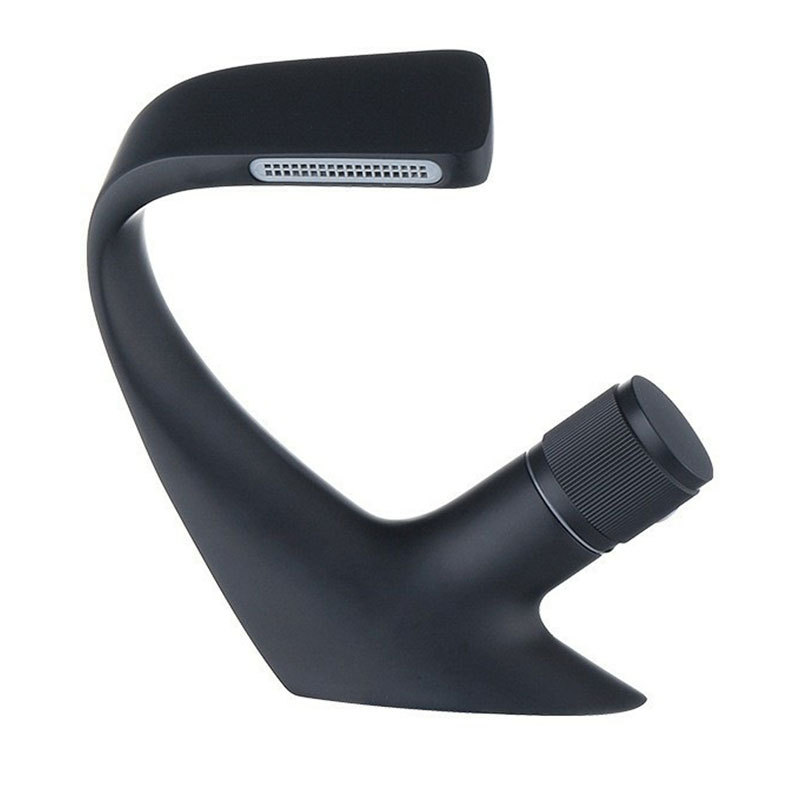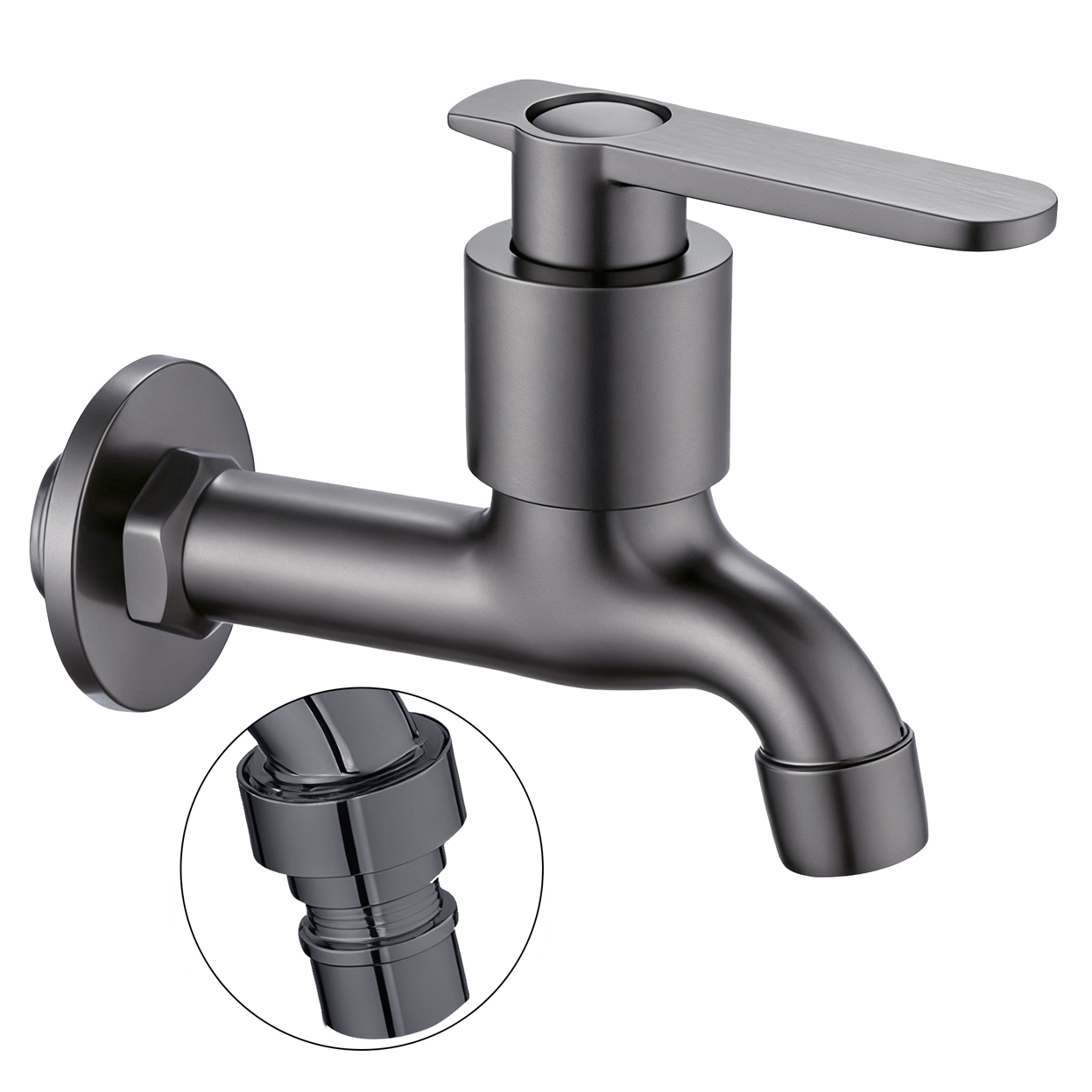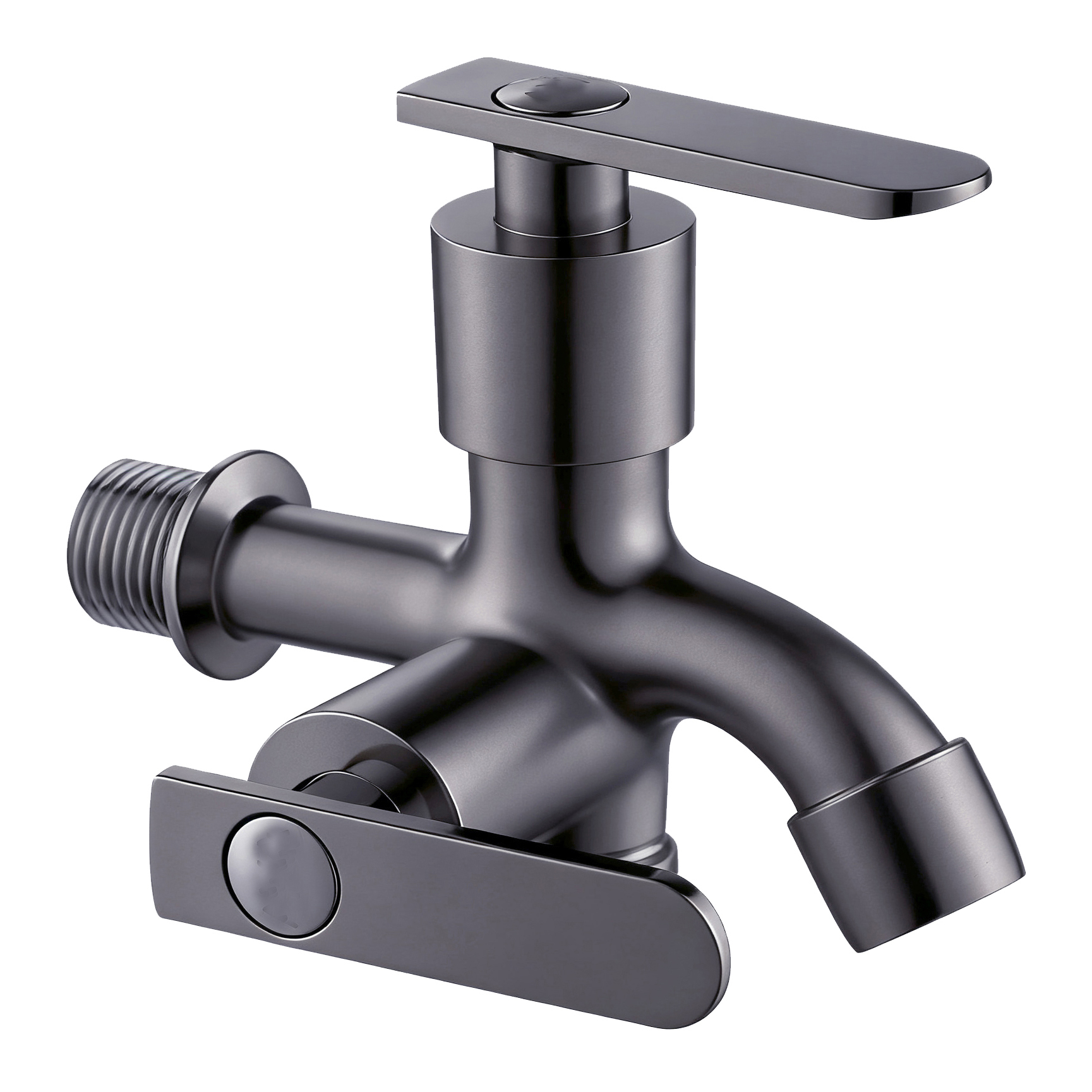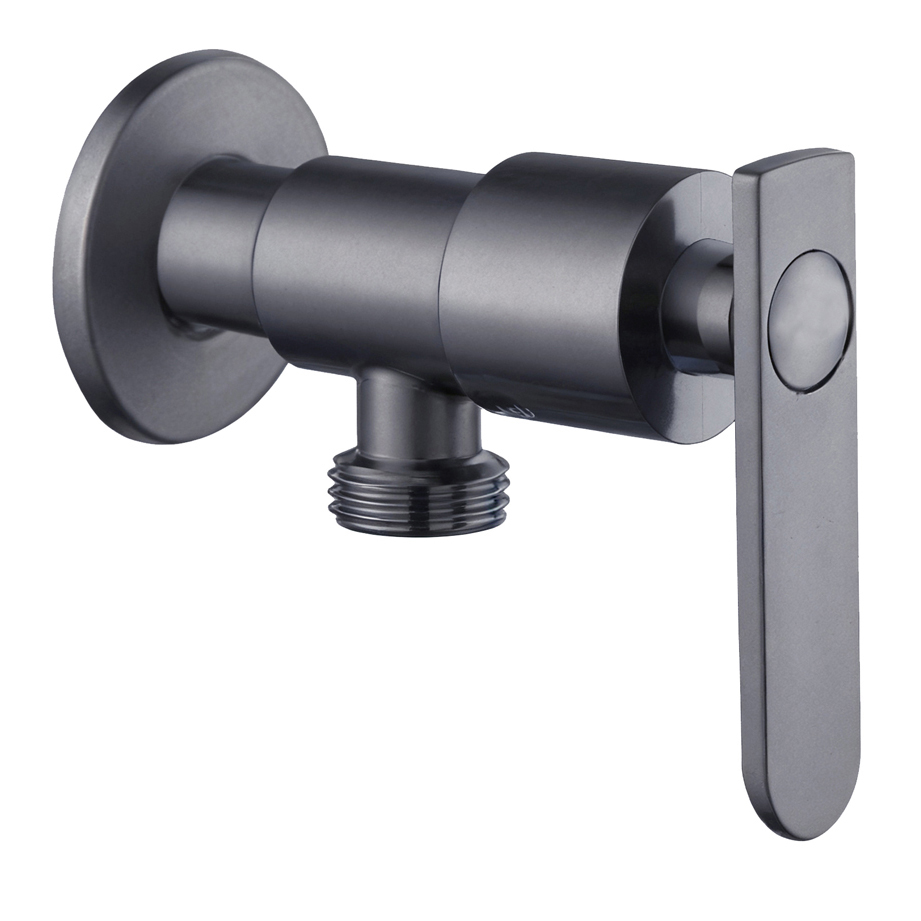




When a faucet needs to meet a lower target price, the most direct approach is often to look for cheaper materials and components.
However, if every Cost Reduction starts by lowering the grade of materials or key components, product stability may decline along with the price.
For a Budget Shower Faucet, Value Engineering should start with a different question:
Which costs create necessary product value, and which come from complexity that can be optimized?
Check the Configuration Before Downgrading Key Components
A Shower Faucet may include multiple functions, accessories, and decorative components.
If some features do not contribute much to the core use of a Budget Shower Faucet, buyers can first consider whether they are necessary.
Removing a non-essential accessory is very different from lowering the requirements for a critical seal or control component.
The first changes the product configuration. The second may directly affect performance.
So after setting a target price, the first question should not automatically be:
“Where can we use a cheaper material?”
Instead, review which parts of the current configuration do not provide enough value for the target price range.
A Simpler Structure Can Reduce Manufacturing Cost
Some costs come from unnecessary product complexity.
If a simpler structure can provide the same core function, it may reduce the number of parts, machining steps, or assembly work.
This approach does not directly lower key quality requirements. Instead, it removes unnecessary manufacturing costs used to achieve the same function.
This is an important difference between Value Engineering and simply downgrading specifications.
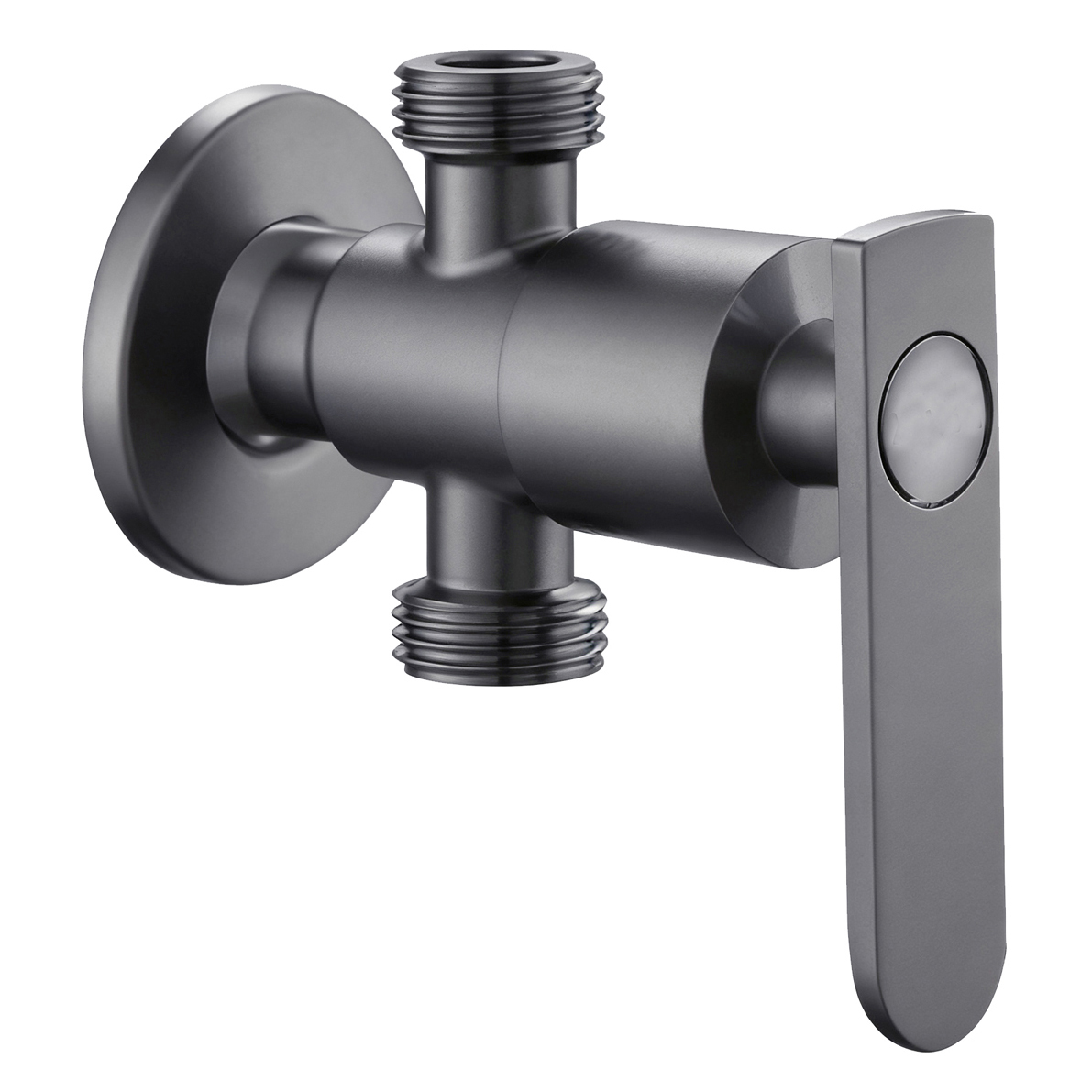
For example, two Budget Shower Faucets may provide the same basic shower and control functions. If one requires more specialized connectors or complex assembly without creating a clear functional advantage, its structure may offer room for further optimization.
Component Sharing Can Reduce Cost Across a Product Line
If several Shower Faucets can share certain connectors, internal components, or other parts without affecting function, there is less need to maintain many similar but different components for each model.
Component Standardization can reduce the number of parts and simplify purchasing, assembly, and spare-parts management.
For a budget shower faucet, this type of optimization can offer more long-term value than simply searching for the cheapest components.
However, Component Sharing should not be forced only to reduce cost.
Standardization creates real savings only when the dimensions, connections, functions, and operating conditions allow the same component to work properly.
What Should Not Be the First Target for Cost Reduction?
Cost optimization also requires knowing which areas should not be changed too easily.
If a component directly affects:
Sealing;
Connection reliability;
Core control functions;
Operating stability;
then buyers should consider the potential quality cost alongside the immediate purchasing savings.
Value Engineering does not mean reducing everything slightly.
It is better understood as reallocating cost:
Keep the costs that support core performance and reduce costs that do not create enough product value.
When comparing cost-reduction options, it is not enough to see that a material changed or the number of parts decreased. Buyers should understand what function the modified part originally performed and whether the core product requirements still remain valid after the change.
For a Budget Shower Faucet, the goal is not to make every component cheaper. It is to keep limited costs focused on the areas that matter most to product use and stability.
That is the core of reducing cost without simply downgrading quality.