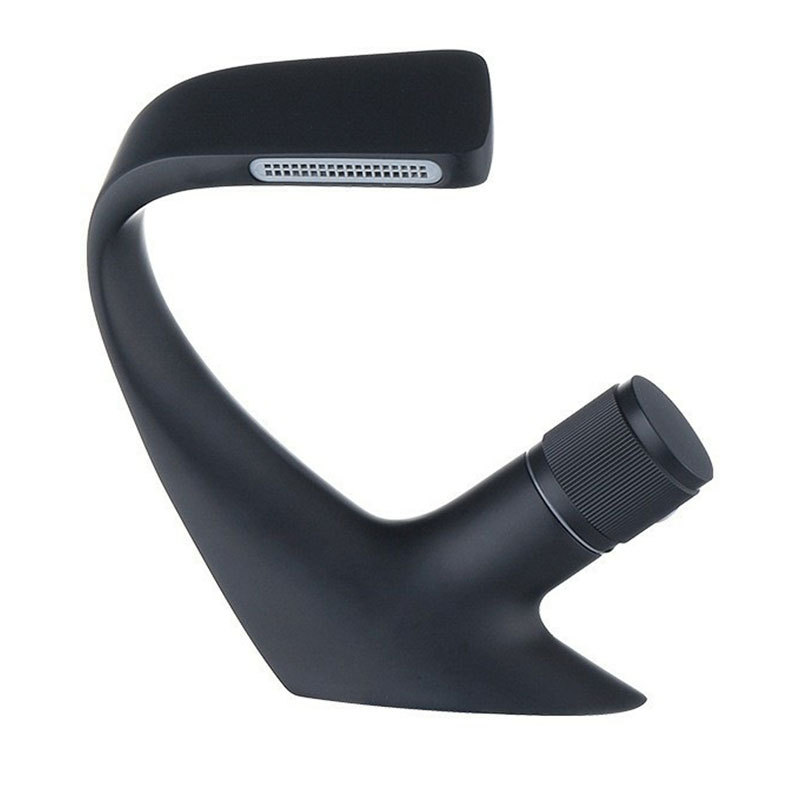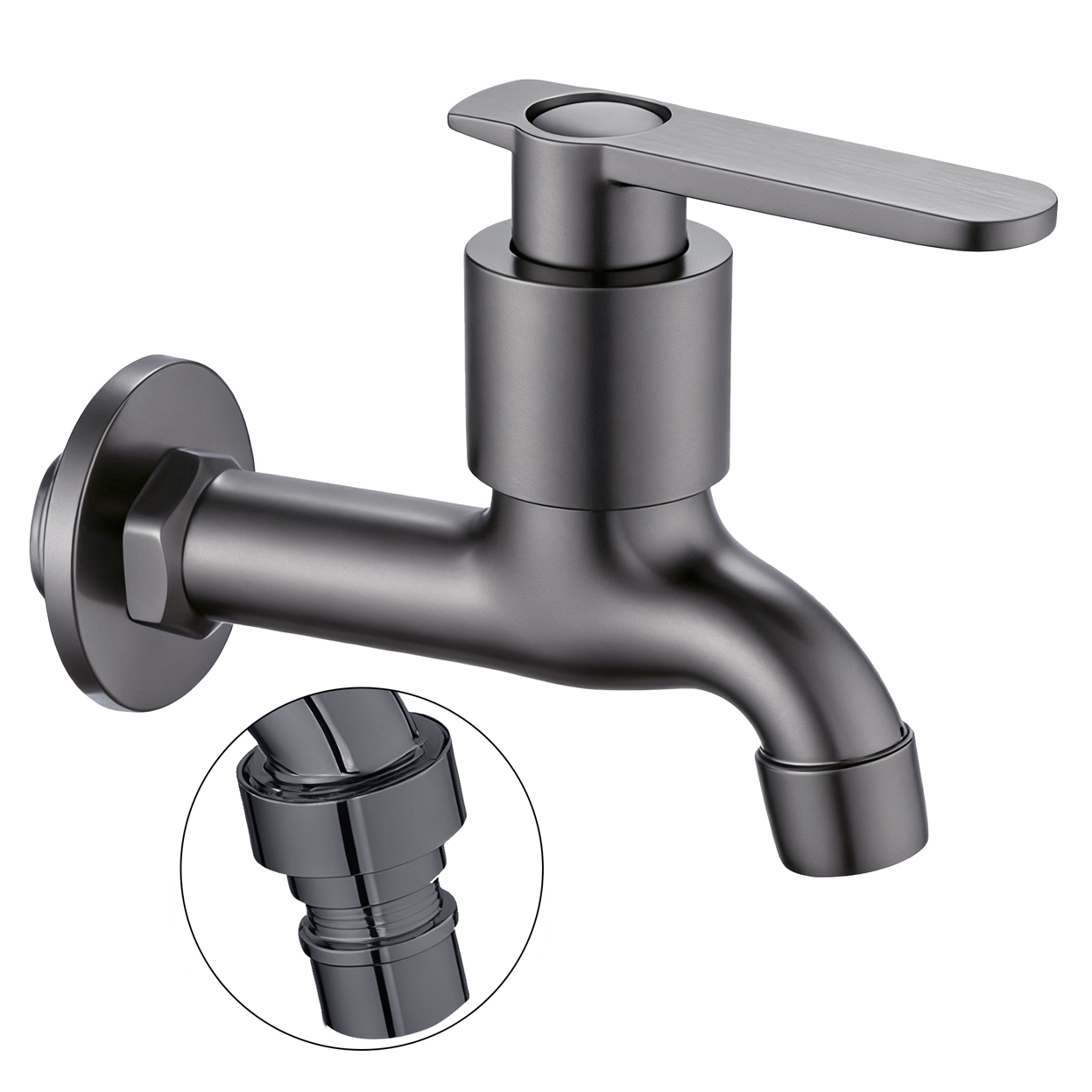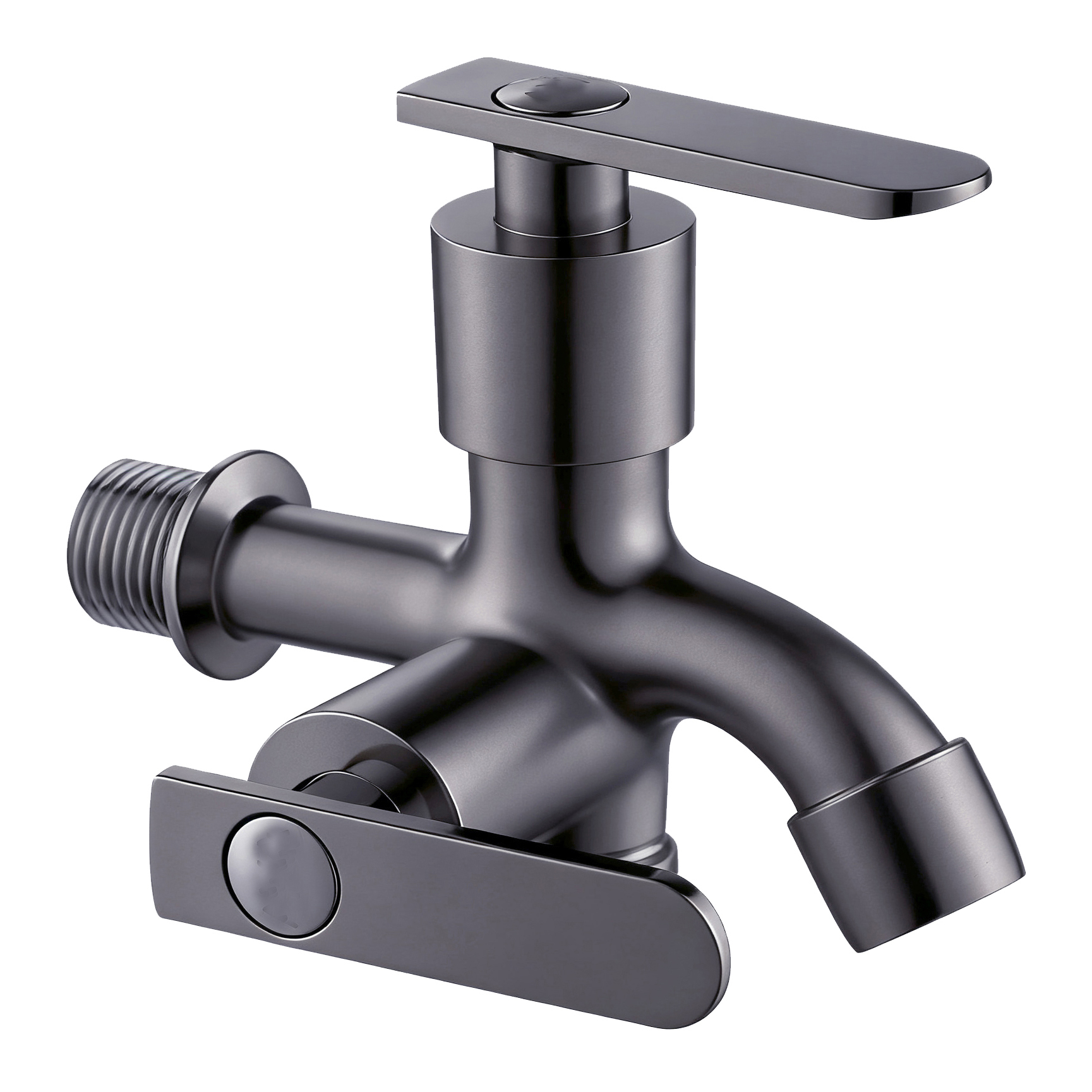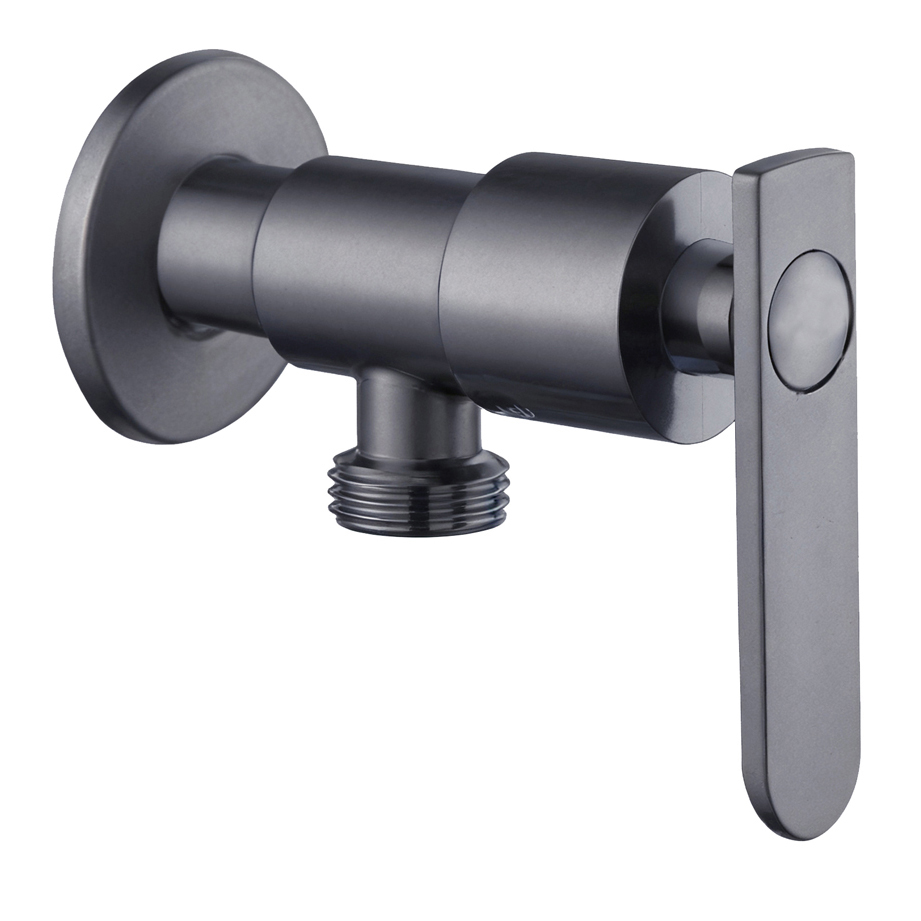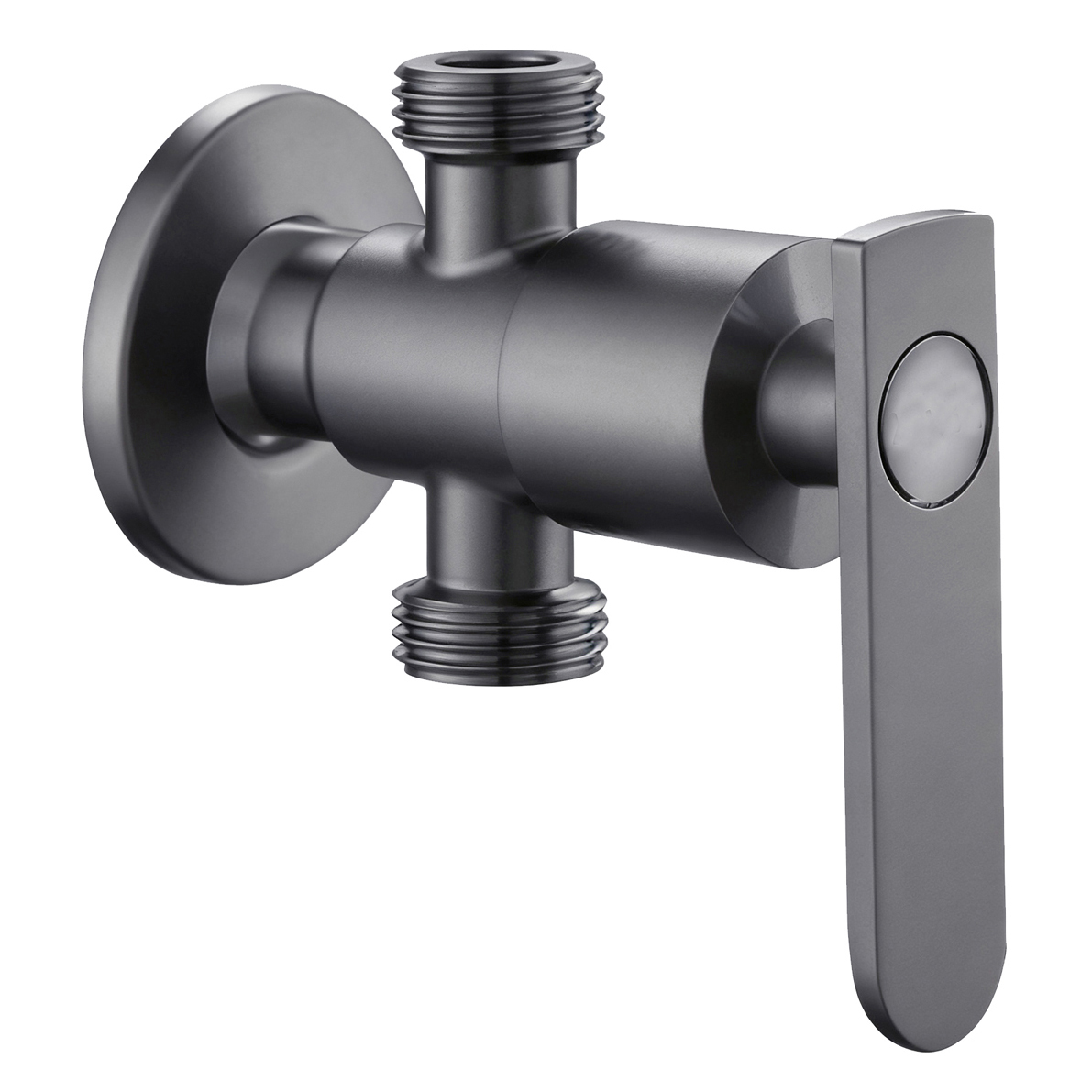




A supplier sends a product sheet showing several certification marks. Yet the buyer still cannot answer a basic question: Can this specific faucet model be used in the intended market and application?
The reason is simple. NSF 61, NSF 372, cUPC, WaterMark, and WaterSense do not address the same requirements. They are not five interchangeable “export passes.”
When comparing NSF 61 vs NSF 372 for faucets, buyers need to separate two issues: health effects related to drinking water contact and lead content. Other marks may involve product performance, plumbing codes and standards, certification schemes, or water efficiency.
A better purchasing sequence is:
Define the market and application → identify the applicable requirements → verify the evidence for the specific product.
This article explains how to approach that research based on official information available as of September 21, 2026. It does not determine market acceptance for a product whose model and configuration have not been provided. Local implementation, standard versions, and transition arrangements can change. Importers, certification bodies, and relevant technical authorities should confirm the requirements for an actual project.
Start With Where and How the Faucet Will Be Used
“Exporting to North America” or “selling in Australia” is still too broad.
At minimum, the purchasing team should identify:
- the country and specific sales or installation location;
- the product category;
- whether the product contacts drinking water;
- the intended installation;
- the brand and model; and
- the actual product configuration.
A basin faucet, kitchen faucet, public-use faucet, and plumbing accessory should not be assumed to follow the same requirements simply because they all deliver water.
Products that look similar may also have different configurations. A change to the cartridge, hose, outlet component, wetted material, or flow configuration may affect whether existing documentation still applies.
For this reason, compliance research should be tied to a clearly defined product rather than to the supplier’s company name alone.
Buyers can create a requirement list for each project. Each line should identify the issue being checked, the relevant authority or scheme, its scope, the type of evidence required, and who is responsible for verification.
It also helps to separate legal or code requirements, certification scheme conditions, channel requirements, and buyer-specific requirements. Otherwise, a customer’s commercial preference can easily be mistaken for a universal regulatory requirement.
What Do These Five Names Tell a Buyer to Investigate?
| Name | First question to investigate | What the name alone does not prove |
|---|---|---|
| NSF/ANSI/CAN 61 | Health effects associated with materials, components, and products that contact drinking water | That every performance requirement, market, configuration, or model is covered |
| NSF/ANSI/CAN 372 | Weighted lead content of the product’s wetted surfaces | That all potential extractants have been evaluated or that the product removes lead from water |
| cUPC | Certification scope against the applicable U.S. and Canadian codes and standards listed for the product | That one certification mark automatically covers the supplier’s entire catalog |
| WaterMark | Australian product category, applicable certification specification, and certification status | That every installation or water-efficiency requirement has also been satisfied |
| WaterSense | Water efficiency and performance for product categories covered by the EPA program | That every type of faucet is eligible for the label |
This table is a starting point, not a menu from which a buyer chooses one certification.
A project may involve several different requirements. The supporting evidence may also come from different certification bodies, official databases, or regulatory schemes.
The key question is not how many logos appear on a product sheet. It is what was evaluated, against which requirement, and for which products and configurations.
NSF 61 and NSF 372: Health Effects and Lead Content Are Different Questions
NSF describes NSF/ANSI/CAN 61 as addressing the health effects of materials, components, and products that contact drinking water. NSF/ANSI/CAN 372, in contrast, addresses lead content.
These are different questions.
The amount of lead present in the wetted surfaces of a product is not the same as evaluating what substances may migrate into drinking water under specified conditions. A material composition result therefore should not automatically be treated as a complete drinking-water health-effects evaluation.
The U.S. EPA explains that the lead-free definition for relevant drinking-water plumbing products uses a weighted average of no more than 0.25% lead across wetted surfaces. It also advises buyers to verify certification marks and listings through the appropriate certification organization.[3]
The 0.25% figure refers to a weighted lead-content calculation for wetted surfaces. It does not mean that every raw material or every part of the product contains exactly the same percentage of lead. It is also not a measurement of lead concentration in the water coming from the faucet.
Another distinction matters: the standard and the organization performing the certification are not the same thing.
A purchasing team should determine whether a document shows testing to a standard, certification under a recognized program, or simply a supplier declaration. The next step is to check the corresponding certification record and its scope.
Instead of asking only, “Does this faucet have NSF?”, a more useful request is:
Which standards apply to this model and configuration, which organization evaluated it, where can the listing be verified, and which product changes would require the scope to be reviewed again?
That question produces much more useful purchasing evidence than another page of certification logos.
cUPC and NSF Should Not Be Treated as Higher and Lower Certification Levels
IAPMO R&T uses certification marks to identify products evaluated within defined certification scopes. For cUPC-listed products, buyers still need to examine the applicable U.S. and Canadian codes and standards identified in the actual listing.[4]
Therefore, cUPC vs NSF faucet certification should not be treated as a question of which one is “higher.”
A better question is:
What requirement does this project still need to verify?
If the concern is health effects associated with drinking-water contact, the buyer should check the relevant evidence for that issue. If the concern involves product performance or compliance with applicable plumbing codes and standards, the corresponding certification record needs to be reviewed.
Whether one certification scope incorporates a particular requirement must be established from the actual listing and supporting documents.
Private-label products also require attention. If a brand owner plans to sell a certified faucet under its own name, the relationship between the sales model and the listed model should be confirmed.
Statements such as “it comes from the same production line” or “the internal construction is identical” do not replace certification scope or private-label requirements.
WaterMark: Check the Product Category, Current Listing, and Transition Dates
For WaterMark faucet certification requirements, buyers should first identify the relevant product category and certification specification in the Australian Building Codes Board’s WaterMark Schedule of Products. They can then verify the specific product through the WaterMark Product Database.[5]
This step matters because the Schedule of Products and applicable specifications can change. A previously downloaded document should not be treated as a permanent reference.
Timing also requires careful attention.
ABCB Notice of Direction 2021/4.3 distinguishes between the requirements applying from May 1, 2026 to the certification and manufacture of relevant lead-free plumbing products and the broader installation requirements applying from May 1, 2028.
However, the 2028 transition should not be interpreted as one universal installation date for every Australian jurisdiction. ABCB notes that states and territories are responsible for implementation and enforcement and may apply different transition arrangements.
For example, Victoria has its own implementation arrangements for lead-free plumbing products. Therefore, an actual project should also check the rules that apply at the specific installation location.
This distinction matters when purchasing teams are managing new orders, existing inventory, and projects scheduled for future installation. One date cannot automatically answer questions about manufacture, certification, inventory, supply, and installation at the same time.
For transitional products, buyers should retain clear model, manufacturing, and supply information. They should also verify the applicable arrangement with the relevant certification body and local authority when necessary.
WaterMark should also be separated from water-efficiency requirements such as WELS where those requirements apply. Holding one product certification does not automatically mean that registration or labeling obligations under another scheme have been completed.[8]
WaterSense: First Check Whether the Product Category Is Covered
The EPA’s current WaterSense faucet information covers specified private lavatory faucets and bar sink faucets. Other categories, including kitchen faucets and public lavatory faucets, should not automatically be treated as eligible under the same faucet specification.[7]
The EPA also distinguishes between the current specification and the proposed Version 2.0. Development of Version 2.0 is currently paused. A draft proposal should therefore not be presented as an effective requirement.
For buyers reviewing WaterSense faucet requirements, the first step is not to search for a flow-rate number.
The first step is to determine:
Is this product category covered by the applicable WaterSense specification?
Only then should the team verify flow requirements, performance criteria, certification, and labeling conditions.
Changing to a lower-flow aerator does not, by itself, demonstrate that the complete faucet has earned the WaterSense label.
The same caution applies when a supplier provides documentation for an individual component. Buyers should confirm whether the certified or labeled item is the component itself or the complete faucet being purchased.
Component evidence should not be expanded into a whole-product claim without supporting certification scope.
The Certified Product and the Purchased Product Must Match
A buyer may be purchasing a complete faucet with hoses and accessories while receiving documentation that evaluates only one component.
The first question should therefore be:
What exactly does this document cover?
The next question is whether that scope supports the claim being made about the finished product.
Several reports stored in the same supplier folder should not automatically be treated as a complete product certification simply because they relate to parts used in the same faucet.
The purchasing team should also identify the certification holder, manufacturer, selling brand, and party responsible for maintaining the certification information.
If these relationships change, the relevant certification body may need to confirm whether the listing or mark-use arrangement must also change.
Changing a company name on a document or placing another company’s certification mark on packaging does not resolve a scope mismatch.
For purchase orders with specific compliance requirements, documentation, scope clarification, and change notification can be treated as defined project deliverables. If a component later needs to be replaced, the team can then identify which requirements need to be reviewed before approving the change.
Three Documentation Gaps Require Three Different Actions
The first situation is an undefined requirement.
The target market may already be known, but the product category or installation application is still unclear. The team should identify the applicable requirements first instead of sending every possible certificate request to the supplier.
The second situation is a defined requirement with insufficient evidence.
For example, the supplier may have only a material test report, a certificate for a similar model, or an expired record. The missing evidence should be identified, together with the required testing, certification, or other verification work.
Expected results should not be presented as existing qualifications before that work is completed.
The third situation is available evidence that does not clearly match the purchased product.
The brand, model, finish, or component configuration may differ from the documentation. The team then needs to determine whether those differences remain within the approved scope.
For each SKU, useful status descriptions can include:
Confirmed / Additional evidence required / Scope clarification required / Not applicable with documented basis
This provides more information than a single “compliant” checkbox and makes unresolved issues visible before product release.
Three Questions Worth Asking During a Purchasing Review
If the brass material passes a lead-content test, can the complete faucet be declared suitable for drinking-water applications?
Not from that information alone.
First identify what the report evaluated and what sample was tested. Then check the other wetted components in the complete faucet and the requirements that apply to them.
A material test report can form part of the evidence, but its scope should not be extended beyond what it actually demonstrates.
Can one certificate for a product series cover every height and finish?
That depends on the actual listing and approved scope.
A common series name is only a clue. It does not replace a model list or an evaluation of product variations.
If the scope is unclear, the certification holder or certification body should confirm which variants are covered.
Can a certification be shown on a product page while the application is still in progress?
“Planned,” “under application,” and “certified” describe different statuses.
A purchasing team can plan future certification work. However, public product claims should reflect what can currently be verified rather than presenting an expected approval as an existing qualification.
Turn Compliance Research Into Verifiable Product Records
For projects with specific market requirements, clear information about the destination market, application, model, configuration, and planned launch or installation date makes it easier to match available product documentation to the actual purchasing requirement.
When working with YOROOW, these details can be used to identify which existing documents relate to the requested product and where further evidence or clarification may still be required.
The final result should not simply be a row of certification logos.
A useful purchasing record should explain which requirement applies to each SKU, what evidence supports it, what remains unresolved, and when that conclusion was checked.
That record can support the initial purchasing decision and make later specification changes, repeat orders, and product-page reviews easier to manage.
References
[1] NSF NSF/ANSI/CAN 61 Testing and Certification
[2] NSF Water and Wastewater Standards
[5] ABCB WaterMark Schedule of Products
[6] ABCB NoD 2021/4.3 无铅水暖产品认证过渡安排。