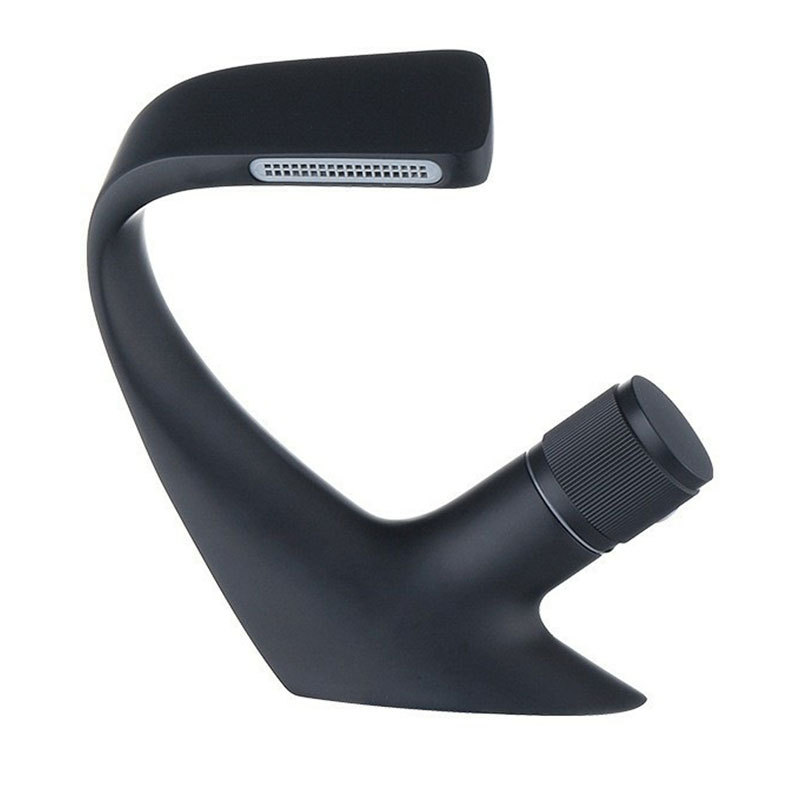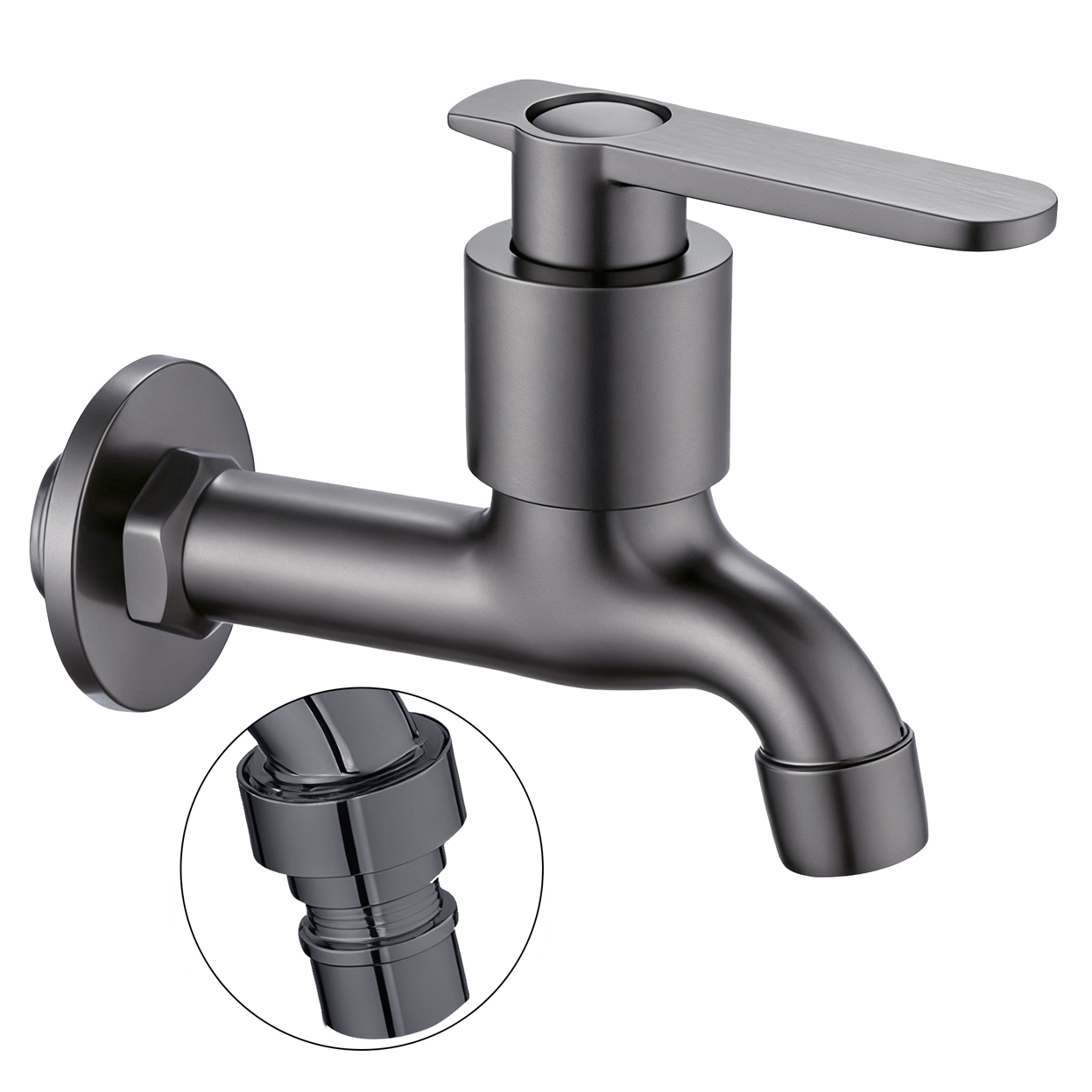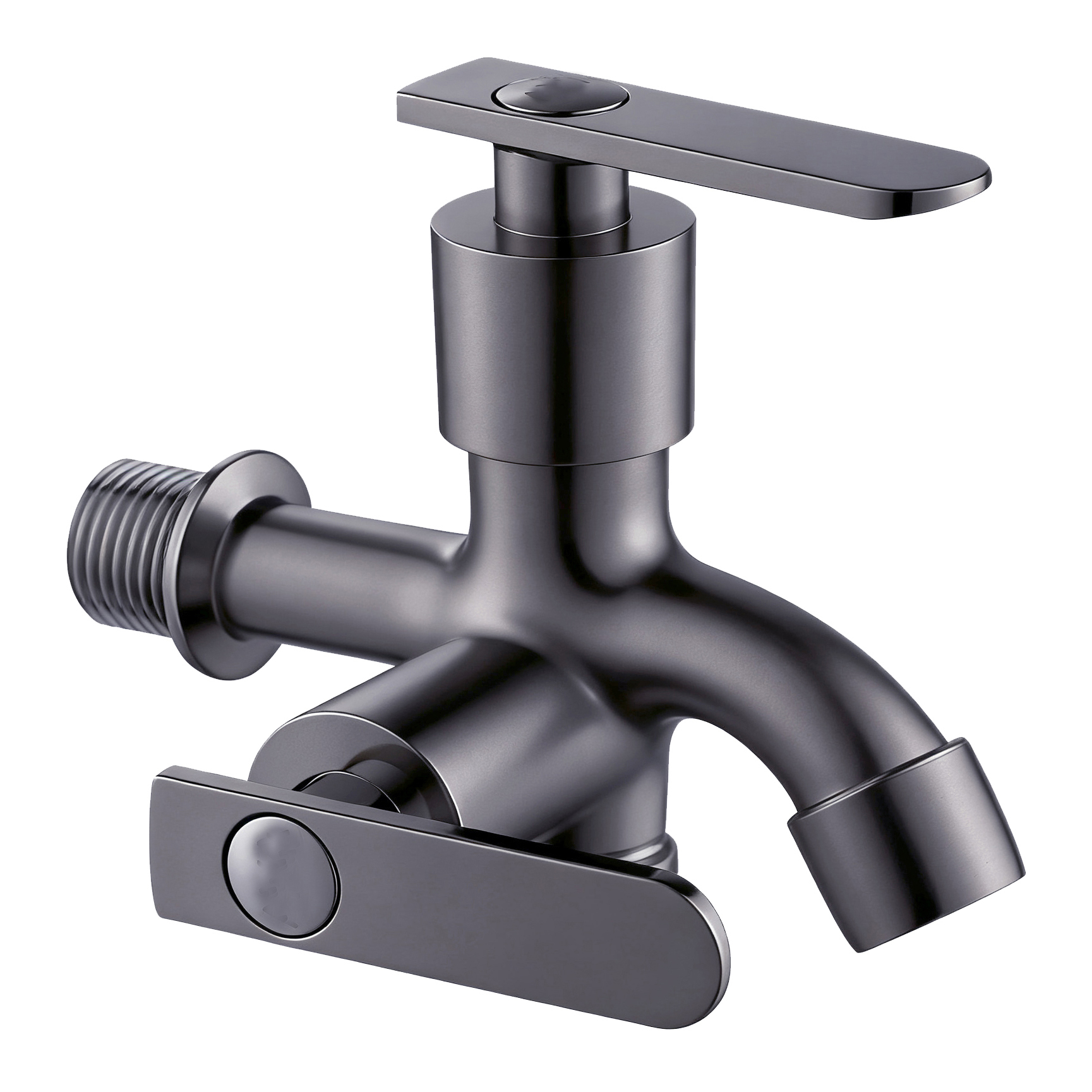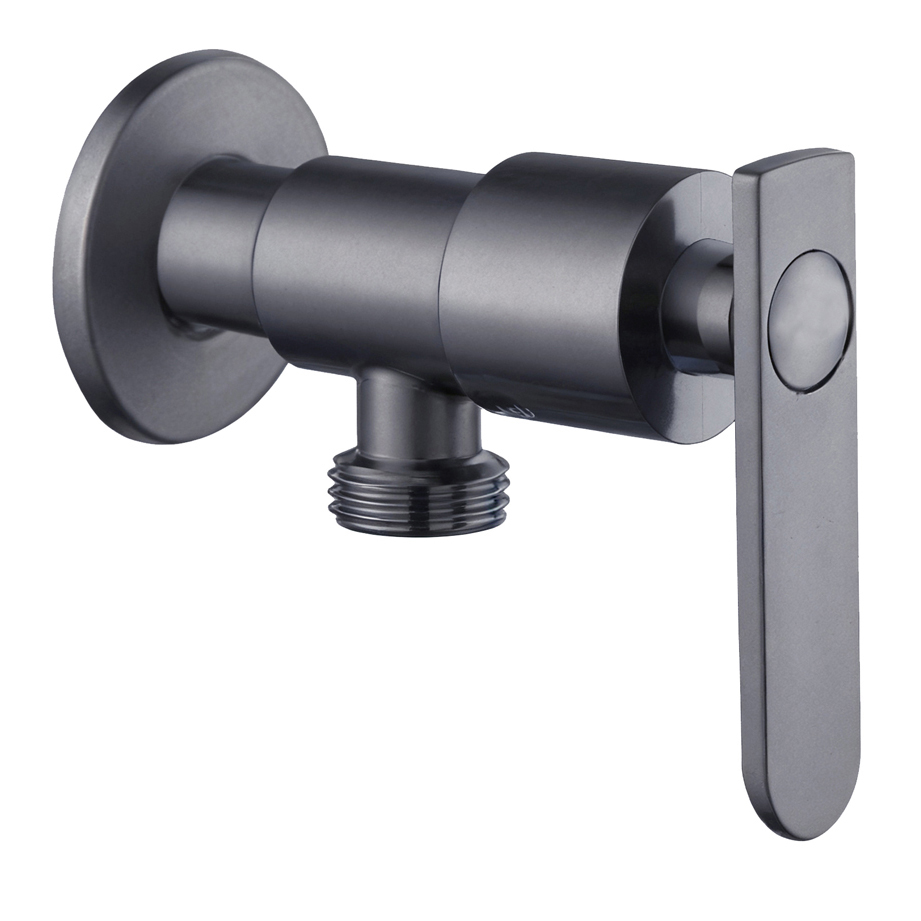




A product name such as basin faucet mechanical arm naturally draws attention to the idea of a “mechanical arm.”
But when this type of structure is used on a Basin Faucet, the important question is not simply whether the faucet has a movable arm. What matters is how much usable range the structure actually adds to the water outlet.
Different movable designs may look similar in product photos while working in very different ways.
A Swivel Structure Mainly Changes the Water Outlet Position
One common design is a Swivel Spout.
By rotating at the faucet body or the Spout connection, it allows the water outlet to move away from a fixed position. This can be useful with a wider basin or in applications where the water outlet needs to serve more than one area.
However, the position of the pivot point matters.
If rotation takes place near the faucet body, the entire Spout changes direction. If only the end of the outlet rotates, the actual coverage can be very different.
For this reason, simply describing a faucet as having a “movable arm” does not explain enough about how it works.
The search term basin faucet mechanical arm may refer to an articulated Spout, a swivel outlet, or another type of adjustable connection. The term “mechanical arm” alone should not determine which structure a supplier offers.
Before sourcing, it is more useful to confirm the pivot location, movement range, movement limits and structural requirements.
A product page can also show the movement path through a sequence of positions rather than relying on a single static product image. Clearance from the basin edge, wall, mirror cabinet or other nearby fixtures should be included where relevant.
This allows the long-tail search term to be addressed without turning an unclear name into an inaccurate product definition.
Multiple Joints Add More Positioning Freedom
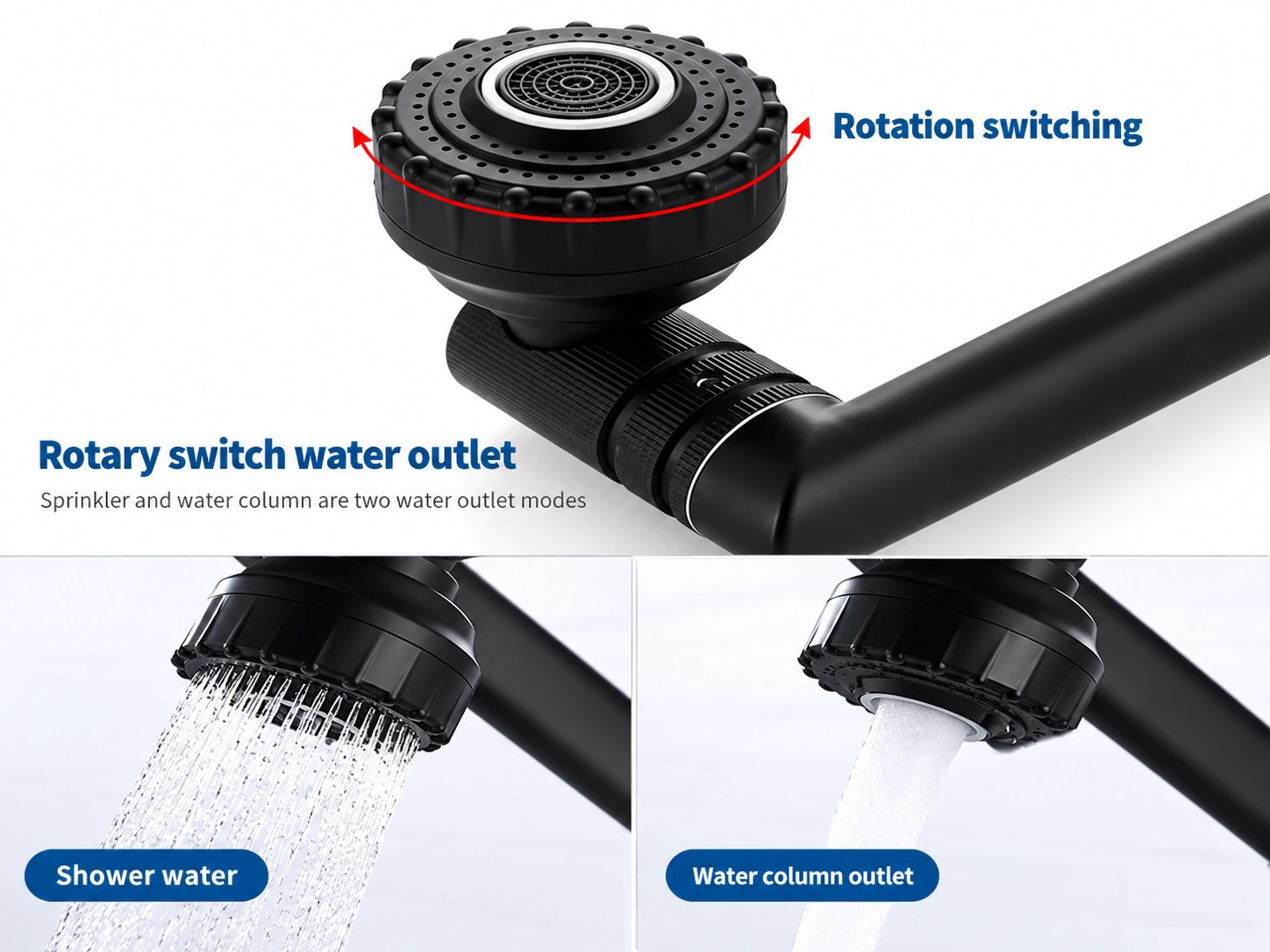
Another type of design uses one or more mechanical joints, allowing the Spout to do more than rotate from side to side. Depending on the structure, it may also move forward, backward or to different angles.
This type of design is closer to what the phrase basin faucet mechanical arm may suggest.
Its practical value comes from the additional positioning range, but that also makes the space around the basin more important.
If the arm extends beyond the basin when opened, or if its movement causes it to hit a wall, mirror cabinet or another fixture, part of that additional range may not be usable in practice.
For this reason, product evaluation should include both the extended dimensions and the actual direction of movement.
Pull-Out and Folding Faucets Should Not Simply Be Grouped as “Movable”
A Pull-Out Basin Faucet extends its working range through an internal hose. This is structurally different from a faucet that uses mechanical joints.
A Folding Faucet works differently again, using a folding mechanism to change the position or occupied space of the Spout.
All of these designs can make the water outlet movable, but their structures, installation requirements and operating methods are not the same.
A product demonstration should show the full movement range as well as how the arm behaves at intermediate positions. If a moving component can contact the basin edge during normal operation, advertising only the maximum rotation angle would give an incomplete picture of its usable flexibility.
This is why movement in Faucet Design should be described more precisely than simply using the word “movable.”
For a China faucet factory such as YOROOW, a request to develop or source a Mechanical Arm Basin Faucet cannot be defined by the product name alone. A reference image, required movement direction, intended outlet positions and available installation space provide much more useful information.
Ultimately, a movable Basin Faucet should answer a practical question:
Does the added mechanical structure allow the water outlet to reach an area that would be difficult to serve with a conventional fixed Spout?
If it does not, adding more moving joints does not necessarily add more practical value.