



New products usually receive more attention.
A new Finish, structure, or function raises immediate questions. Should the retailer add it to the range? How should the store display it? Will shoppers understand the difference?
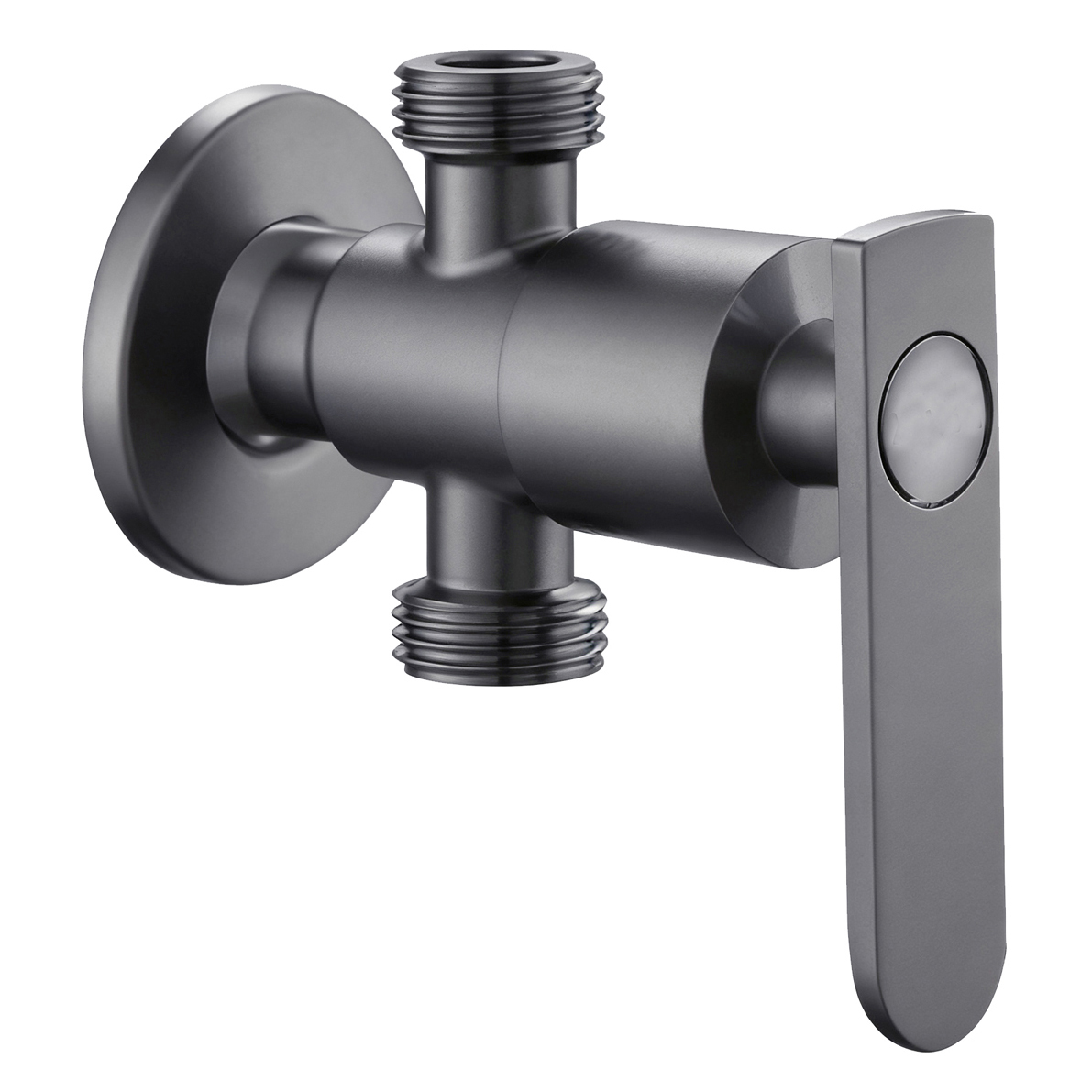
A basic Classic Water Tap may seem to require much less discussion.
From a chain-retail replenishment perspective, however, the opposite can be true.
The main characteristic of a basic product is not that it is “new.”
It is that it may remain on the shelf for a long time.
A Regular SKU Has to Deal With Time, Not Just Its First Launch
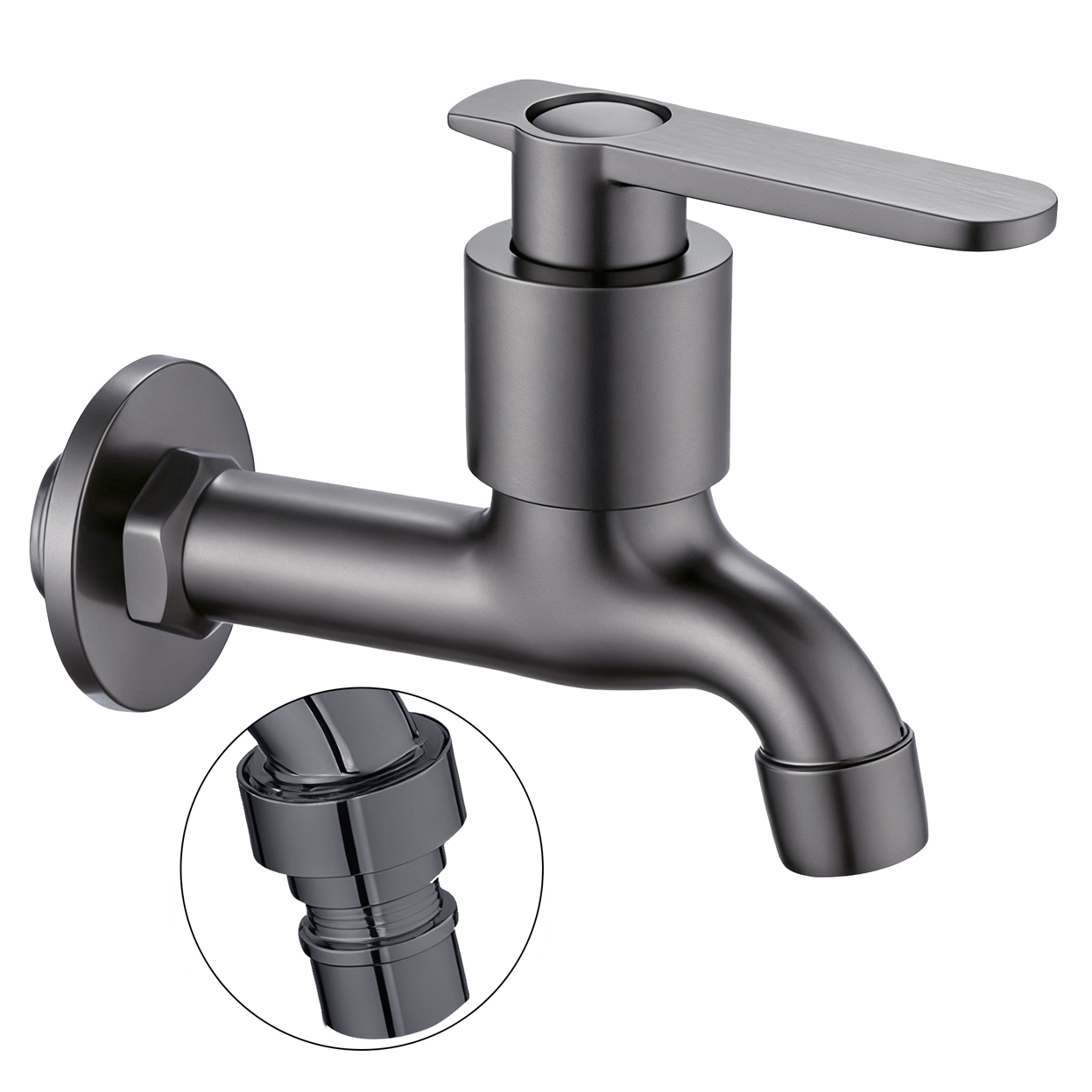
If a standard bibcock water tap continues to serve basic water supply, cleaning, or replacement needs, retailers may have little reason to change it frequently.
The same SKU may therefore go through many replenishment cycles.
Only a short period may separate the first and second batches.
Over a longer sales cycle, however, later batches may face changes in material supply, packaging, components, or manufacturing processes.
Each individual change may look small.
For a long-running SKU, retailers still need to ask whether that change affects the original specification.
Can old and new inventory remain on the shelf at the same time?
Will a customer buying a replacement still receive the same connection conditions?
A “classic” product should provide a practical answer to why retailers can continue replenishing it.
If a Classic Water Tap serves the same basic need for years, the product specification should keep important details under control.
These may include the connection, valve components, handle operating direction, and accessory list.
A brand can still introduce an updated appearance as a separate version.
It should not quietly change critical components while keeping the same model identity.
For store staff, photos and specification records that distinguish historical versions provide more value than a general claim such as “timeless design.”
The same principle applies when the product reaches the end of its retail life.
Before discontinuing it, the brand should consider existing store inventory, compatible replacement models, and how long relevant spare parts will remain available.
A low-cost tap may already be installed in many homes.
Customers may still need help identifying replacement parts later.
This is one reason a basic product has a different retail role from a short-term new launch.
“No Change” Can Be a Retail Advantage
A mature hose bib does not necessarily need a redesign every few seasons.
If the use case remains the same, the specifications are clear, and shoppers can identify the product correctly, keeping its structure and connections stable may provide more value than introducing frequent minor updates.
This becomes especially important across multiple stores.
If different locations receive different structural versions under the same SKU number, warehouses, store staff, and after-sales teams need additional ways to identify them.
Stability does not mean stopping product development.
It means giving different SKUs different roles.
Products that need innovation can carry new functions and designs.
Products that serve basic needs can remain predictable.
New Products Support Growth; Basic Products Support Continuity
For a returning customer, a small connection component may matter more than an updated appearance.
When approving a sample, suppliers can identify components that are most likely to change over time.
Before changing one of these parts in a later version, the team can check whether existing customers will still be able to find compatible installation or replacement parts.
New products and basic products do not compete with each other.
A retail range needs new models to create new choices.
It also needs basic models to serve stable, repeat demand.
For a Classic Water Tap, long-term value should not be measured only by whether the product has new functions.
Reliable replenishment, stable specifications, and consistency across stores also determine whether it can continue as a regular retail SKU.
Some products benefit from continuous updates.
For others, the real value is much simpler:
when customers come back later, they can still find the same product they know will fit and work as expected.