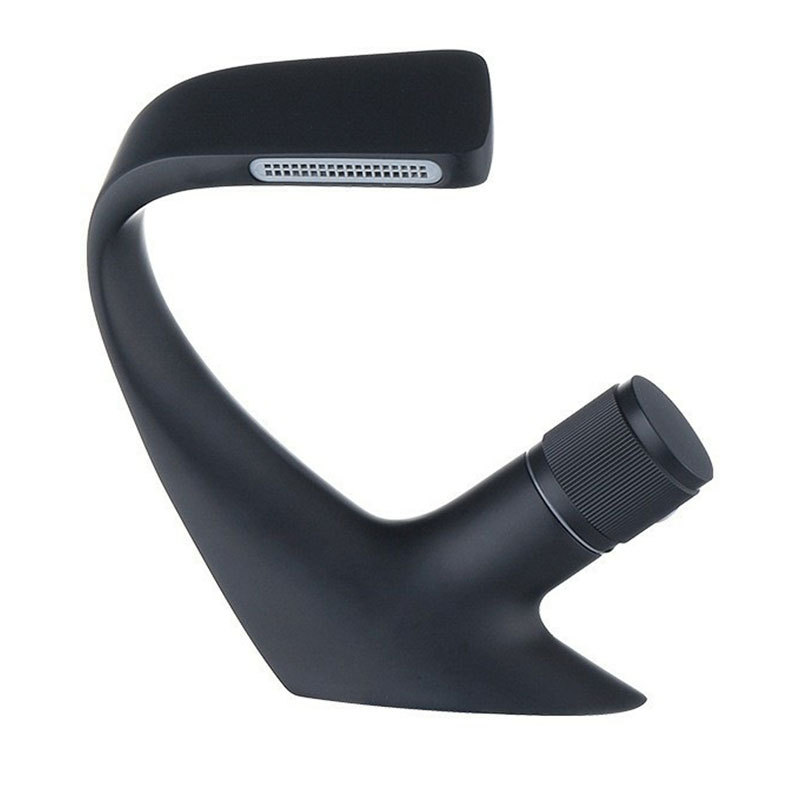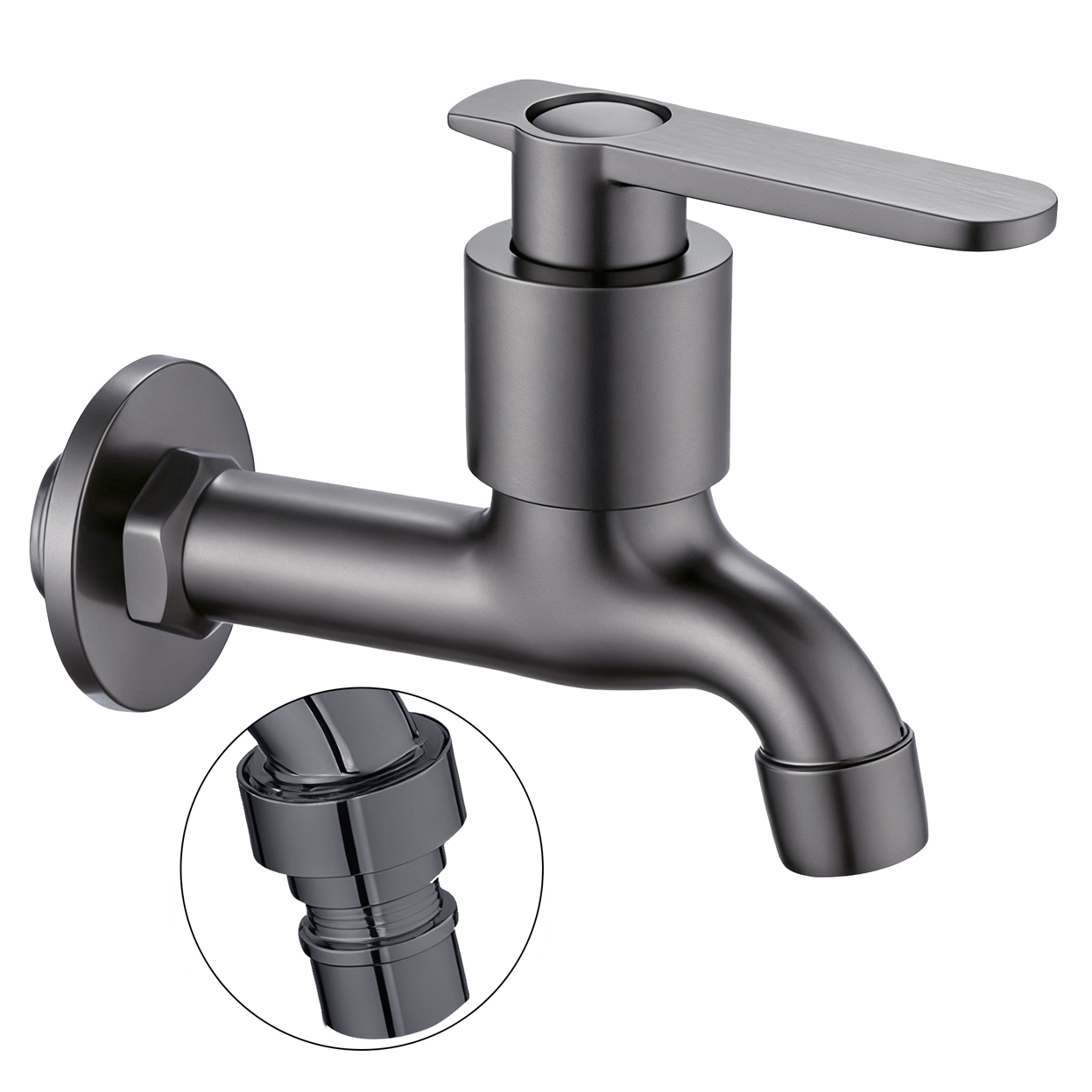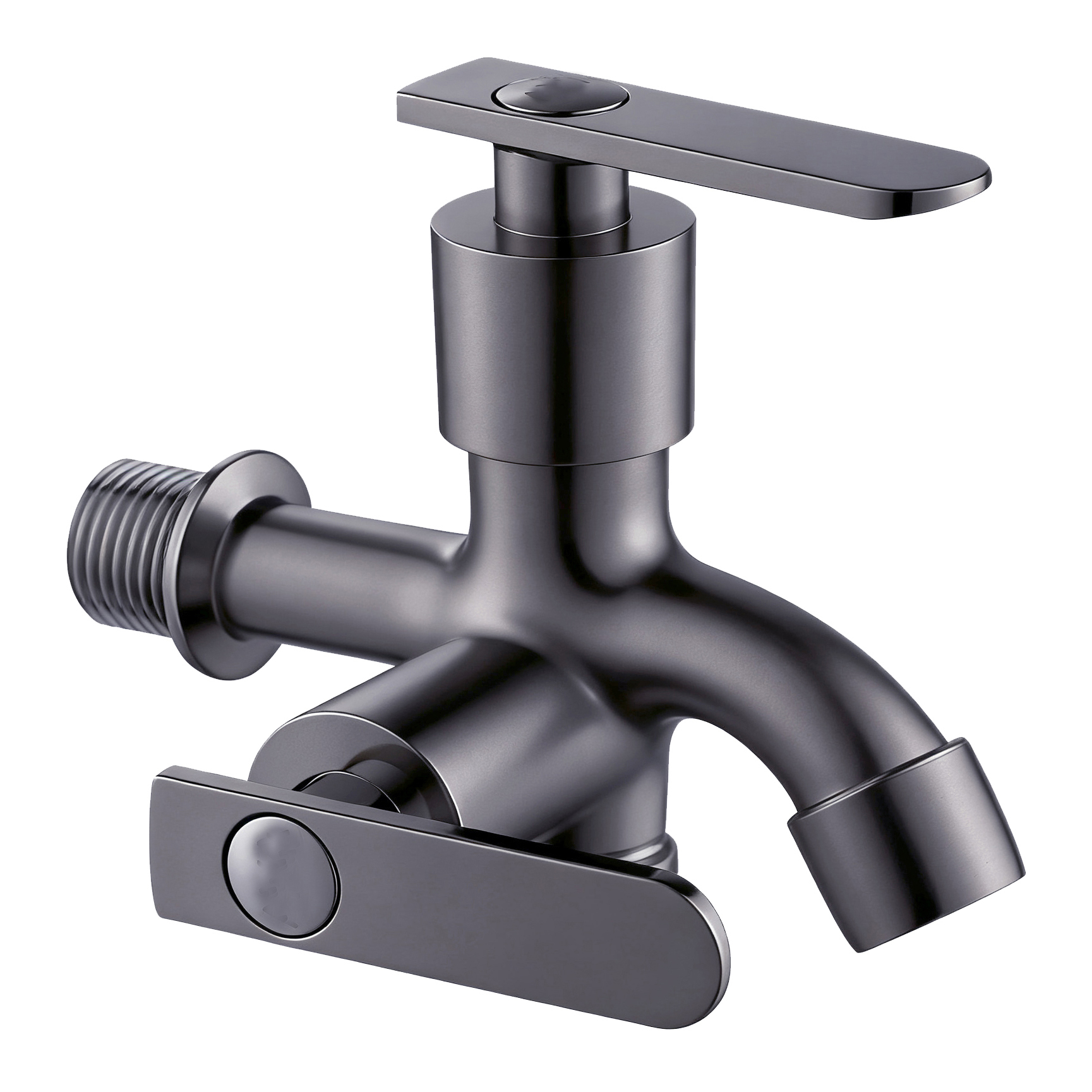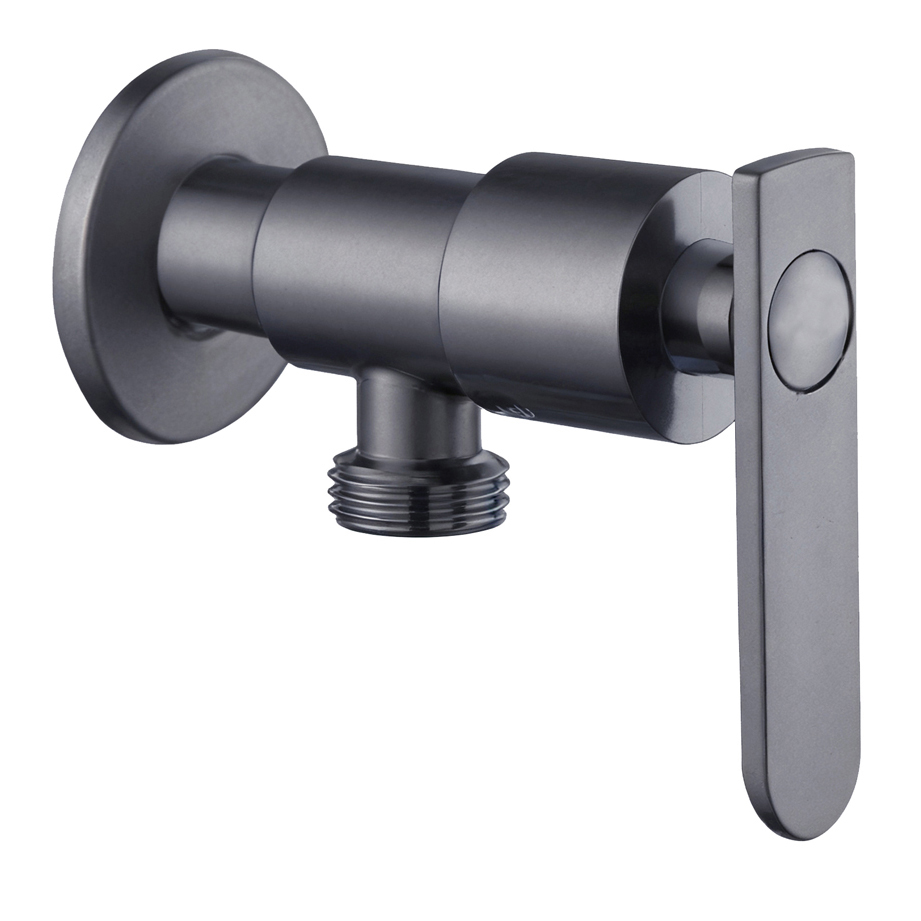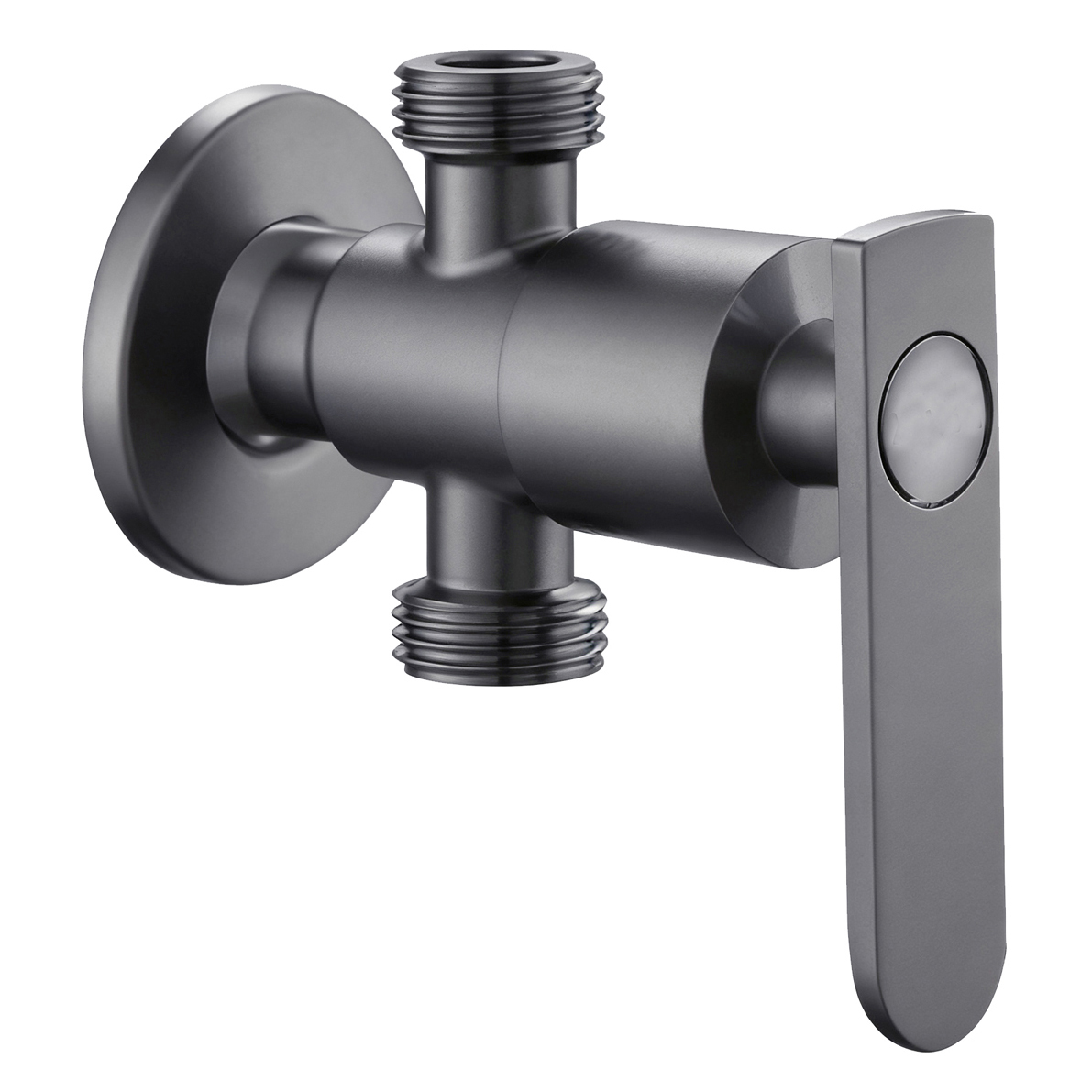




When discussing kitchen faucets in Turkey, it is easy to start with colors, shapes, or assumptions about “local preferences.”
For building-material retail, however, another question may be more useful:
How do faucet products reach homes and projects, and how do consumers, installers, and business customers purchase them?
Turkey’s Home Improvement retail market provides a useful example.
Building-Material Retail Is No Longer Just About Consumers Visiting Large Stores
Turkey’s home-improvement market includes large-format stores, smaller neighborhood locations, online channels, and purchasing services for business customers.
Public information from Koçtaş illustrates this mix.
In addition to its traditional stores and online platform, Koçtaş operates the Koçtaş Fix neighborhood format. According to the retailer, Fix stores carry around 5,000 frequently needed products for basic and urgent purchases. Customers can also use an in-store ordering system to access more than 100,000 additional products.
For the Faucet category, this creates a useful distinction:
What a physical store needs to stock and what the wider retail system can sell are no longer exactly the same thing.
Limited shelf space can focus on frequently purchased products that are easy to identify and may be needed immediately.
Digital channels can extend the assortment with additional specifications, Finishes, and lower-frequency models.
For a Turkey Kitchen Faucet range, market analysis should therefore go beyond asking which design is more popular.
A product may play a different role in a large Home Improvement store, a neighborhood location, and an extended online assortment.
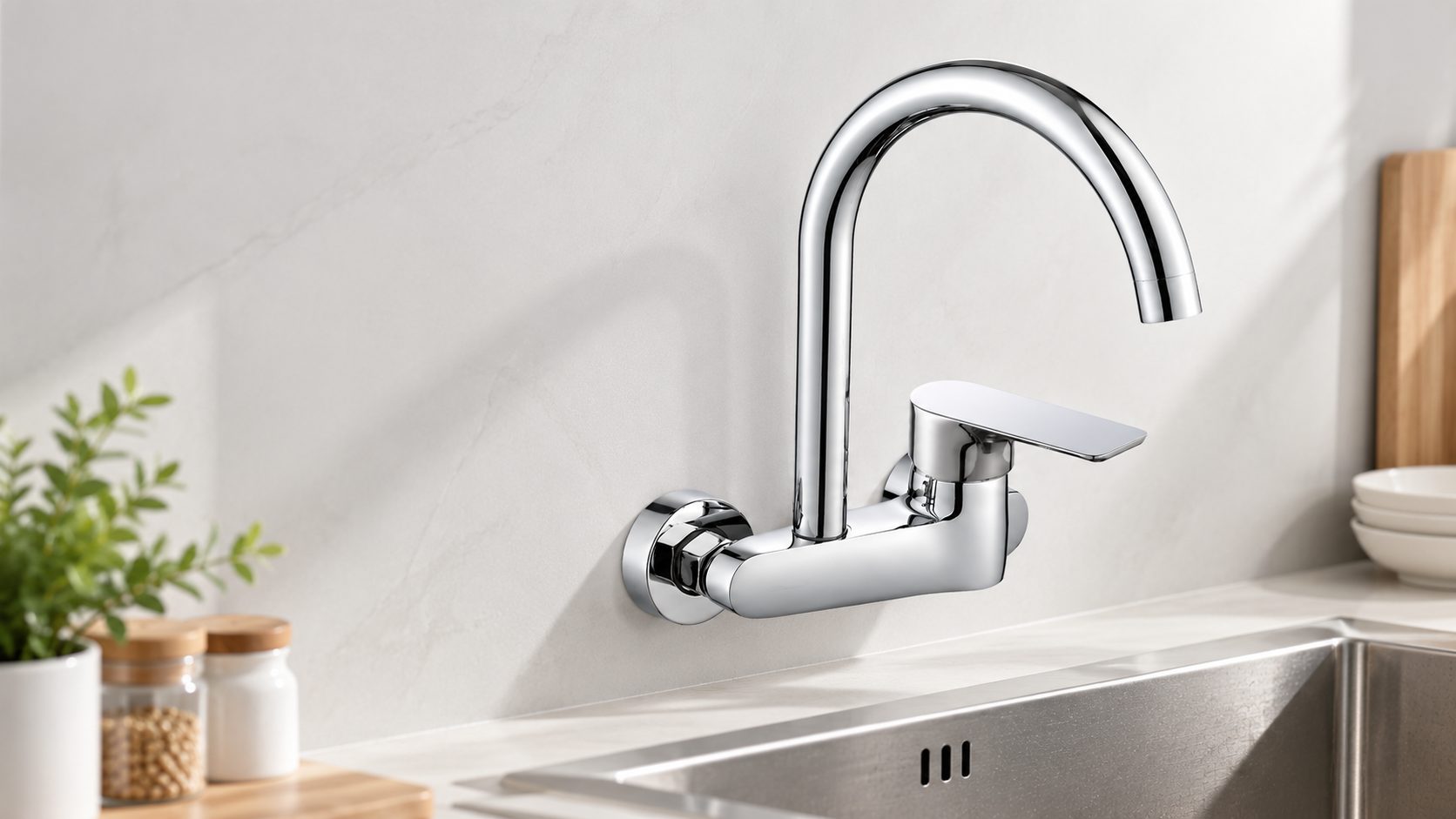
Home-Improvement Retail Also Serves Professional and Business Demand
Another important point is that Home Improvement retailers do not serve only household consumers.
Koçtaş publicly offers B2B services for needs such as construction materials, hardware, consumables, and investment supplies. Its wholesale business also serves companies and customers in the construction sector.
This shows that different purchasing roles can exist within the same Turkish retail system. It does not, however, prove the sales performance of any specific Turkey Kitchen Faucet. [1]
Before entering the Turkish market, a faucet supplier can use products already listed by local retailers to study installation types, Finish options, and price positioning.
The next step is to verify those observations with actual customers.
For example, who will hold inventory? Who handles after-sales service? Which specifications need to remain stable for replenishment?
Physical market samples can also provide useful technical information.
Checking their threads, hoses, and installation relationship with common sinks provides a stronger basis for product development than simply assuming that a particular design is “popular in Turkey.”
A trial order can then provide more evidence before expanding customization or the number of SKUs.
This matters because a Kitchen Faucet may serve several different purchasing needs within the same retail system.
A household customer may buy one faucet during a kitchen renovation.
An installer may focus more on connections, installation requirements, and replacement convenience.
A business or project buyer may care about consistent specifications and the ability to reorder the same model later.
These purchasing needs can exist in the same market at the same time.
Faucet Market Analysis Should Move From “Style” to “Role”
When analyzing kitchen faucets in Turkey, it is therefore more useful to ask what retail role a product serves than to define a particular Finish or shape as “Turkey Style.”
Should a basic replacement Kitchen Faucet become a frequently stocked SKU in neighborhood stores?
Should additional Finishes and configurations sit mainly in the extended online assortment?
Do models that require more installation knowledge provide enough specifications for both DIY customers and professional installers?
For products intended for bulk purchasing, which dimensions, connections, and components need stable replenishment?
Local retailer listings can provide clues about available brands, colors, configurations, and price positioning.
Without access to actual sales data, however, shelf presence, listed price, and real sales performance should not be treated as the same indicator.
Price comparisons also need context.
When reviewing Turkish retail websites, it is useful to record whether the displayed price includes a promotion and whether stock availability differs by city or store.
A public retail price at one point in time should not be treated as a stable wholesale channel price.
Local customers can then provide their target purchasing price and required specifications. Only after that does a factory quotation have a meaningful basis for comparison.
These questions cannot predict whether one particular Turkey Kitchen Faucet will achieve higher sales.
They can, however, provide a clearer picture of how the local Home Improvement market organizes and distributes faucet products.
Regional market research should not simply assign a product preference to an entire country.
As housing improvement, neighborhood retail, digital channels, and professional purchasing develop together, the same Faucet category may need to perform several different retail roles.