



The longer a product range has been in development, the more likely SKU overlap is to accumulate.
One height is added first, then another finish, and later a new function. Each addition may have had a reasonable purpose at the time.
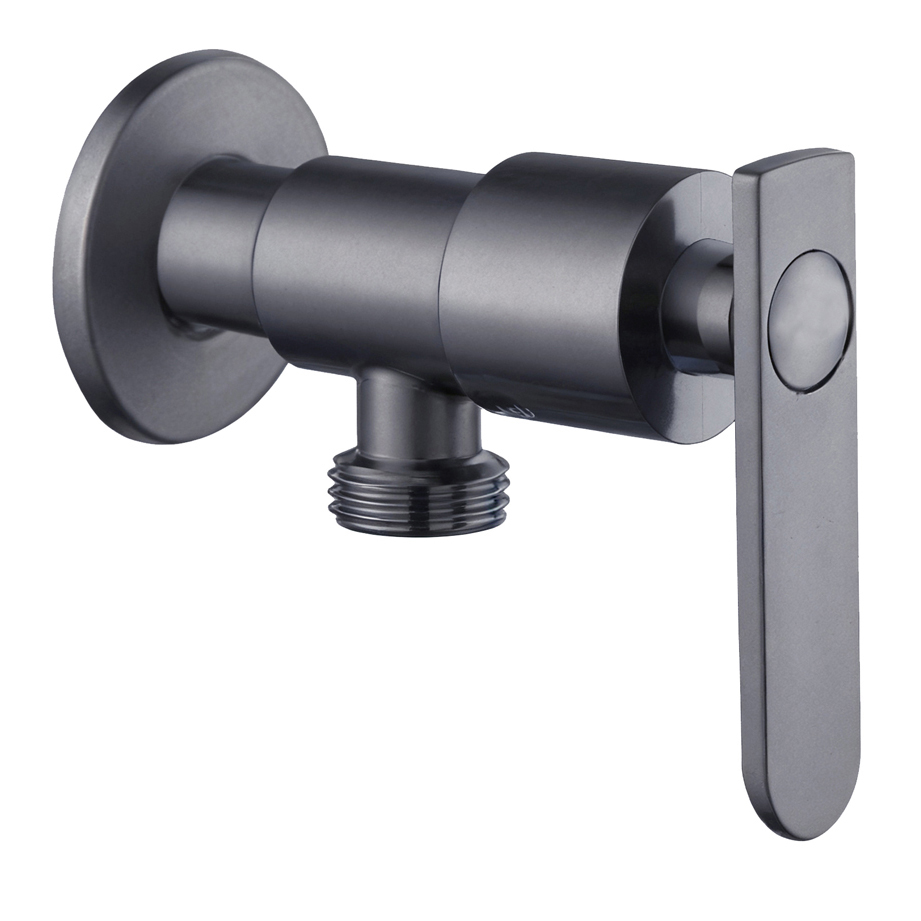
Several years later, however, the products may end up differing from one another only in very small ways.
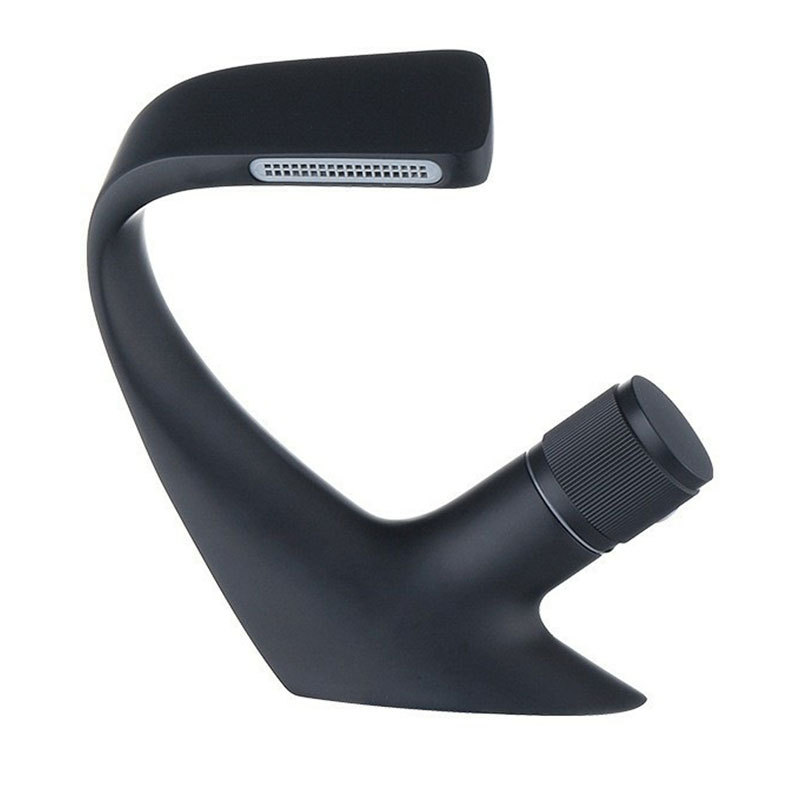
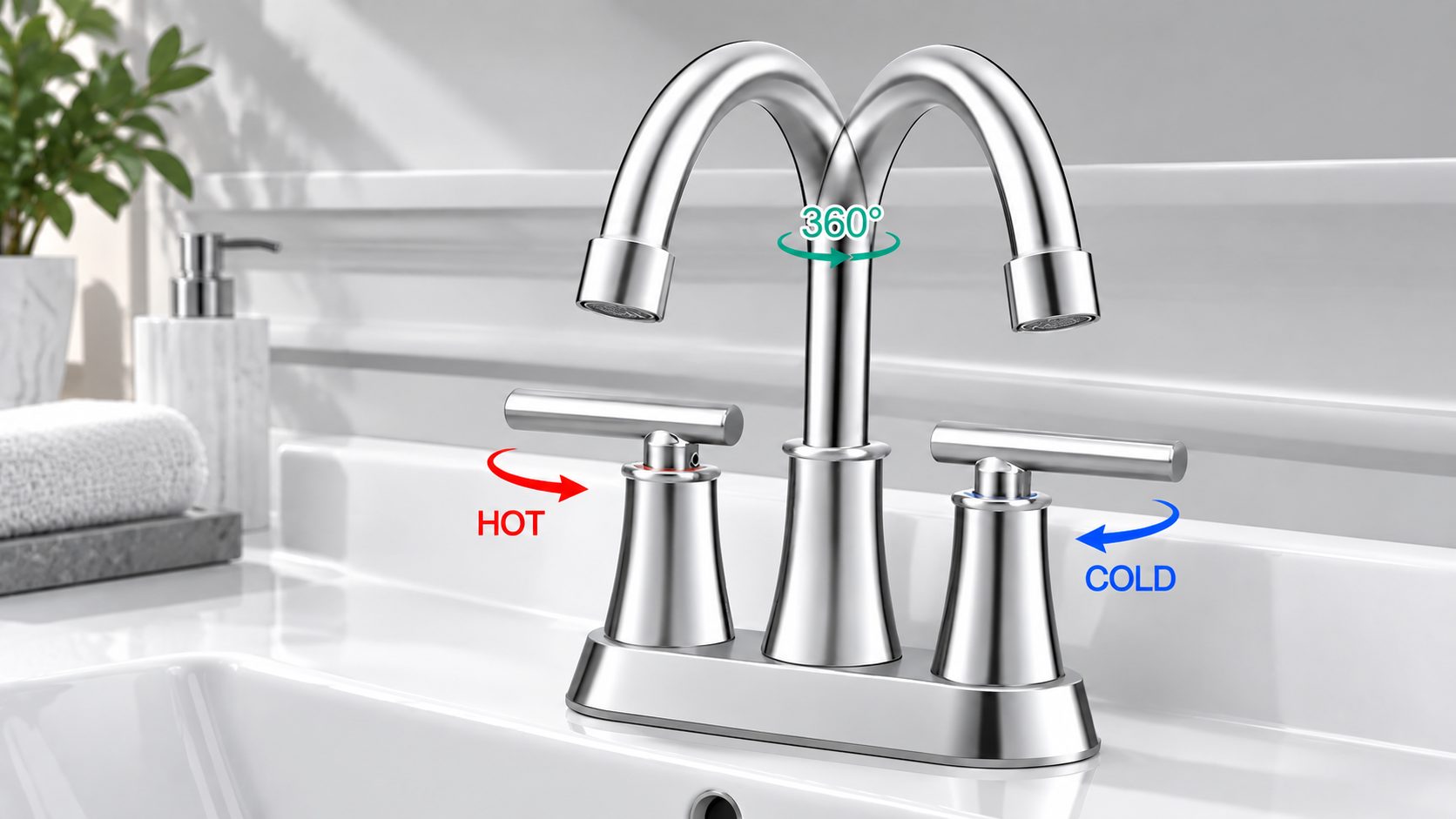
Tall Basin Faucets are particularly prone to this problem.
A Different Size Does Not Always Mean a Different Product
Countertop basins and other specific installation conditions may require a taller faucet, so a tall basin faucet has a clear practical purpose.
The problem begins when a product range continues adding heights such as 280 mm, 300 mm and 320 mm and treats every small dimensional change as a separate SKU that should remain permanently.
The more useful question is whether those heights correspond to genuinely different installation conditions.
If two models serve the same basin type, installation method and usage scenario, with only a small height difference, they may not actually perform different product roles.
If the height difference clearly changes basin compatibility or installation requirements, then the dimension has a stronger reason to remain as a separate option.
Finish Should Not Be Mistaken for a New Product Role
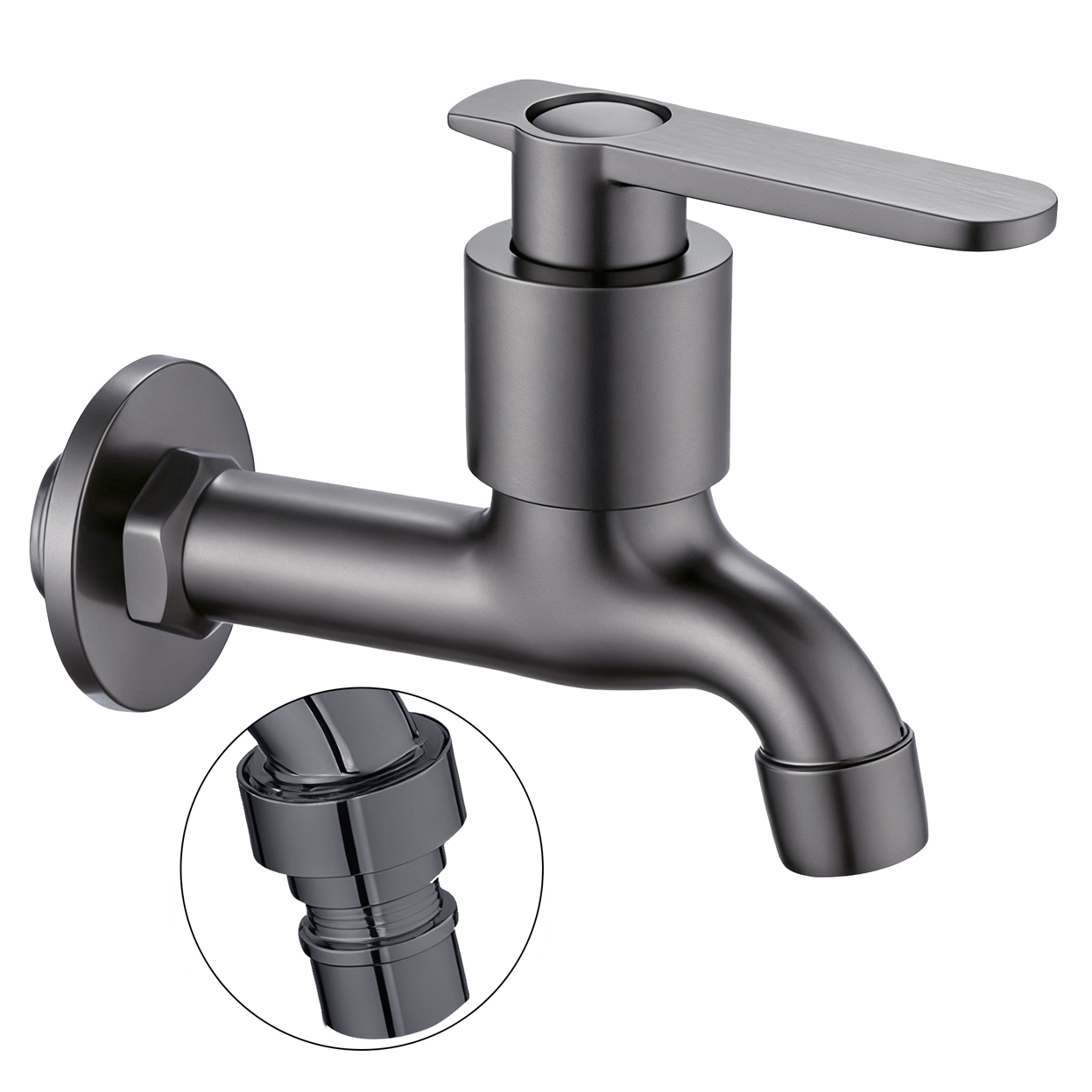
Tall black basin taps can be an important finish option, but Matte Black and Chrome do not automatically represent two completely different Tall Basin Faucet products.
When analysing SKU overlap, it is useful to separate the core product platform from its finish variants.
Otherwise, one body available in four colors may appear in product statistics as four different products when it is actually one platform with four visual options.
SKU count should not be treated as the same thing as portfolio depth.
Functional Differences Also Need to Be Large Enough
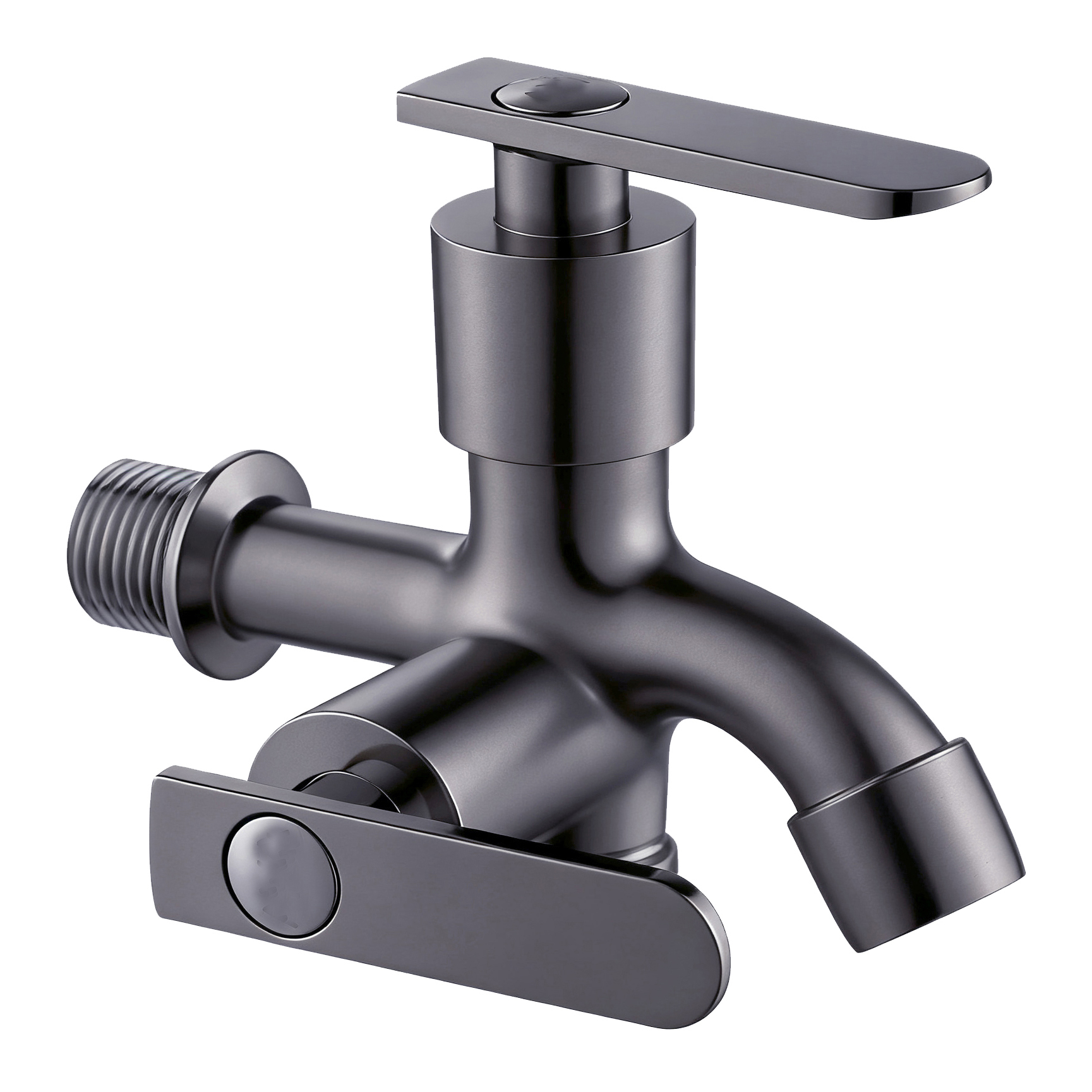
A multifunctional tall basin faucet may deserve a separate role if the added functions genuinely change the way the product is used.
But the word “Multifunctional” in the product name does not by itself prove that it should become an independent SKU.
If the additional feature is minor while the installation conditions, main function and positioning remain almost identical to an existing model, the overlap still needs to be evaluated.
A practical comparison sequence is:
application → installation conditions → core function → key dimensions → finish → price/product role
The order matters.
If two products are already highly similar in application, installation conditions and core function, and the difference appears only at the level of finish or a small dimensional change, the likelihood of SKU overlap is usually higher.
A Practical Test for Overlap: Temporarily Remove One SKU
One useful way to test whether two models genuinely overlap is to remove one SKU from the range temporarily and see what gap remains.
Suppose there are two Tall Basin Faucet models, A and B.
If B is removed, does the range lose an important basin application? Does it lose a meaningful function? Does a clear price gap appear? Is an important design choice no longer covered?
If the answer to all of these questions is no, and A already performs most of B’s role, B is more likely to be an overlapping SKU that could be consolidated or reduced.
If removing B immediately creates a clear product or installation gap, then A and B should not automatically be treated as duplicates even if they look very similar.
Simplifying a Product Range Is Not Simply About Reducing SKU Count
The purpose of SKU reduction is not to make the catalogue thinner.
It is to remove products that no longer have an independent reason to exist.
A Tall Basin Tap range may reasonably keep multiple heights for different installation requirements, several finishes for important market needs, and separate models for genuinely different functions.
The final question should always be:
Why does someone need to choose between these two SKUs?
If even the product manager finds it difficult to explain the meaningful difference between them, that difference will usually be difficult for the market to understand as well.
The most effective way to reduce SKU Overlap is therefore not to set a maximum number of SKUs. It is to reduce products that have different model numbers but no meaningful difference in product role.