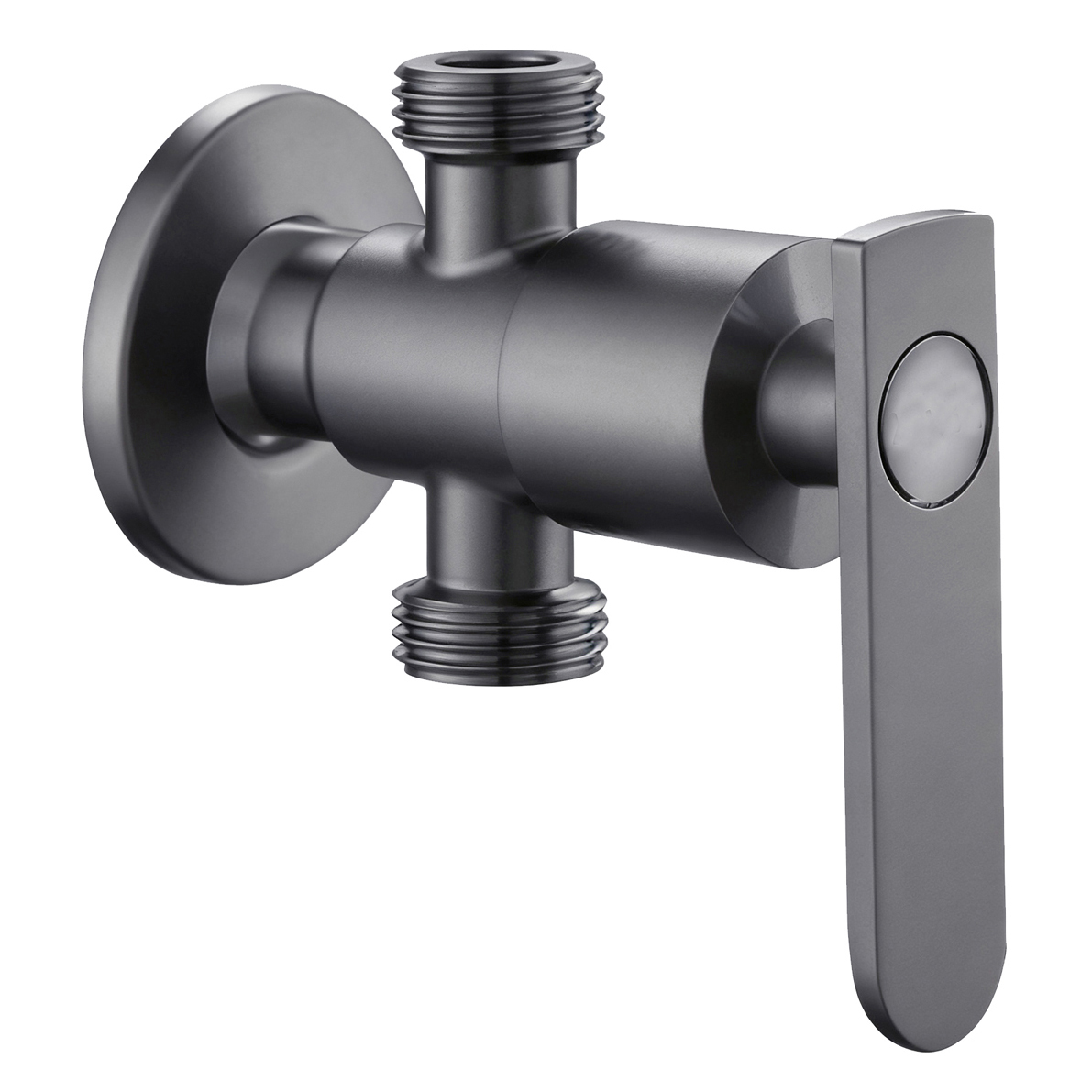




Adding more functions to a faucet usually increases the purchase cost first. Gross margin, however, does not automatically increase with it.
This is especially important for a Three Way Kitchen Faucet. Compared with a more basic kitchen faucet, a 3-way configuration should create value through practical use, not simply through having more features.
When deciding whether a Configuration is worth adding, both the additional cost and the value in the market need to be considered.
More Functions Usually Mean More Cost
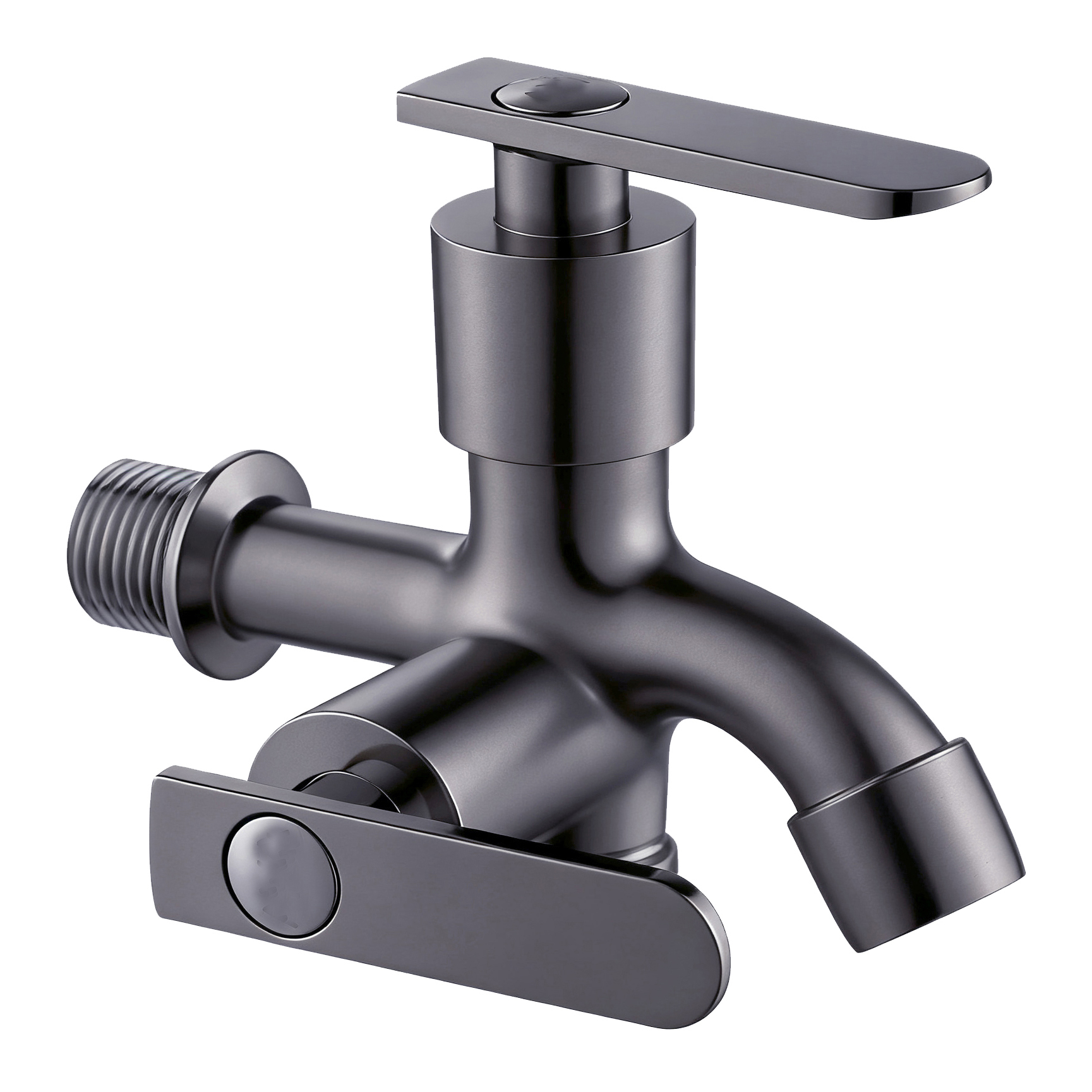
A 3 way double kitchen faucet may handle additional waterways or functions. As a result, its internal structure, components, connections and accessories can differ from those of a standard Kitchen Faucet.
These changes may increase material costs. They can also add assembly steps, testing requirements or packaging needs.
For this reason, product development should not focus only on one question:
“How much does it cost to add this function?”
There is another question that matters just as much:
“Can the market understand the value of this function and accept the corresponding price difference?”
If the second question has no clear answer, the extra Configuration may simply increase the purchase cost.

Useful Functions Have a Better Chance of Creating Price Space
A function does not create value just because it exists. It needs to solve a real usage need.
If a Three Way Kitchen Faucet makes it easier to manage different water uses from one kitchen location, the additional function has a clearer product purpose.
The situation changes when the target market has little need for that function. The same problem occurs when the sales side cannot clearly explain how the product differs from a standard Kitchen Faucet.
In these cases, the additional cost may be difficult to convert into a higher selling price.
A Configuration Decision should therefore start with practical value rather than the question of how many more functions can be added.
Accessories Also Affect the Real Gross Margin
More complex configurations often require additional connectors, hoses or other supporting components.
The cost of each accessory may appear small. However, more accessories can also affect packaging space, assembly steps, inspection requirements and Spare Parts management.
A Three Way Kitchen Faucet may also have more waterways and connection points. This means more components need to be managed throughout production and after-sales service.
Looking only at the main faucet BOM can therefore underestimate the real cost.
When evaluating Gross Margin, it makes more sense to treat the complete Configuration as one system rather than calculating only the purchase cost of the faucet body.
Premium Finish Should Support the Same Product Positioning
Adding a special Finish to a Three Way Kitchen Faucet may move the product into a higher market position. It will usually increase the purchase cost as well.
Whether that Finish is worth adding still depends on the intended product positioning.
Functions, Finish and accessories should support the same product concept rather than being added independently.
The goal is not to create the product with the most features. The more useful question is whether each additional cost also creates enough clear purchasing value.
If it does not, the Configuration may be technically possible without improving Gross Margin.
The real impact of Faucet Configuration on margin comes from maintaining a reasonable relationship between product cost and market value.