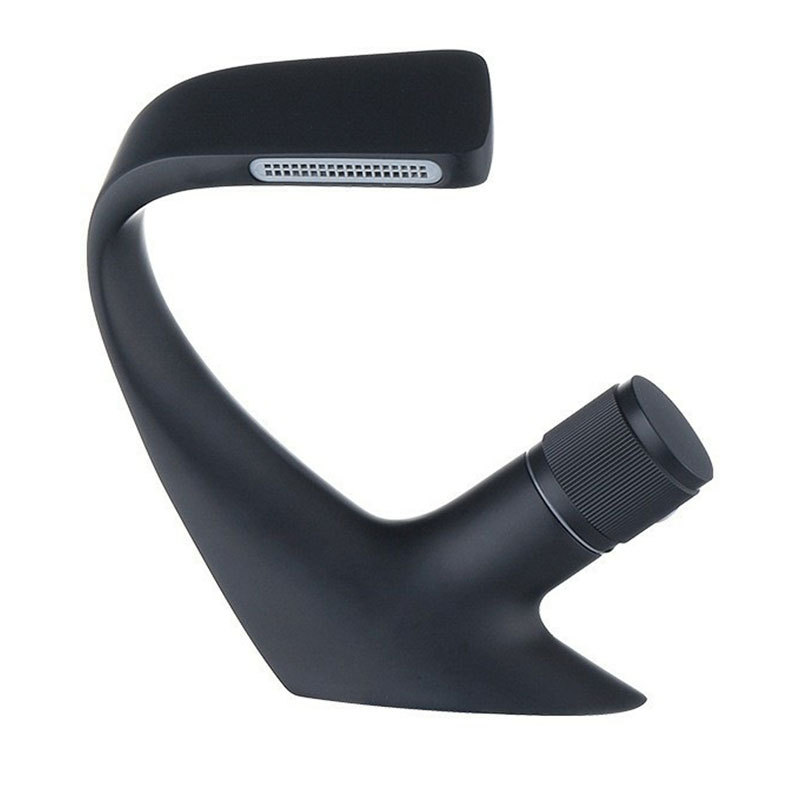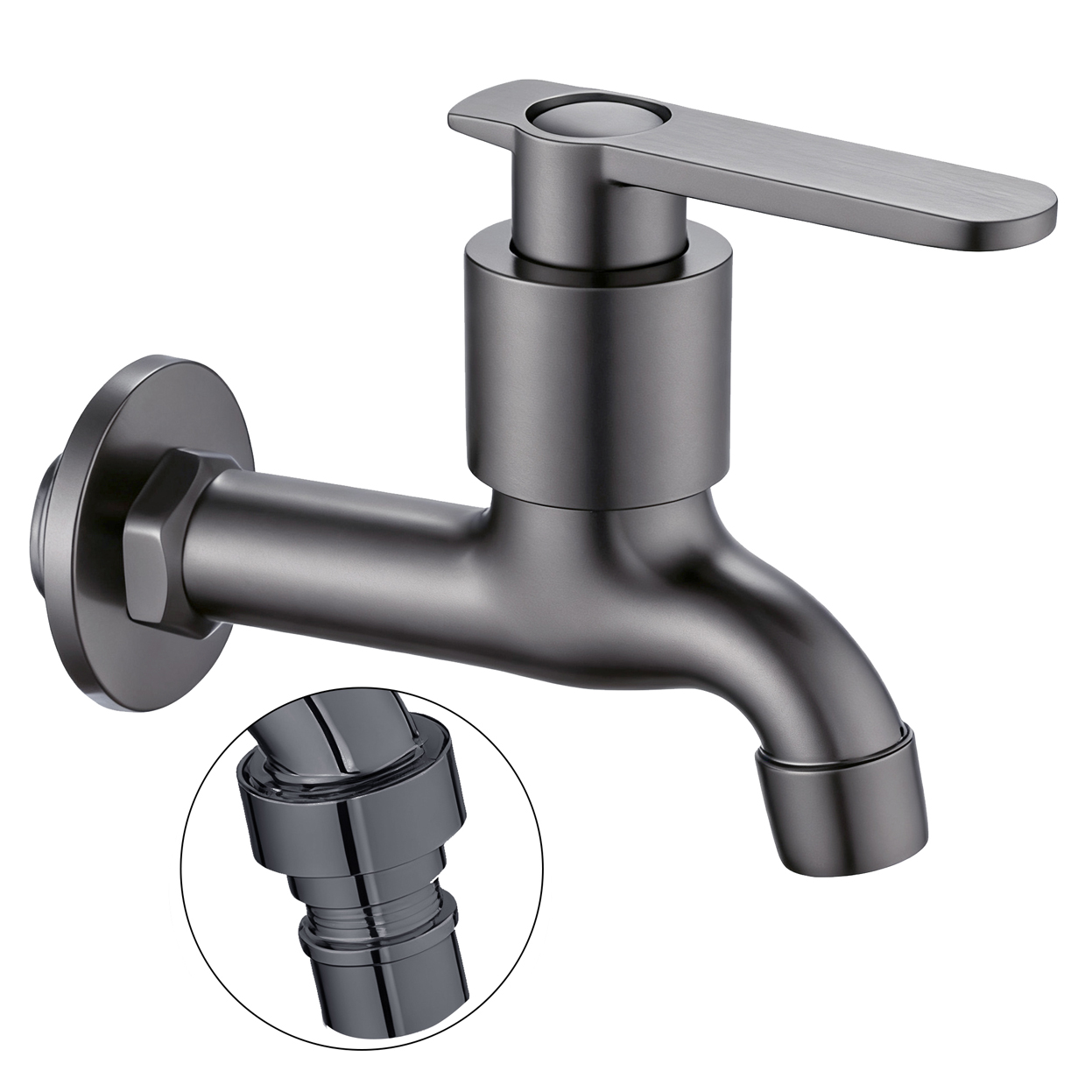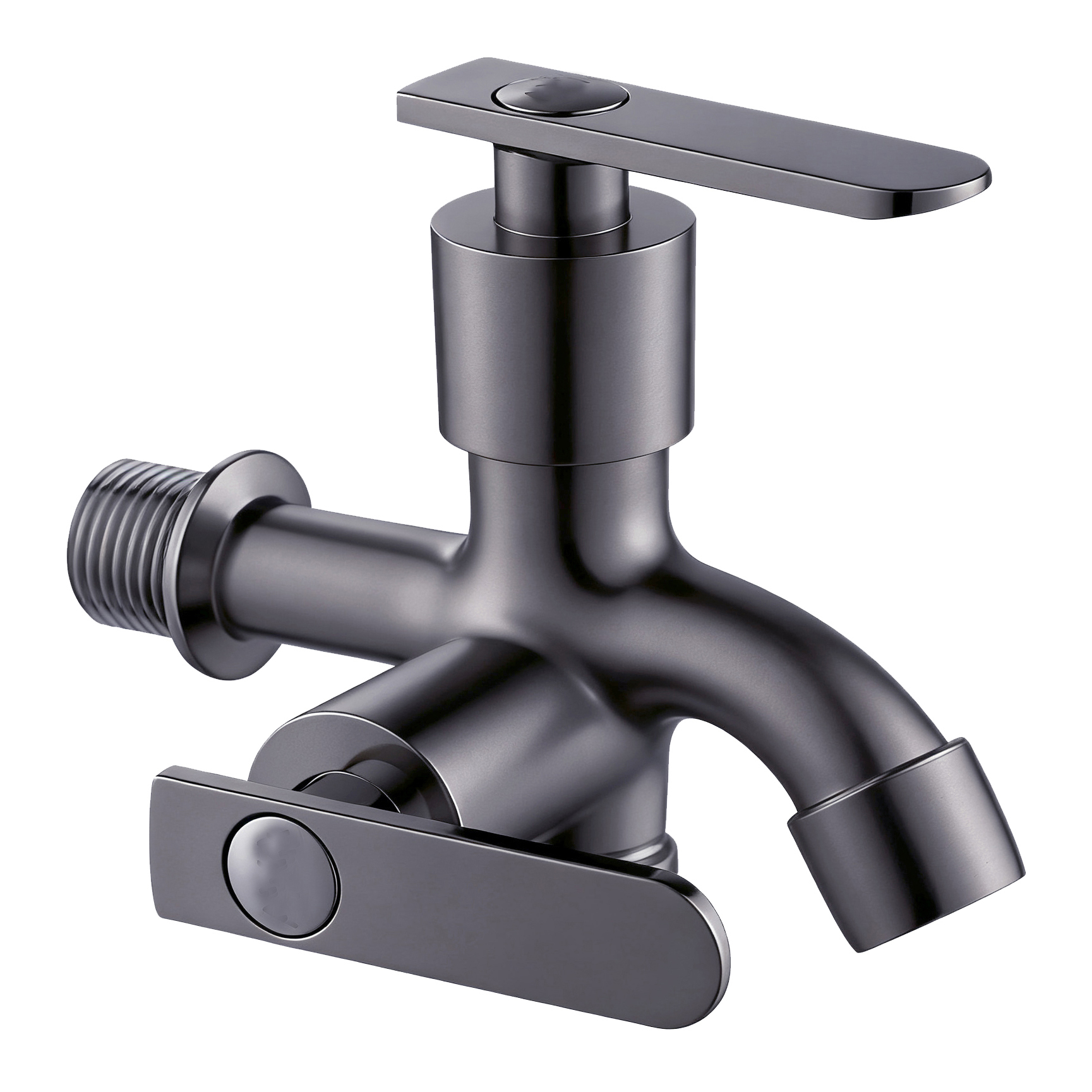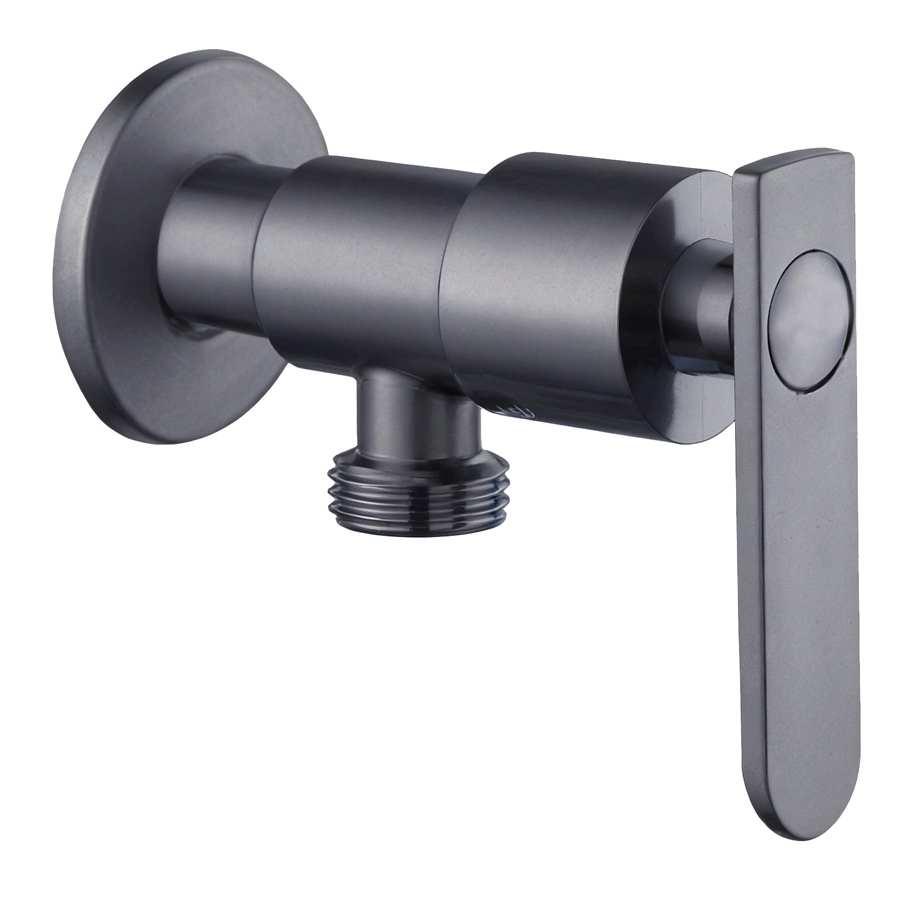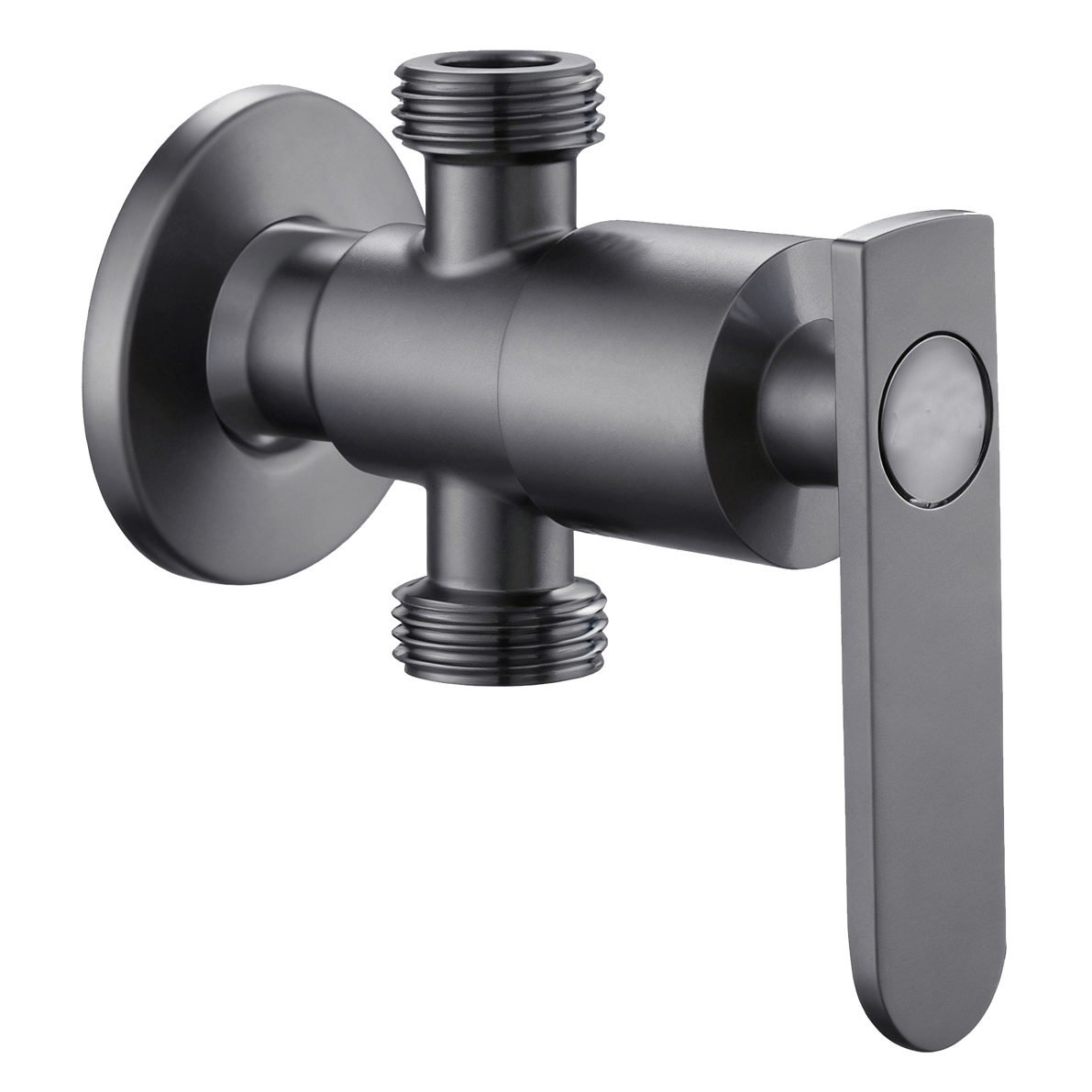



Polished chrome, brushed gold, gun grey, and matte black are common finishes for kitchen and bathroom faucets. However, these finishes differ in more than color and gloss. Their coating structures, wear resistance, corrosion resistance, and maintenance requirements can also vary.
Chrome plating, PVD (Physical Vapor Deposition), and powder coating are three different surface finishing processes.
Understanding these differences can help you choose a suitable faucet finish based on appearance and practical needs.
1. What Are the Differences Between Chrome Plating, PVD, and Powder Coating?
The main differences lie in how each coating forms and the materials used.
Chrome Plating: Creating a Metallic Finish Through Electroplating
Decorative chrome plating typically uses a nickel-chromium electroplating system.
According to technical information from the Nickel Institute, the nickel layer provides surface smoothness, brightness, and protection. The outer chromium layer helps maintain the metallic appearance and improves surface wear resistance.
Therefore, the quality of a chrome-plated faucet depends on the complete plating system. Important factors include base material preparation, nickel layer structure, and coating integrity.
PVD: Forming a Thin Film Through Vacuum Deposition
PVD uses vacuum deposition technology to form a thin film on a prepared surface. This process can produce different metallic colors.
However, the final appearance also depends on the underlying surface.
For example, a polished base usually creates a brighter metallic finish. In contrast, a brushed base can retain a fine-textured appearance.
YOROOW has PVD surface finishing capabilities. This process allows different metallic colors to be applied to kitchen and bathroom faucets, offering more appearance options.
In production, several factors affect the final result. These include the underlying surface condition, deposition materials, and processing parameters.
Therefore, manufacturers need to confirm the color, gloss, and texture according to the requirements of each product.
Powder Coating: Forming a Coating Through Powder Application and Curing
Powder coating applies powder material to a metal surface, often through electrostatic spraying. The coated surface then undergoes curing to form an organic coating.
This process can produce matte finishes, solid colors, and various textures.
However, coating quality depends on several factors. These include metal surface pretreatment, powder formulation, and curing conditions.
In particular, proper surface pretreatment plays an important role in coating adhesion.
2. How Do These Three Finishes Differ in Appearance and Performance?
| Comparison | Chrome Plating | PVD | Powder Coating |
|---|---|---|---|
| Coating structure | Electroplated metallic layers | Vacuum-deposited thin film with possible underlying treatments | Cured organic coating |
| Common appearance | Bright silver metallic finish | Metallic colors such as gold and gun grey | Matte finishes, solid colors, and textures |
| Wear resistance | Depends on plating structure and integrity | Depends on film material, hardness, and adhesion | Depends on coating formulation, curing, and adhesion |
| Corrosion resistance | Influenced by nickel layers and plating integrity | Depends on the film and underlying protective layers | Influenced by pretreatment and coating integrity |
| Cleaning considerations | Water spots and surface shine | Specific colors and surface textures | Scratches and coating damage |
Why Can Faucets with the Same Finish Perform Differently?
For chrome-plated faucets, the nickel layer affects both appearance and protection.
Different nickel layer structures and plating quality can lead to different corrosion resistance results.
For PVD finishes, film hardness and corrosion resistance are not the same thing.
A hard surface film does not automatically guarantee better corrosion resistance. The underlying surface treatment also affects the protection provided by the complete finish.
Powder coating depends on good adhesion between the coating and the base material. Proper curing is also important.
If surface pretreatment is inadequate or curing is incomplete, coating adhesion and performance may suffer.
Therefore, you should evaluate the complete finishing system when comparing faucet performance. Relevant test results are also important.
How Do Daily Cleaning Requirements Differ?
Polished chrome reflects light strongly. As a result, water spots and fingerprints may be more visible.
PVD finishes require cleaning methods suited to their colors and textures.
Powder-coated finishes need careful handling to avoid scratches and damage to the organic coating.
For daily maintenance, use soft cleaning tools and suitable cleaning products. Also, follow the manufacturer’s instructions and remove water spots and dirt regularly.
3. How Should You Choose a Finish for Kitchen and Bathroom Faucets?
Choose Based on Appearance and Color
Polished chrome is a common choice for a bright silver metallic appearance.
PVD offers metallic colors such as gold and gun grey. It can also produce polished or brushed effects, depending on the underlying surface treatment.
Powder coating provides matte finishes, solid colors, and various textured effects.
However, different processes can sometimes produce similar colors. Therefore, actual product samples are important when confirming the final appearance.
Choose Based on Usage and Maintenance Conditions
Kitchen and bathroom faucets regularly come into contact with water, cleaning products, and everyday dirt.
If a faucet requires frequent cleaning, check whether the finish is compatible with the intended cleaning products. You should also review its maintenance instructions and available surface performance information.
For products with specific wear or corrosion resistance requirements, review the relevant test methods and results.
In addition, make sure the testing conditions are identical or comparable before comparing results from different products.
Choose Based on Product Coordination
Basin faucets, shower products, and bathroom accessories often need matching finishes.
In these cases, compare color, gloss, and texture together.
For example, two products may both be labeled Brushed Gold. However, their tones may differ because of different surface preparation methods or finishing processes.
Comparing actual samples can help identify these differences. Confirming the finishing specifications can also support a more consistent appearance across the product collection.
Choose Based on Surface Quality Requirements
Some faucets have specific surface quality requirements. In these cases, review the coating structure and available testing documentation.
For chrome plating, focus on the plating system and corrosion resistance.
For PVD, examine the thin film and underlying surface treatment.
For powder coating, pay attention to coating adhesion and curing quality.
Together, these details provide a clearer basis for selecting the right finish for a specific faucet.
Conclusion
Chrome plating, PVD, and powder coating differ mainly in their coating structures and production processes.
Chrome plating usually creates a bright silver metallic finish. PVD offers different metallic colors and can retain the texture of the underlying surface. Powder coating provides matte finishes, solid colors, and textured effects.
When choosing a kitchen or bathroom faucet finish, consider appearance, usage conditions, cleaning requirements, and available surface quality information.
These factors can help you select a finish that matches the needs of the specific product.