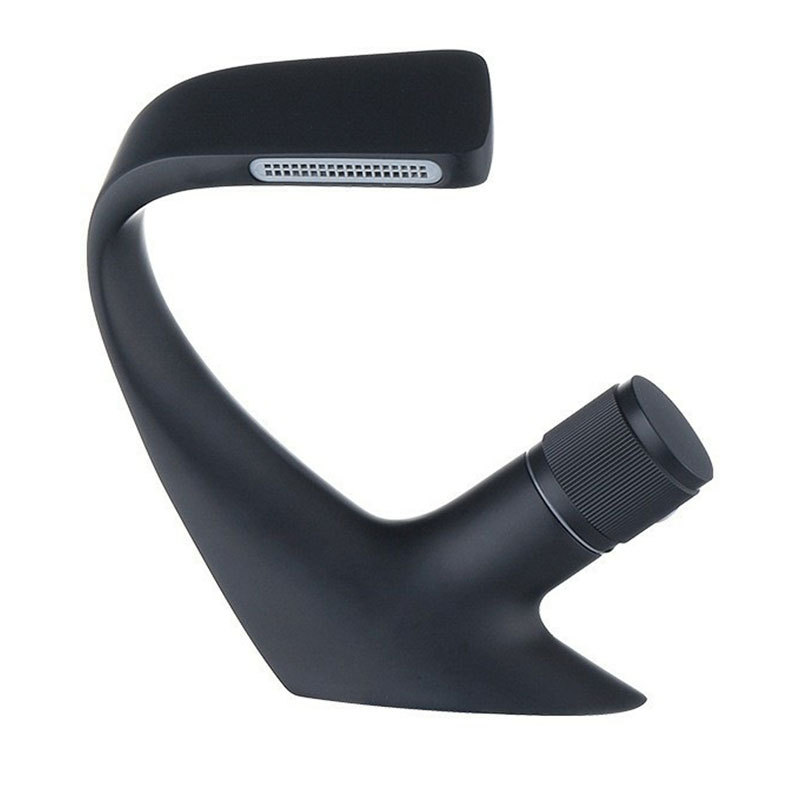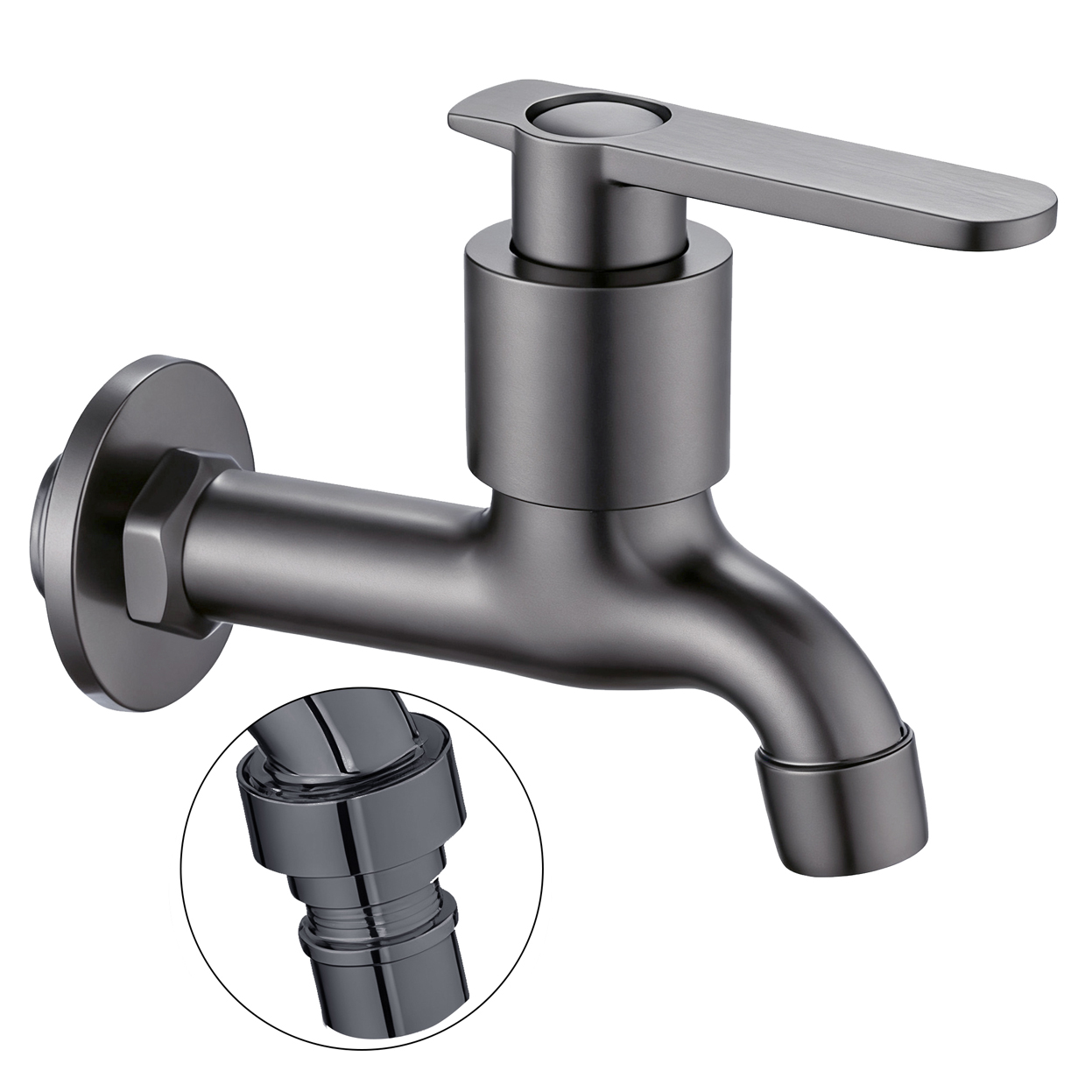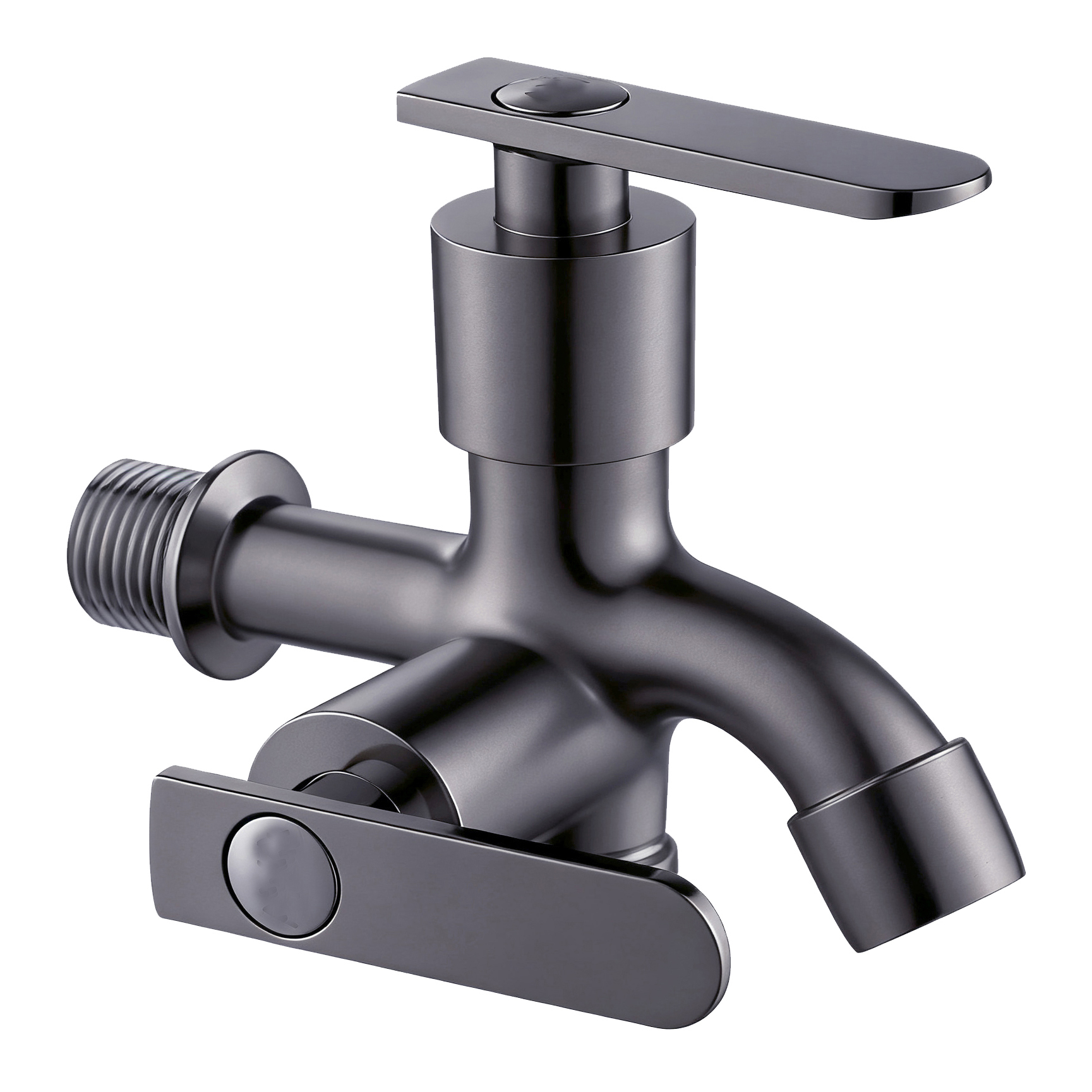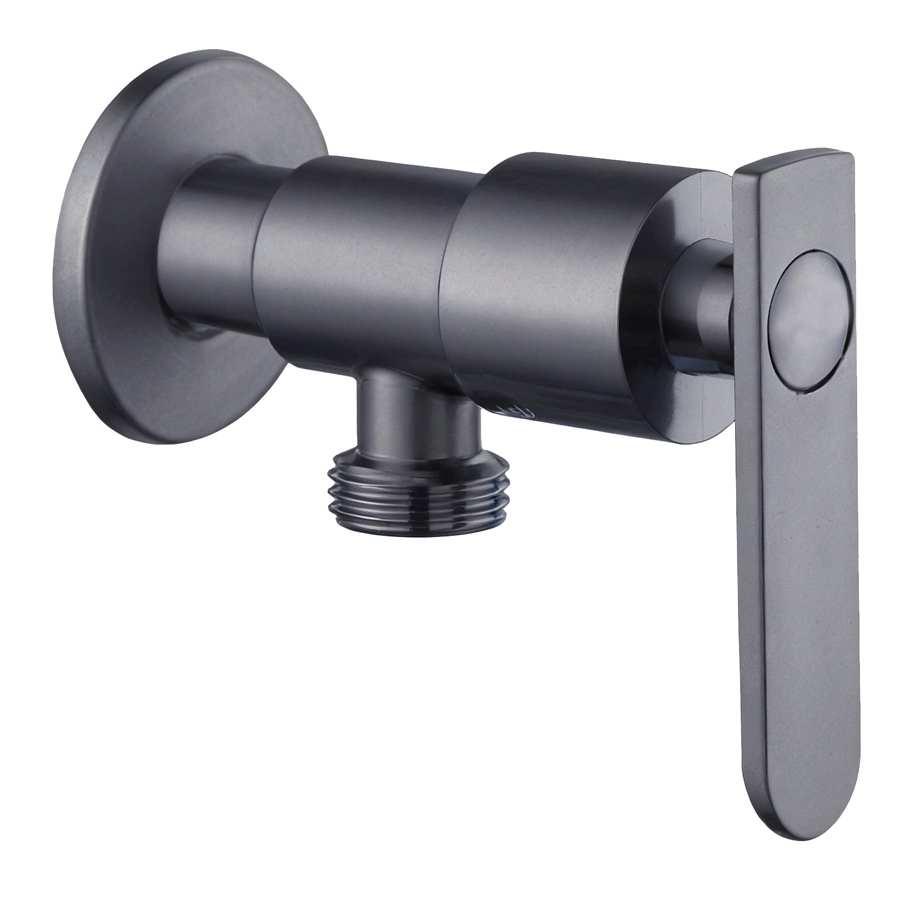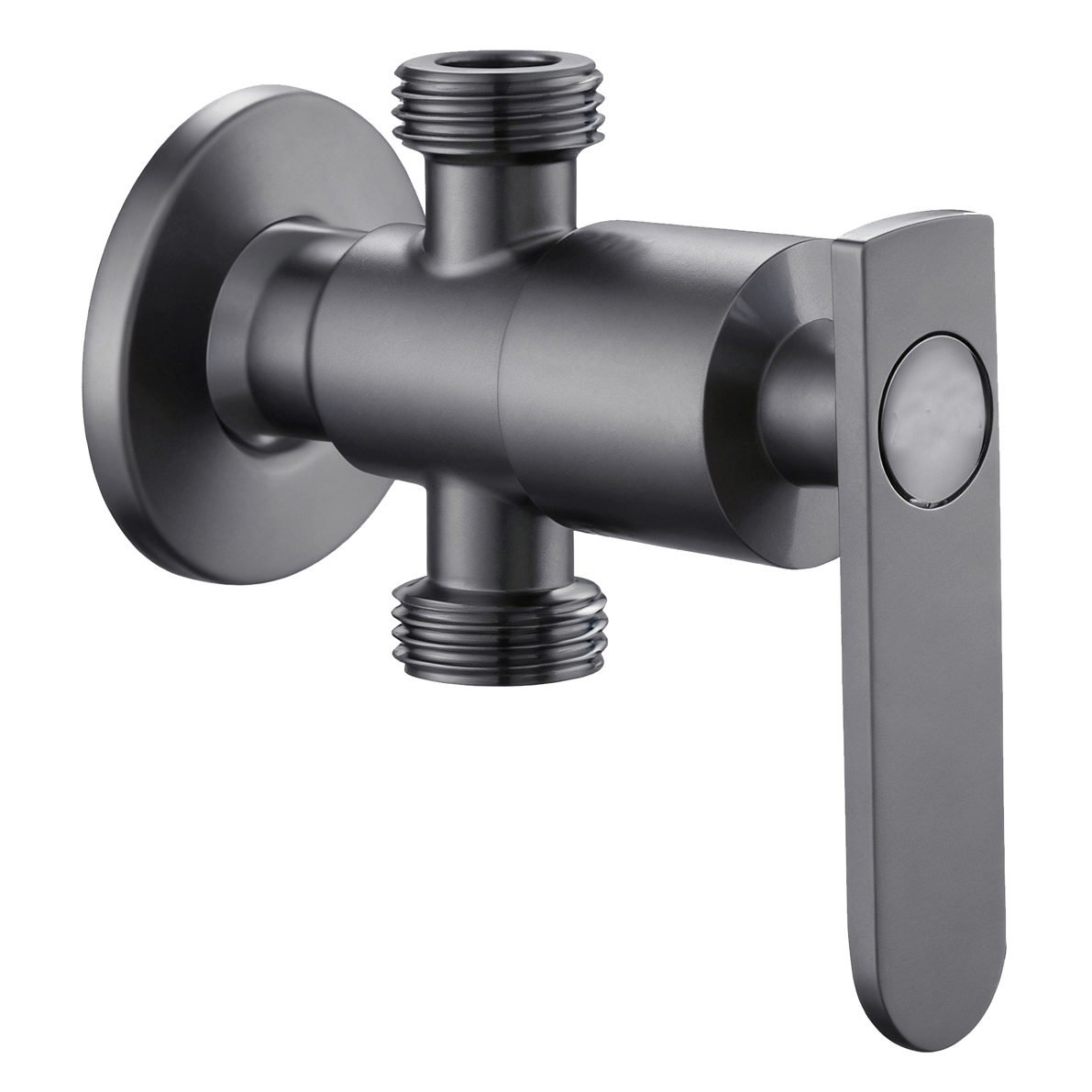



A faucet develops a leak during final inspection. Replacing the seal appears to solve the problem, but the same failure occurs again in the next production batch. At this point, the priority is to identify where the deviation first occurred. The factory should retain the relevant components, production records, and test conditions needed to reproduce the leak.
Nan’an, a major plumbing and sanitary ware manufacturing center in Fujian, China, now has an additional channel for technical support. On November 8, 2026, the Quanzhou Plumbing and Sanitary Ware Industry Technology Alliance was established in Nan’an. Eight technical institutions, including a national-level product testing center and the Huaqiao University Nan’an Intelligent Manufacturing Research Institute, jointly signed the initiative to establish the alliance. The announcement identified testing, standards, and quality management as key areas of its work.
Connecting Production Problems with the Right Technical Specialists
According to the announcement, companies can submit technical support requests through market regulation authorities or Fujian’s “Shi Shi Tong” (市事通) platform. When a recurring problem exceeds the capabilities of a factory’s internal team, this provides a defined channel for seeking assistance. Importers can also ask suppliers how they would request technical support in such situations and how the subsequent findings would be shared.
Before submitting a request, the problem needs to be clearly documented. A leak at a hose connection requires a different investigation from a faucet that continues dripping after the valve has been closed. Useful information includes the location of the leak, affected models and batches, assembly records, and testing equipment and conditions.
Keeping an unrepaired sample of the defective product can also help preserve evidence that might otherwise be lost through repeated repairs. These are practical recommendations for preparing an investigation, not an official list of application requirements published by the alliance.
How Can a Faucet Manufacturer Turn Defect Investigations into Corrective Action?
YOROOW’s company information describes in-process inspections and finished-product testing. Records from these two stages serve different purposes. In-process inspection records can help trace when dimensional deviations first occurred, while finished-product testing records document how a faucet performs after assembly. When handling customer complaints, buyers should request records corresponding to the affected production batches.
The value of external technical analysis depends on how its findings are applied in production. If a component needs to be modified, the factory should identify which inventory still contains the previous version, how that inventory will be handled, and how assemblies incorporating the revised component will be retested. Corrective action records should also indicate whether the same component is used in other models.
For importers, an investigation should conclude with evidence showing that the corrective measures resolve the original defect under agreed testing conditions. Receiving a single replacement sample does not address what has happened to the remaining affected batches.
Technical institutions in Nan’an can provide specialist analysis, but each order still needs a clearly designated factory contact who is responsible for applying the findings to the affected products.