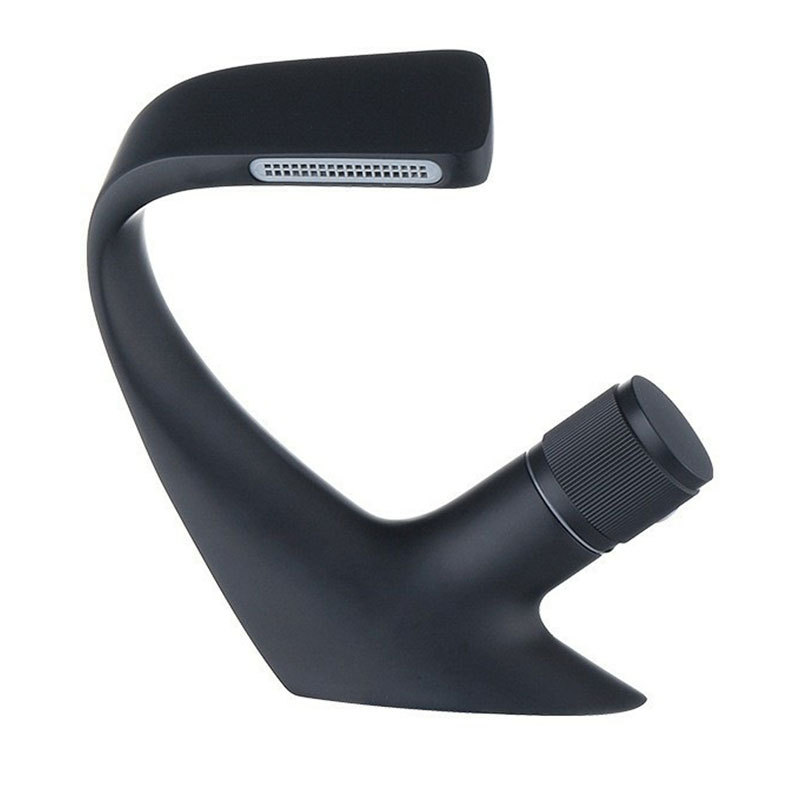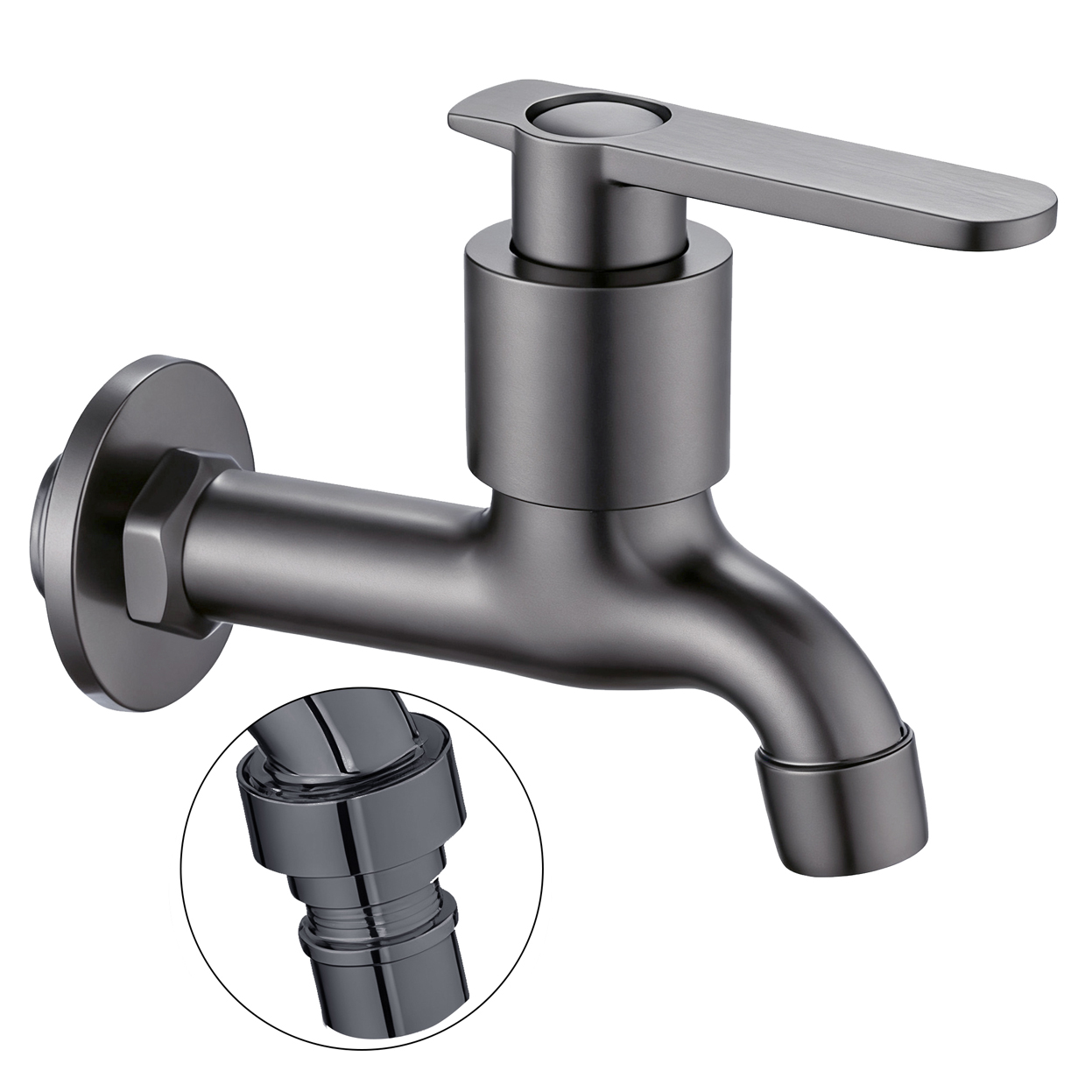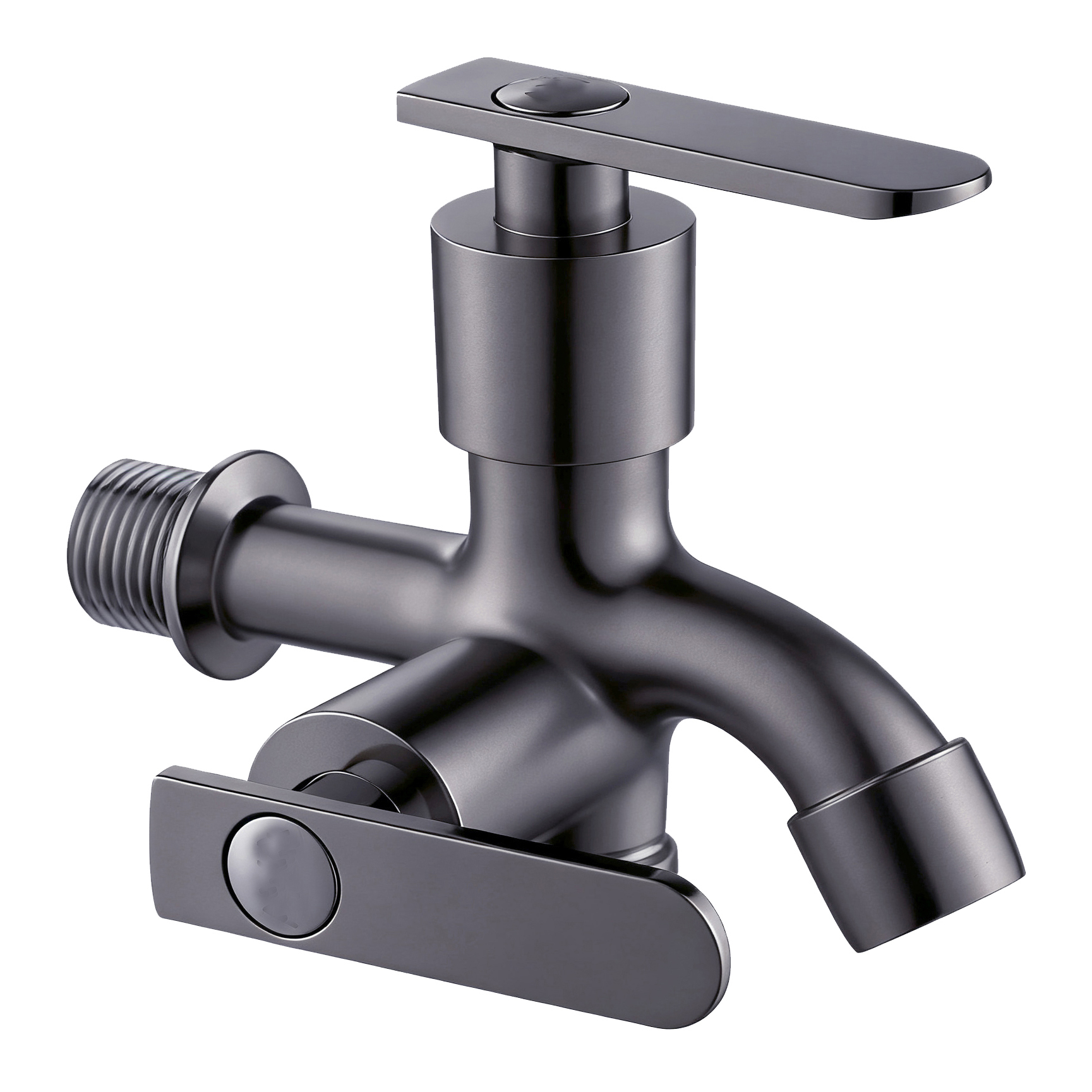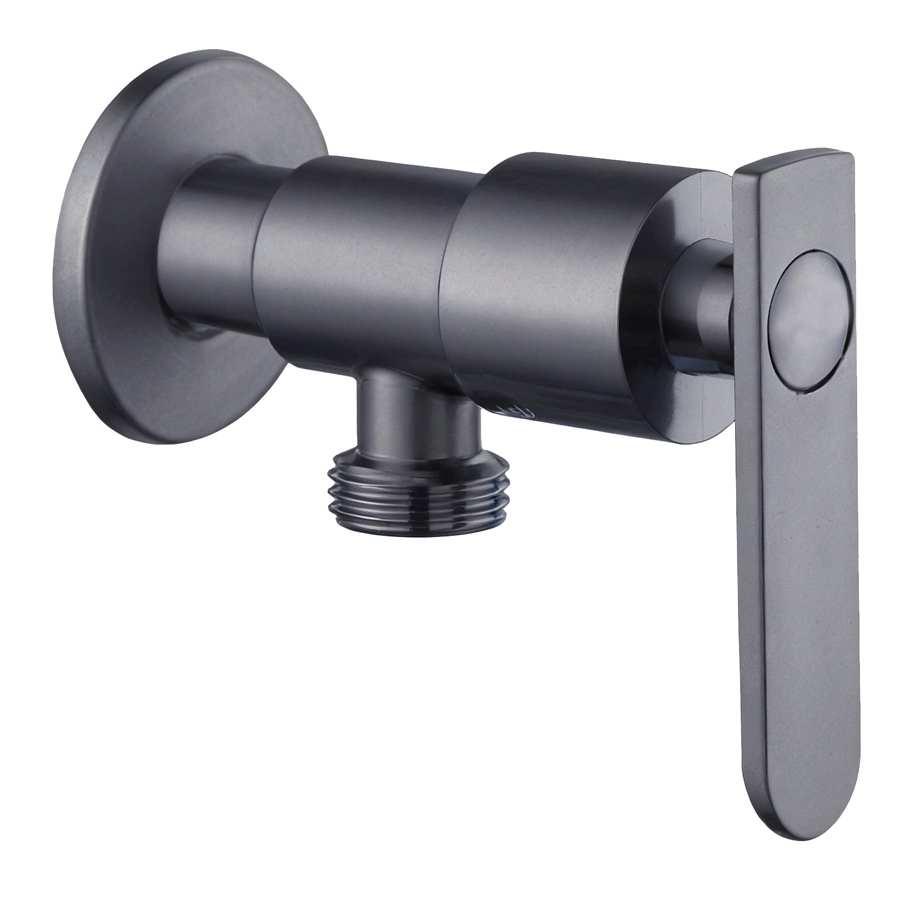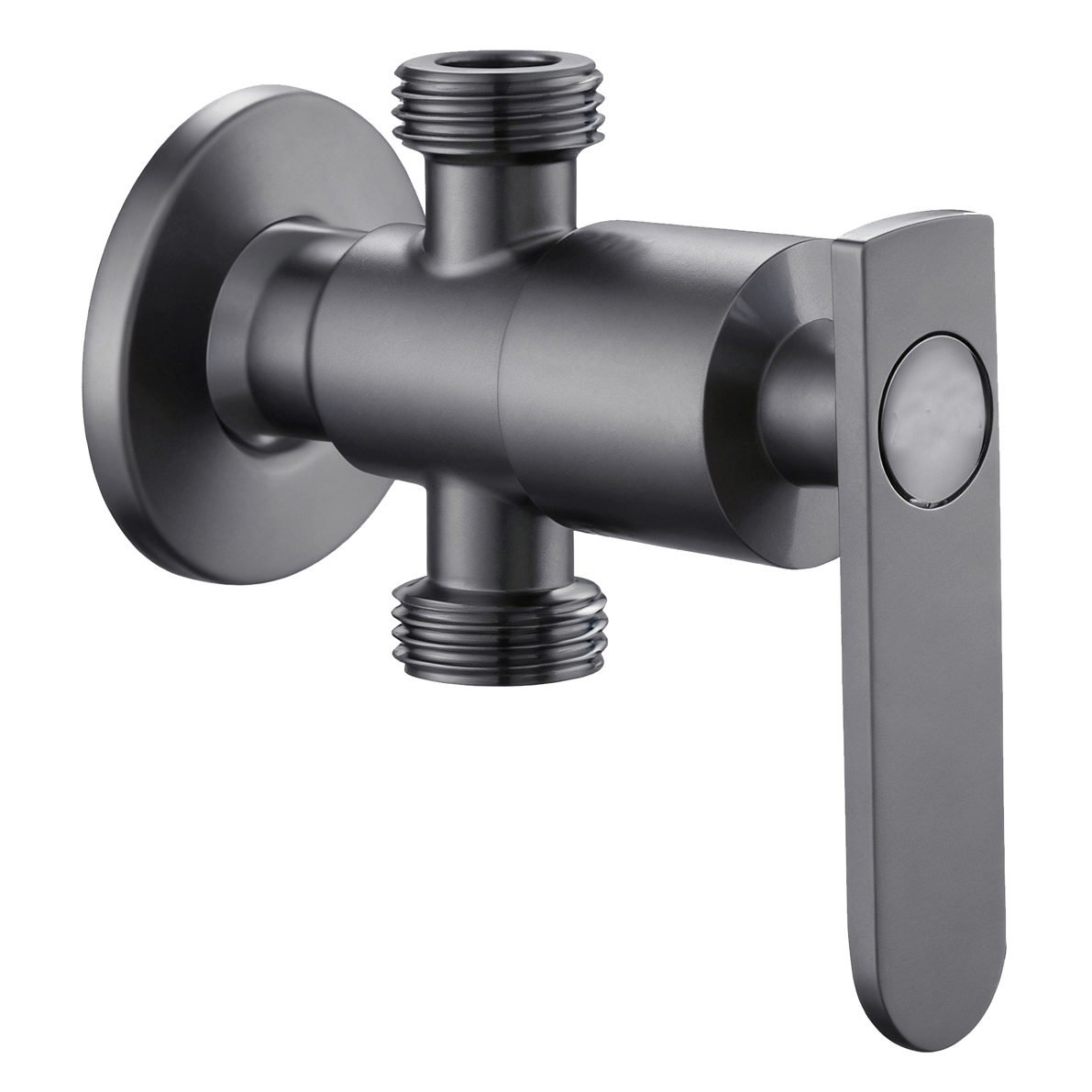



YOROOW described a pull-out kitchen faucet developed for a double-bowl sink in a published project case for the Brazilian market. The company linked the faucet’s reach and movement to the practical needs of the sink. This case shows how a specific usage scenario can become a set of design requirements.
As Nan’an expands its overseas trade activities, this process deserves more attention. In April 2026, the Nan’an municipal government reported on a building materials and home products promotion held during an international exhibition in Moscow.
Regional trade activities give factory teams opportunities to meet distributors and installers. However, feedback collected at exhibitions must reach the design team before it can become part of product development.
A customer might say, “We need the faucet to reach the second sink bowl.”
This sounds like a clear requirement, but several technical questions remain. Where is the mounting hole in relation to the two bowls? How much space is available beneath the sink? Could cabinet partitions or drainpipes obstruct the hose?
Simply extending the hose may not solve the installation problem.
What Market Information Does a Custom Faucet Manufacturer Need?
An installation photograph becomes more useful when it includes dimensions and identifies potential obstructions.
Similarly, a sample from a distributor can provide valuable design information. The distributor should explain which features need to remain unchanged and which require modification.
A practical faucet design brief should define three essential points:
-
What the faucet needs to do during use.
-
What installation space and conditions it must accommodate.
-
How the buyer will evaluate and approve the sample.
Some requirements may only involve adjustments to an existing configuration. Others may affect the faucet body, mounting structure, or internal layout. These changes require a more detailed development assessment.
Separating these requirements helps buyers understand the scope of customization.
For example, a minor appearance change may affect tooling or assembly. In contrast, packaging modifications follow a different approval process.
YOROOW’s development and packaging FAQs explain that customers can provide drawings, samples, and design files.
Buyers can also share installation information and details about their sales channels. This gives the factory a clearer understanding of the intended application beyond appearance requirements.
Test the Faucet Sample in Its Intended Application
Sample testing should reproduce the original usage scenario as closely as possible.
For a double-bowl sink, the evaluation should check whether the spray head reaches the required areas. It should also confirm that the hose moves along the intended path and returns without obstruction.
The installation instructions must match the actual configuration under evaluation.
Each test record should identify the sample version. If the design requires further adjustments, the team should retain the issues found during the previous test.
The next sample can then be evaluated against the same requirements.
This process turns feedback from a distributor into a development decision that both parties can verify.
It also prevents the original design requirement from changing meaning as information moves between the overseas market and the factory.