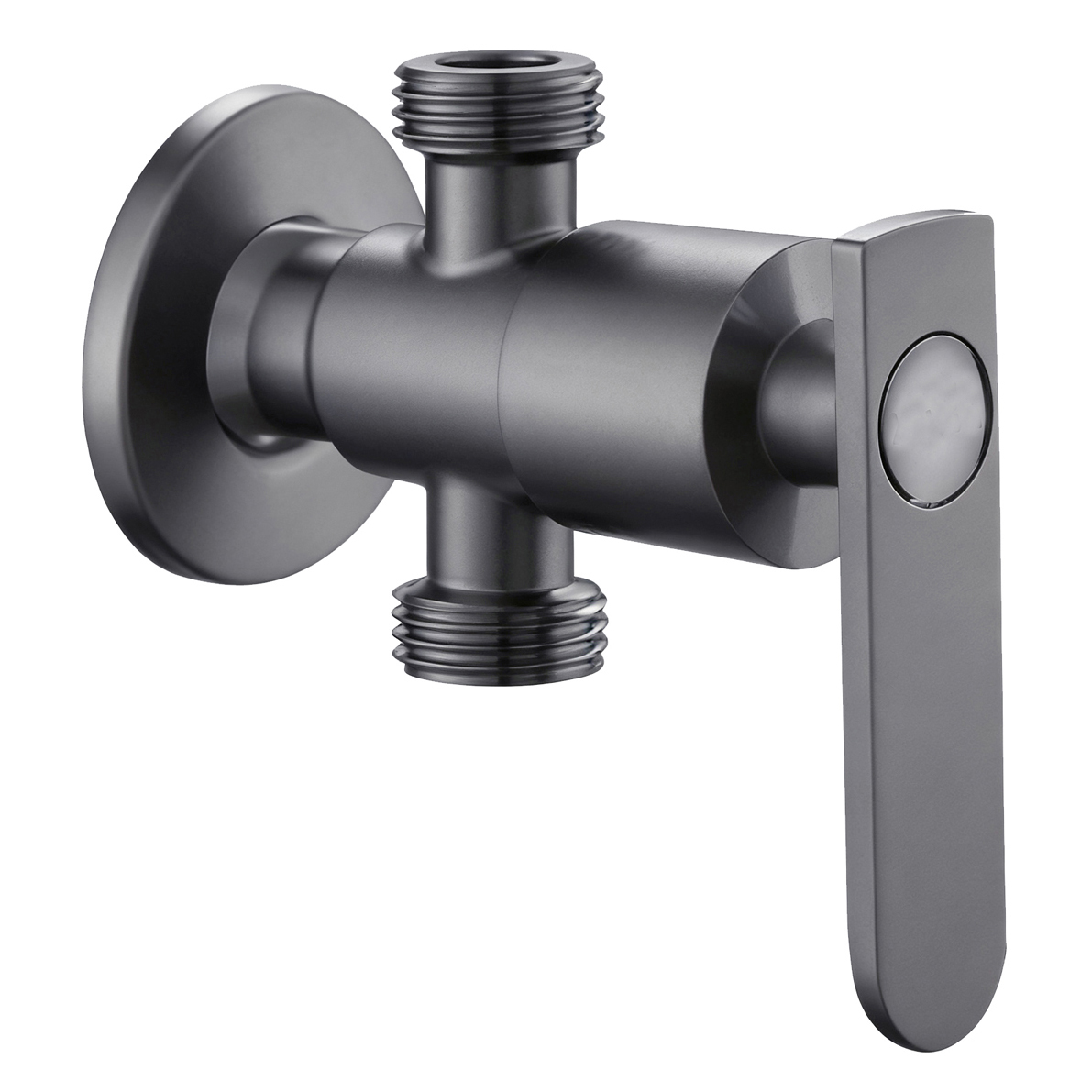




Adding another outlet looks like an obvious functional upgrade.
For a Double Outlet Water Tap, however, the important question is not whether shoppers can see that the product has two outlets.
They need to understand what each outlet actually does.
This determines whether a 2-Way design works as an easy-to-understand retail feature or needs additional explanation.
Two Outlets Need a Clear Functional Relationship
One outlet may provide water for normal use.
The second may connect to a washing machine, hose, or another device.
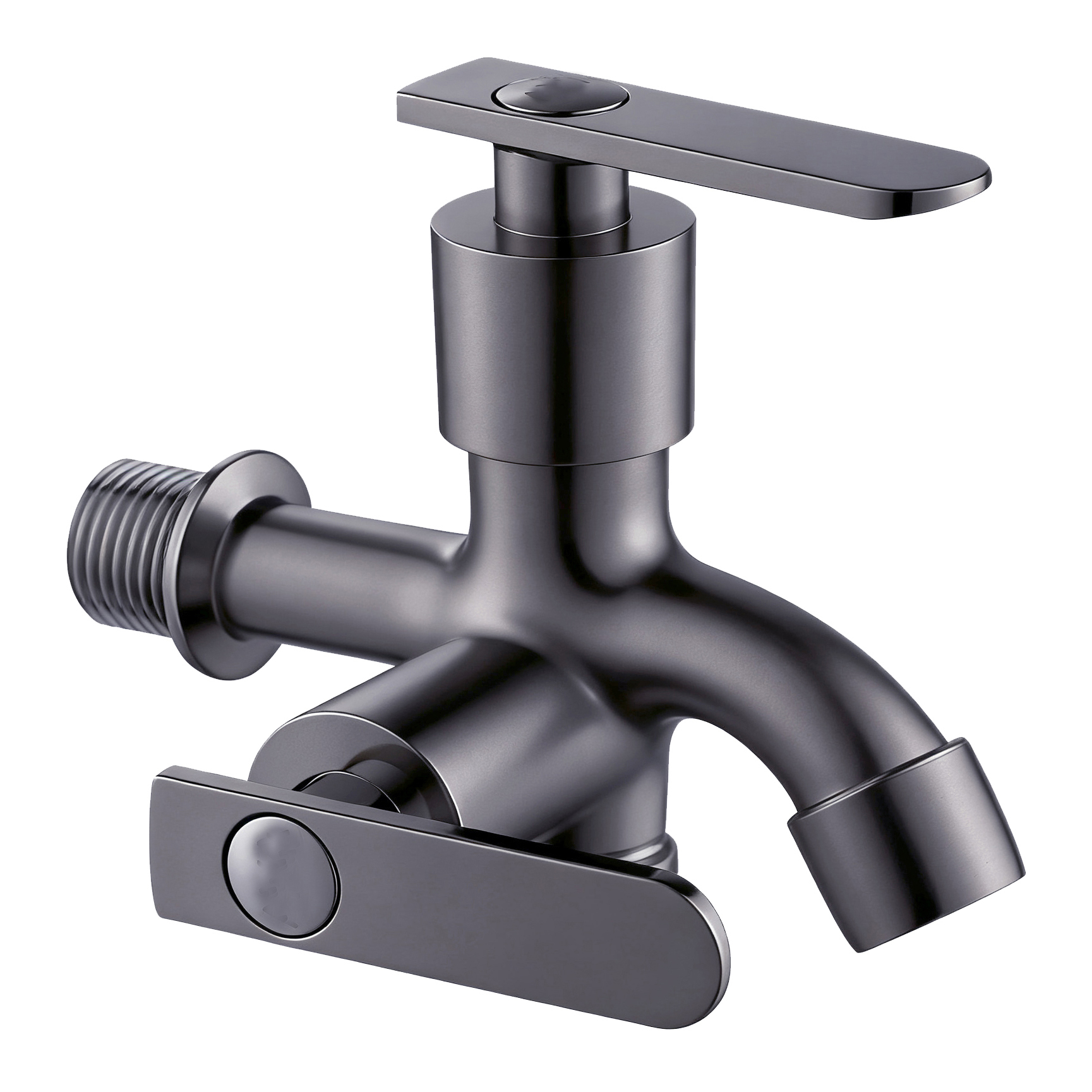
If the product clearly separates the two connection directions, shoppers may understand the intended use simply by looking at it.
The situation becomes less clear when both outlets look similar.
A 2 outlet water tap may then raise several questions.
Can both outlets operate at the same time?
Does each outlet have its own control?
What should connect to the second outlet?
The term Double Outlet Water Tap can also cover different internal flow arrangements.
On one design, a single handle may control both outlets.
Another product may allow independent control.
A third design may use one outlet specifically for a certain type of hose connection.
A simple flow diagram can make these differences much clearer.
Arrows can show the inlet, both outlets, and what happens when the user operates each control.
The product specification should also identify the thread or connection size for each outlet.
If there are limits on how an outlet can be configured, the technical information should state them clearly.
Many shoppers choose this type of product because they want to connect two different applications, such as a washing machine and a cleaning hose.
The packaging should therefore answer a basic question:
Can the two outlets operate independently?
This provides more useful information than adding more terms such as “2-Way,” “Double,” or “Dual” to the product name.
The connection specifications also need separate confirmation.
Retail information should follow the actual product structure rather than using “2-Way” as a complete description.
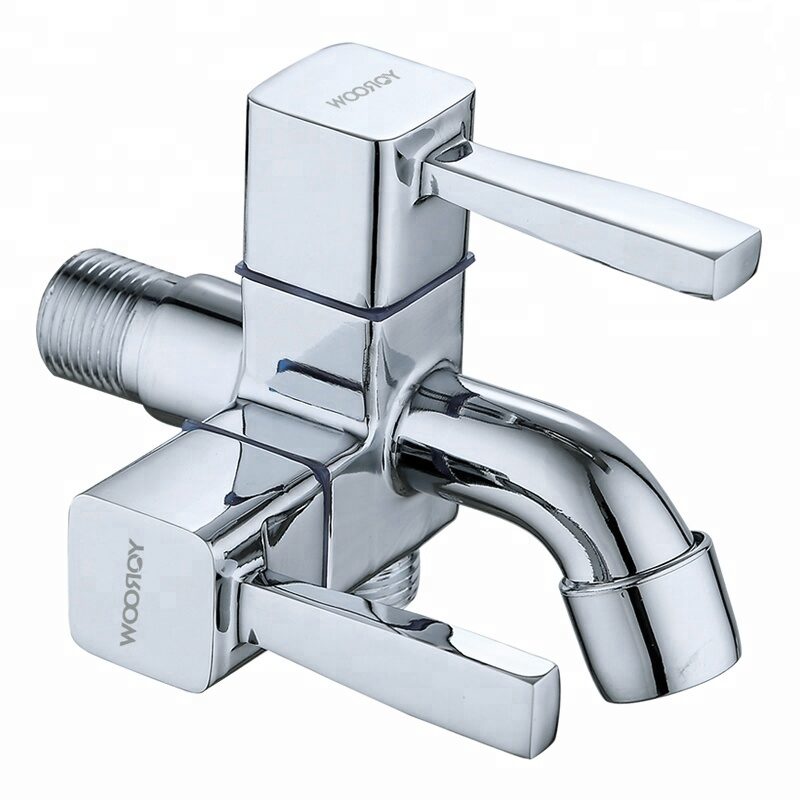
A Physical Sample Can Explain the Flow Structure Clearly
This type of product does not always need a complicated working demonstration.
The main task is to explain the relationship between the connections.
A physical sample with simple arrows can identify the two outlets, their controls, and typical connection directions.
If the packaging allows shoppers to see the actual product, the structure itself may explain much of the function.
Suppose the retail message says:
One outlet for a hose + one outlet for a washing machine.
The product image should then include a clear close-up of the actual connections.
If the two outlets use different sizes, each one should have its own specification.
One general “1/2 inch” label should not describe both connections unless both are actually the same.
This also gives retailers a simple way to evaluate a new product.
After seeing the Double Outlet Water Tap, can shoppers quickly explain the difference between the two outlets?
If they can, the function is probably easy to understand.
If the product requires a long paragraph before shoppers understand the flow path, the problem may not be the shopper.
The product structure, packaging information, or functional naming may not clearly match the actual operation.
The retail value of a double-outlet design comes from a practical capability:
one product can serve two clearly defined connection needs.
The product information should make the relationship between those two connections just as clear.