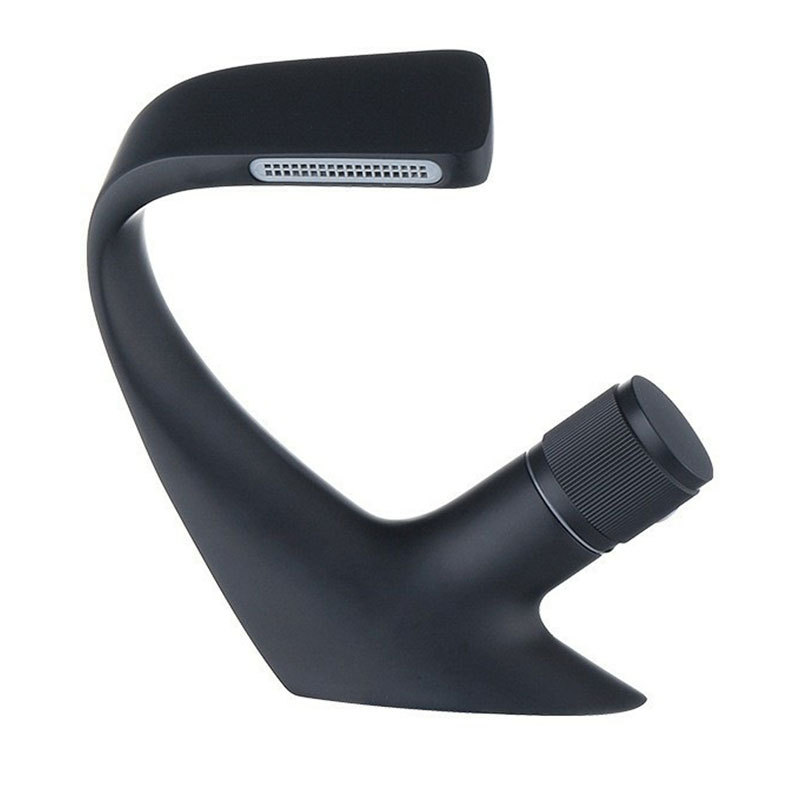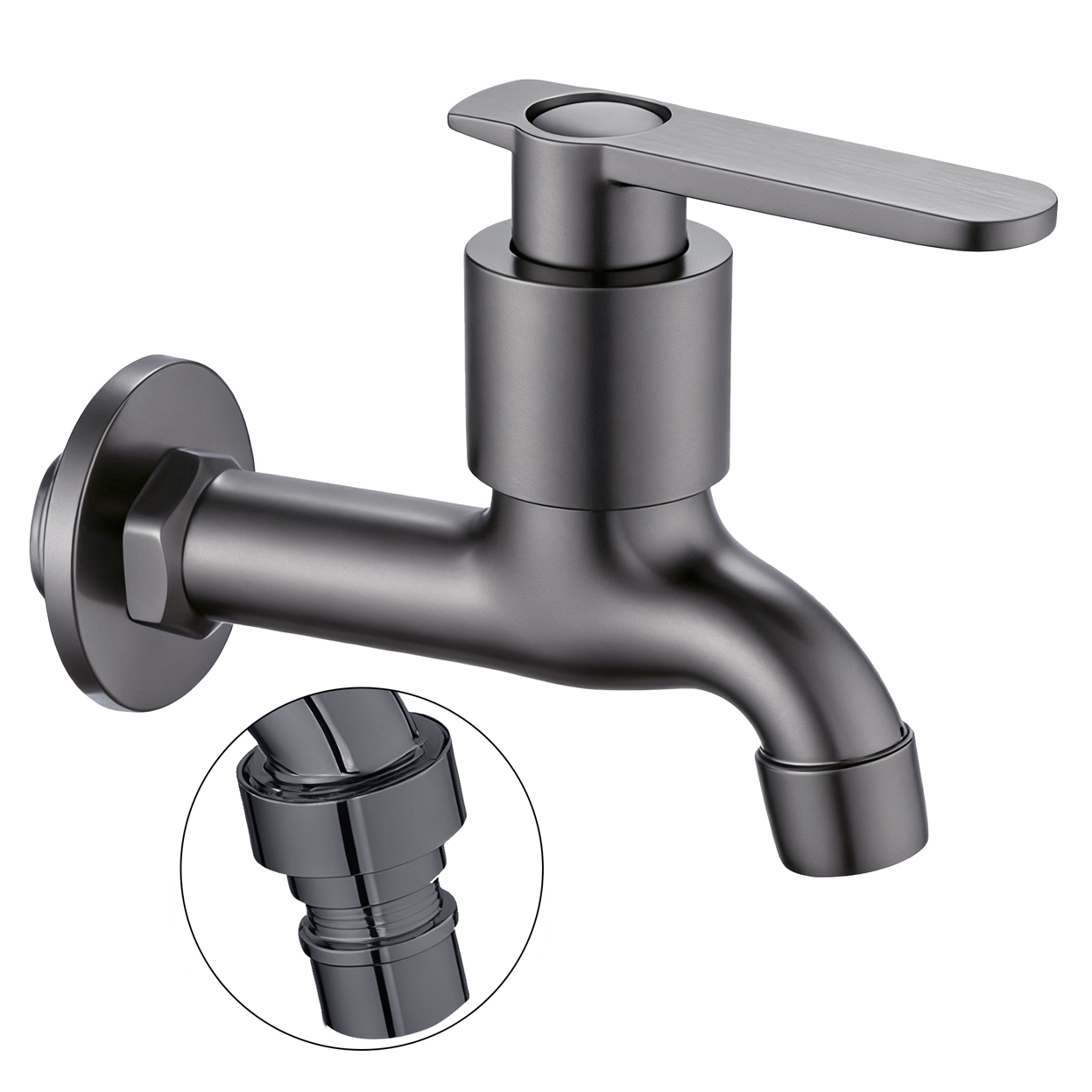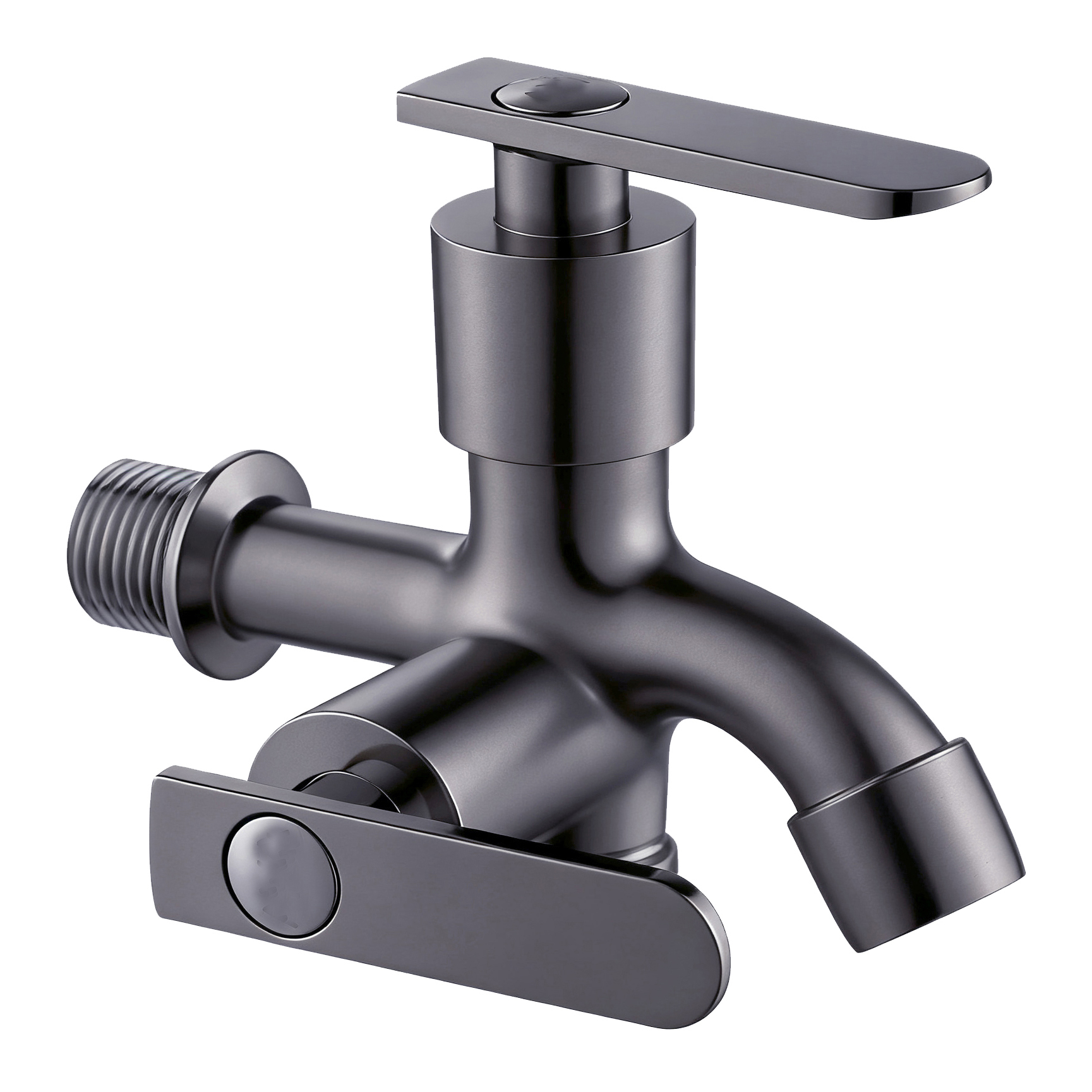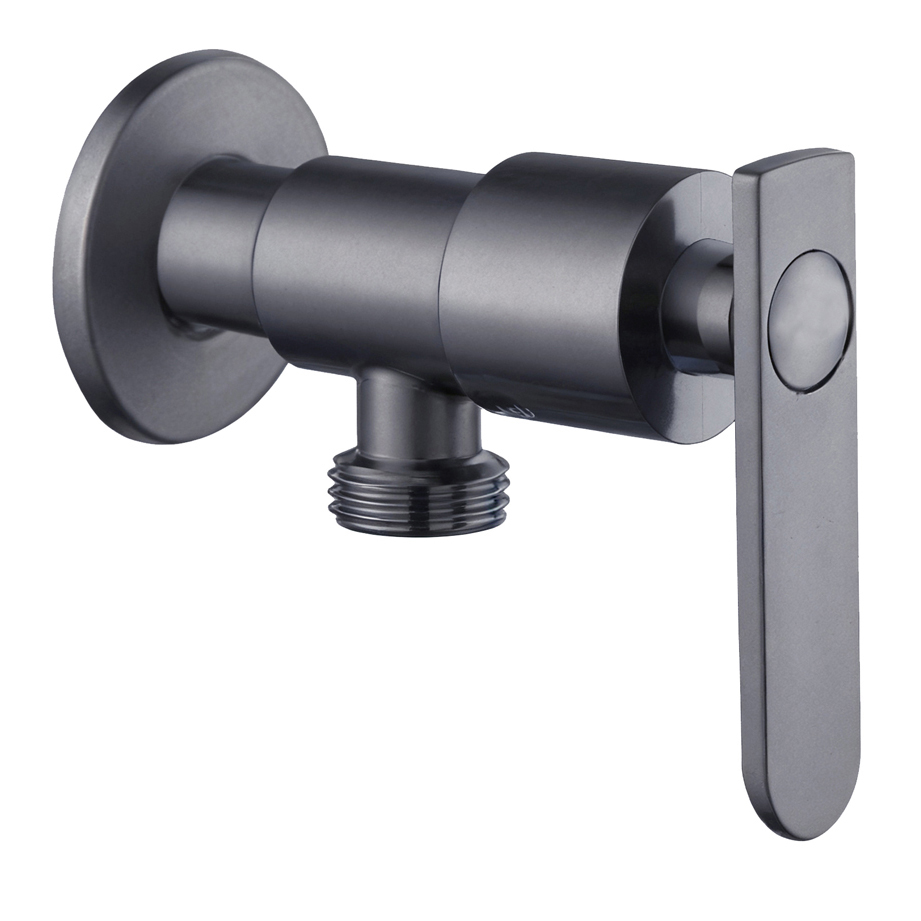




Launching a complete Faucet Product Line in an untested market may look like thorough preparation. However, it also creates greater SKU, inventory and market-assumption risks.
For Canada Kitchen Faucet products, a more practical first step is not to assume what the entire Canadian market needs.
Instead, combine market data, product specifications and a Limited SKU Test. This approach can help identify which product assumptions deserve further investment.
The Canadian Market Cannot Be Judged by One National Figure
CMHC data for July 2026 reported 18,834 actual Housing Starts in Canadian centres with populations of 10,000 or more. This represented a 19% year-over-year decline. From January through July 2026, housing starts reached 131,851 units, down 4% year over year.
However, the results were not consistent across provinces or housing types.
Some regions recorded year-over-year growth, while others showed significant declines.
Housing Construction Data can therefore provide useful context about the current residential construction environment. It cannot directly prove that demand for Canada Kitchen Faucet products will rise or fall.
Before making a larger product investment, macro data works better as a way to understand the market environment and define the level of testing risk.
It should not replace actual product validation.
The First SKUs Should Test Different Assumptions
The purpose of a Limited SKU Test is not simply to make the catalog smaller.
Each test SKU should answer a specific question.
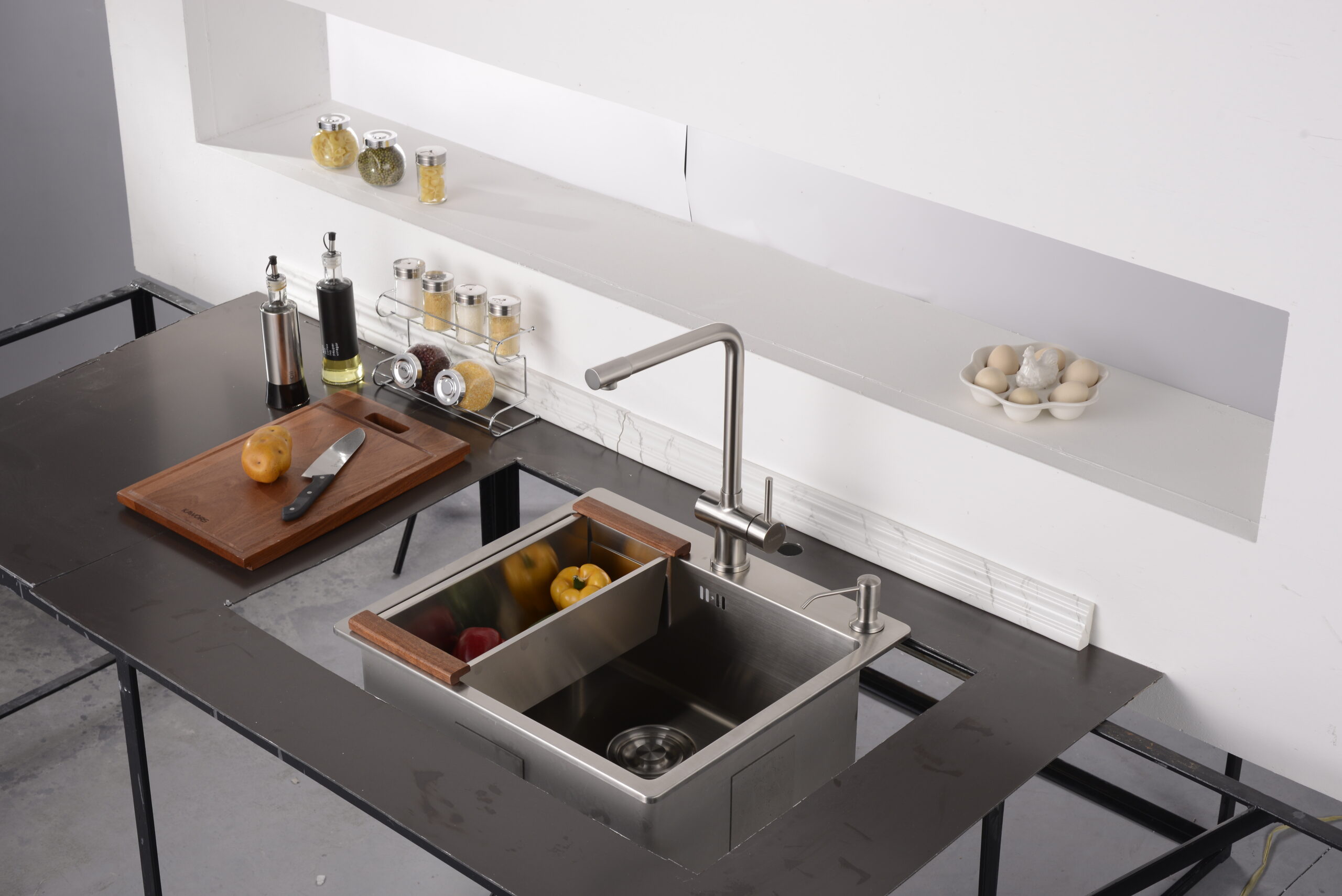
A limited product mix can help compare acceptance at different price levels. It can also test basic configurations against functional upgrades, evaluate feedback on different Finishes, and show which Kitchen Faucets are more likely to generate follow-up orders.
In this way, the first inventory batch does more than sell products. It tests specific Market Assumptions.
The test does not need a large number of SKUs. What matters is having clear differences between them.
Testing only one canada kitchen faucet is also insufficient. If one model performs poorly, the cause could be price, design, function, Finish or the sales channel itself.
One product result cannot represent the entire market.
Canada’s 2026 Flow Requirements Need to Be Part of the Market Test
The Canadian market also has an important regulatory change to consider.
Canada’s federal Energy Efficiency Regulations introduce new flow requirements for relevant Faucets manufactured on or after July 1, 2026.
For Kitchen Faucets covered by the regulations, the maximum flow rate is 7.0 L/min (1.8 US gpm) at a test pressure of 414 kPa (60 psi). Eligible products may also provide a temporary flow of up to 8.5 L/min (2.2 US gpm).
This means the first Canada Kitchen Faucet test should not focus only on color, price and function.
During product confirmation, the manufacturing date, flow specification, test method and relevant compliance documentation also need review.
A product needs to meet two conditions at the same time: it should make sense for the channel test and meet the applicable requirements of the target market.
Use Channel Feedback to Decide the Second Stage of Expansion
After the first market test, sales alone should not determine the next step.
Several signals provide more useful information.
Which SKUs continue to generate actual orders? Which products receive inquiries but fail to convert into purchases? Which configurations frequently require changes? Which models begin to generate Reorders?
These signals can help determine whether the next stage should expand core SKUs, introduce another product tier or keep the range limited.
For Canada Kitchen Faucet, a more controlled path is:
Market Background → Compliance Check → Limited SKU Test → Channel Feedback → Reorder Evidence → Product Line Expansion
A full product-line expansion should come after market requirements and real product feedback become clearer, not before the market test begins.
References
CMHC — Housing Starts and Construction Data for July 2026
Natural Resources Canada — Faucets: Energy Efficiency Regulations
Canada Gazette — Regulations Amending the Energy Efficiency Regulations, 2016 (Amendment 18)