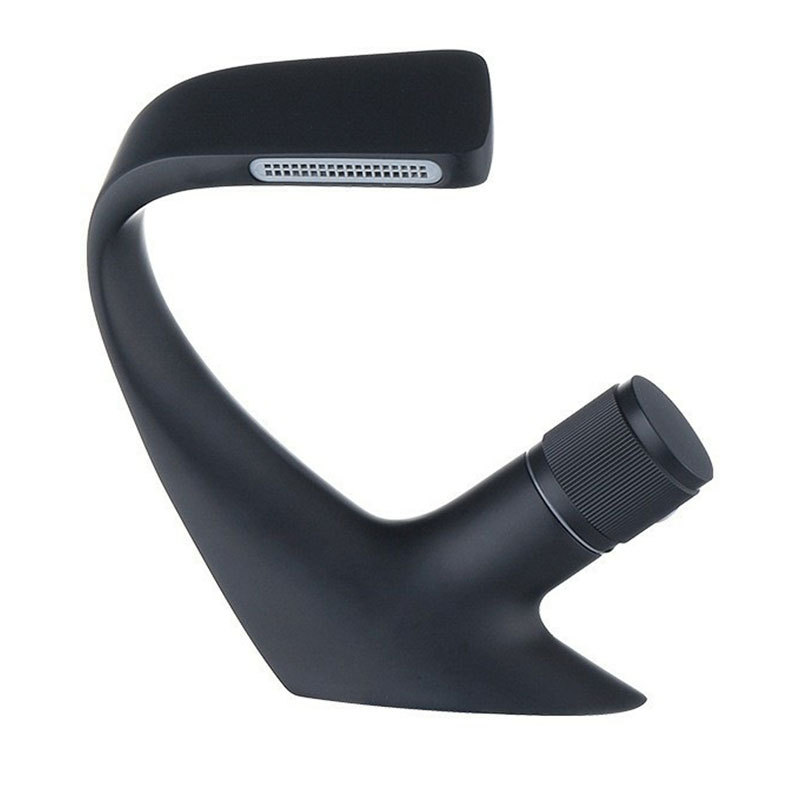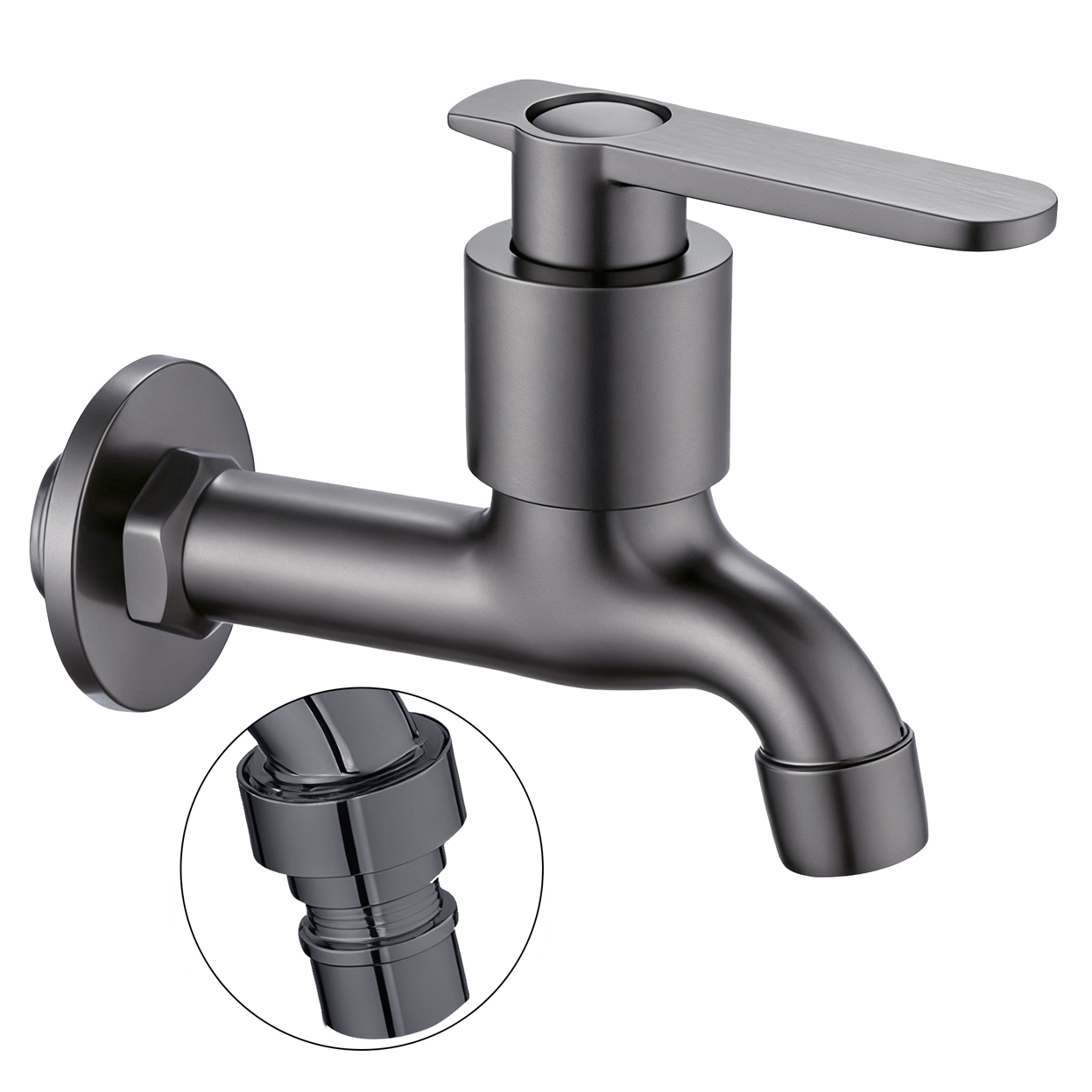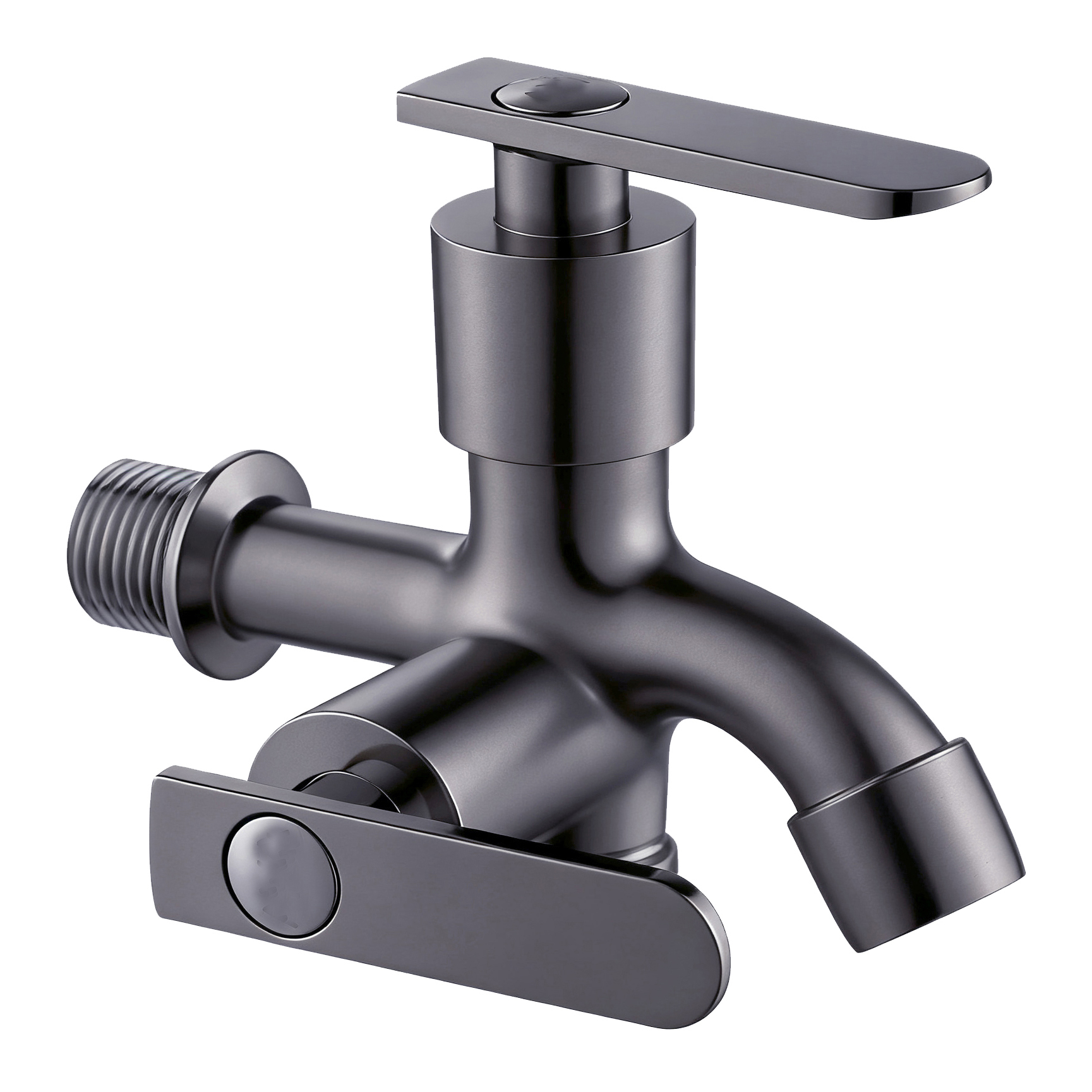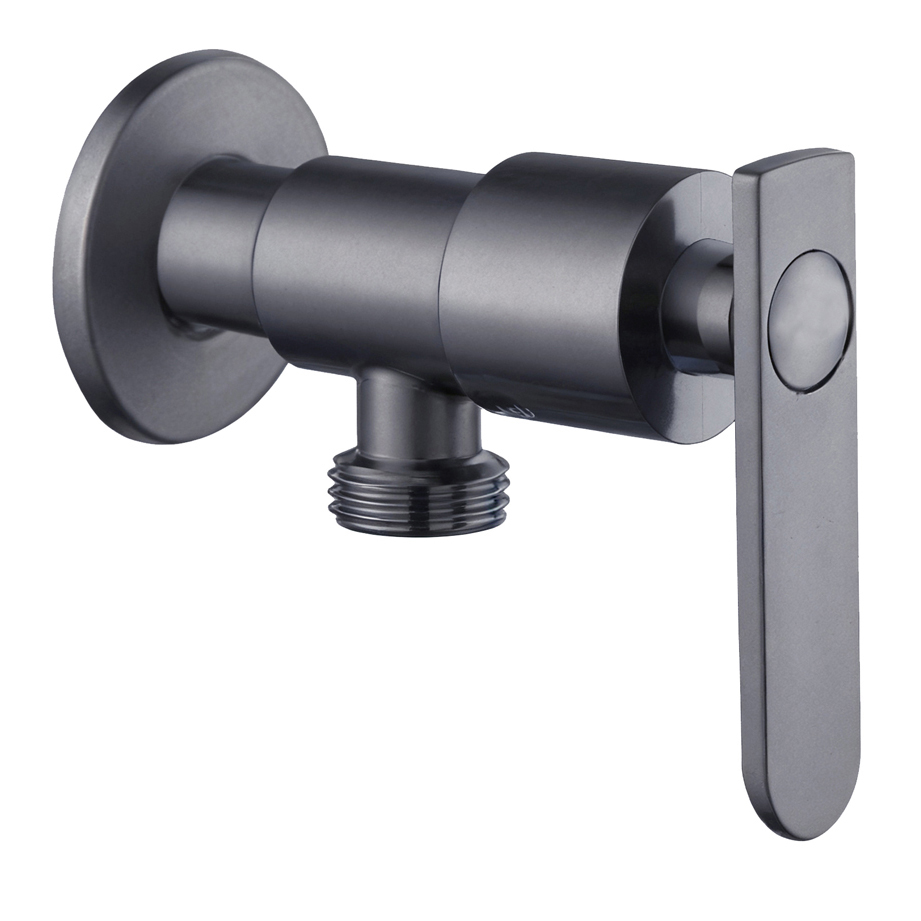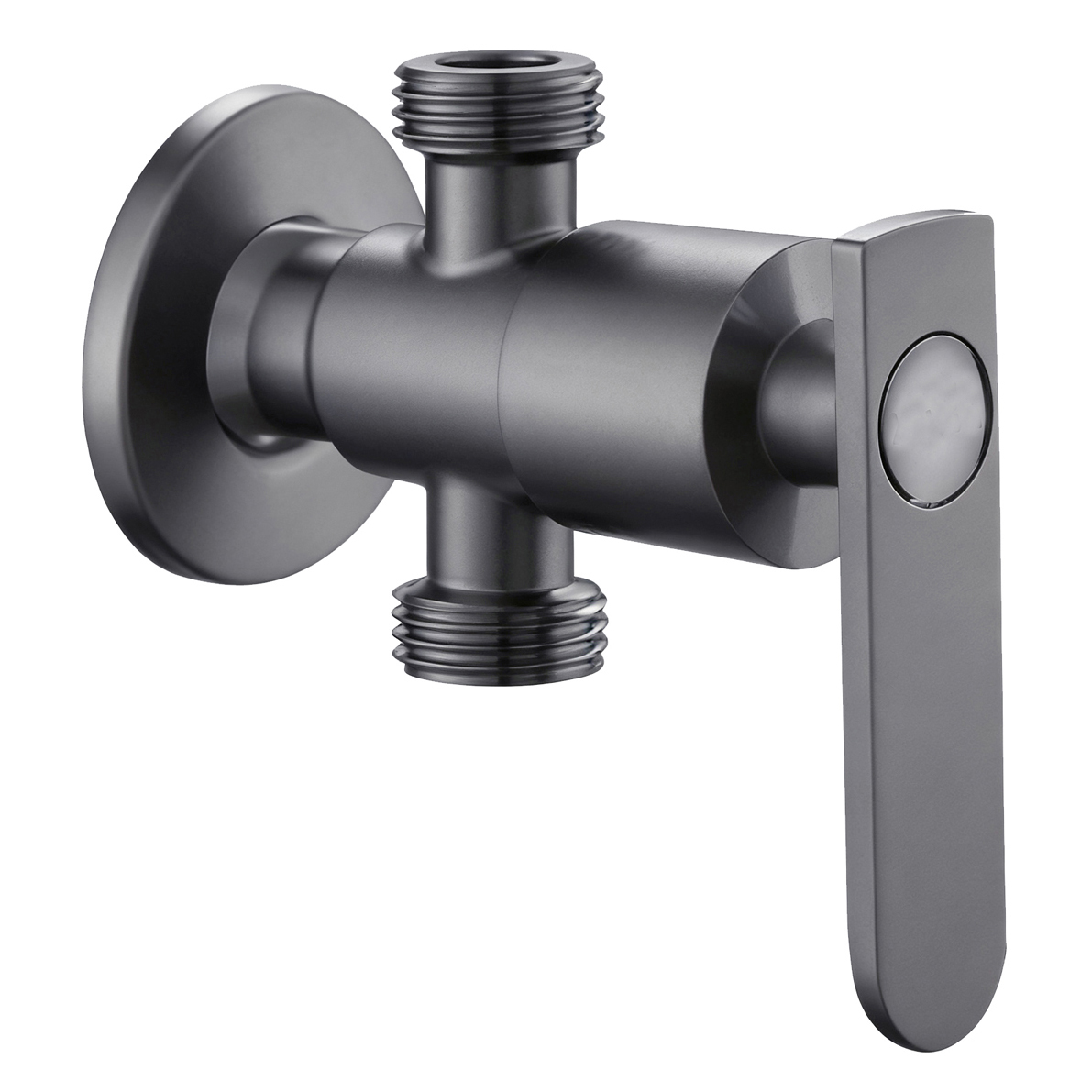




In a distributor’s catalog, standard bibcocks, washing-machine taps, hose-connected products, and outdoor water taps may appear on the same page. Their shapes can look similar, but that does not mean they have the same application or connection requirements.
Before asking a bibcock manufacturer for a quotation, it is better to define the intended use first. The next step is to confirm the inlet, outlet, operating method, accessories, and application conditions.
This makes the quotation easier to compare because each price is tied to a clearly defined product configuration.
“Standard” is not a technical specification. Even a simple water tap still needs clear information about its material, connections, sealing, application, and included components.
For wholesale distribution, the goal is not simply to add more similar products to the catalog. It is to make each model easy to select, identify, quote, sell, and reorder correctly.
Start With the Water-Use Task, Not the Product Photo
A useful first step is to group candidate products by what the customer needs them to do.
For example:
- direct water outlet;
- connection to an appliance;
- hose connection; and
- outdoor installation.
The purpose of this classification is not to force every product into one category. Some models may support more than one application. What matters is that the applicable uses are clearly documented.
A direct water outlet may require attention to installation position, outlet direction, and operating space.
An appliance connection requires confirmation of the equipment interface and water supply conditions.
A hose-connected product needs its connection type and intended use to be clear.
An outdoor installation adds environmental and local installation conditions that may not apply to an indoor product.
When comparing wholesale bibcock taps, start with the use case and then determine which models are needed for each category. This is more useful than selecting products only by handle shape, finish, or overall size.
Record Inlet and Outlet Connections Separately
A water tap can have different connection requirements at the inlet and outlet.
For purchasing purposes, these should be recorded separately rather than reduced to one nominal size.
The product specification may need to identify:
- inlet connection;
- outlet connection;
- thread type;
- nominal size;
- connection direction; and
- included adapters or connectors.
If a set includes a hose connector, adapter, or other accessory, the quotation should state whether it is included or supplied separately.
Product photos should also match the actual package contents. Showing an accessory in a product image without explaining that it is not included can create confusion at the sales and fulfillment stages.
When selecting a bibcock supplier China buyers can provide the connection information of the equipment or installation they need to support. A suitable supplier should then be able to explain the relationship between the proposed model and the application.
If the connection is unclear, it should be confirmed from a specification or drawing rather than guessed from a product photo.
| Use Case | Confirm Before Quotation | Product Information to Show |
|---|---|---|
| Direct water outlet | Installation position, outlet direction, operating space | Dimensions, application, connection |
| Equipment connection | Equipment interface and water supply conditions | Compatible range and included accessories |
| Hose connection | Both connections, intended use, required protection | Connector type, limitations, protection requirements |
| Outdoor installation | Local environment and installation conditions | Verified application and maintenance requirements |
A Hose Connection Changes the Application Conditions
A hose connection introduces more than a different outlet fitting.
The buyer should also understand how the hose will be used and whether the application creates additional water-system risks.
Watts discusses hose-connected equipment as an example of a potential cross-connection situation and distinguishes conditions such as backsiphonage and backpressure. This illustrates why a buyer should not treat a hose connection as only a mechanical fitting issue. The required backflow protection also depends on the actual application and local requirements.
A particular backflow device should not automatically be assumed to cover every pressure or usage condition.
For this reason, a hose bib manufacturer should receive enough information about the intended application to identify the appropriate product configuration. Local professionals should confirm requirements that depend on the installation environment or local plumbing rules.
Product pages and packaging should also avoid statements such as “suitable for all hoses” or “suitable for all outdoor applications” unless the product has actually been evaluated for that scope.
“Outdoor” Does Not Automatically Mean Freeze-Proof
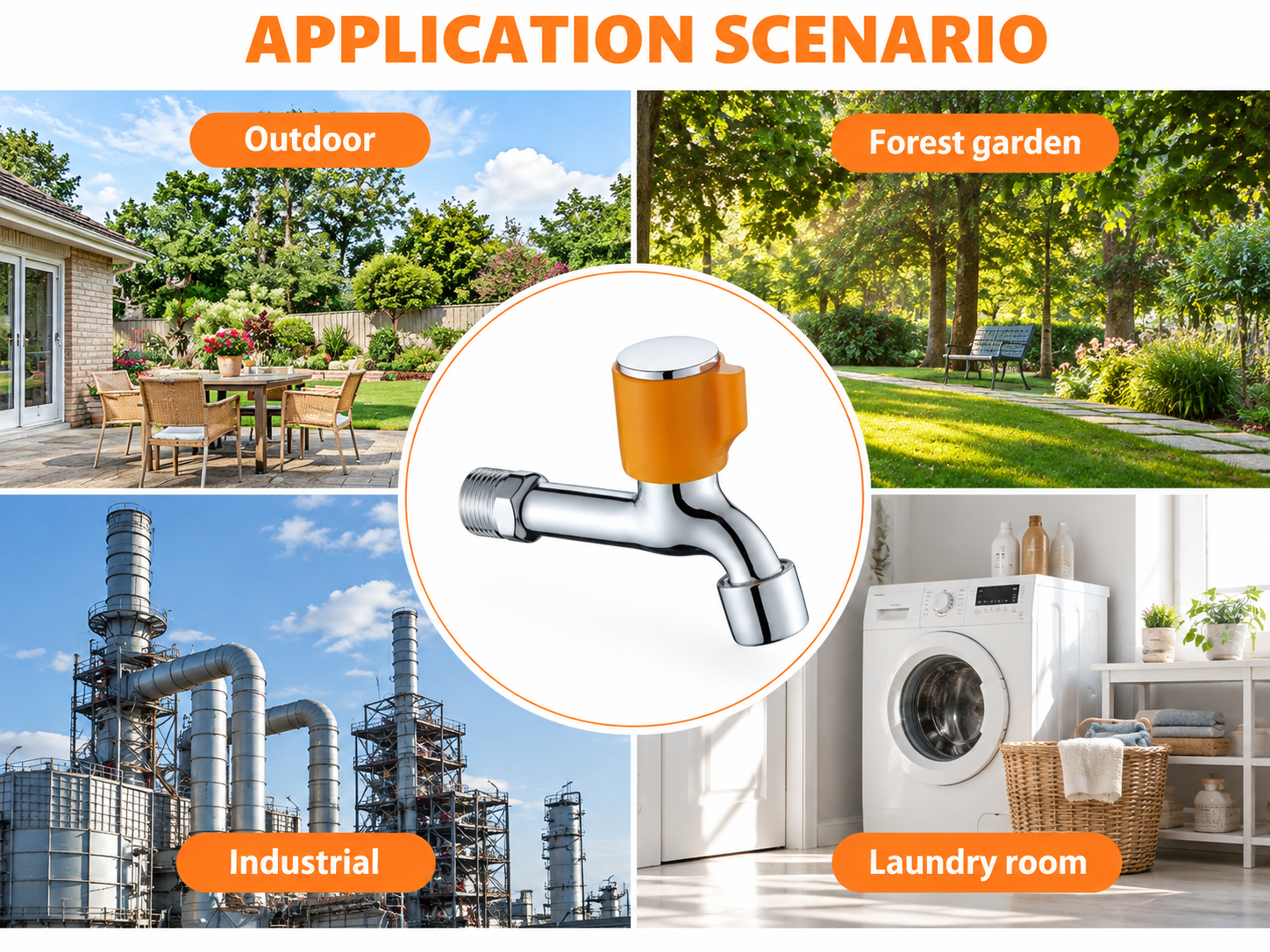
An outdoor water tap may be exposed to rain, sunlight, cleaning, low temperatures, or other environmental conditions.
These conditions do not automatically give a product a special technical function.
For example:
Outdoor installation ≠ freeze-proof design
If a product is intended to provide freeze protection or another specific function, the claim should be supported by the product design, applicable installation conditions, and relevant documentation.
The buyer should therefore provide the intended sales region and installation conditions when discussing an outdoor model.
This is particularly important when a product will be sold across markets with different climates.
The same principle applies to other application claims. Material type, finish, or the presence of one compliant component does not by itself prove that the complete faucet is suitable for every drinking-water, outdoor, or other specialized application.
Check the Product in Its Actual Installation Space
The operating part of a bibcock should be considered together with its installation environment.
A handle may look suitable in a catalog image but become difficult to operate when the faucet is installed close to a wall, appliance, pipe, or another fixture.
A sample can therefore be evaluated in the intended installation position or a clearly defined simulation.
The check can include:
- handle movement;
- available operating space;
- access to the connection;
- hose clearance; and
- interference with nearby equipment.
If a product is advertised with a special operating function, that function should also be clearly defined and supported by the product information.
The broader the product description, the more important it becomes to connect the claim to a specific model and configuration.
Match Inspection to the Product Configuration
The inspection requirements for a wholesale bibcock should follow the actual product structure and application.
For the product itself, the buyer may need to verify:
- correct model and configuration;
- correct inlet and outlet connections;
- included accessories;
- appearance and finish;
- relevant sealing points; and
- the functions required for the intended application.
The inspection method should correspond to the item being checked.
An air test, water test, visual inspection, or functional check each provides different evidence. One successful inspection should not automatically be presented as proof of every other requirement.
The same principle applies to similar-looking models.
If two products share almost the same appearance but use different outlet connections or accessories, the warehouse should have a clear way to distinguish them.
A quality product in the wrong package is still a fulfillment problem.
Give the Channel a Product Selection Card
Once the product configuration is confirmed, the same information should be easy for sales staff and customers to understand.
A simple product selection card can show:
- intended use;
- inlet and outlet connections;
- key dimensions;
- included accessories;
- installation conditions; and
- any important limitations.
Clear diagrams can make connection differences easier to recognize than product photos alone.
The information should also make clear what the product is not intended for when that limitation matters.
This helps store staff answer practical questions without guessing.
Different language versions can use local product terminology, but the model and configuration identity should remain consistent. A translation should not make a product’s application sound broader than the original specification.
Returns can also provide useful feedback.
If products are frequently returned because customers selected the wrong connection, misunderstood the application, or expected an accessory that was not included, the solution may not always be a manufacturing change.
The product description, selection card, packaging, or SKU structure may need to be improved instead.
Keep the Configuration at Order Level
When a bibcock is sold together with adapters, hose connectors, or other accessories, the complete combination should have a traceable configuration.
Single-item inventory and kit inventory can be managed separately, but the final packing check should confirm the actual contents of the ordered configuration.
An unavailable accessory should not be replaced with a visually similar component without approval.
This is especially important for wholesale orders containing several similar models.
For a trial order, a distributor may start with a limited number of clearly defined applications and collect feedback from the sales channel. If customers repeatedly ask for a different connection or accessory combination, the distributor can then decide whether a new SKU is justified.
Adding many small variations before there is a clear channel need can make inventory and product identification more complicated without solving a real customer problem.
The objective is not to stock every bibcock that looks slightly different.
It is to build a product range in which each model has a clear use, connection, configuration, and sales identity.
That makes wholesale purchasing easier to compare and makes the same product easier to sell, pack, inspect, and reorder.