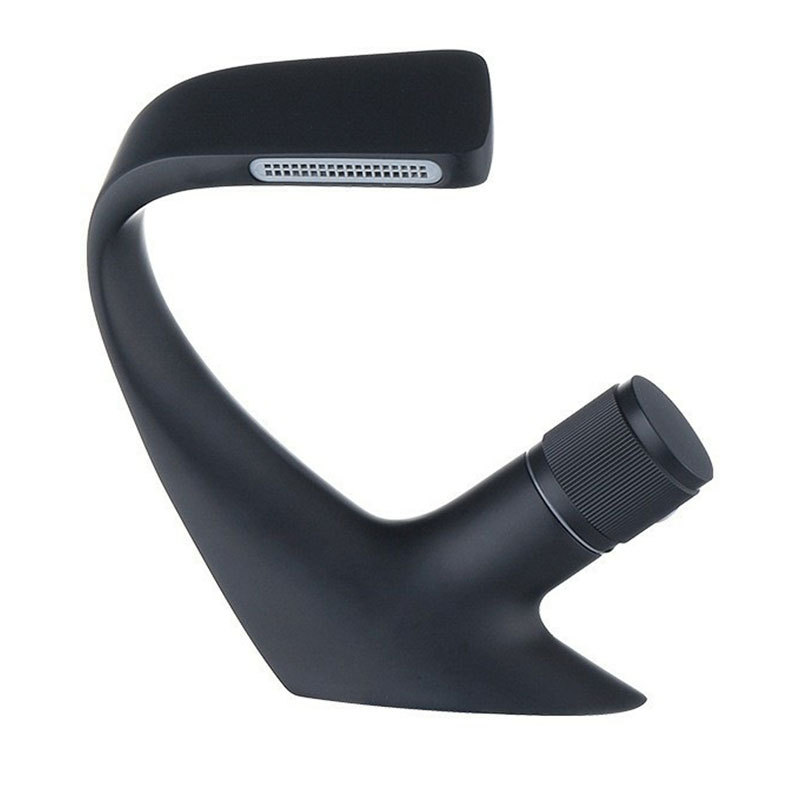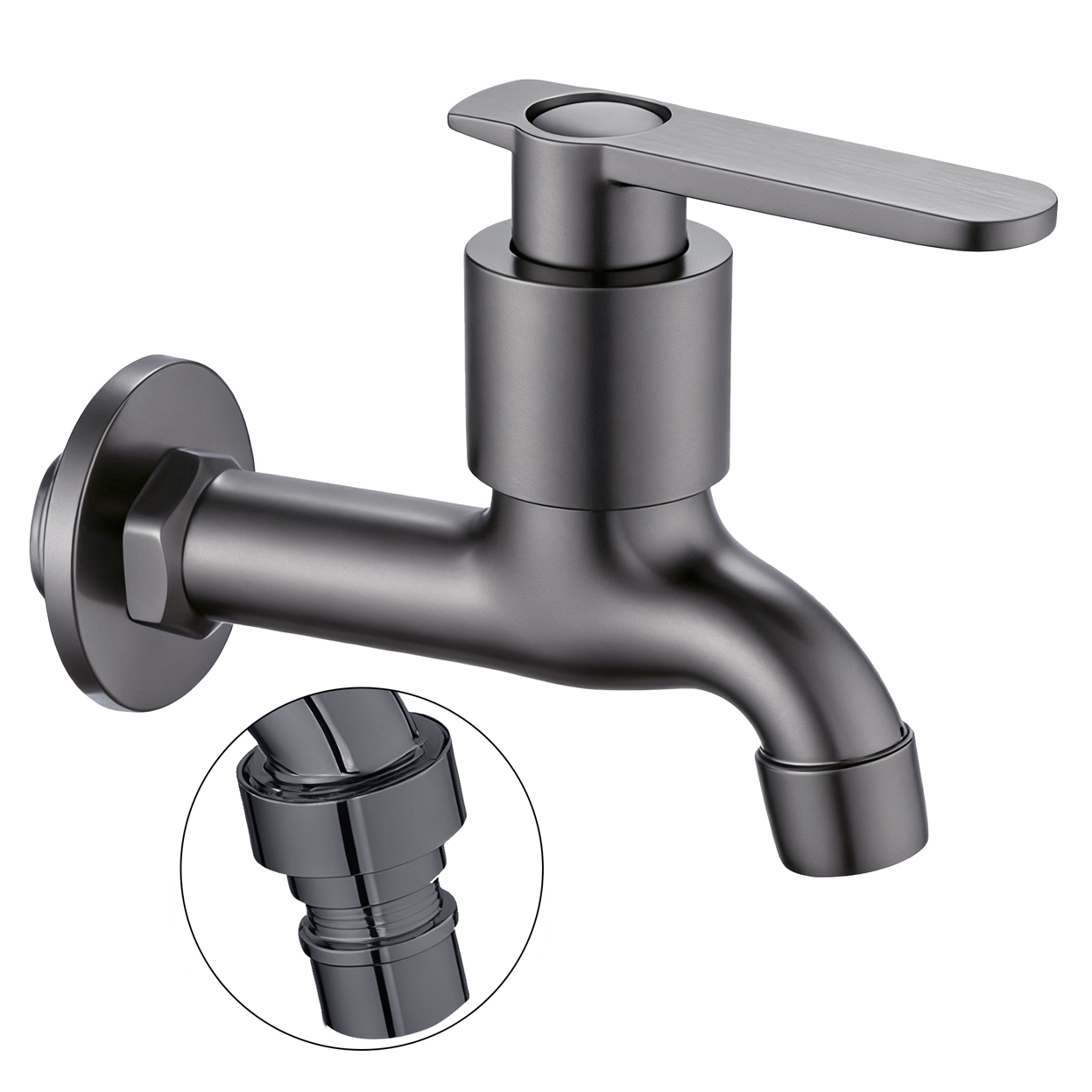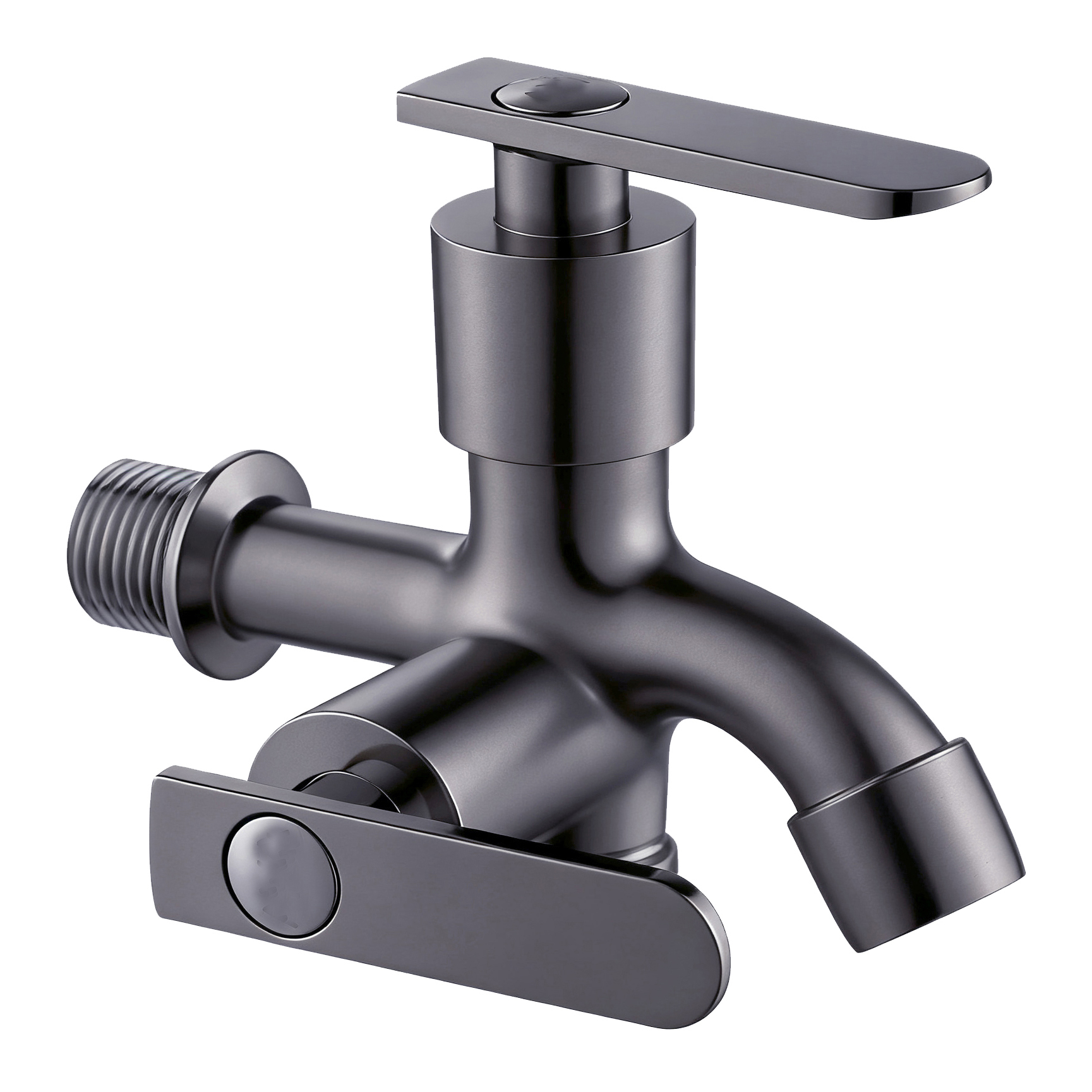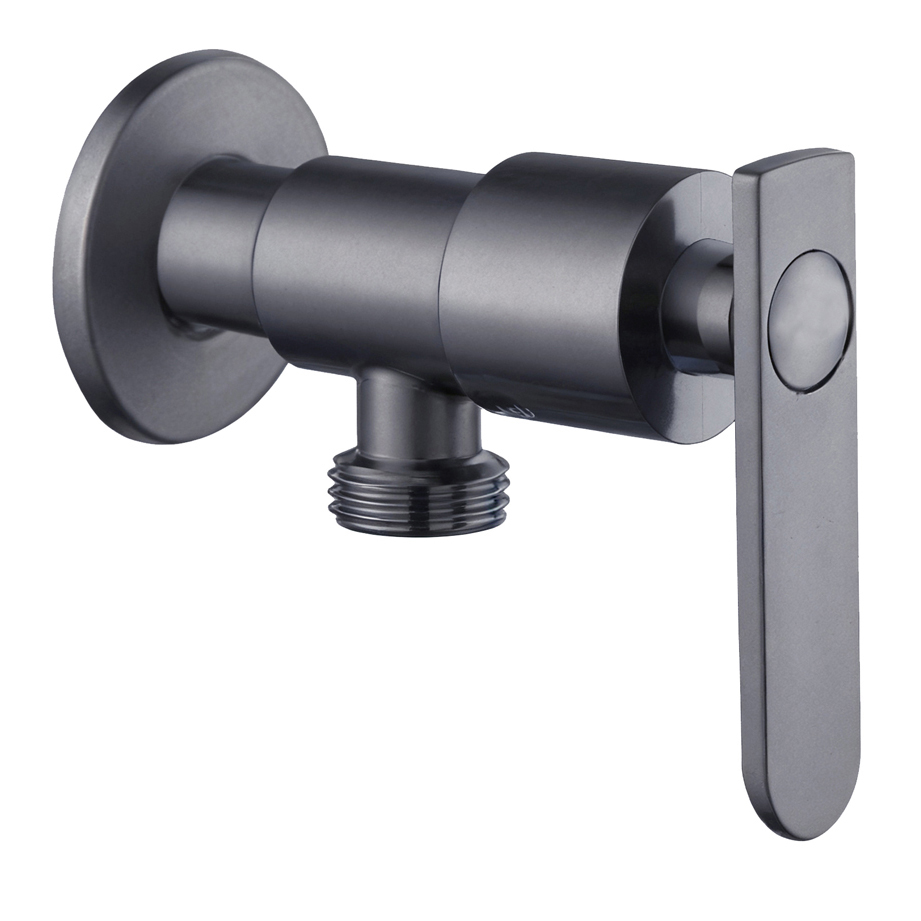




Selecting faucets for public shower areas is not simply a matter of buying residential products in larger quantities.
What really changes the selection logic is High-Use. The same product will be operated frequently by many different users, while future maintenance should minimize disruption to public facility operations.
Public Shower Faucets Should Prioritize High-Frequency Operating Components
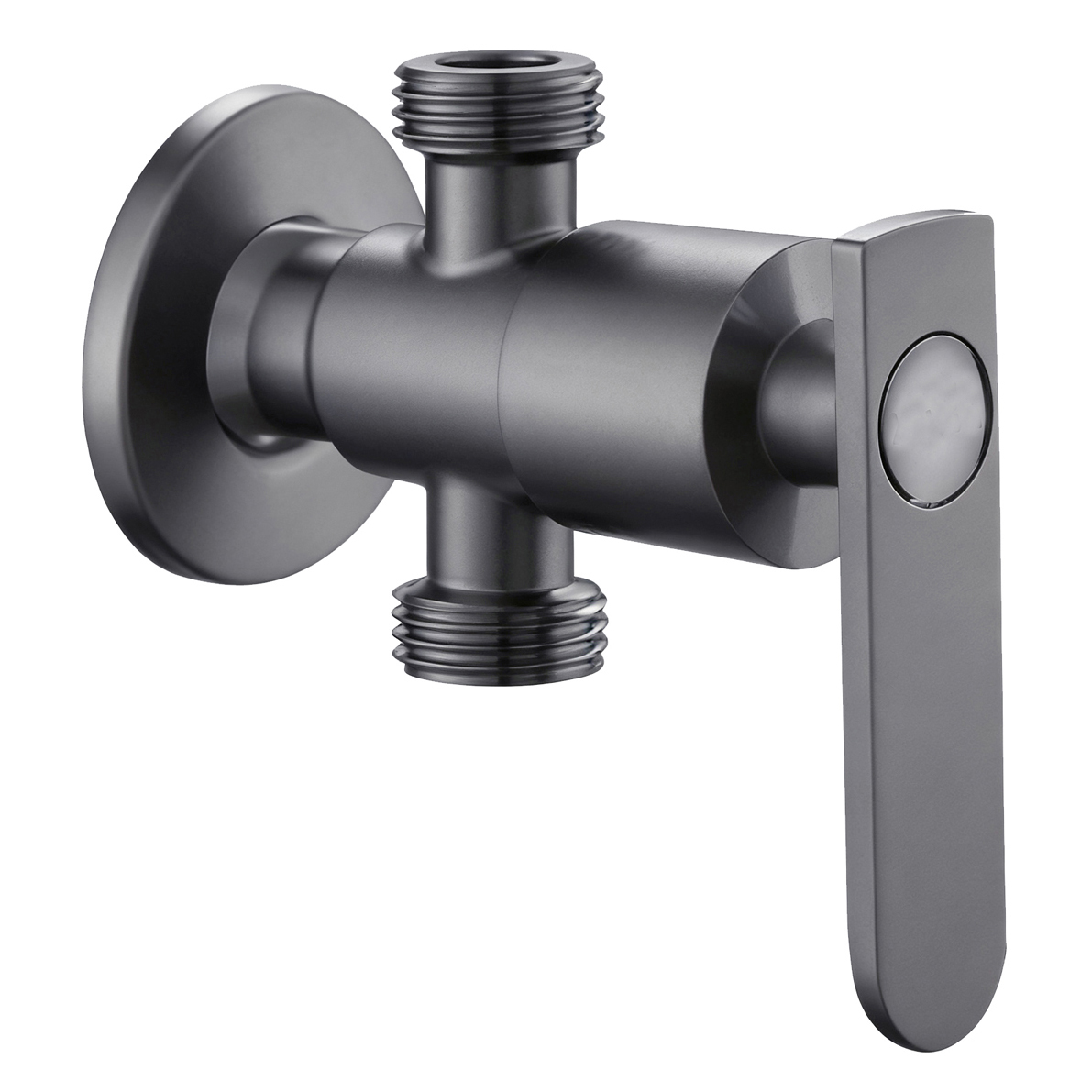
For a Public Shower Faucet, handles, control components, diverter mechanisms, and other frequently moving parts experience more repeated operation than they would in a low-use environment.
Product selection therefore should not focus only on appearance or the number of functions.
It is more important to consider:
Is the core operation straightforward?
Are frequently moving components suitable for long-term repeated use?
Is the control logic easy to understand?
Are additional complex functions actually necessary?
In a public-use environment, a product with more buttons or switching functions is not automatically more suitable than a basic design.
If an added function does not solve a clear need but introduces more moving components and operating steps, it also creates more parts that may require future maintenance.
The number of functions should therefore serve actual public-use requirements rather than become a selection goal by itself.
Maintenance Access Should Be Considered Before Purchasing
When a faucet in a public area requires maintenance, the issue involves more than the price of a replacement part.
It may also involve fault diagnosis, disassembly, replacement, and restoring the facility to normal use.
For a public bath faucet, buyers should therefore consider:
Can common maintenance components be replaced individually?
Are internal components easy to identify?
Will Spare Parts remain available?
Does maintenance require extensive disassembly?
The more difficult a structure is to maintain, the more easily a small fault can become a larger operational issue.
This also means that two Public Shower Faucets with similar appearances and prices may offer different long-term value.
If one product requires complete removal after a common failure while another allows frequently serviced components to be replaced individually, they are not equivalent solutions for a public-use environment.
Finish Should Also Match the Actual Use Environment
In a high-use public environment, Finish is more than a design choice.
Cleaning frequency, user contact, and actual maintenance methods can all affect long-term surface performance.
Finish selection should therefore consider the real environment and cleaning conditions rather than simply choosing the most visually striking option.
This becomes especially important when a public facility installs a large number of identical products. Finish evaluation should go beyond how one faucet looks when new and consider whether the overall appearance can remain reasonably consistent after long-term use.
This differs from the selection logic for a single residential product.
Flow Requirements and Shower Experience Cannot Be Judged by One Number Alone
If a Public Shower Faucet configuration includes a Showerhead, flow rate also becomes part of product selection.
The U.S. EPA WaterSense program sets a maximum flow rate of 2.0 gpm for WaterSense-labeled Showerheads. Its performance requirements also consider factors such as spray coverage and spray performance rather than flow rate alone.
This provides a useful principle for public showers:
Low flow alone does not fully represent user experience.
If the product is intended for an applicable market or project, buyers should consider the relevant flow requirements, actual water supply conditions, and spray performance together.
It is not enough to assume that:
Lower flow = better for public projects.
For public facilities, water-saving goals and actual shower performance need to work within the same product specification.
High-Use Should Change Selection Priorities, Not Simply Add More Specifications
The goal when selecting a Public Shower Faucet is not to find the product with the most functions.
The more important questions are:
Will the faucet remain easy to operate after frequent use?
Can common maintenance tasks be completed easily?
Will the correct Spare Parts remain available?
Is the Finish suitable for the actual cleaning environment?
Can the applicable flow and performance requirements be met?
These are the factors that truly distinguish High-Use Public Shower selection from ordinary residential faucet selection.