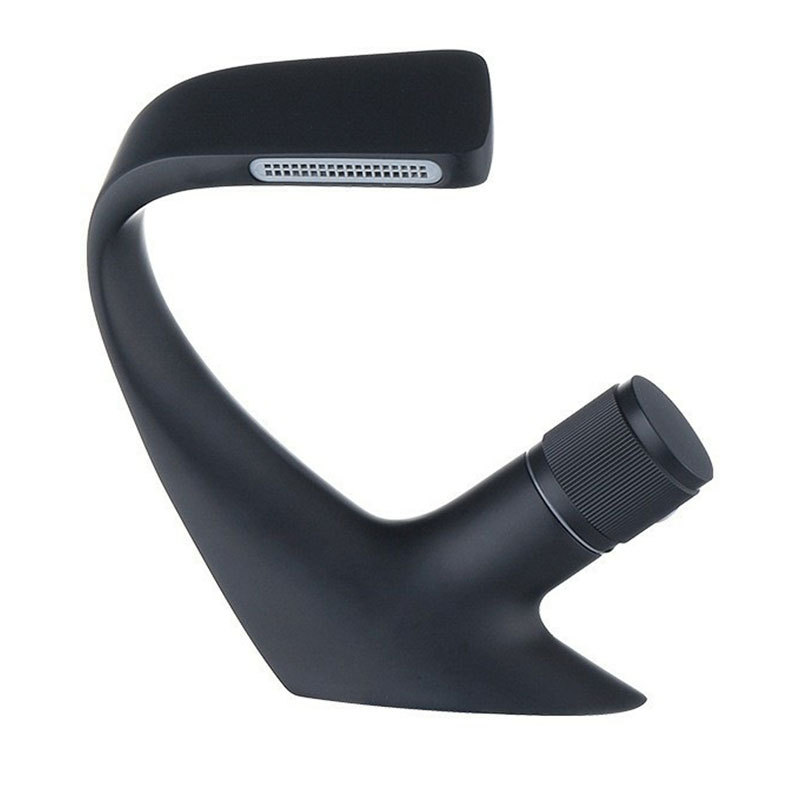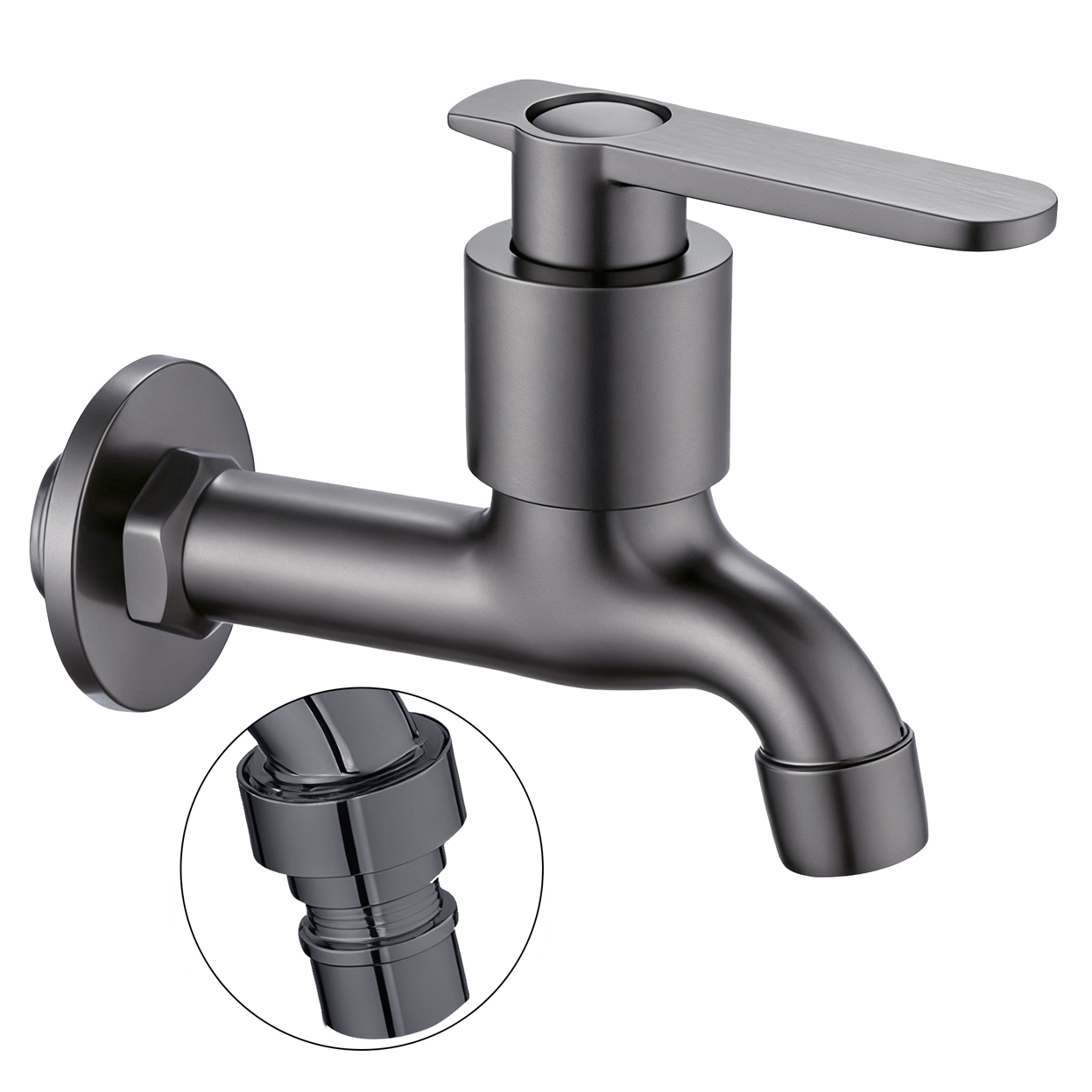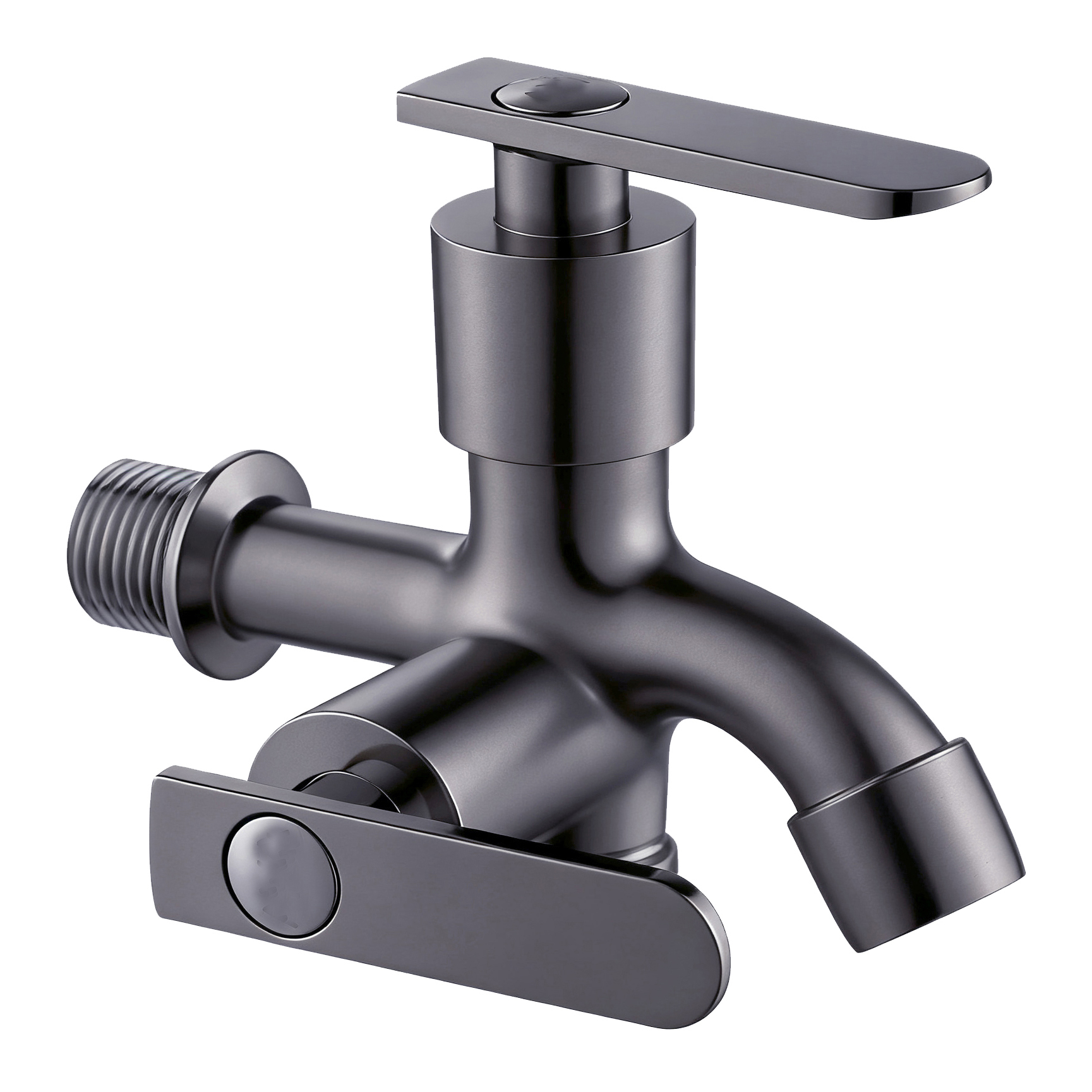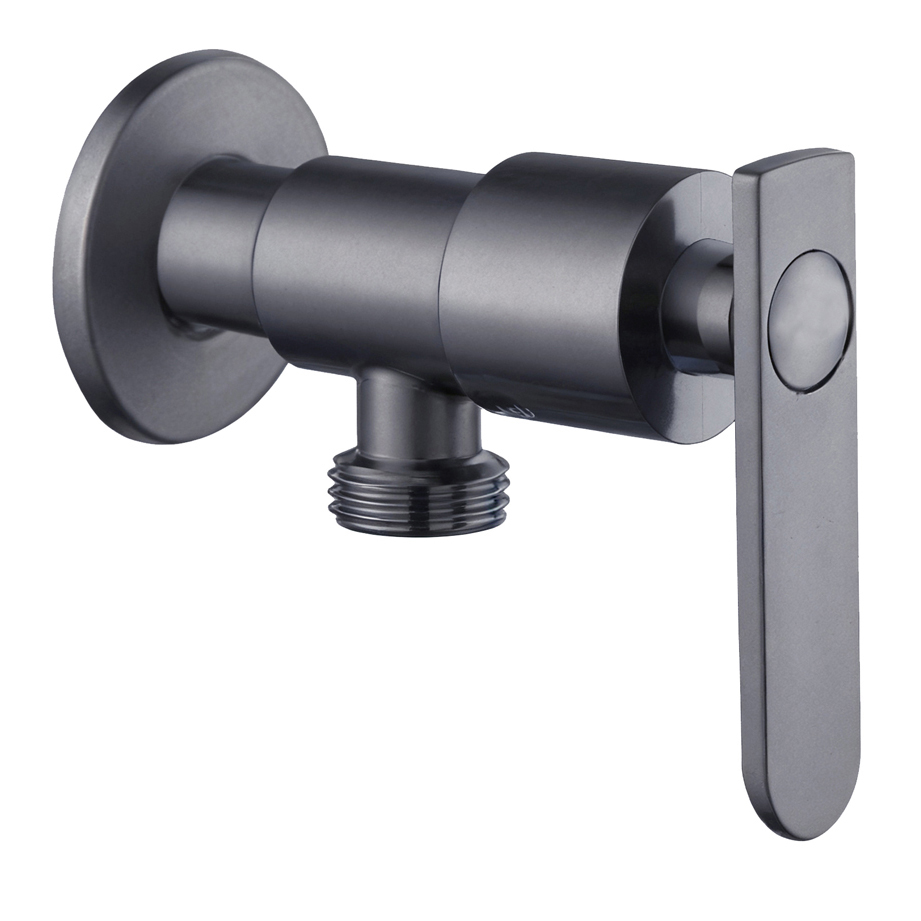




When changing the material of a faucet, material price is usually the easiest factor to compare.
But a Material Change rarely affects purchasing cost alone.
Once the main body material changes, the product structure, manufacturing method, weight, surface treatment, performance and final positioning may change with it.
Material options therefore cannot be compared only by calculating the cost per kilogram.
A Plastic Basin Faucet Is Not Simply a Metal Faucet Made From Another Material
Take a Plastic Basin Faucet as an example.
If a product uses plastic or PVC as a primary material, it should be designed and evaluated around the characteristics of that material from the beginning.
It should not be treated simply as a metal Basin Faucet with a different material name.
For example, the forming method and structural design of a pvc basin faucet may differ from those of a metal-body faucet.
This can affect body wall thickness, connection structures, component combinations and manufacturing methods.
Material Decision is therefore first a product-structure decision and only then a material-price decision.
Even when Plastic and Metal faucets have similar external shapes, it should not be assumed that only the body material has changed.
The more useful comparison is how each material creates a complete product structure.
Cost Changes Come From the Entire Manufacturing Solution
A material change can also alter the manufacturing route.
Comparing raw material prices alone may miss differences in forming, machining, surface treatment, assembly and supporting components.
For a plastic wash basin tap, the more useful cost comparison is the complete manufacturing solution required to produce a finished, saleable faucet.
This is why a lower raw-material price does not necessarily translate into the same percentage reduction in finished-product cost.
Conversely, a different material may change the overall cost structure because it enables a different manufacturing process.
When evaluating Material Change, it is therefore more useful to compare the combined effect of:
raw material + product structure + manufacturing method + supporting components + post-processing
on the final product cost.
Performance Needs to Be Evaluated by Component and Application
Material selection should also be tied to the intended use of the product.
A plastic basin pillar tap operates within specific installation, handling and use conditions.
Whether a material is suitable depends on the role it performs in that product structure rather than whether the material is broadly described as “high-end” or “low-end.”
The main body, connections, load-bearing areas and internal components perform different jobs and may therefore have different material requirements.
In some cases, the better solution is not to change the material of the entire Faucet, but to change only specific critical components.
For this reason, the BOM usually provides more useful information than a single “Body Material” field.
When comparing Plastic, Zinc Alloy or Brass alternatives, for example, it is useful to confirm separately:
- the material of the main body;
- the structure around the cartridge installation area;
- the material of connection components;
- the configuration of the outlet section;
- whether installation components also need to change.
The complete structure can then be evaluated against the actual requirements of the product.
This is also why “Plastic Faucet” does not necessarily mean that every component in the product is plastic.
Likewise, the use of Brass or Zinc Alloy in the main body alone does not determine the performance of the complete faucet.
Material names are only one part of the BOM.
Material Change Also Requires Checking What Else Must Change
If an existing Basin Faucet is being converted to a different main-body material, the new material price is not the only point that should be confirmed.
The project should also check:
- whether the original structure can still be used;
- whether connection areas need to be redesigned;
- whether existing components remain compatible;
- whether the same Finish process can still be used;
- whether packaging or product weight changes significantly.
If several of these conditions change at the same time, the project is no longer dealing with a simple Material Substitution.
It is creating a new product solution.
This is particularly important in OEM/ODM development.
The more significant the material change, the less appropriate it is to update only the “Material” field in a quotation.
The complete BOM and final product specifications should be reviewed again.
Material Changes Can Ultimately Change Product Positioning
Product weight, tactile feel, Finish, visual appearance and user expectations all contribute to product positioning.
Plastic basin faucets and Basin Faucets made from other materials may therefore serve similar functions without necessarily belonging in exactly the same product position.
Material selection needs to remain consistent with the intended price level, application and overall product value.
This is one of the most important principles of Material Engineering:
the objective is not to find the “cheapest” or “best” material, but the material combination that fits the product structure, performance requirements, manufacturing method and positioning.
Only when these factors are considered together does the real cost and product impact of a material change become clear.