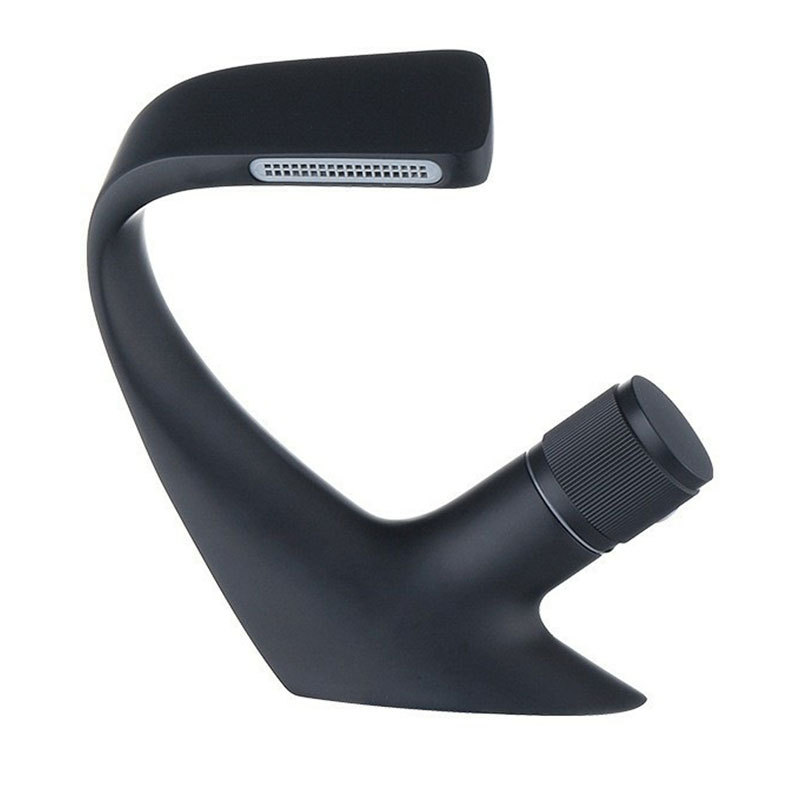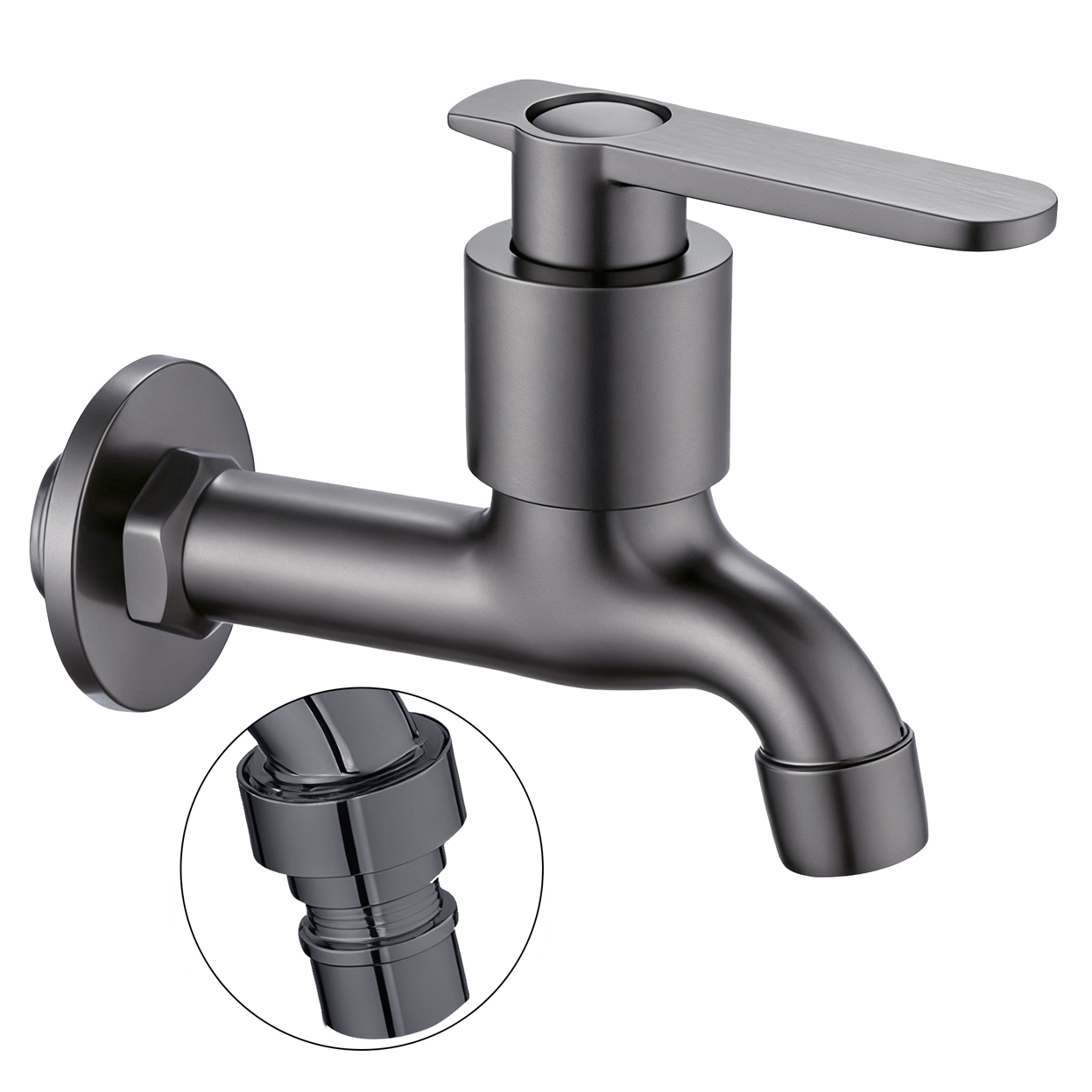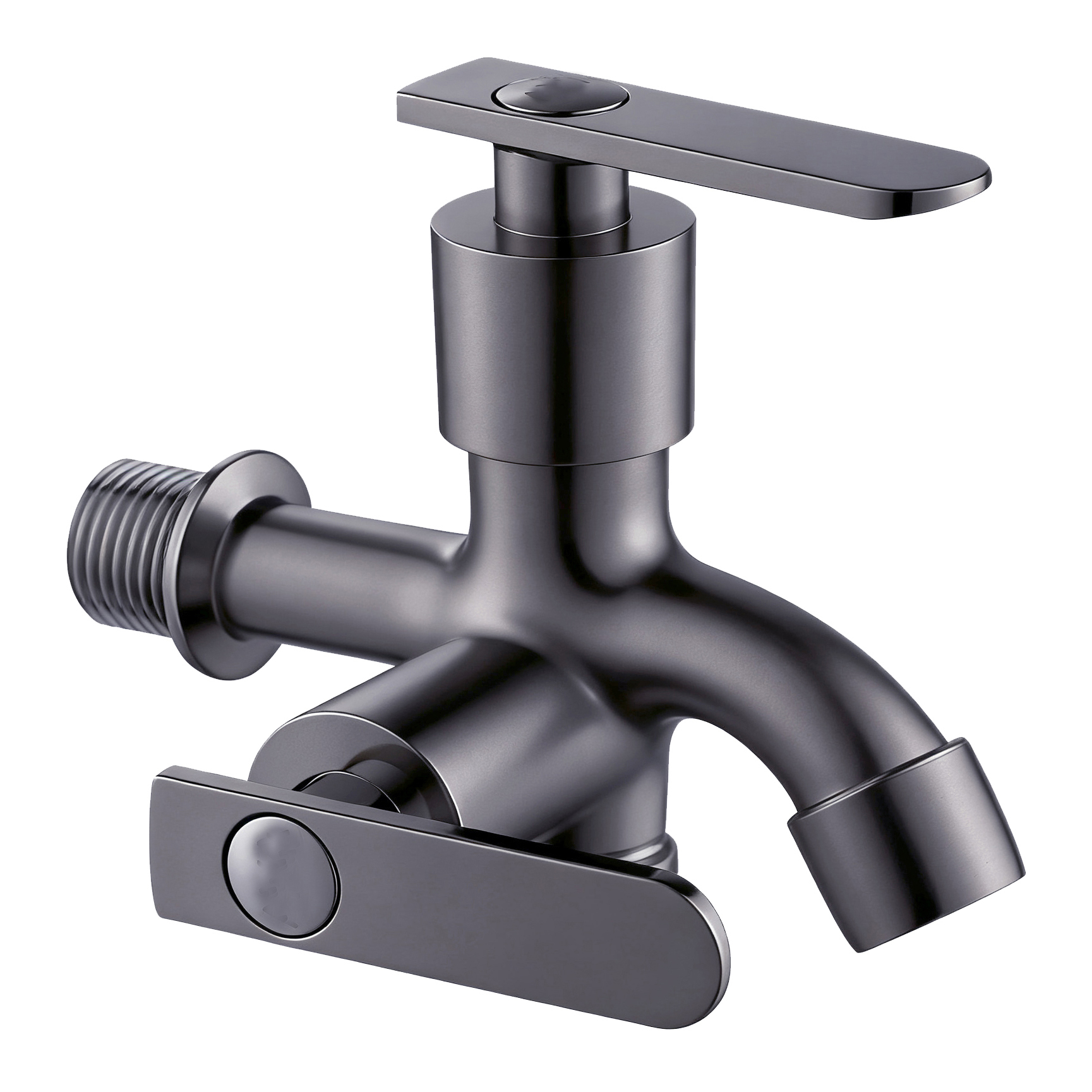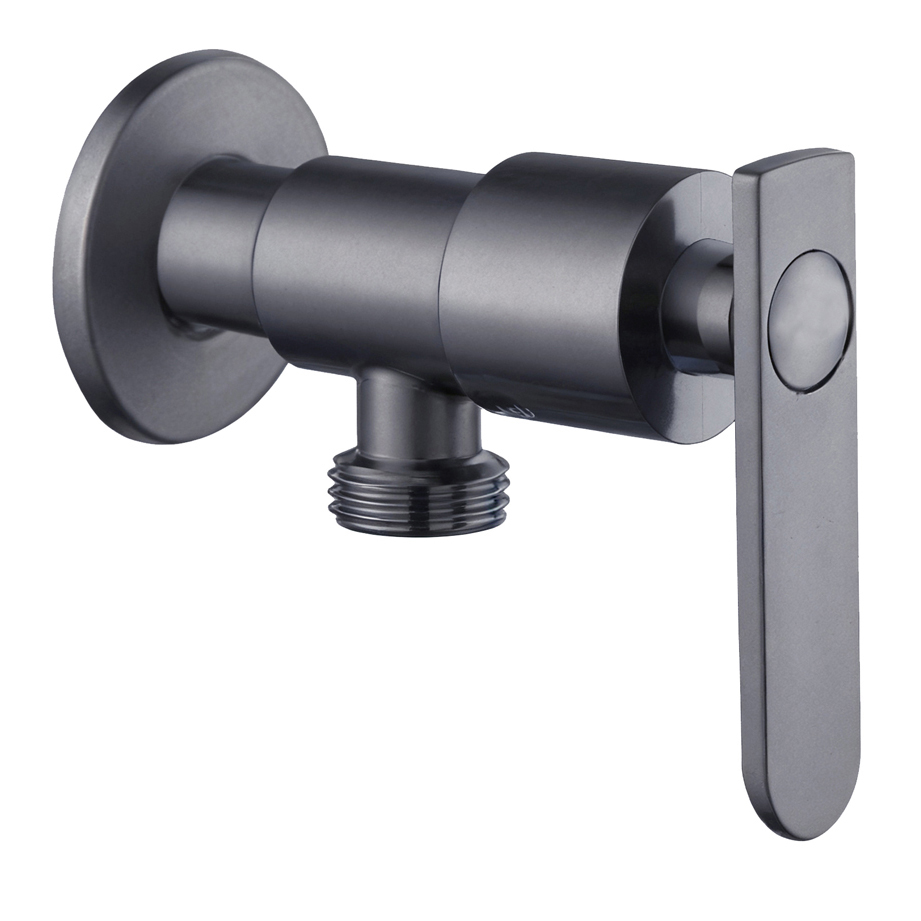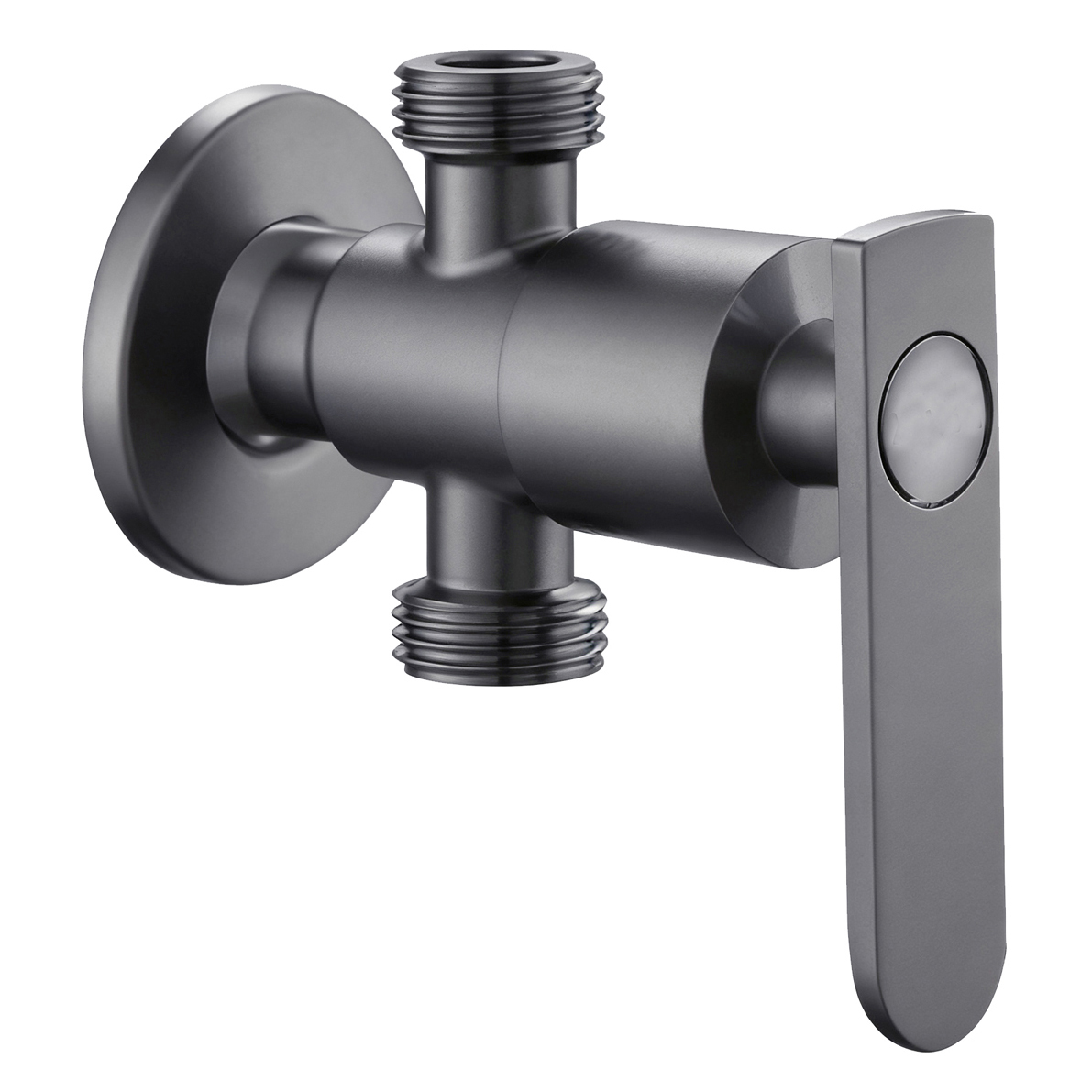




In building-material stores or bathroom showrooms, a Vintage Basin Faucet is usually easy to recognize by its design.
Traditional handles, curved spouts, and decorative details can quickly place the product in a vintage style category.
But recognizing the style does not mean understanding the product.
If a shelf label only highlights “Vintage,” shoppers may start to treat style, finish, and material as the same thing.
For example, a rubinetto vintage per lavabo may have a bronze-like finish.
That does not mean the visible color represents the material of the faucet body.
The same vintage design can also come in several different finishes.
One label should not try to answer three different questions.
Style, Finish, and Material Should Have Separate Roles
In retail product information, each term should have a clear purpose.
Style tells shoppers the design direction of the product.
Finish describes the visible color, gloss, and surface texture.
Material should follow the actual product specification.
This separation matters especially for vintage products.
Decorative finishes often appear together with traditional styling.
As a result, shoppers can easily assume that the product “looks like” a certain material.
Vintage designs from different periods may also look similar in photos.
The real replenishment risk often appears elsewhere.
Finish consistency and installation accessories may create more practical differences than the overall style.
Before listing a Vintage Basin Faucet, retailers can keep one physical reference set.
It may include a finish sample under natural light, a component list for the cartridge and spout, and the required mounting hole size.
The set can also include the main installation parts.
When later batches arrive, the retailer can compare them with the reference sample.
The team should define how it will judge acceptable finish variation.
It should also identify which visible parts need to match within the same batch.
“Vintage” can remain part of the style story.
The specification sheet should still use measurable and verifiable product information.
Retail labels do not need to become much longer.
They simply need to avoid reducing the product to “Vintage” or “Antique Faucet.”
A more useful label lets shoppers see three things separately: product style, finish name, and actual material.
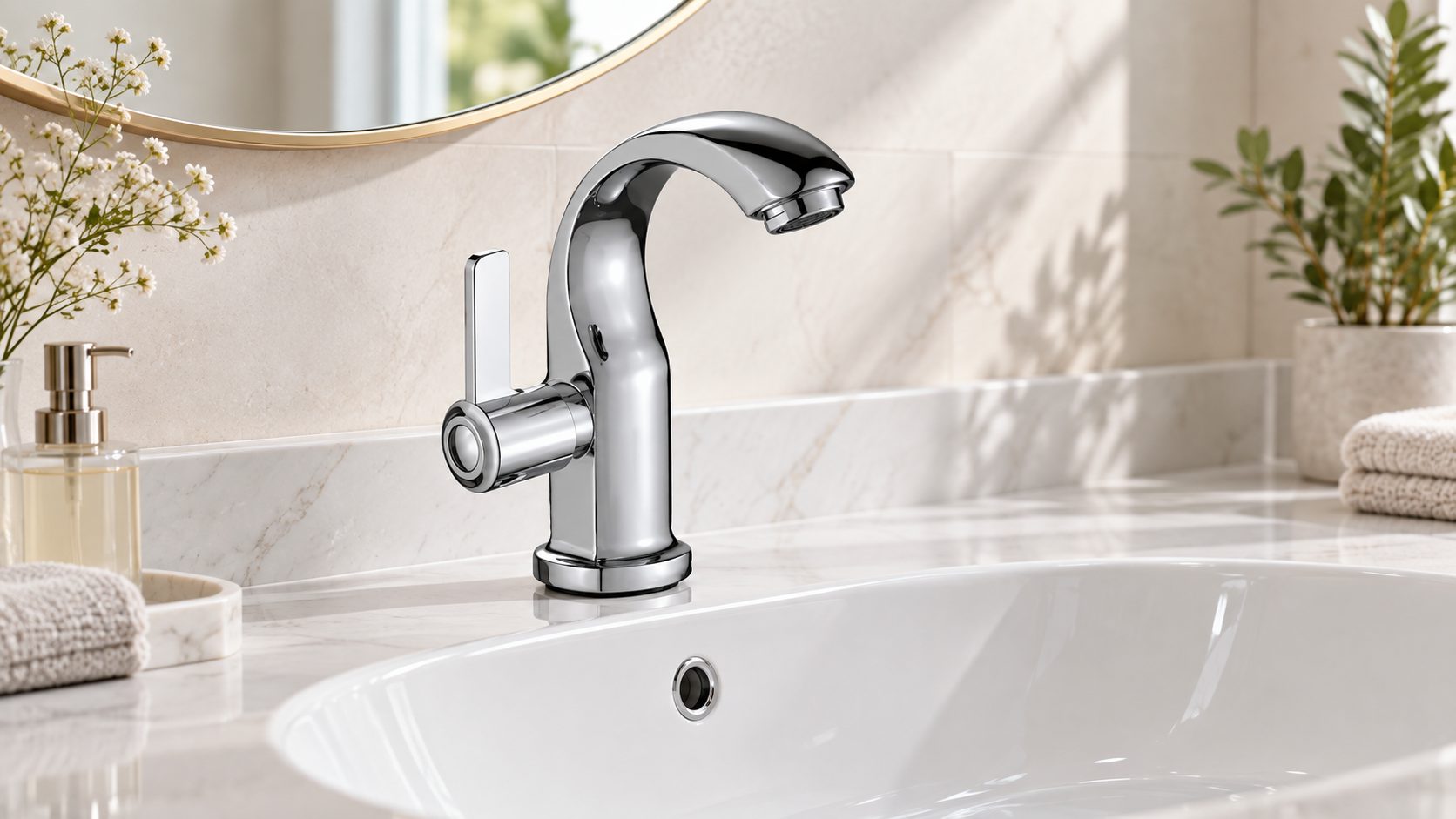
Finish Samples Can Explain What Packaging Colors Cannot
Real finish samples, packaging labels, and material information each serve a different purpose.
The packaging label identifies the SKU and product specifications.
A finish sample helps shoppers see the real surface color and texture.
Material information confirms what the product is actually made from.
Shoppers should not have to guess the material from the finish.
Retailers can also test how different display methods perform.
One pilot store might display only the faucet.
Another display may show the faucet together with matching bathroom hardware.
The retailer can then compare inquiries, sales, and returns.
This gives the team actual evidence before it treats one display preference as a broader market trend.
Brazil offers one useful channel example.
According to ANAMACO’s 2025 retail survey, stores with up to four employees account for about 69.5% of building-material outlets.
For a vintage basin faucet sold through smaller stores, retailers should not assume that staff can explain complex finish and installation differences to every shopper.
Physical samples, clear connection diagrams, and simple packaging information may work better than adding more style descriptions.
This is a product-information inference based on Brazilian store-size data.
It does not indicate the sales volume of vintage faucet products themselves.
This separation becomes especially useful for an rubinetto per lavabo antico.
Two SKUs may both use a vintage design but have different finishes.
A real product or finish sample can make that difference obvious.
Two products may also use similar finishes but different materials.
In that case, material information still needs its own place.
This keeps “Vintage” focused on what it should describe: the design style.
It should not replace finish or material information.