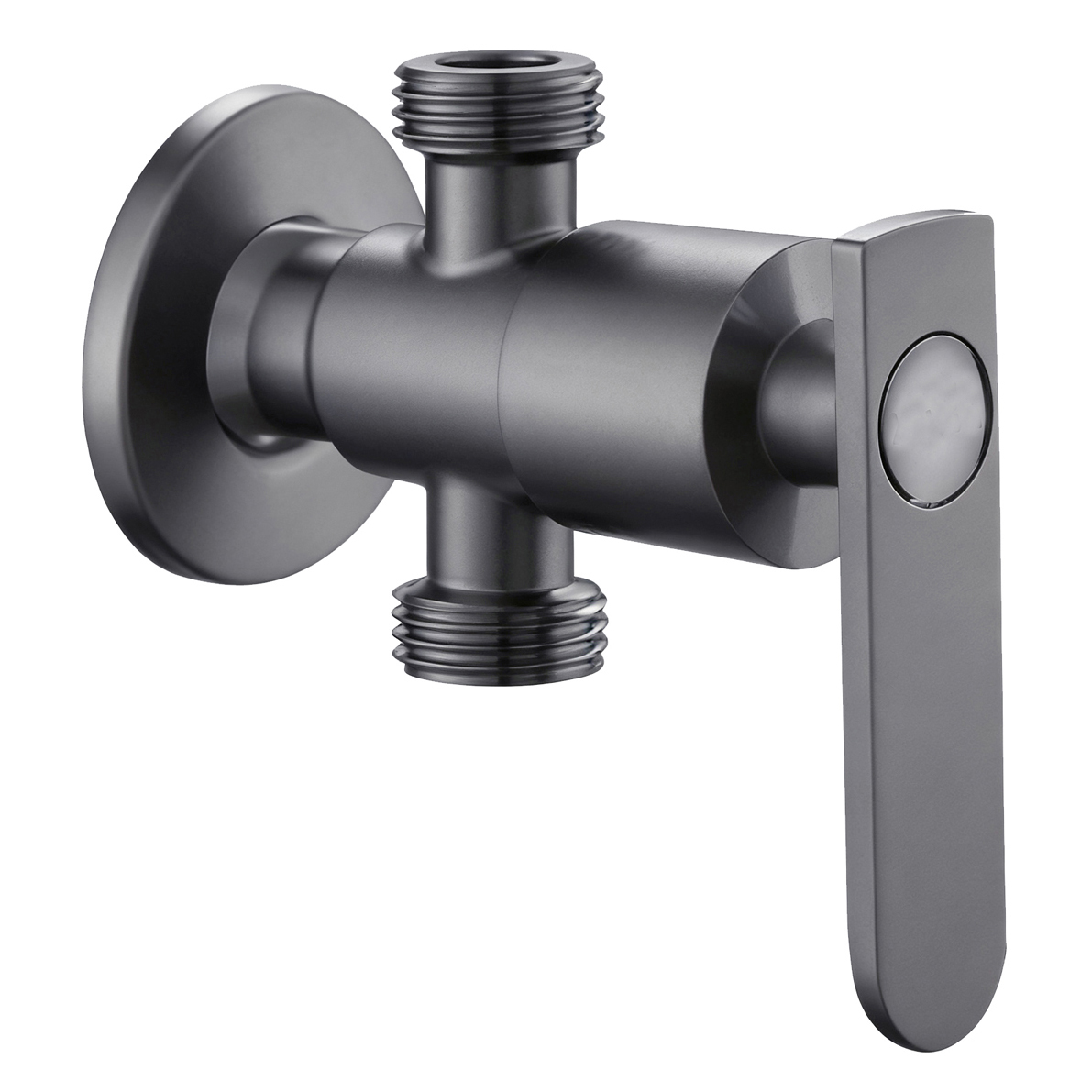




Once a Water Tap moves outdoors, its operating conditions differ from those of a typical indoor faucet.
Rain, dust, temperature changes, hose connections and frequent utility use can all affect product selection.
Outdoor water use also has clear practical applications. U.S. EPA WaterSense information shows that landscape irrigation accounts for a major part of residential outdoor water use in the United States. Landscape irrigation is also an important source of outdoor water use in commercial and institutional facilities.
This does not mean that every outdoor water tap is an irrigation product. However, it shows why garden watering, hose connections and outdoor maintenance deserve separate consideration during product selection.
For this reason, choosing an outside water tap should start with the actual installation environment and intended use rather than appearance and basic dimensions alone.
First Determine How the Tap Will Be Used Outdoors
For direct water collection, outlet position and access for buckets or other containers may matter most.
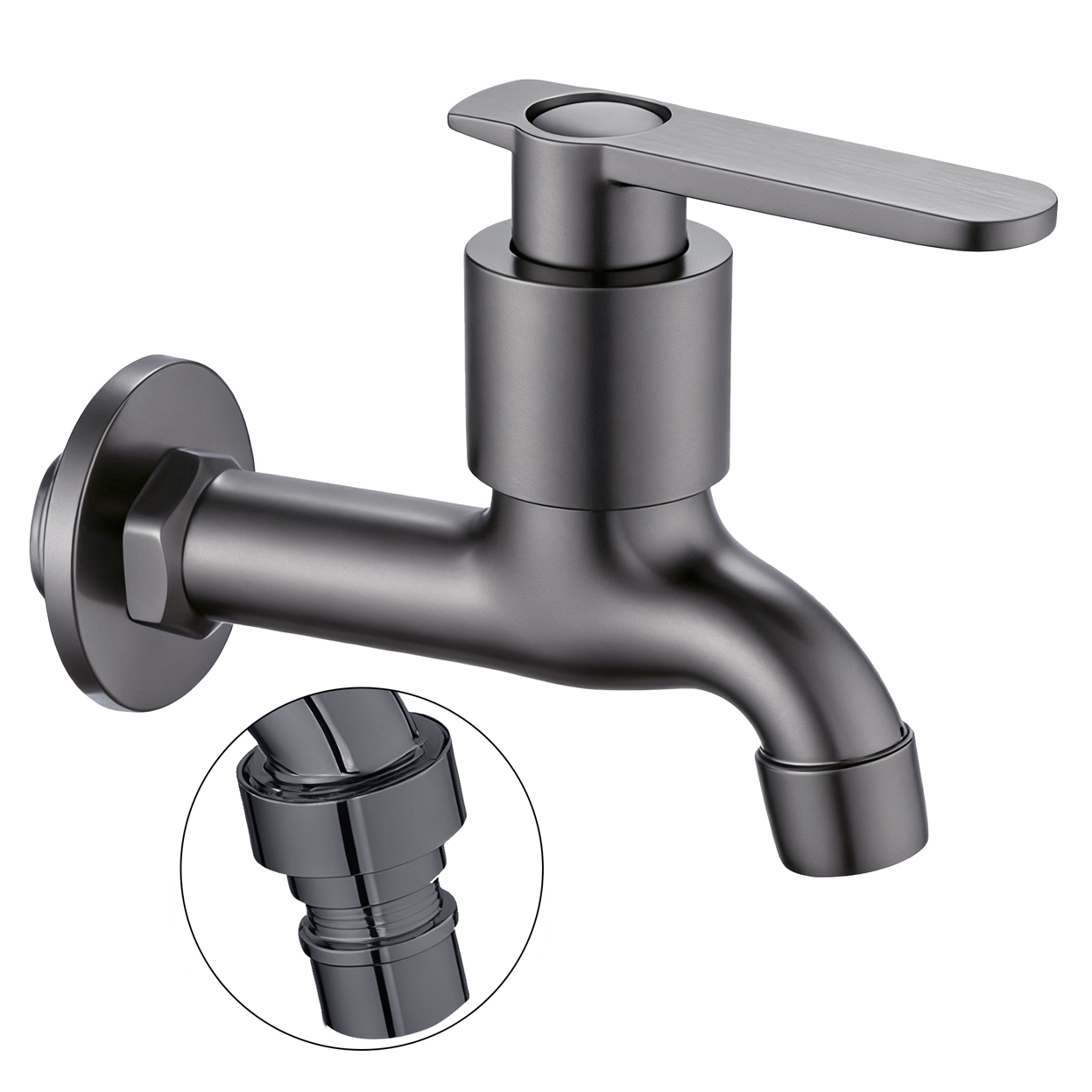
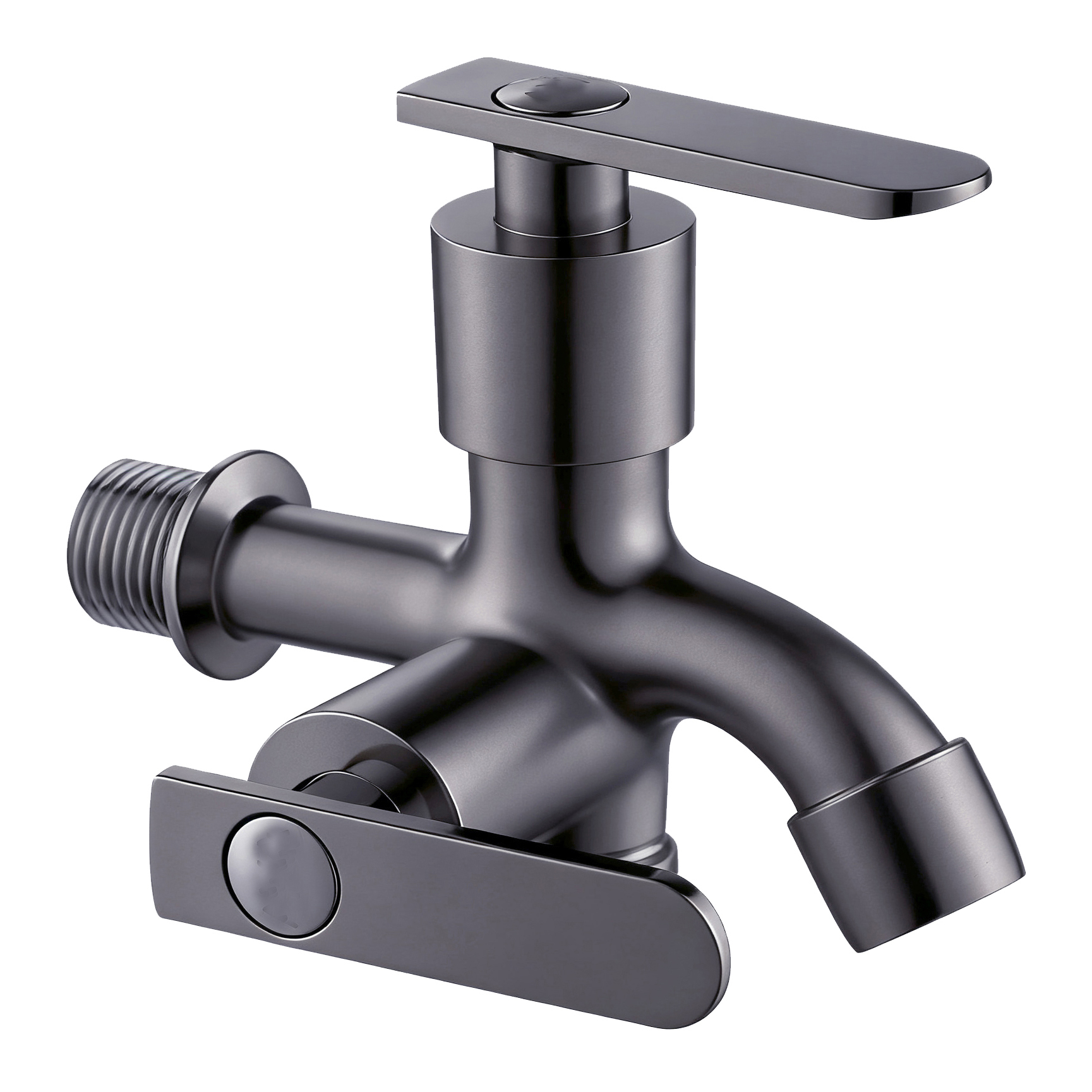
For garden watering, cleaning or hose use, the connection type and stability after attaching the hose become more important.
Even a simple outdoor water tap can become inconvenient if the attached hose hangs awkwardly, interferes with the wall or restricts handle operation.
The first step is therefore to define the intended use. Will the tap supply water directly, connect to a hose, or support another cleaning or maintenance task?
Different applications require different priorities for the connection, outlet position and operating space.
Environmental Exposure Should Be Part of Product Selection
Outdoor products may face long-term exposure to rain, dust, sunlight and temperature changes. Product selection should therefore consider more than how the faucet looks when new.
During sample evaluation, check whether the body and Finish suit the intended environment. Handles, connections and other frequently operated areas should also remain practical to maintain.
In regions with a risk of freezing temperatures, the surrounding pipework also needs suitable freeze protection and drainage planning.
Replacing the faucet alone cannot solve low-temperature risks across the entire plumbing system.
Simple Operation and Maintenance Matter Outdoors
Outdoor Water Taps are usually utility products.
Easy operation with wet hands, convenient hose connection, accessible connection points and straightforward maintenance can matter more than complex styling.
From a product specification perspective, outdoor applications are also not completely separate from other Plumbing Supply Fittings.
The scope of ASME A112.18.1/CSA B125.1 specifically includes lawn and sediment faucets. This standards context does not replace the need to check the specific market, installation environment and product model.
However, it shows that outdoor products still need to be evaluated in terms of their complete structure and performance as Plumbing Supply Fittings, rather than by the word “Outdoor” alone.
When choosing a Water Tap for outdoor use, the priorities are therefore clear: check the installation environment, confirm the connection matches the intended use, make sure operation is convenient, and consider long-term maintenance under outdoor exposure.
A suitable outdoor product is not simply an indoor faucet installed outside. It should be selected around the conditions it will actually face.