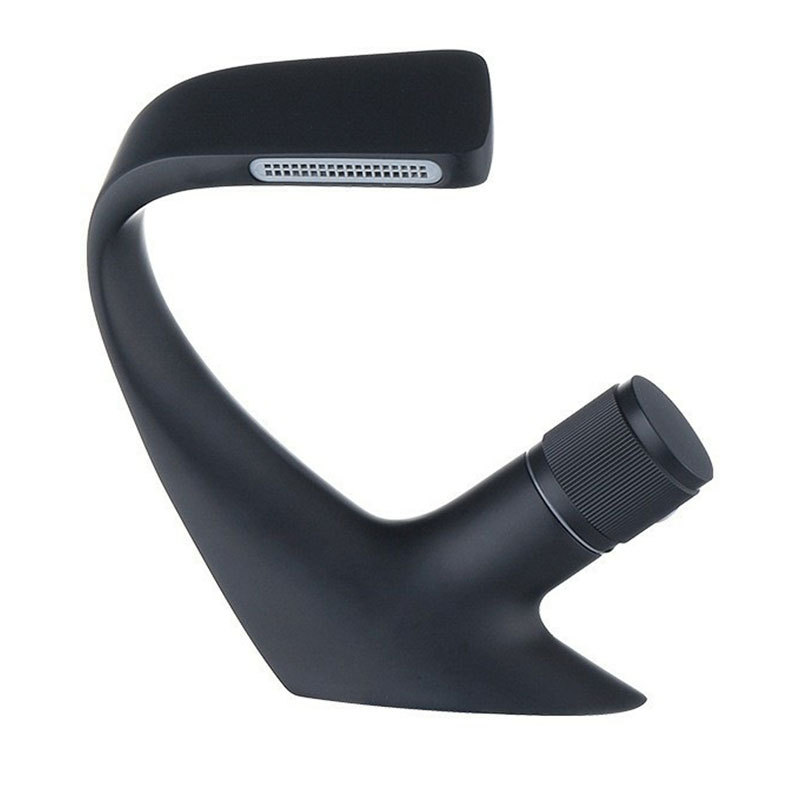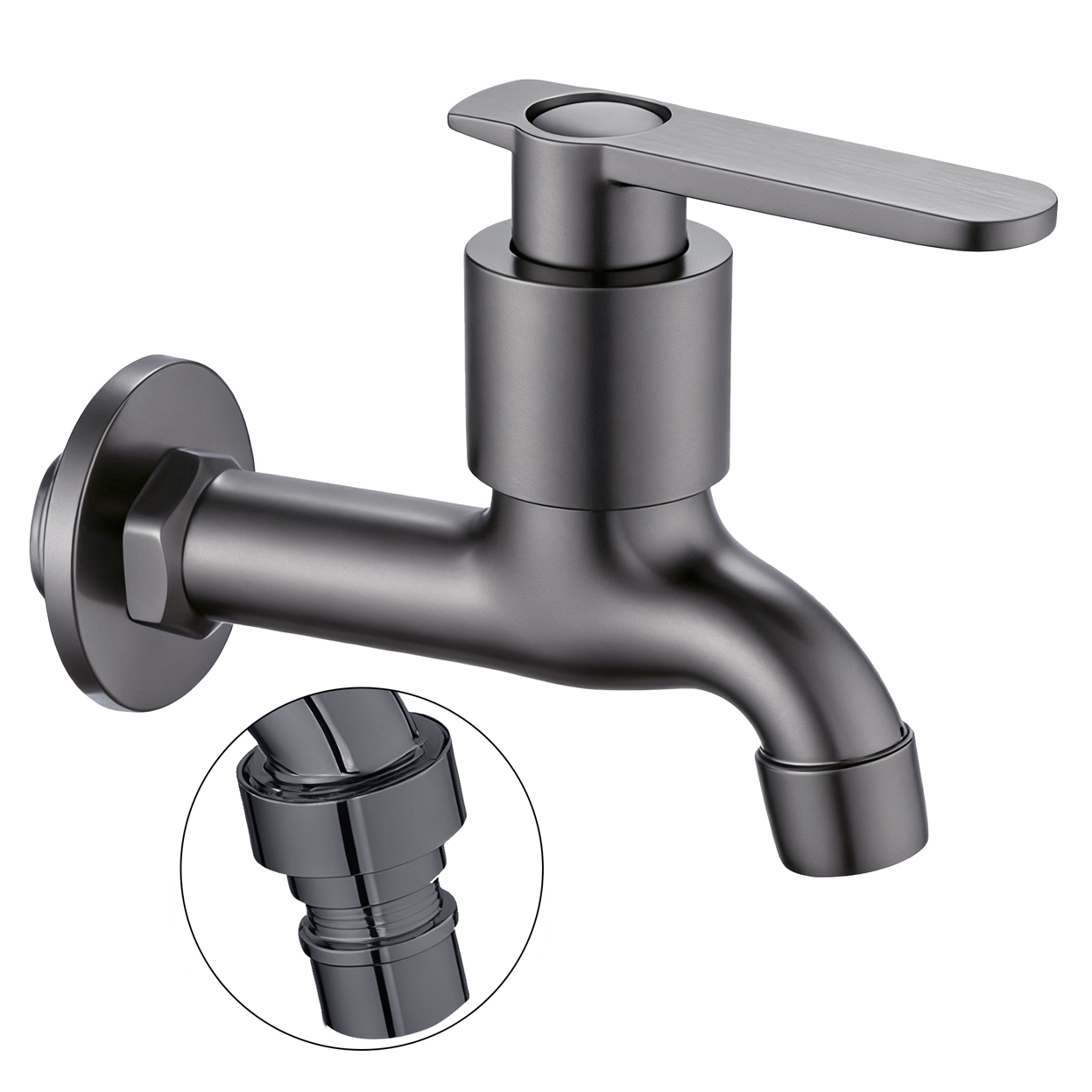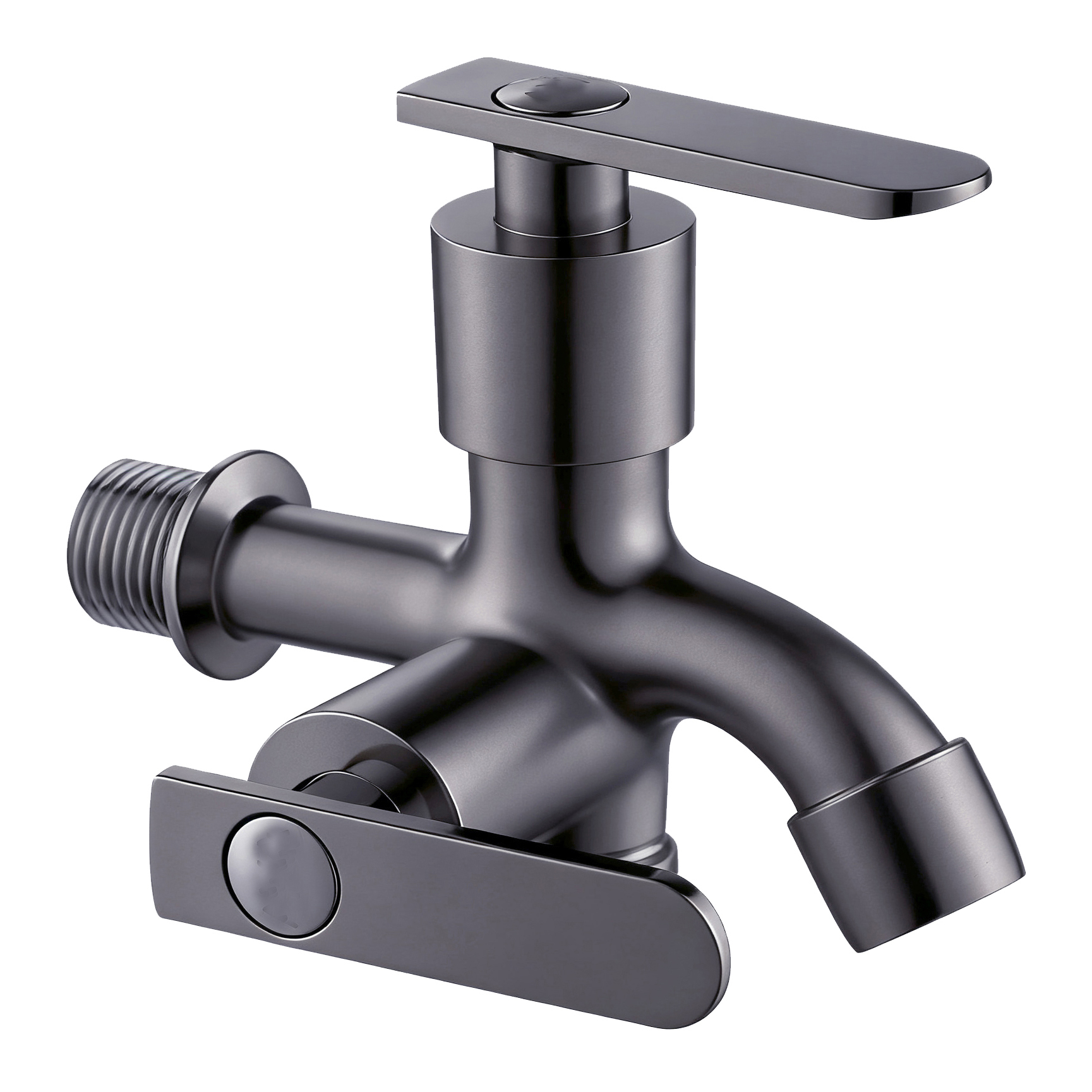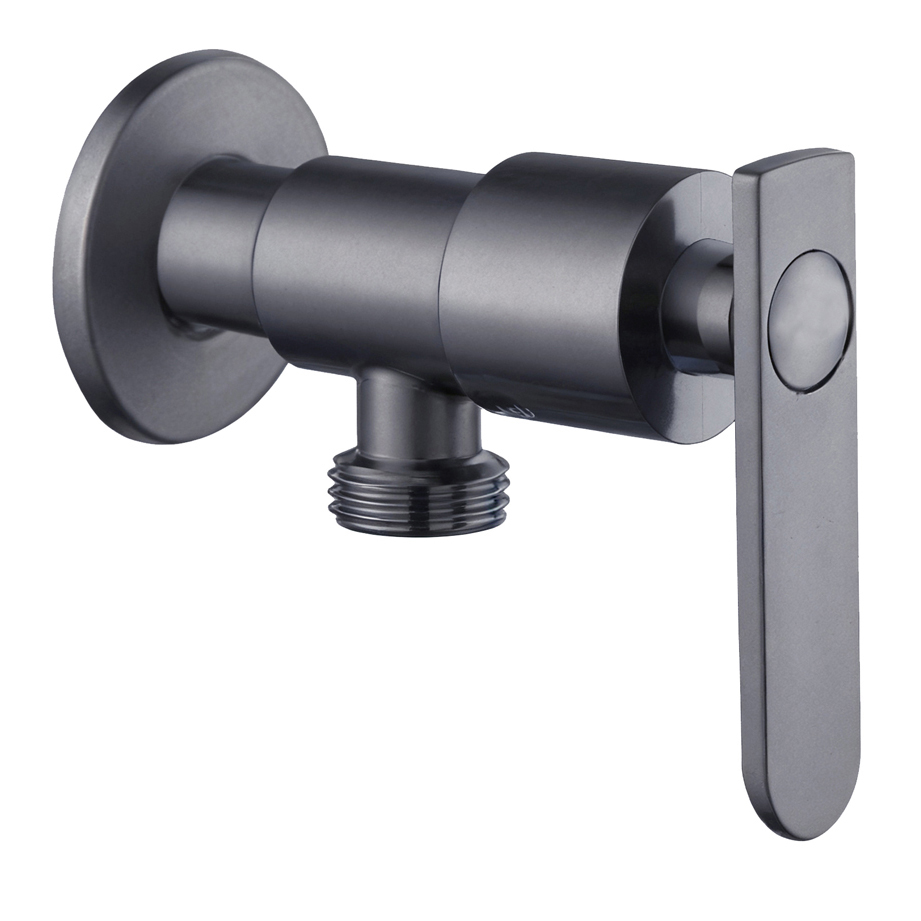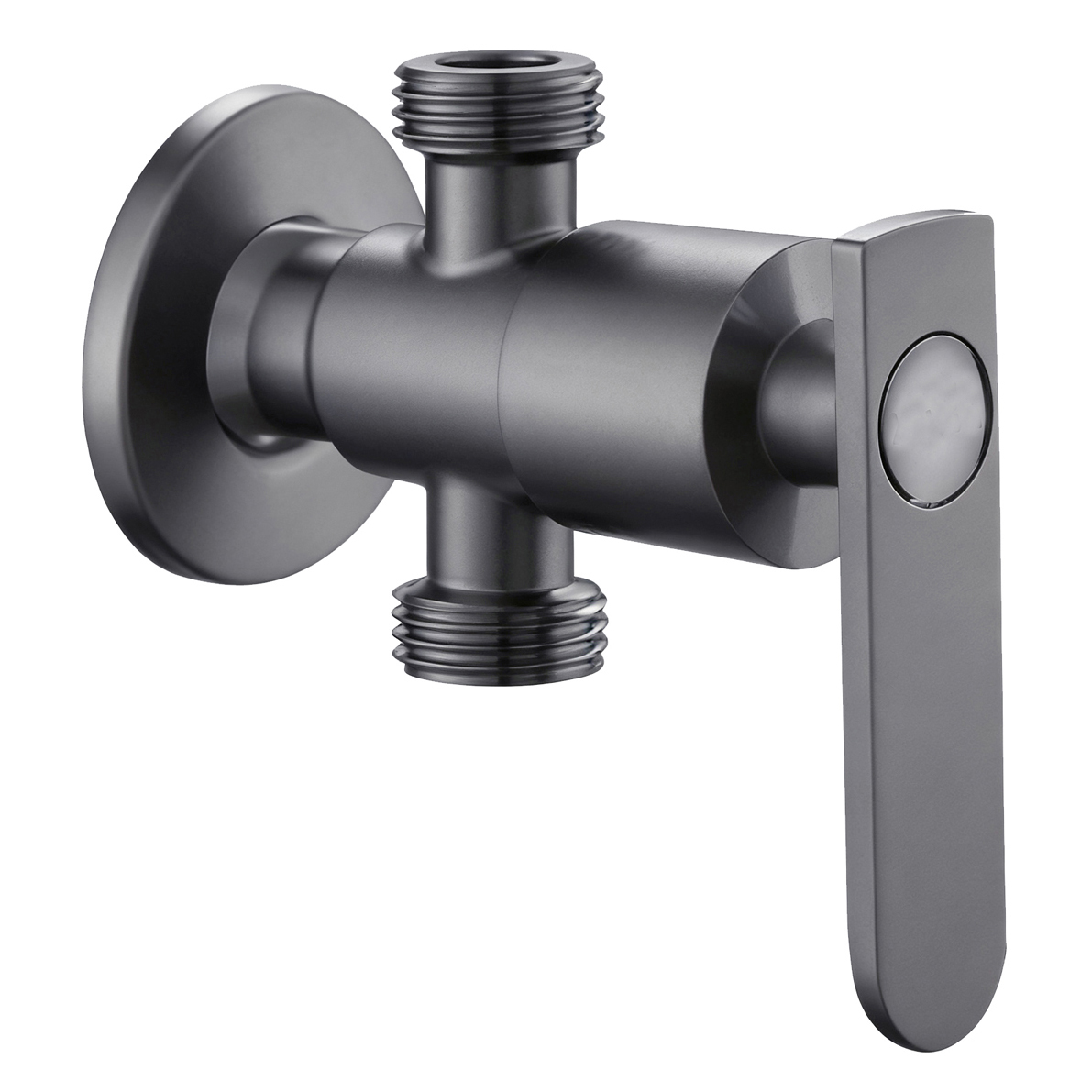




The cost of dealing with the same quality problem can be very different depending on whether it is discovered at the factory or after installation.
For a conventional exposed product, replacing a component may be relatively straightforward. With a Concealed Basin Faucet, however, some critical components are hidden behind the installation structure. The more difficult the problem area is to access, the longer and more costly the corrective process can become.
Concealed Basin Faucets Move Some Risks Beyond Installation
A concealed basin faucet usually exposes only the controls and water outlet, while connections, fixing points, and other components may sit inside the wall or installation structure.
This means some problems are relatively simple to correct before installation:
Reassemble the product;
Replace a component;
Recheck the sealing;
Adjust a connection.
Once installation is complete, the same problem may require removing other structures before it can be corrected.
Quality control for concealed products therefore needs to address these risks earlier.
An important distinction is between components that remain easy to access after installation e components that become difficult to access once installation is complete.
The same problem can create very different service costs depending on which type of component is involved.
Small Problems Can Trigger a Larger Cost Chain on Site
If a problem is found at the factory, the cost may remain limited to the component, rework, and reinspection.
If the product has already entered overseas inventory, the process may also involve screening, returns, replacements, and reshipping.
If rubinetti a scomparsa per il bagno have already been installed, the problem may further involve:
On-site diagnosis;
Maintenance labor;
Disassembly;
Reinstallation;
Possible impact on surrounding finished surfaces.
Quality cost therefore does not remain constant after the product leaves the factory.
The later a problem is discovered, the more resources it usually takes to resolve.
For a Concealed Basin Faucet, this cost increase is also closely related to the location of the failure. Connection, fixing, and sealing points located deeper inside the wall usually deserve more attention before installation.
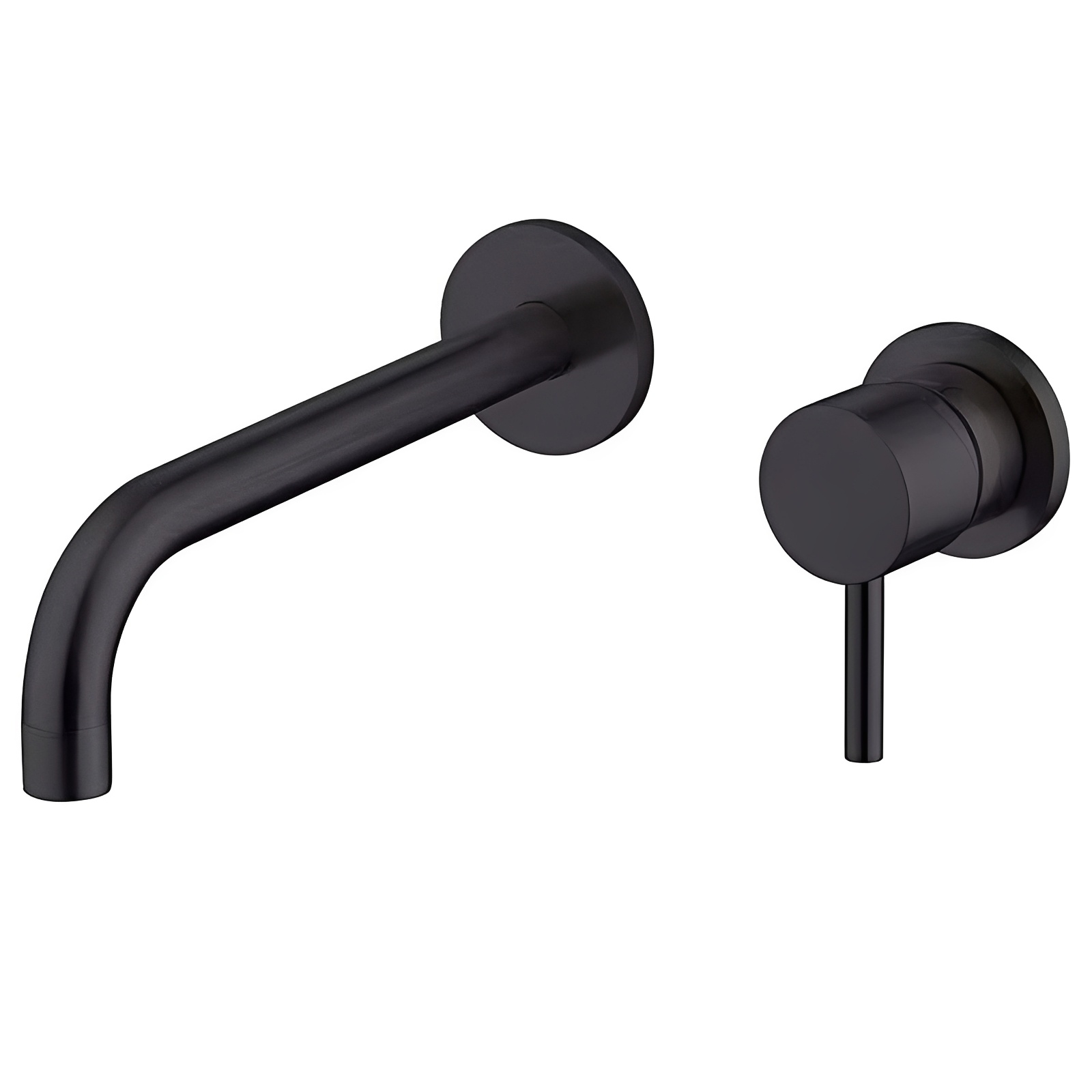
The More Complete the Concealed Design, the More Important Internal Reliability Becomes
One of the visual advantages of a concealed product is that it hides part of the connection and functional structure.
However, hiding these components does not make them less important.
In fact, the more difficult a component becomes to access after installation, the more important its assembly and inspection become before installation.
Sample approval and pre-shipment inspection should therefore look beyond the visible front of the installed product.
They should also cover the parts that will eventually sit inside the wall or installation structure, including:
Are the connection points clearly defined?
Are the seals positioned correctly?
Is the fixing structure stable?
Are components that may require future maintenance reasonably accessible?
This information is more directly relevant to a Concealed Basin Faucet than general references to a “concealed trend” from other product categories.
Quality Control Should Prioritize Problems by the Difficulty of Repair
Not every quality problem creates the same cost.
A minor visual issue on an exposed surface has very different consequences from a connection or sealing problem inside a wall.
For a Concealed Faucet, pre-shipment quality control should therefore give higher priority to issues that:
Are difficult to access after installation;
Require disassembly for replacement;
May affect sealing or connections;
Require on-site labor when they occur.
This does not mean concealed products must achieve an unrealistic goal of “zero defects.”
The quality economics are simply clear:
The more difficult a problem is to correct on site, the more important it is to identify it before the product leaves the factory.
Sample Approval Should Cover More Than Visible Parts
For a Concealed Basin Faucet, checking only appearance, handle operation, and water flow during the sample stage can overlook the parts that become most difficult to service after installation.
A more complete sample evaluation should also consider whether components remain accessible once installation is finished.
For example, if an internal component is a normal maintenance part, buyers should determine in advance whether it can be accessed without damaging surrounding finished surfaces.
If a connection point will rarely be touched again after installation, its assembly and sealing should receive more attention earlier in the process.
This creates a clear quality priority for concealed products:
Not every component requires the same level of early attention. The more difficult an area is to repair, the more important it is to reduce uncertainty before installation.
For a Concealed Basin Faucet, the most expensive part of a quality problem is often not the component itself.
The real cost comes from the entire corrective process that begins when that component fails at the wrong time and in a difficult-to-access location.