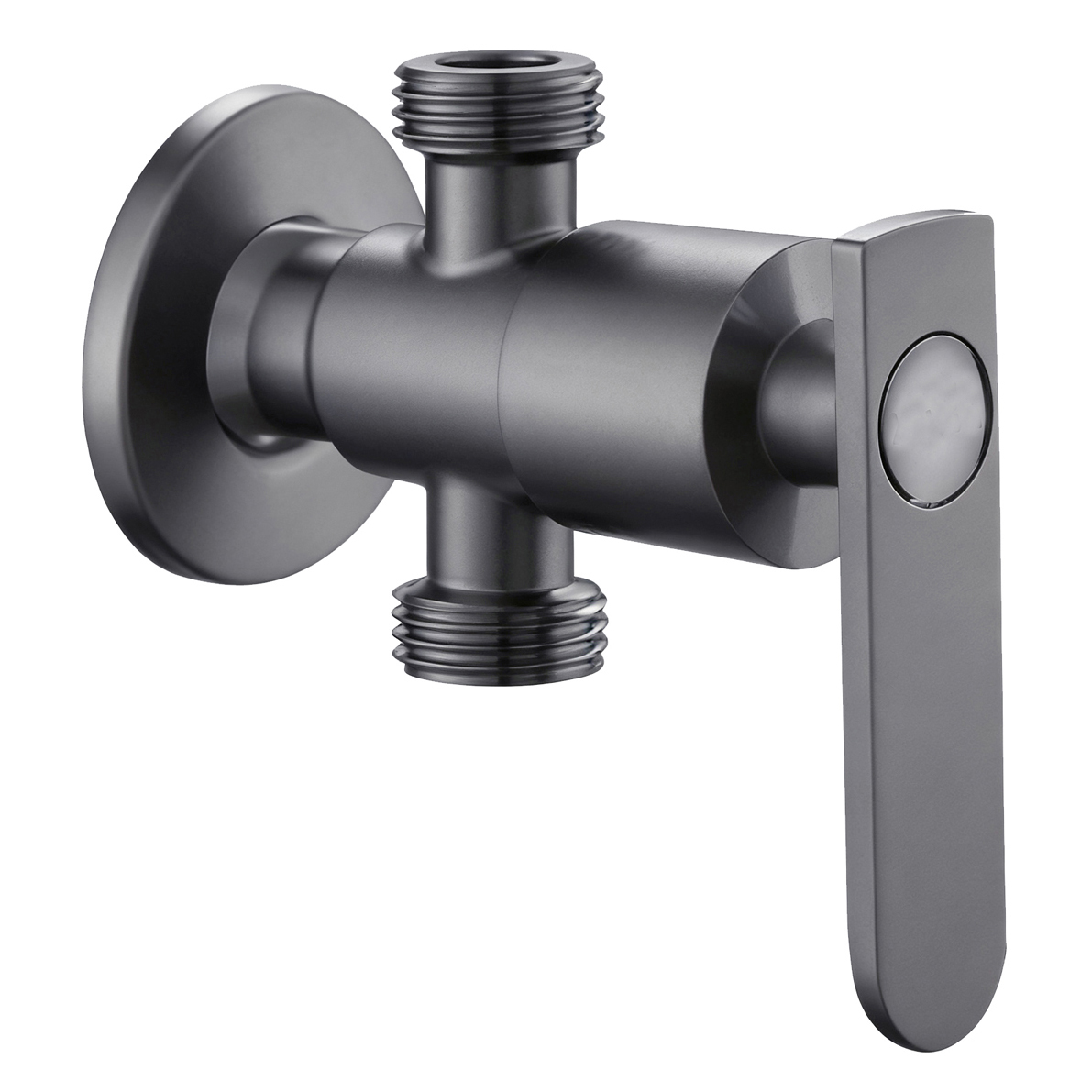




A kitchen faucet can look impressive in a short product video: the spray head is pulled out, the water mode is changed, and the head slides neatly back into place.
A real purchasing review needs to go one step further.
Put a large pot in the sink. Open the cabinet below it. Let different users repeat the same actions. Then check whether the feature still works as expected under the actual installation conditions.
When evaluating a kitchen faucet manufacturer, the goal is not simply to collect more product features. It is to turn each selling point into a task that can be observed, recorded, and verified.
High-arc designs, pull-out sprays, multiple spray modes, and easier installation can all define a product. But each feature also depends on the sink, cabinet, components, and installation conditions around it.
Start With the Kitchen Tasks You Need the Faucet to Solve
Start by identifying what users need to do with the faucet.
Typical tasks may include washing large cookware, rinsing the corners of the sink, filling containers, and cleaning hands. Each task places different demands on the water outlet, movement range, and operating method.
A single overall faucet dimension cannot describe all of these conditions.
For a particular sales channel, it can be useful to collect representative sink and cabinet information from installers or sales teams. Single-bowl and double-bowl sinks, different mounting positions, and different cabinet layouts can change how the same faucet feels and functions.
The sample should therefore be reviewed against representative combinations rather than one convenient display setup. If certain sink or cabinet conditions have not been covered, that limitation should also be recorded.
When discussing a new series with a kitchen tap manufacturer, start with the action that needs improvement. If the main problem is making room for large cookware, for example, adding more spray modes may not address the real requirement.
The feature should serve the task, not simply make the product specification longer.
Check Cleaning Range in the Actual Sink Combination
A spout’s swivel range or a pull-out spray hose’s length can indicate how far water may reach. They do not, by themselves, show the usable cleaning range.
The sink shape, faucet mounting position, surrounding obstacles, and hose arrangement all affect where the spray head can actually go.
During sample evaluation, observe whether the spray head can reach the areas that users are expected to clean. Also check whether the user has to pull, twist, or move around the faucet in an unnatural way to reach those areas.
The test should follow normal use rather than deliberately stretching the product beyond its intended operating range.
Per wholesale kitchen faucets, different versions should also have clear functional descriptions. Fixed spouts, pull-out models, and different spray configurations may belong to the same series, but their packaging and product information should make the differences easy to identify.
A similar product image should not be the only way to distinguish one version from another.
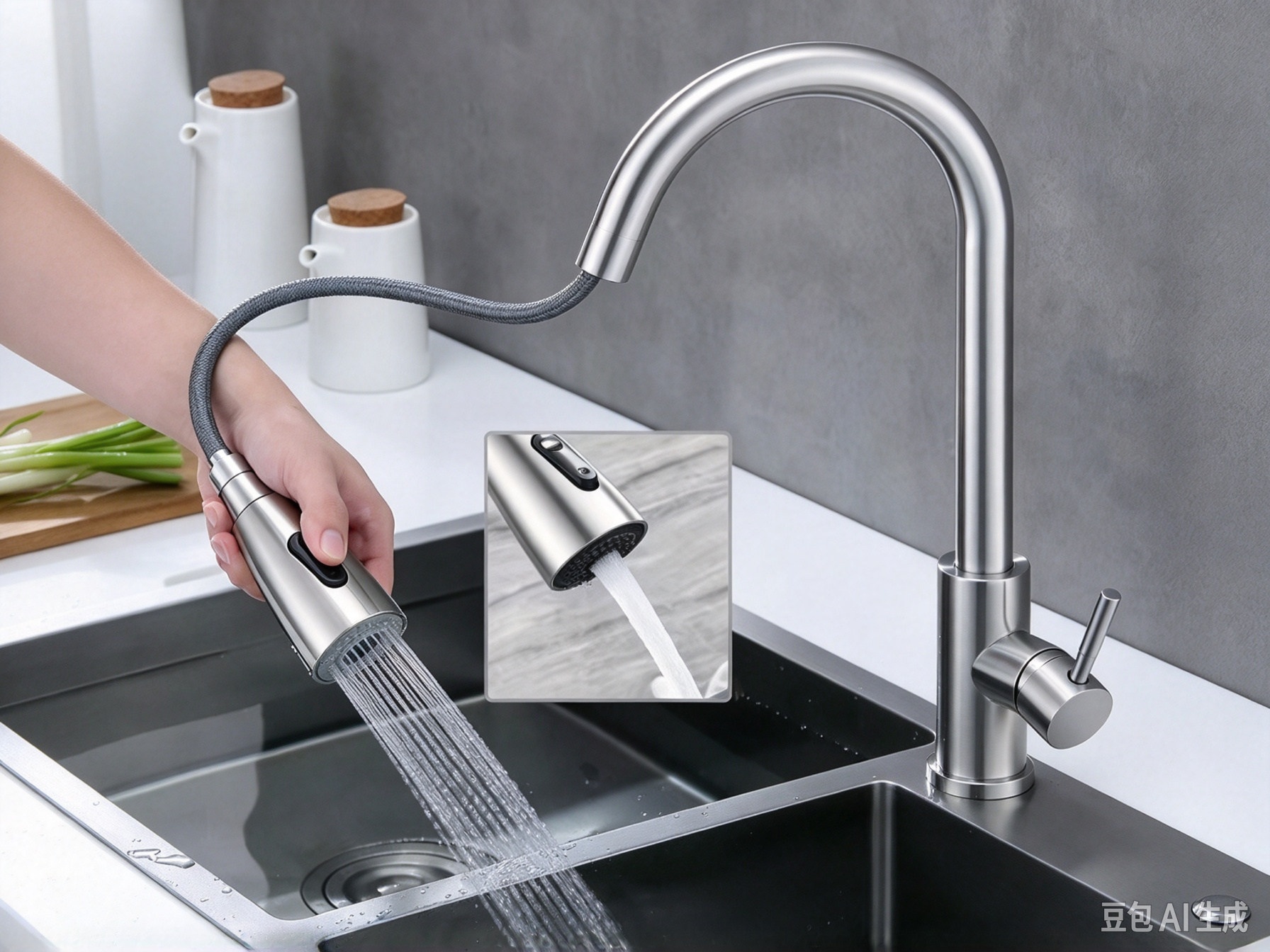
Evaluate Pull-Out and Retraction With the Cabinet Space Included
A spray head that retracts smoothly on a display stand may behave differently after the faucet is installed over a real sink.
The hose needs room to move below the sink, and the cabinet may already contain plumbing, storage, a waste system, or other equipment. These conditions can affect the hose path and the force required during operation.
The sample review should therefore include the actual cabinet arrangement or a representative installation condition.
Check:
- Whether the hose can move through its intended path
- Whether other components obstruct the movement
- Whether the spray head can return to its intended position
- Whether normal users can pull and return it without awkward movement
One successful return during a display demonstration should not be treated as proof of long-term durability. Durability claims need their own applicable test method and evidence.
The purpose of the sample review here is to establish whether the approved installation combination works as intended.
Make Spray Modes Produce a Clear, Verifiable Result
Changing between spray modes is another feature that should be evaluated through actual water output rather than button or switch movement alone.
The review can cover how the mode is selected, how the user identifies the selected state, and whether the resulting water flow matches the intended function.
The product information should also describe the operating logic accurately. If a faucet retains a particular spray mode after the water is turned off, for example, that behavior should be consistent with the approved product configuration and explained where necessary.
“Multi-function” can also mean different things. It may describe several spray patterns, or it may refer to separate water paths for different purposes. These are not the same feature.
For this reason, each advertised function should have a clear product object behind it. The customer should be able to understand what the faucet allows them to do, rather than having to interpret internal component names.
Treat Special Water Functions as a Larger Development Scope
Adding a separate water function can change the development scope considerably.
For example, Neoperl’s materials for multifunctional faucets describe components for multiple water ways, including hoses, connectors, diverters, filters, and backflow-prevention components. Its documentation shows that additional functions can involve more than the faucet body itself.
This is useful when evaluating a new multifunctional kitchen faucet: if the design adds filtered, sparkling, boiling, or another separate water function, the review needs to cover the relevant water source, internal or external water paths, components, connections, and applicable verification.
It does not mean every kitchen faucet needs these functions.
If the current product only provides normal hot and cold water, the development and product information should stay within that approved scope. A future concept can be discussed separately without allowing an unverified function to appear in the current model name, packaging, or sales description.
Judge Installation Convenience From the Complete Supply
Installation convenience should not be judged by the number of steps shown in a short installation video.
The fixing structure, connections, supplied accessories, identification of parts, and installation instructions all contribute to the actual installation experience.
A practical sample review can involve an installer or service person and record where the installation process is unclear, where a specific tool is required, or where the supplied information does not match the actual components.
If a particular installation condition or tool is required, the relevant documentation should say so. “Easy installation” should not imply that the product is suitable for every installation environment.
The complete supply also matters. A correct faucet body does not guarantee a correct installation package if the hose, fixing parts, connectors, or other included components do not match the approved configuration.
For this reason, the accessories supplied with the faucet should be treated as part of the approved product configuration rather than as an afterthought.
Keep the Selling Point Connected to Its Evidence
A useful product review does not need to place every test result on the front of a sales page. It does need to make sure that someone responsible for the product can find the basis for each important claim.
| Product Claim | What to Check | What the Claim Should Not Assume |
|---|---|---|
| Cleaning range | Actual sink combination and reachable areas | A longer hose automatically means wider usable coverage |
| Pull-out and retraction | Hose path, cabinet space, and operating movement | One successful return proves long-term durability |
| Spray modes | Switching action, water output, and operating logic | “Multi-function” describes every possible water-use function |
| Installation convenience | Fixing structure, connections, accessories, and instructions | Fewer installation steps mean suitability for every site |
| Long-term use | Applicable durability or functional evidence | Sample observation alone proves durability |
This distinction is useful when evaluating a kitchen faucet supplier.
Ask the supplier to explain the basis of a proposed selling point. A useful answer should distinguish between:
- What was observed on the sample
- What has been formally tested
- What depends on a specific installation condition
- What still needs to be verified
That distinction helps prevent a development target from becoming a marketing claim before the product has actually been validated.
Keep Product Versions and Spare Parts Identifiable
Kitchen faucets can involve frequent movement and repeated handling. Over time, the spray head, hose, connector, or other replaceable parts may need attention.
The product version should therefore remain identifiable in the after-sales information.
If a new spray head or hose is different from an earlier version, the replacement relationship should be recorded. Similar appearance alone should not be treated as proof that two components are interchangeable.
A spare-parts list is more useful when it connects the component to the relevant faucet model and version rather than simply calling it a “universal kitchen faucet part.”
When requesting a quotation from a kitchen faucet factory in China, the useful starting information is not only the desired appearance. Provide the representative sink and cabinet conditions, the priority tasks, target market, sales channel, and any functions that are essential to the product positioning.
The supplier can then evaluate the proposed solution against the conditions in which the faucet is actually expected to work.
A kitchen faucet feature becomes a meaningful selling point only when the user can experience it, the buyer can verify it, and the approved product can reproduce it after installation.
References: