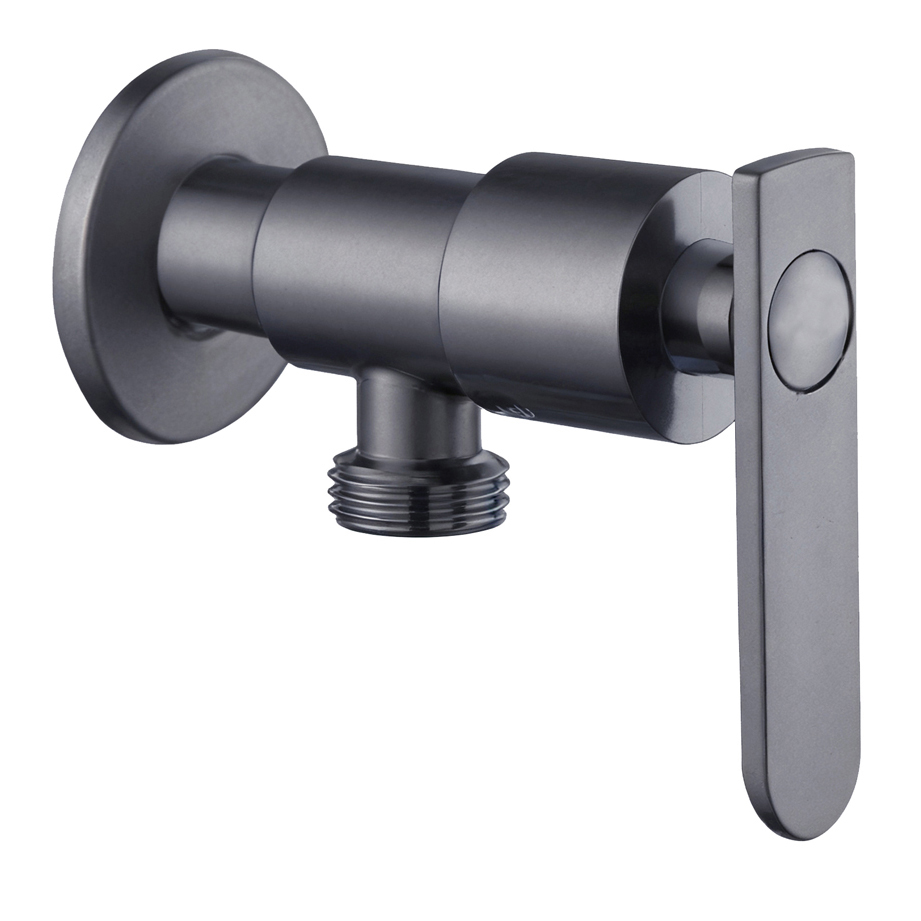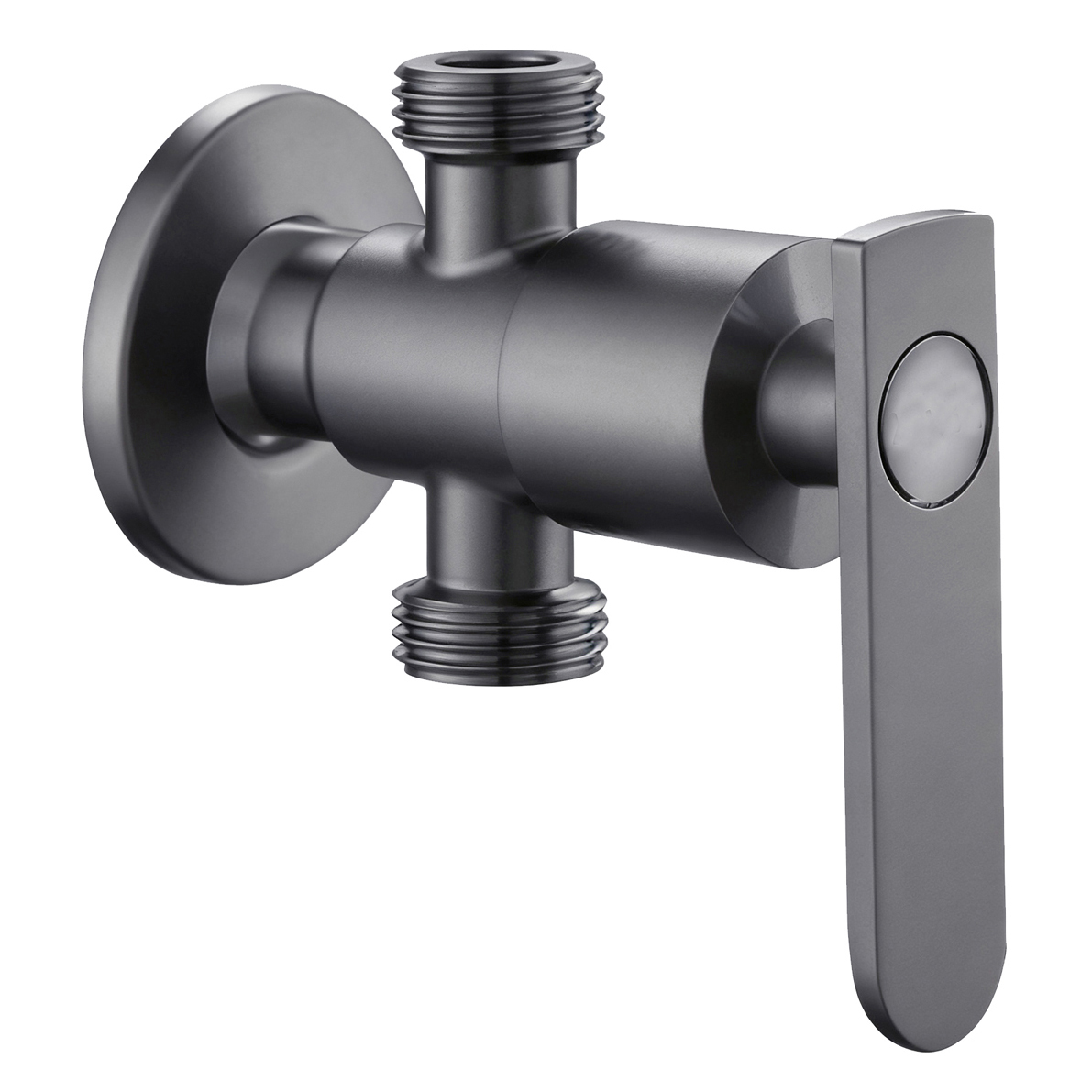




A damaged Angle Valve Handle may seem like a small after-sales issue.
If the valve body still works properly, replacing the handle may be more practical than replacing the entire Angle Valve.
However, finding a handle that “looks about the same” does not confirm that it will fit.
The compatibility of an Angle Valve Handle ultimately depends on how it connects to the valve stem.
Similar Appearance Does Not Mean the Same Connection
Two handles can look almost identical but use different internal connections.
The shape and size of the valve stem, spline profile, and handle fastening method can all affect compatibility. The exact details that need checking depend on the structure of the original product.
This means spare-part records should contain more than a description such as:
“Chrome Angle Valve Handle.”
That description tells staff what the part is, but not which valve it fits.
If the original product has a clear model number or SKU, linking the replacement handle to that product provides a more reliable solution.
It reduces the need to guess compatibility from photos during after-sales service.
Spare-Part Codes Connect After-Sales Service Back to the Original SKU
When a customer reports a damaged Angle Valve Handle, the visible problem may only be the handle.
Before replacing it, however, service staff should also check whether the valve body still opens and closes correctly.
They can then inspect the fastening method, valve stem connection, and valve specification. This helps determine whether replacing only the handle is appropriate or whether the complete valve needs replacement.
If handles are sold separately, they should also have a clear compatibility reference.
Per Valvola ad angolo ranges supplied over many years, warehouses can organize spare parts by valve stem structure rather than only by the external handle color.
This becomes especially useful when packaging or Finish options change.
A new package or surface Finish should not make it difficult for an existing customer to identify a compatible replacement part. Otherwise, one small component can force the customer to remove and replace the complete valve.
This product-to-part relationship becomes even more valuable in chain retail.
The original valve may have been sold in different stores. A customer may not need a replacement handle until several years after purchase.
By that time, the shelf display may have changed and the packaging may have gone through several updates.
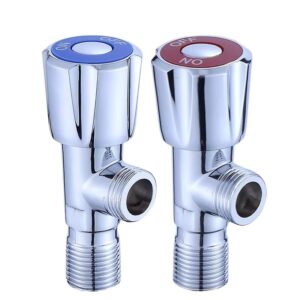
If the system still records a relationship such as:
Original Product Model → Valve Stem Specification → Compatible Handle Code
after-sales staff can trace the spare part through the original product identity.
Without this relationship, a warehouse may have several products listed as “Angle Valve Handle” but still have no reliable way to know which one actually fits.
A Small Spare Part Can Determine Whether the Product Stays in Service
The value of a spare part is not determined only by its price.
If handle damage repeatedly occurs at the same operating position, returned parts or retained samples can also help identify the cause.
For example, the problem may relate to impact, operating force, or the handle structure itself.
A compatibility record therefore supports more than replacement. It can also provide useful information for future product improvements.
If a small Handle cannot be replaced correctly, the customer may eventually need to replace the complete product.
For an Angle Valve already connected to wall plumbing, this turns a small spare-part issue into a much larger removal and installation job.
Long-term retail supply therefore involves more than keeping complete products in stock.
For components that can reasonably be serviced separately, retailers and suppliers also need to know whether the part can be identified, located, and confirmed as compatible.
Il Angle Valve Handle is a good example.
It is a small component, but its identity needs to be much more precise than “it looks the same.”