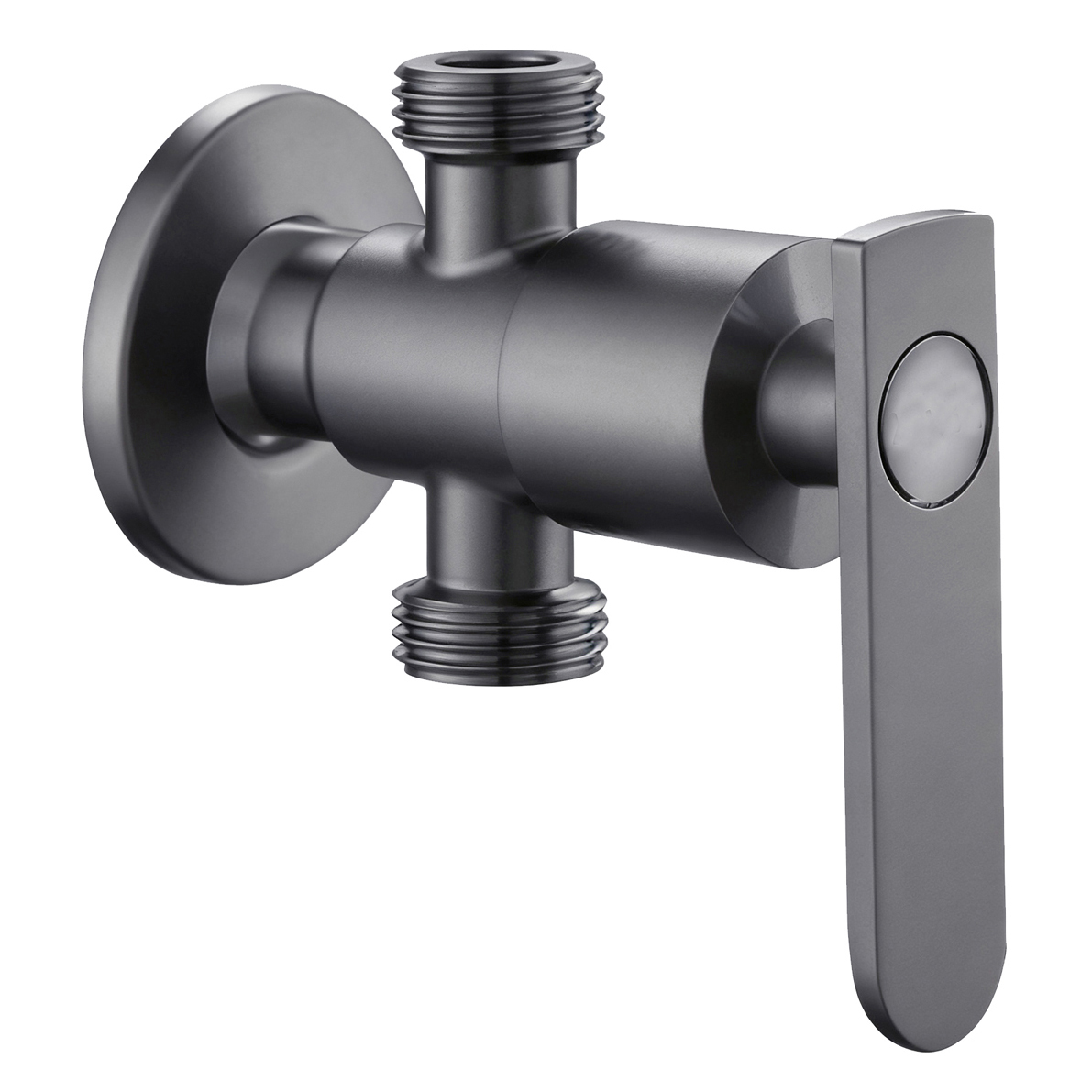




A distributor says, “I need faucets suitable for the Middle East.”
That may be enough to start a conversation, but it is not enough to place an order.
Which country will the products be sold in? Are they intended for retail stores or a construction project? Will they be installed in new buildings or used as replacements? What documents will be required?
All of these questions can change the final product configuration.
When choosing a faucet supplier for Middle East markets, it is more useful to define the country, sales channel, installation conditions, and documentation requirements before selecting products.
“Middle East” can describe a sales region. It cannot define one complete faucet specification.
Shipping to the Middle East Does Not Define the Final Market
A January 2026 report from the Nan’an municipal government described a sanitary ware export shipment involving 25 containers, with the first 10 containers departing that day for destinations including Dubai, UAE, and Jordan.
This shows an active trade connection between the manufacturing base and Middle Eastern markets. It does not mean that demand, installation conditions, or product requirements are identical across the region.
There is another practical issue behind this distinction.
When an order passes through a trading company or regional distributor, the factory may know the shipping destination without knowing exactly where the products will eventually be sold or installed.
For example, a shipment arriving in the UAE may later serve different customers, projects, or distribution channels. The port or warehouse destination therefore should not automatically become the basis for product selection.
For sourcing purposes, it is better to distinguish between the shipping destination and the final sales or installation market.
That gives both the buyer and the supplier a clearer starting point.
Start with the Country, Channel, and Actual Buying Scenario
Instead of asking a faucet manufacturer for Middle East distributors to recommend a general “Middle East range,” start with one defined business scenario.
A retail distributor may need a small group of models that can be stocked regularly, explained easily by sales staff, and replenished without creating too many slow-moving variations.
A hotel or residential project works differently. The buyer may already have drawings, room types, installation locations, technical submissions, and an approval process. A configuration accepted for one project should not automatically become a standard retail product.
Replacement demand introduces another consideration. Existing connections and installation conditions may already be fixed, so compatibility can become more important than introducing a completely new structure.
This is why the same faucet may make sense in one channel but not another.
Before asking for models, it is useful to identify:
- the target country and final sales area;
- retail, wholesale, project, or replacement use;
- the main installation conditions;
- the intended price position;
- documents that still need to be confirmed; and
- how after-sales support will be handled.
Unknown information does not need to be filled with assumptions. Marking an item as “to be confirmed” is more useful than replacing missing information with a regional stereotype.
Turn “Middle East Preferences” into Customer Evidence
Regional sourcing discussions often include statements such as “Middle Eastern customers prefer gold faucets” or “this market wants heavier products.”
Such observations may come from real sales experience, but they still need context.
A hotel project, a residential retail chain, and a building-material wholesaler may serve very different buyers. Their preferred finishes, price ranges, product structures, and assortment strategies do not have to be the same.
Instead of treating a regional preference as a purchasing rule, distributors can look at evidence from their own business.
Which faucet categories are already selling? What finishes are customers actually asking for? Which products receive repeat orders? What requests are coming from project customers? Which new designs are only being considered for testing?
This also changes how new finishes should be introduced.
If a distributor wants to test a new gold, black, or other finish, it may not be necessary to apply it immediately to every basin, kitchen, and shower model in the collection. A smaller group of representative products can first show whether the finish fits the intended channel.
Reference images should also be treated carefully.
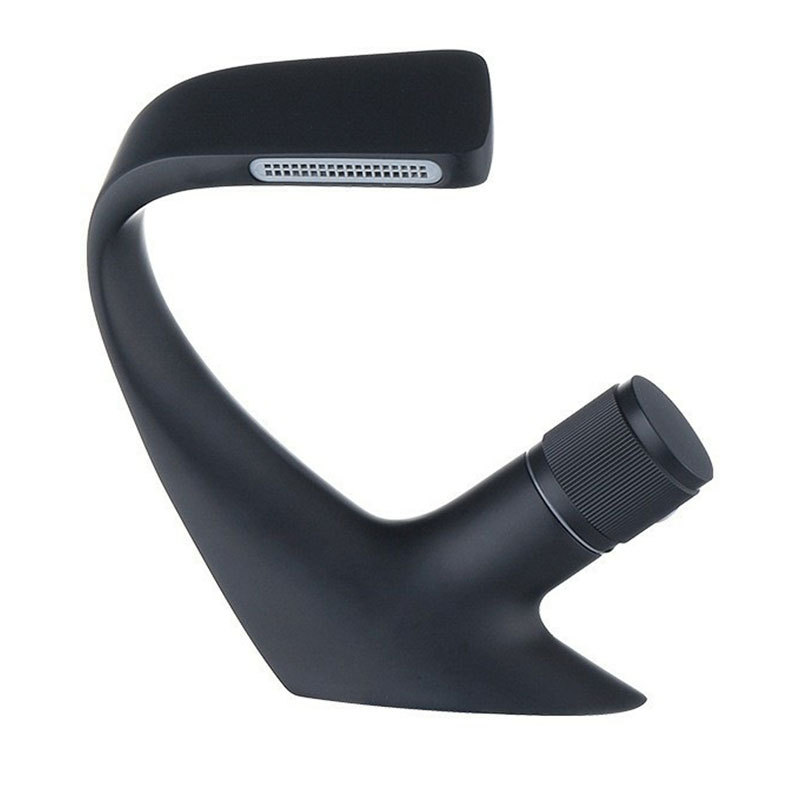
A buyer may like the silhouette of one faucet, the surface appearance of another, and the function of a third. Clarifying what the reference image is actually meant to communicate helps prevent the visible appearance from being mistaken for a complete technical specification.
For branded products, finish names should also correspond to approved samples or references. Translating a color name into Arabic, English, or another language should not create a different product identity.
Installation Conditions Still Need to Be Checked Market by Market
Regional positioning cannot replace installation information.
For project orders, buyers should provide the available connection details, mounting conditions, installation space, and other known site information. Renovation and replacement projects deserve particular attention because the new product may have to work with an existing installation.
Retail distributors face a slightly different decision. They need to decide which installation situations their stocked products are intended to cover and communicate those limits clearly to customers.
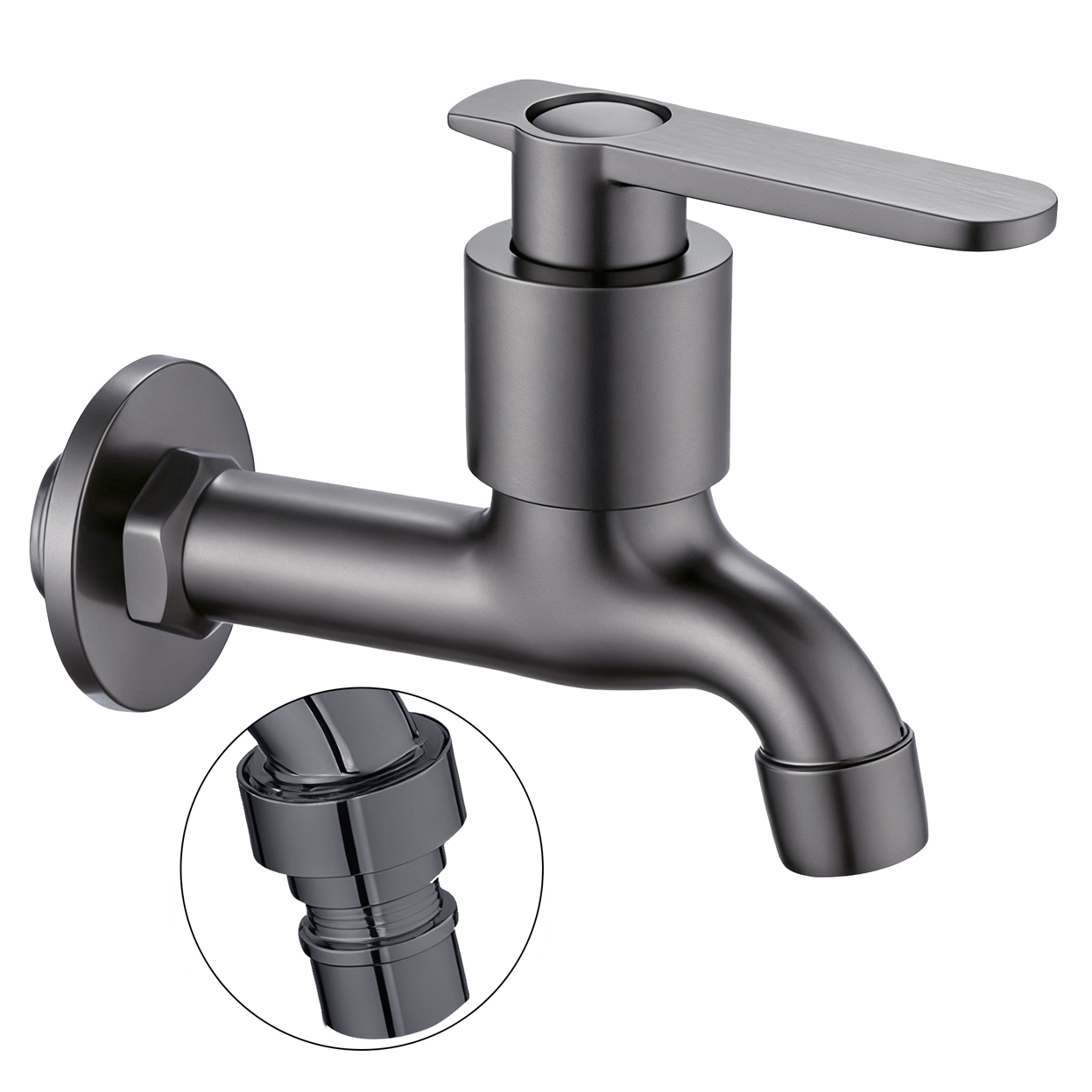
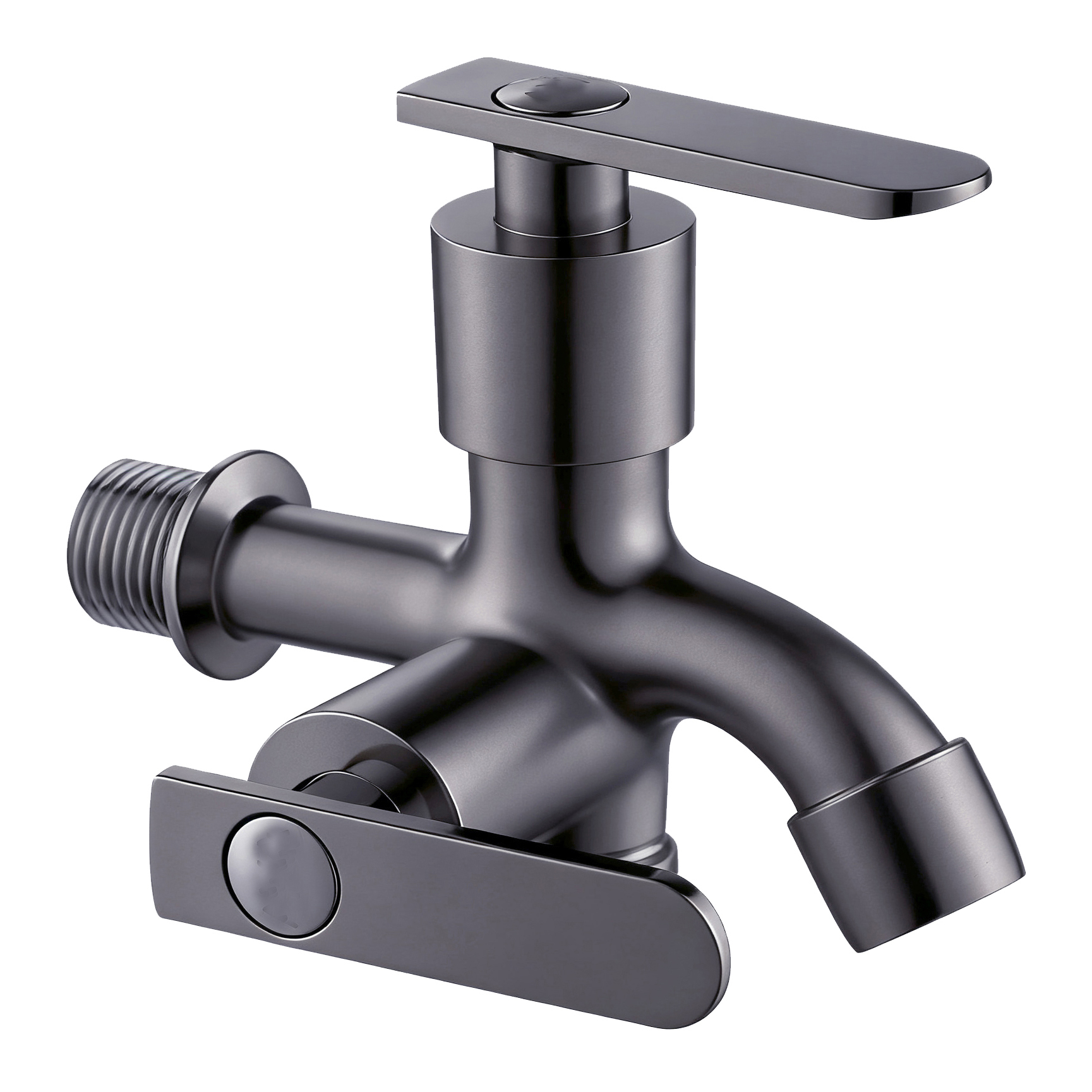
This becomes especially important when similar-looking products are supplied with different connections or installation versions.
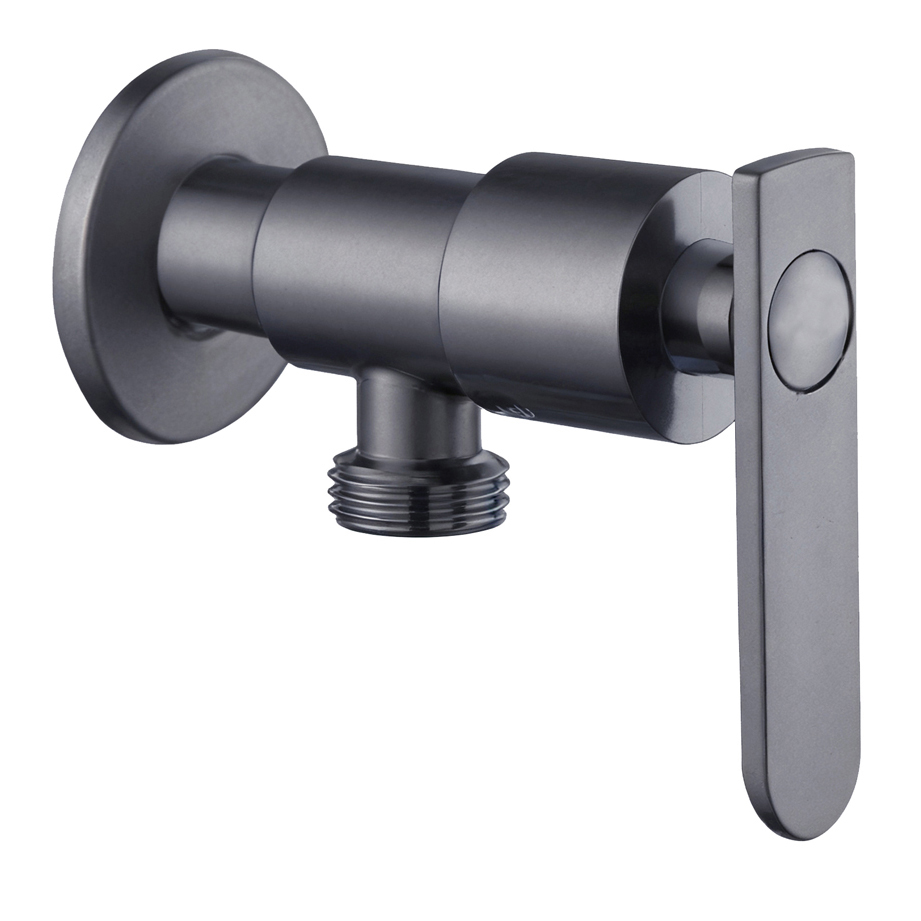
Shower systems and concealed products require even clearer coordination. A visible trim set does not tell the buyer everything about the components behind the wall. The relationship between visible and concealed parts should be confirmed before installation work progresses.
Special environmental or water-condition requirements should also come from the actual customer or project.
“Middle East conditions” is too broad to define one operating environment for every country and application. If a customer has specific concerns about water quality, cleaning practices, or maintenance, those conditions can be evaluated against the proposed product.
The goal is not to make the sourcing process more complicated. It is to prevent a regional label from hiding information that would normally be checked for any other market.
Compliance Also Starts with the Specific Country and Product
The same principle applies when evaluating a rubinetto del bagno exporter to Middle East markets.
There is no single document package that should automatically be described as the certification requirement for the entire Middle East.
The applicable requirements need to be checked according to the destination country, product category, intended use, and current local rules.
For a specific order, the buyer or responsible local party can identify what is required. The supplier can then show which documents are already available for the proposed model and which items still need further confirmation.
This distinction matters because having a familiar test report or certification mark does not automatically answer every market-access question.
The product name, model, brand, and responsible party should also remain consistent across technical documents, commercial documents, packaging, and product information. If the same model is described differently in different files, the discrepancy should be resolved before those documents are used for approval or sales.
For a private-label project, this becomes part of product planning rather than just packaging design.
A private label faucet for Middle East distribution may share the same design language across several countries, while individual configurations or documentation requirements still differ. A common brand identity therefore does not require every market to use an identical technical package.
Validate One Clear Market Before Expanding the Range
A practical first order can begin with one clearly defined country, one channel, and a manageable group of products.
The purpose is not simply to keep the order small. It is to create a complete feedback path.
The buyer can see how the approved samples translate into actual deliveries, how the products fit their intended installations, what questions customers or installers raise, and which models are reordered.
That information is more useful for the next assortment decision than a general claim that a product is “popular in the Middle East.”
Feedback should also remain connected to the product and its actual use. If a distributor reports an installation problem or customer complaint, the model, batch, installation environment, and observed issue provide a much stronger basis for investigation than a general statement that “the market does not like this model.”
The same principle applies when expanding a successful range. Repeat orders from one country or channel are useful evidence for that business. They should not automatically be treated as proof of demand across the entire region.
When discussing Middle East sourcing with YOROOW, buyers can therefore start with a specific country, sales channel, installation scenario, and required documentation. From there, candidate faucet configurations can be compared against real purchasing conditions.
Once those conditions are clear, discussions about additional finishes, product families, private-label development, and a broader assortment become much more meaningful.
The objective is not to find a faucet that is simply described as a “Middle East bestseller.” It is to build a product range that can explain where it will be sold, how it will be installed, what the buyer needs from it, and what evidence supports that choice.