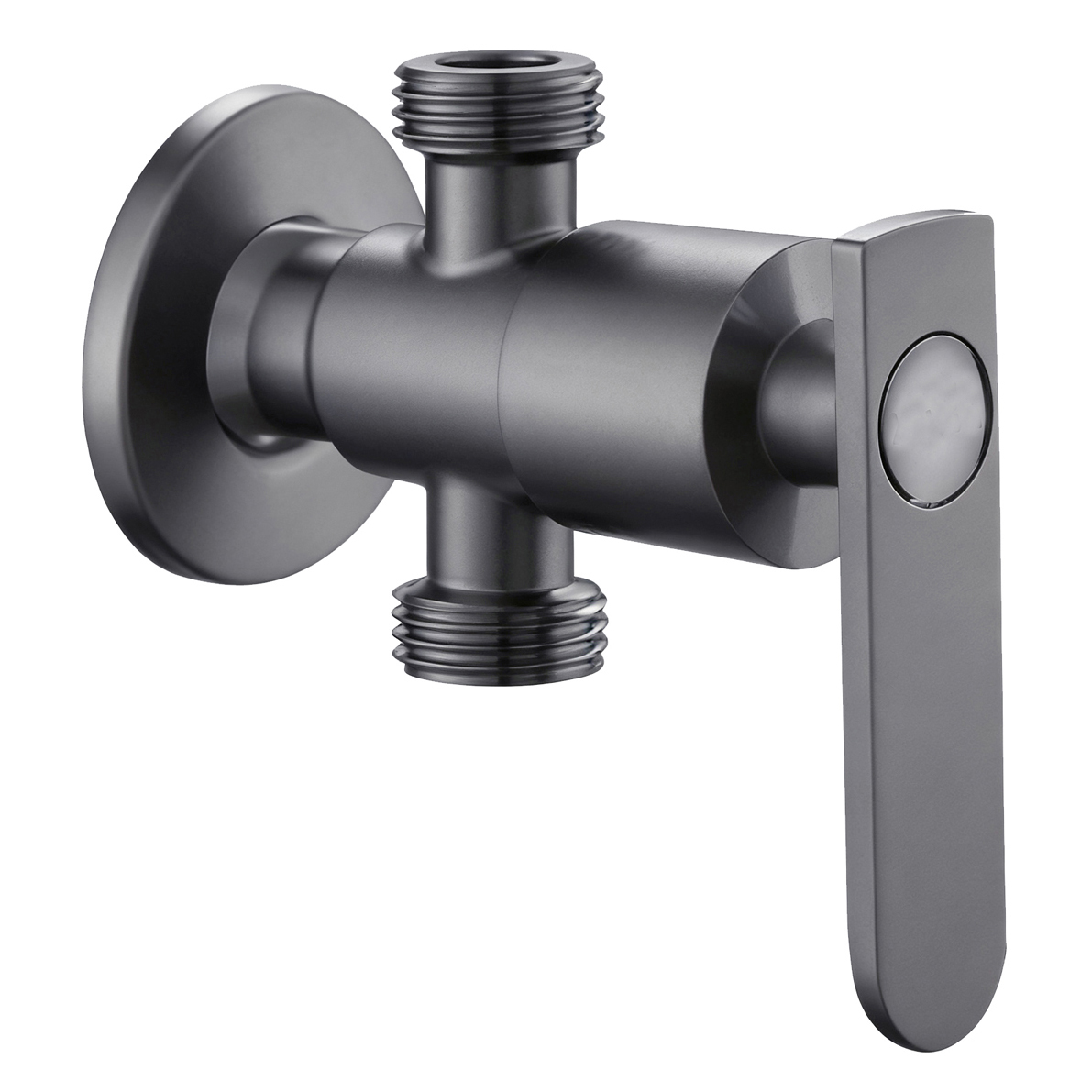




Hotel and apartment projects may require a large number of Kitchen Faucets.
If too many different specifications are used across floors, room types, or even production batches, the added variety may seem useful during procurement but create another kind of complexity once the project enters operation.
Installers have to work with different connections, maintenance teams need to identify different parts, and warehouses must stock more Spare Parts.
Hotel Apartment Kitchen Faucets Do Not Have to Be Identical in Every Room
What really needs to be standardized are the basic specifications that affect installation and long-term maintenance.
Ad esempio:
Installation method and key installation dimensions;
Water supply connection specifications;
Core internal components;
Common maintenance parts;
Main Finish.
The more consistent these conditions remain, the easier the project becomes to manage over time.
However, Standardization should not mean that an entire project can use only one model.
The real question is:
Which differences are worth keeping, and which differences only create unnecessary long-term management complexity?
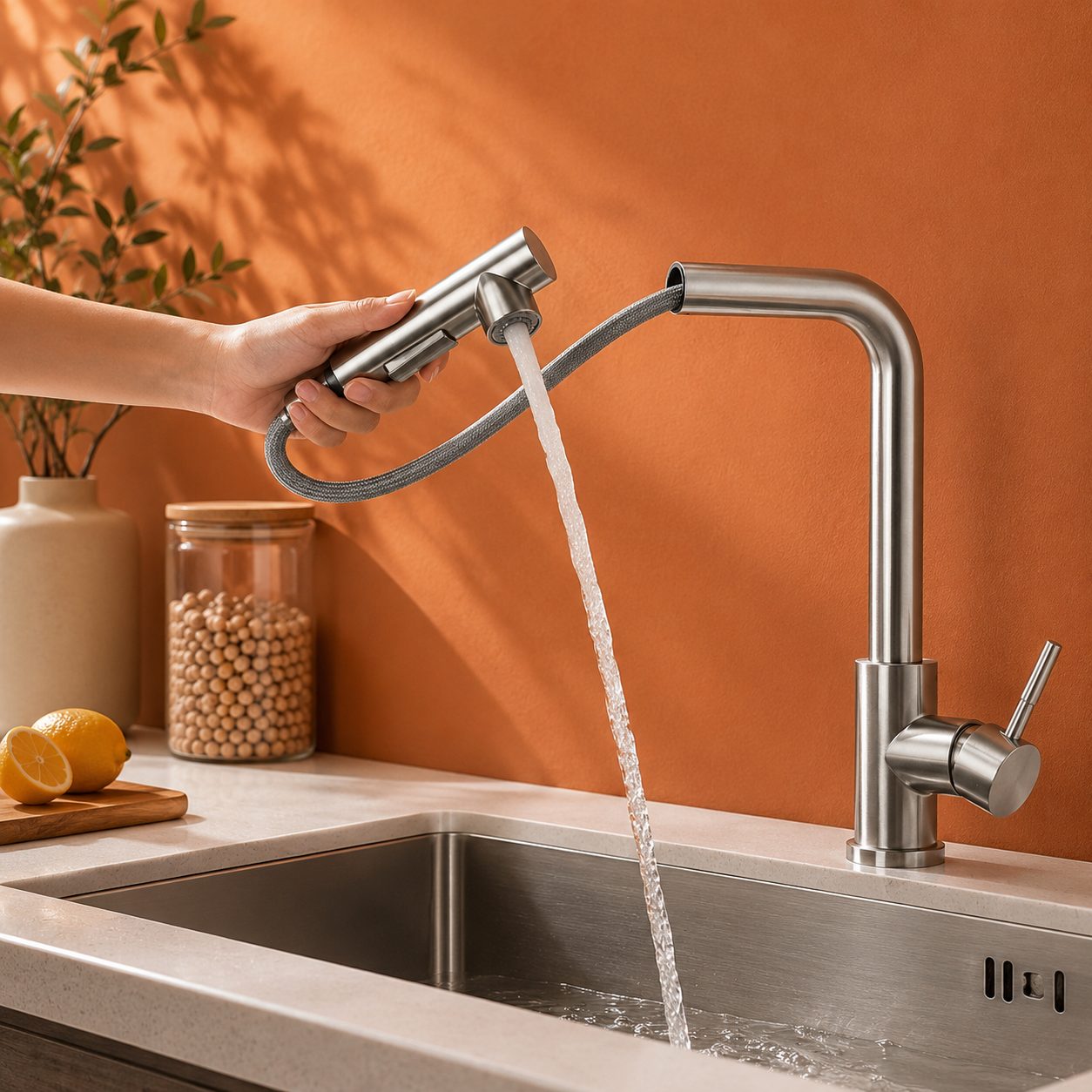
Appearance Can Vary While the Maintenance Platform Remains the Same
Different room types may require different appearances, dimensions, or product positioning.
Standardization should therefore not eliminate meaningful product differences.
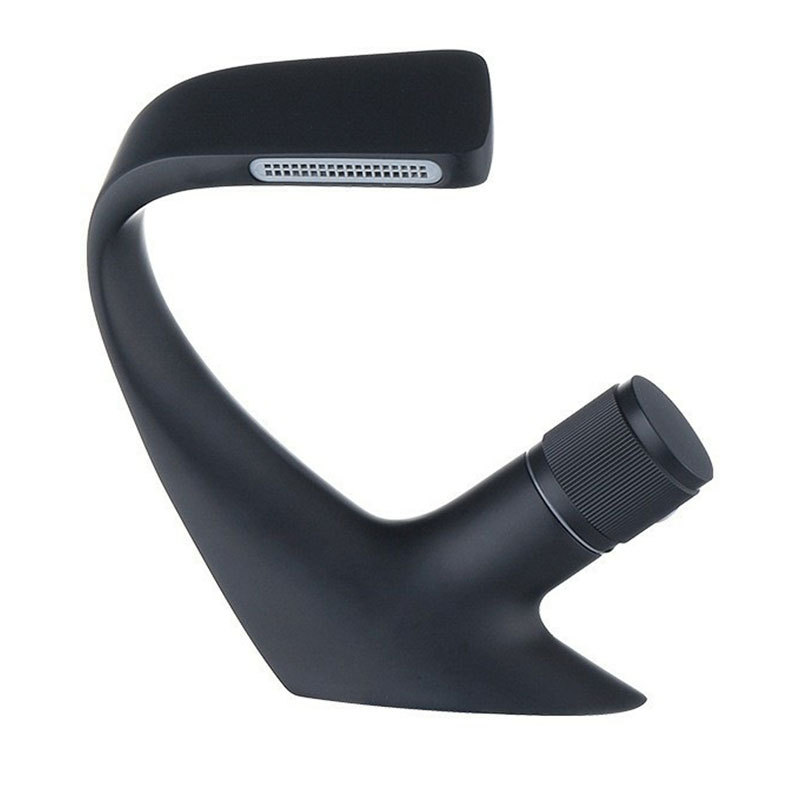
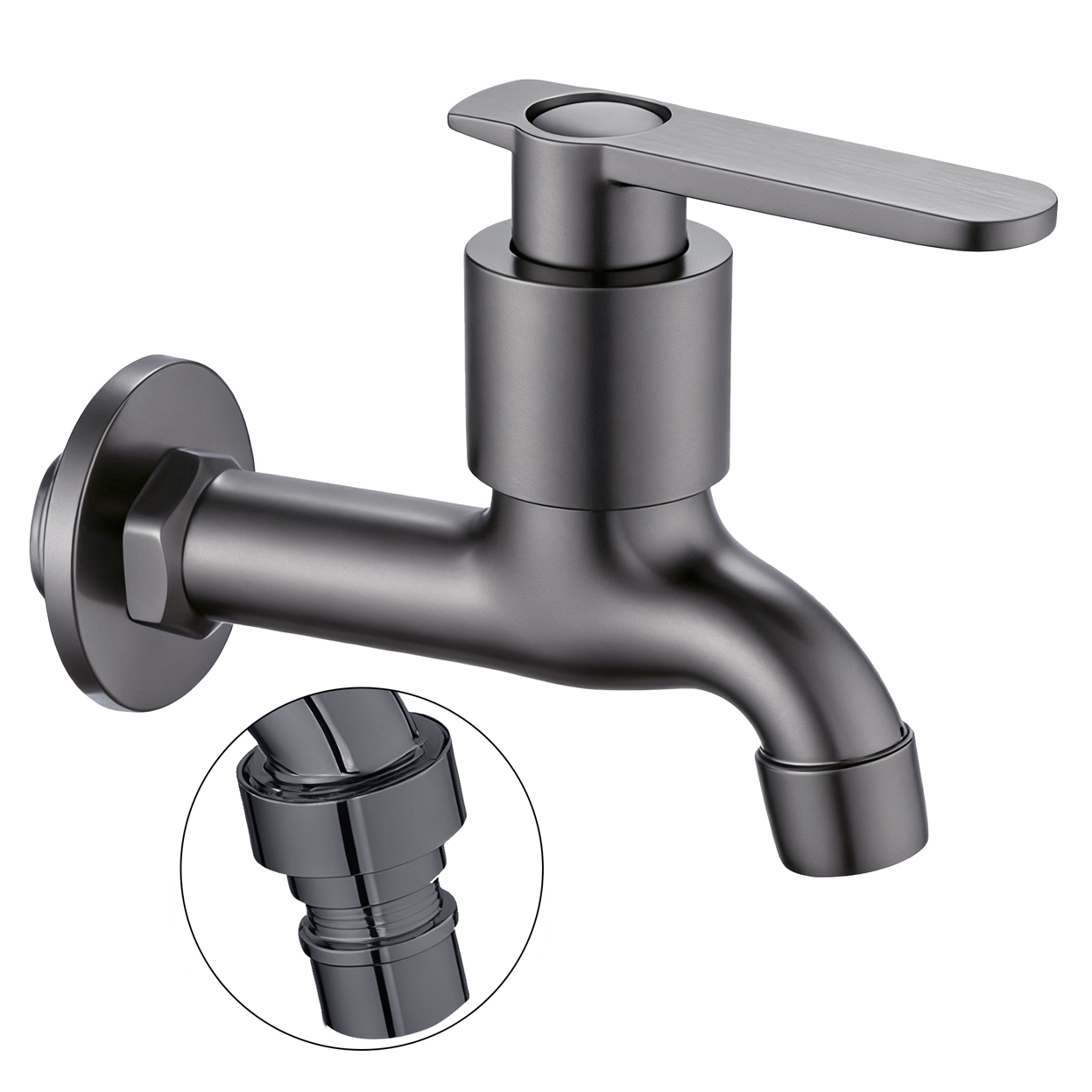
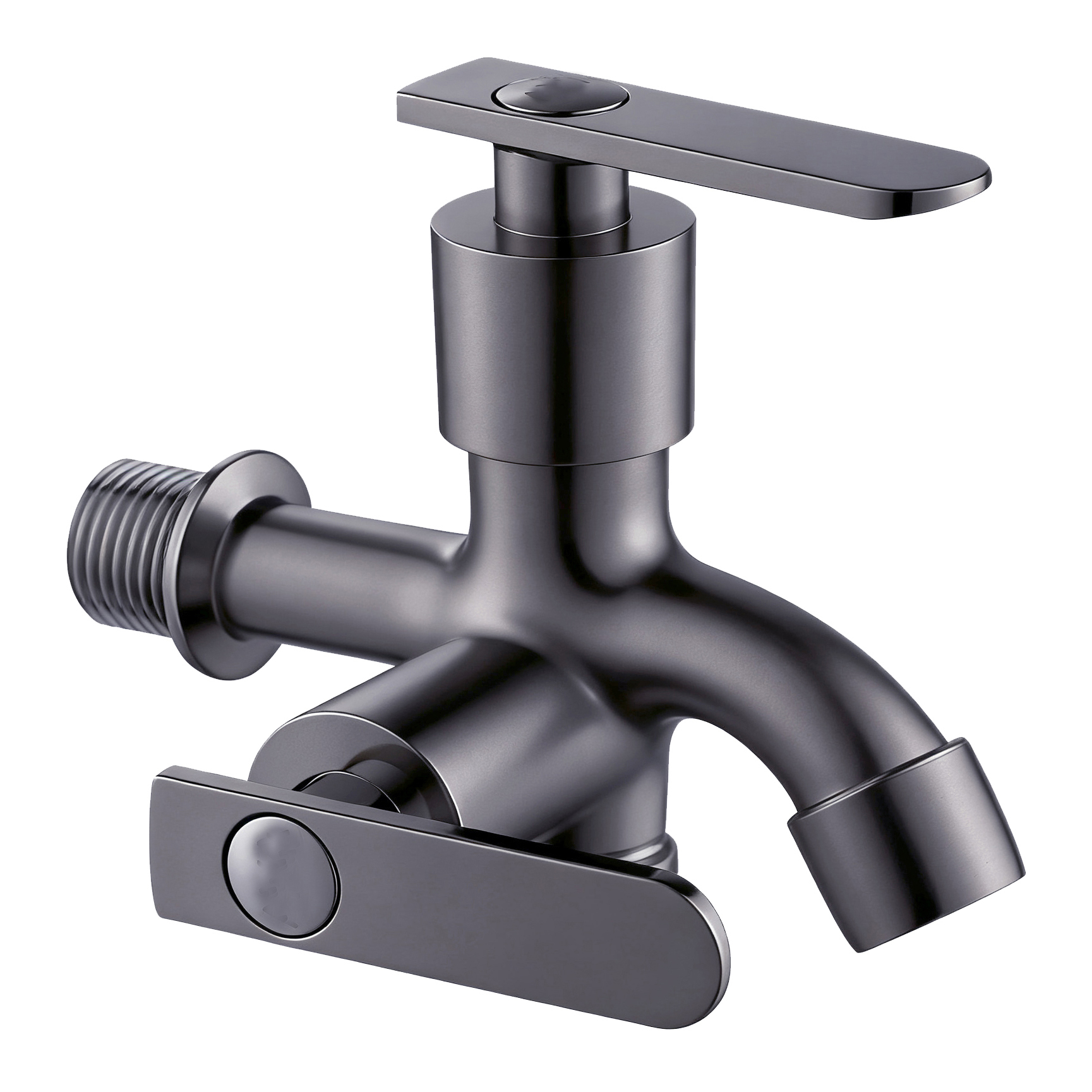
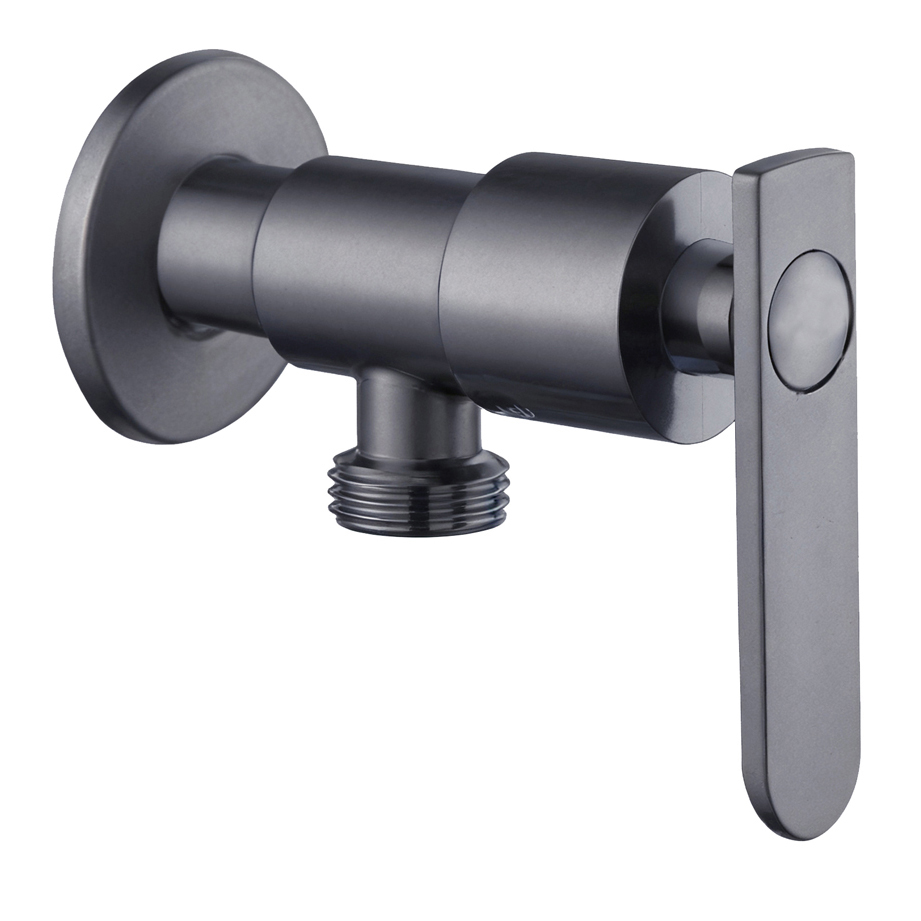
A more effective approach is to allow different faucet kitchen tap for hotel apartment kitchen models to vary in appearance while sharing key installation and maintenance conditions wherever possible.
For example, different room types may use different faucet heights, spout designs, or selected appearance configurations. However, if they can maintain the same water supply connections, some core components, or common Spare Parts, design differences do not need to create a completely separate maintenance system.
This creates a practical product strategy for hotel and apartment projects:
The appearance system can have different levels, while the installation and maintenance platform does not necessarily need to split at the same time.
The Value of Standardization Becomes More Visible After Project Delivery
During project construction, adding another specification may simply mean purchasing one more model.
Several years later, however, it may mean:
One more type of Cartridge;
One more type of connector;
One more installation method;
One more replacement specification.
Hotel Apartment Faucet Standardization therefore reduces the number of different specifications that need to be managed throughout the project lifecycle.
This is also why the full value of standardization may not appear in the initial purchase quotation.
An additional model may have a similar Unit Price, but if it requires separate Spare Parts, different installation conditions, and a different maintenance identification process, long-term management complexity has already increased.
Establish Shared Project Specifications Before Deciding Room-Type Differences
For projects involving many products, the requirements can first be divided into two groups.
The first group is the Project Baseline, which should remain as consistent as possible:
Connection;
Installation Interface;
Core maintenance components;
Basic Finish requirements.
The second group includes elements that can vary according to room type or product level:
Appearance profile;
Dimensions;
Selected functional configurations;
Design details.
The goal is not to maximize component sharing at all costs.
Instead, it is to prevent appearance differences from creating a large number of unnecessary installation and maintenance differences across the same project.
Meaningful product differences should be preserved.
Unnecessary specification fragmentation should be reduced.
That is the core of faucet standardization for hotel and apartment projects.