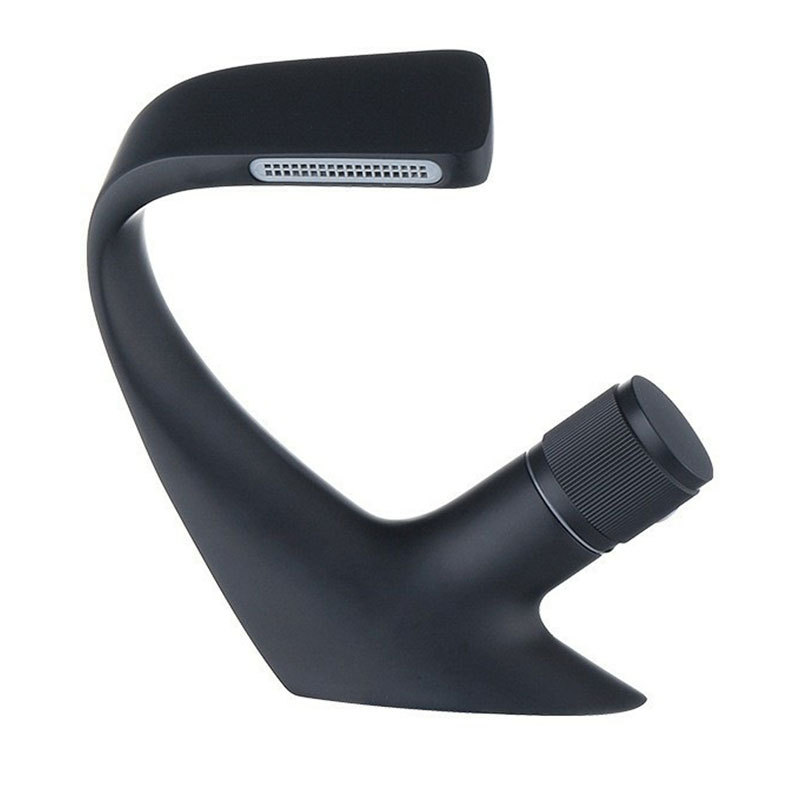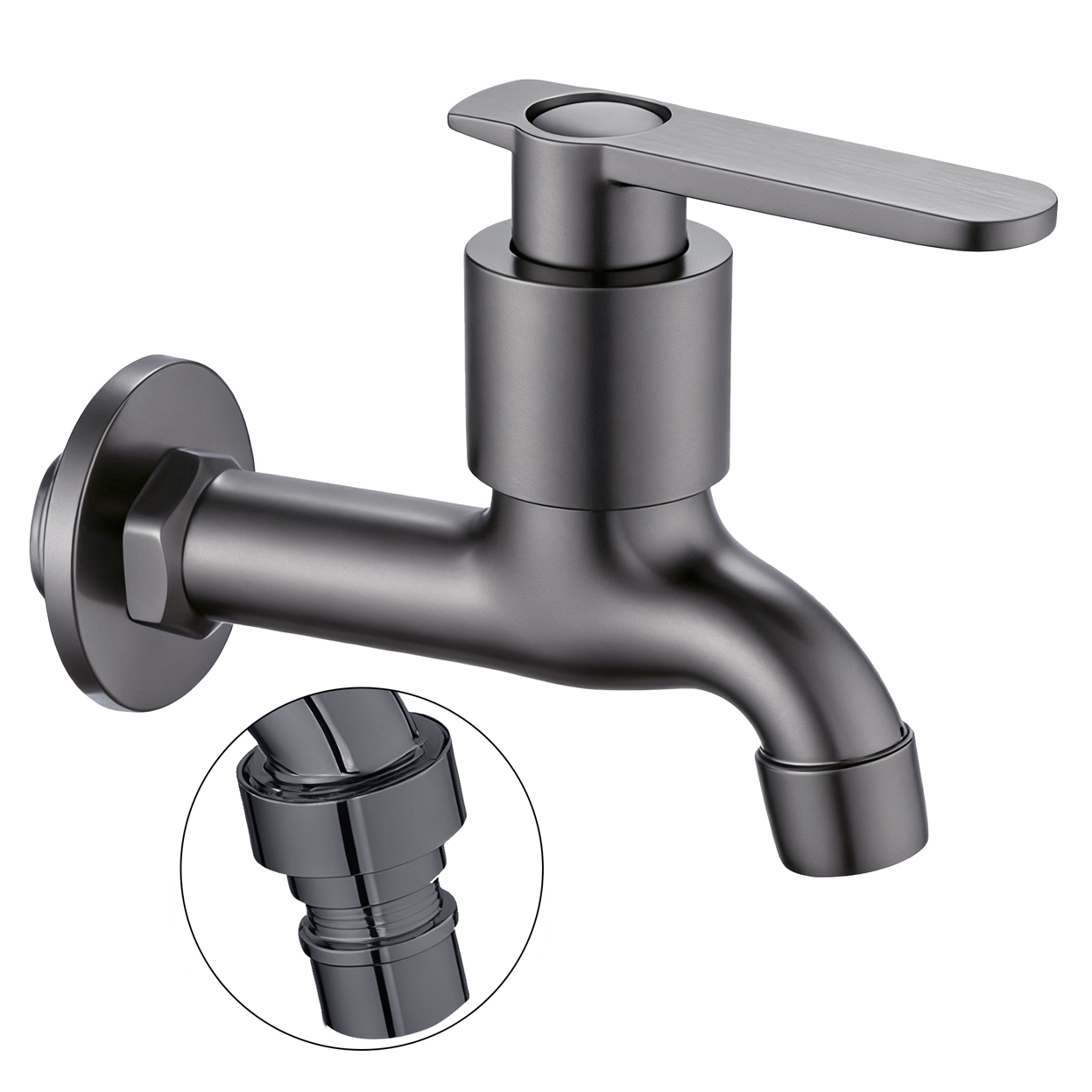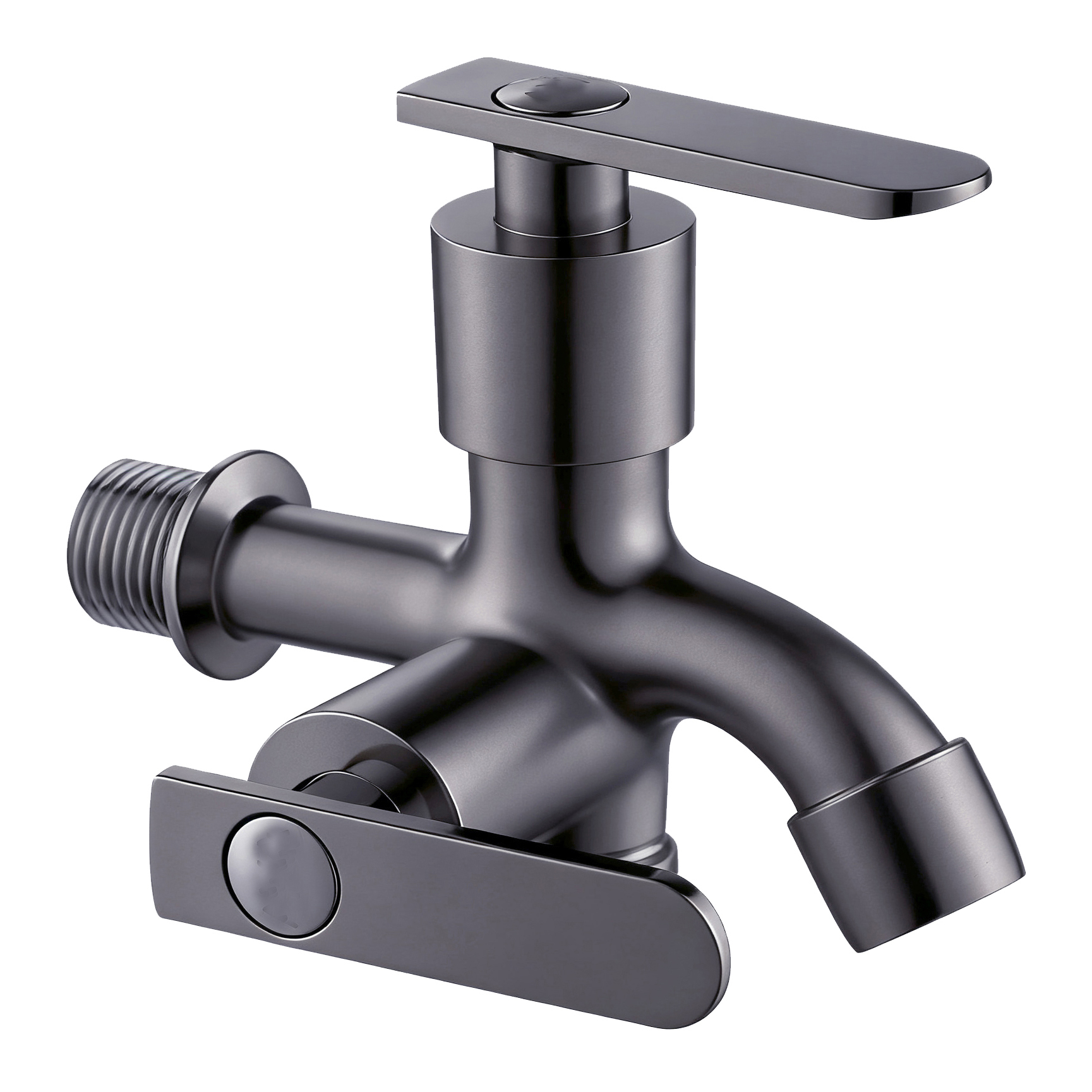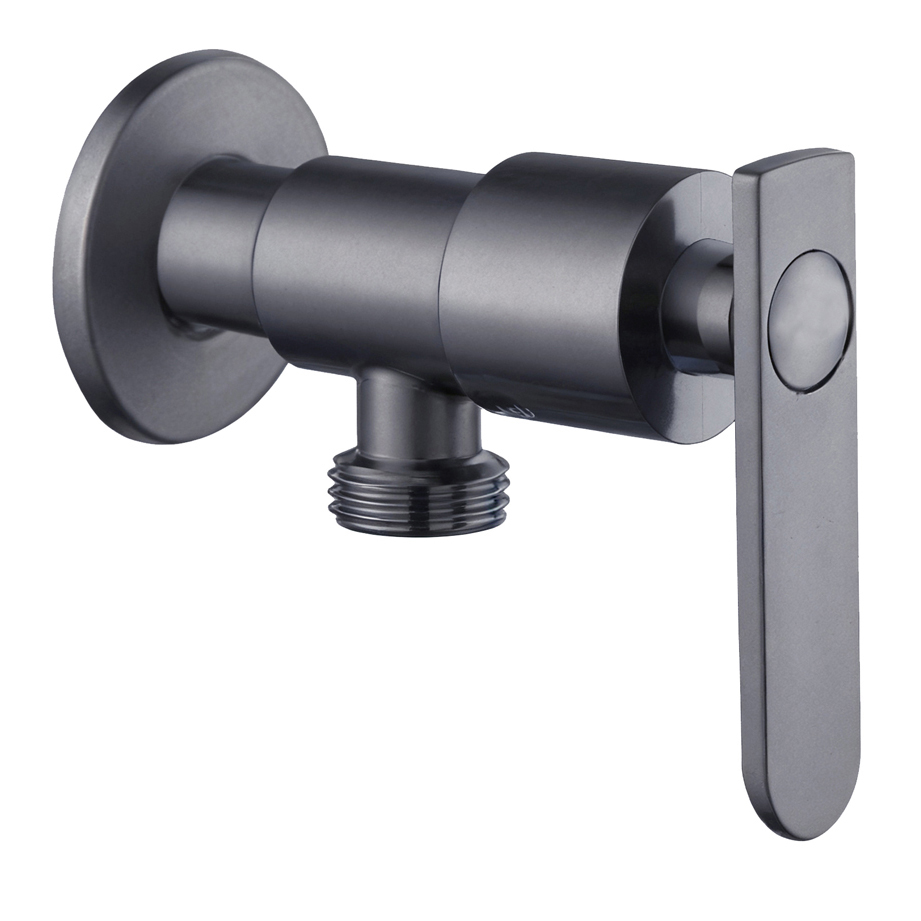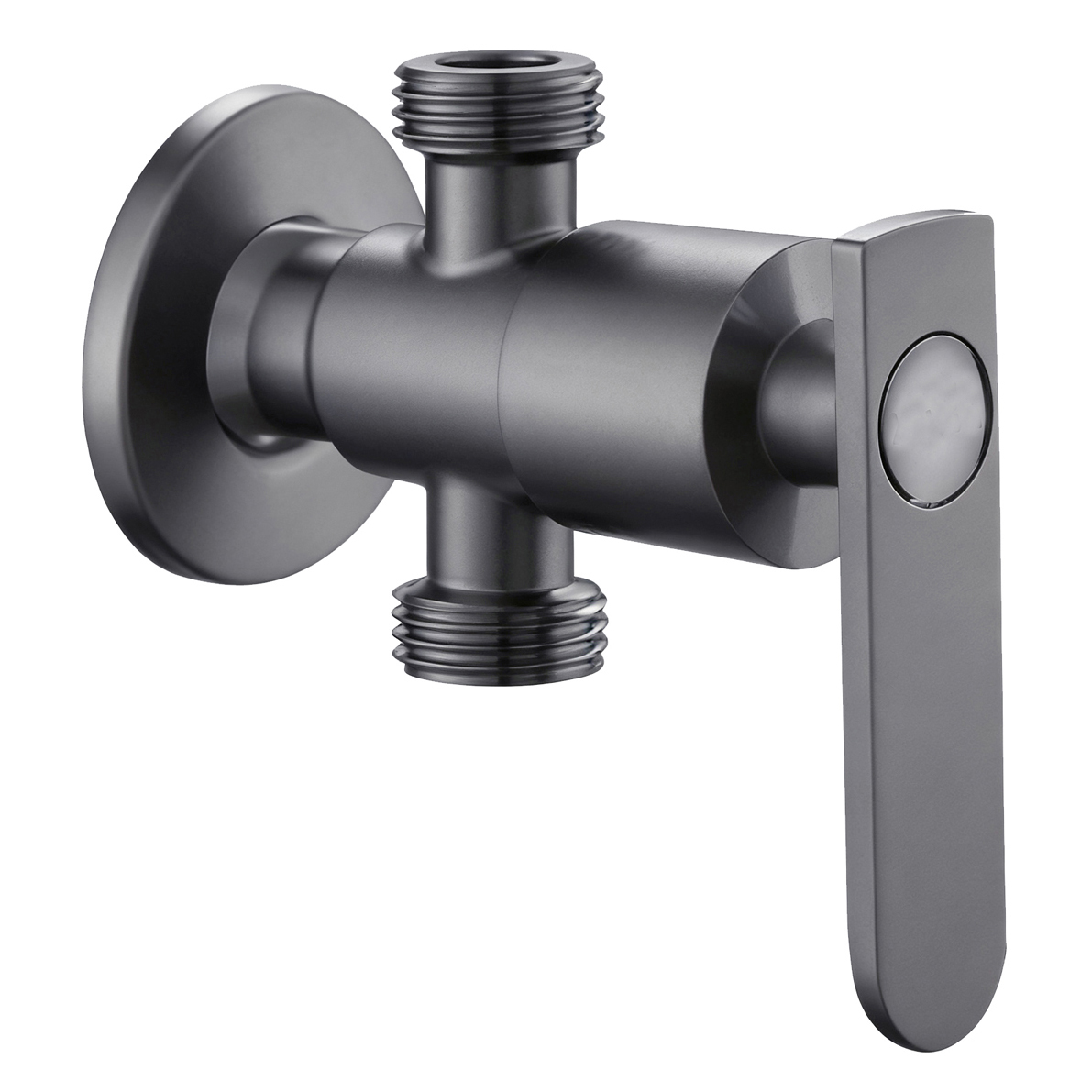




A Bathroom Shower Faucet does not move from a supplier quotation into the Brazilian market through only two cost items: product price and ocean freight.
This is especially true for a rubinetto del bagno and shower set.
The same product name can refer to very different component combinations, materials and packaging structures. If these basic conditions are not aligned, even several supplier quotations may not produce truly comparable Landed Cost figures.
From YOROOW’s product and export perspective, the first step before discussing import cost is to define exactly what product is being imported.
Fix the Product Composition First
Products called a “Shower Set” do not automatically share the same configuration.
Different Bathroom Shower Faucet models may include the faucet body, showerhead, hose, mounting parts and other installation accessories.
Changes in component quantity, body material or packaging structure will affect weight, volume and product information.
Before calculating Landed Cost, several basic data points should therefore appear on the same product specification:
- product composition;
- main material;
- net and gross weight per set;
- package dimensions per set;
- outer-carton dimensions;
- quantity per carton.
Only after these conditions are aligned does it become meaningful to compare the purchasing prices of two bathroom faucet and shower set products.
For example, a product with a lower FOB price may use significantly more packaging volume or fit fewer sets into each outer carton.
Its cost advantage may then become smaller during international shipping.
Packaging Is Part of the Landed Cost in Brazil
A complete set is more sensitive to Packaging Structure than a single Faucet.
The faucet body, showerhead, hose and small accessories all need to stay separated and secure within limited space. The packaging also needs to prevent finished surfaces from rubbing against one another.
A loose packaging structure reduces the number of products that can fit into the same shipping space.
For this reason, when YOROOW compares Bathroom Shower Faucet export options, the more useful question is not simply:
“How much does one color box cost?”
The actual shipping data after packaging matters more.
Package volume per set, outer-carton gross weight, carton quantity and planned shipping method should all enter the same cost comparison.
This is one reason why two Shower Sets with similar purchasing prices can still arrive in Brazil at different total costs.
NCM Cannot Be Determined From the Website Product Name Alone
Brazilian import cost also depends on product classification.
Brazil uses the NCM system for customs and tax administration. Receita Federal explains that applicable import duties and related tax treatment must be checked against the actual NCM classification.
Brazil’s official import simulator can then show potential taxes, administrative requirements, restrictions and the government agencies responsible for the relevant product category.
A Bathroom Shower Faucet should therefore not use a historical NCM or tax rate simply because the website title says “shower set.”
The classification still needs to return to the actual product:
- Which components are included?
- What is the main product?
- What are the primary materials and functions?
- In what form will the product be imported?
For set products in particular, a change in the product combination can justify checking whether the previous classification still applies.
Product Definition Is the Real Starting Point for Landed Cost
If the product specification, packaging and classification are not yet aligned, asking “What is the import tax in Brazil?” too early can produce a number that looks precise but cannot support a final cost comparison.
A more useful sequence is:
Product Definition → Packaging & Loading Data → NCM Confirmation → Import Requirements & Taxes → Logistics → Landed Cost
This is also the logic YOROOW applies when preparing product options for the Brazilian market.
Landed Cost is not a financial formula that can be separated from the product itself.
Only after the products being compared are the same, or at least truly comparable, can purchasing price, logistics and import charges form a meaningful cost comparison.