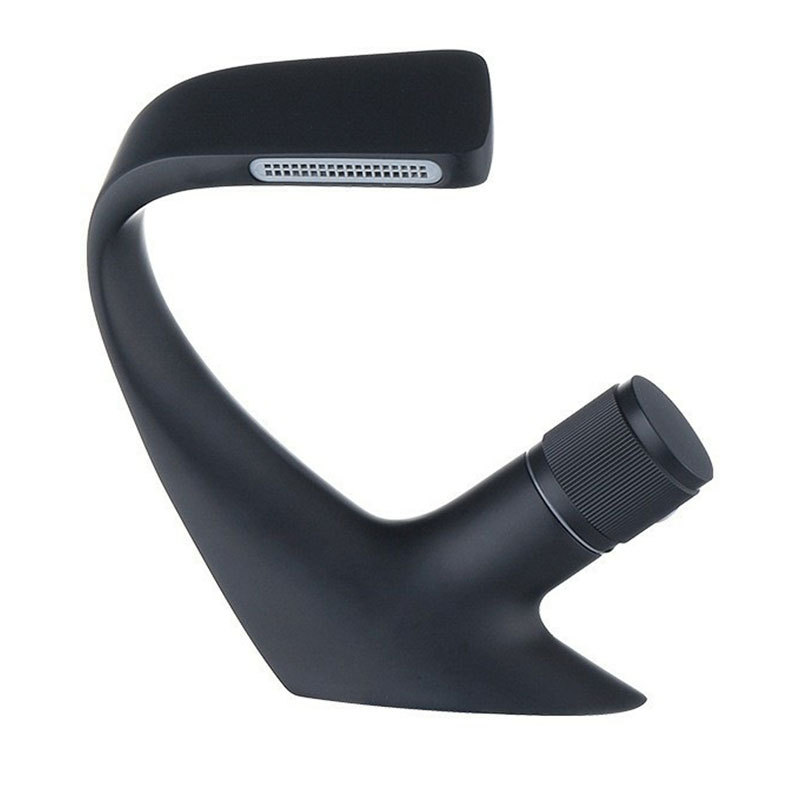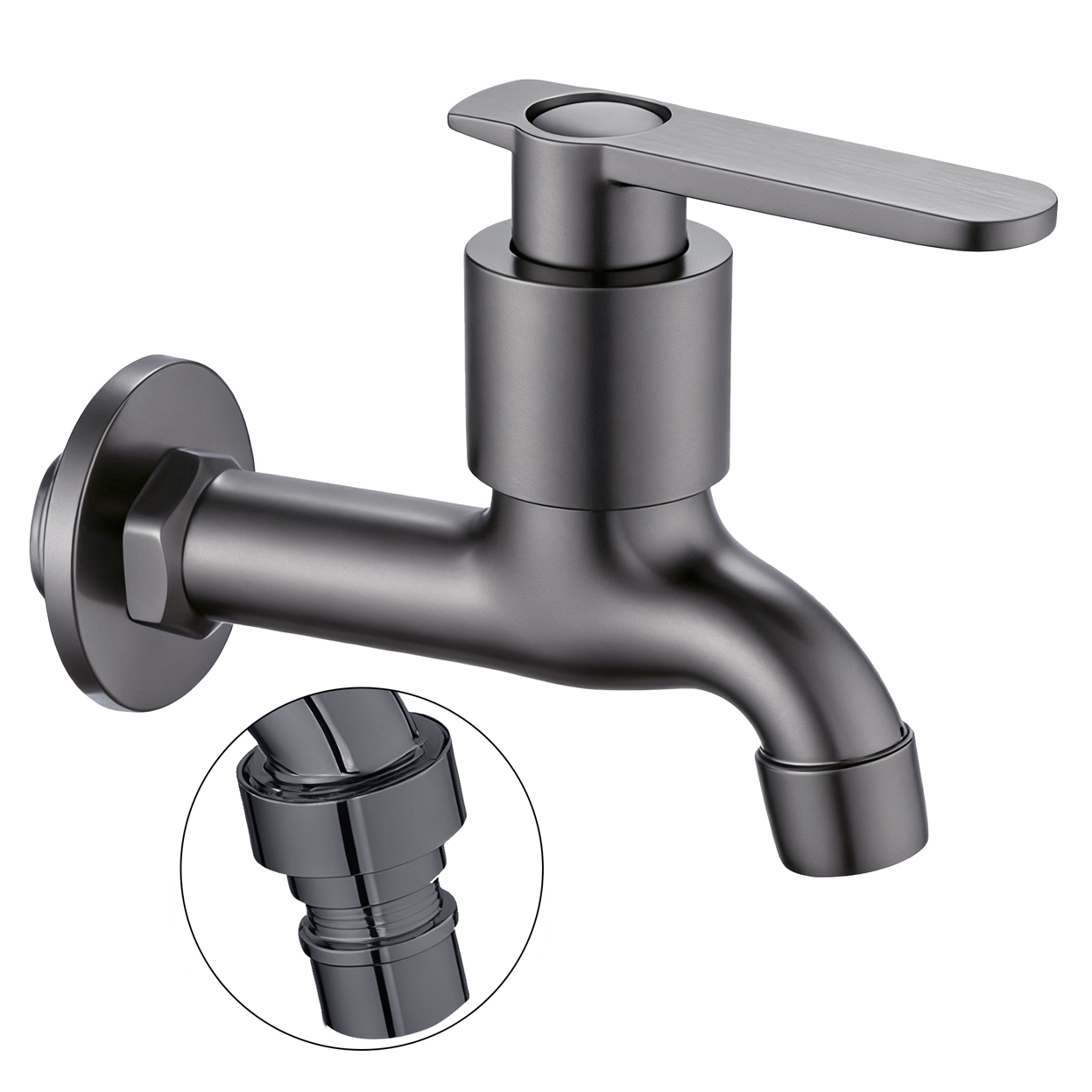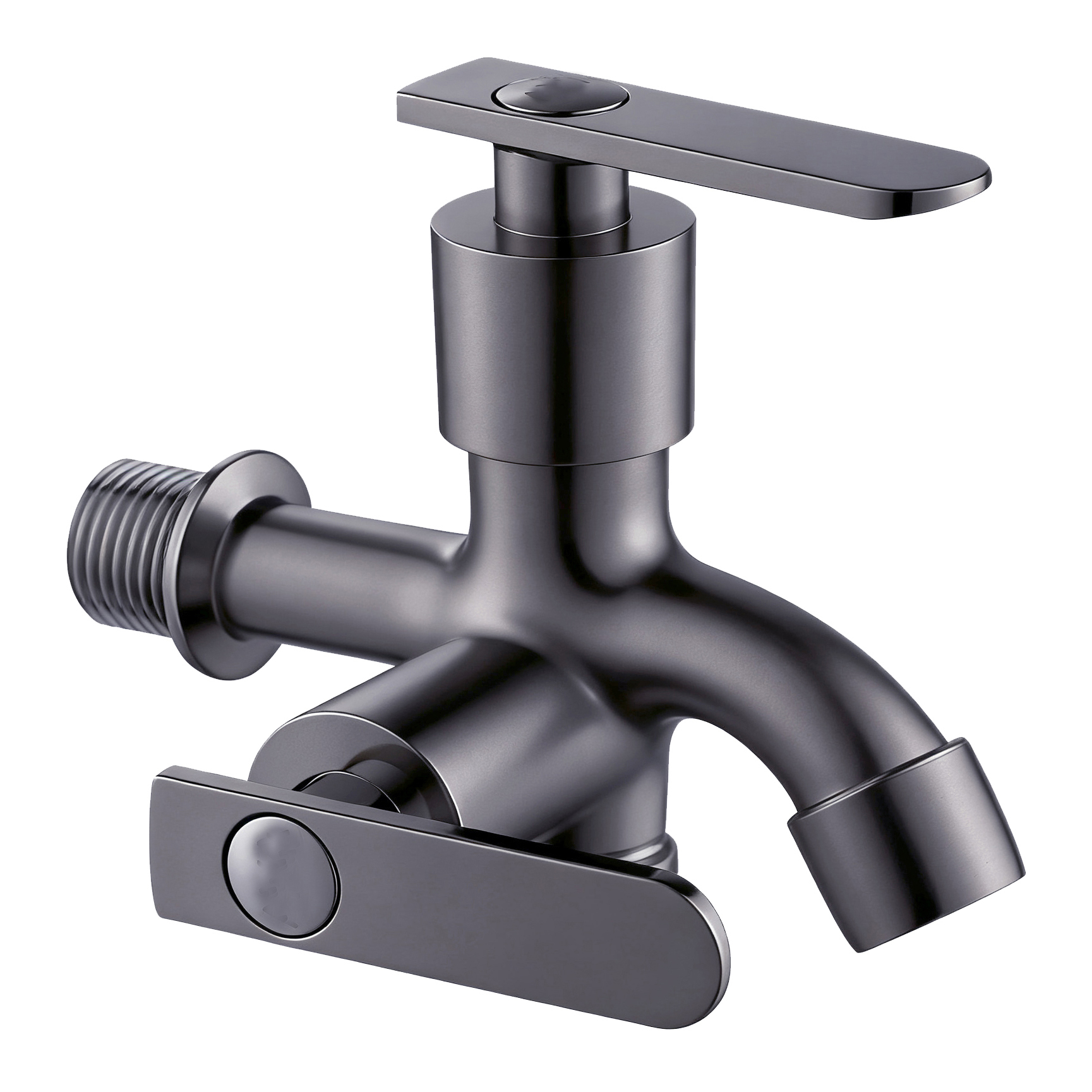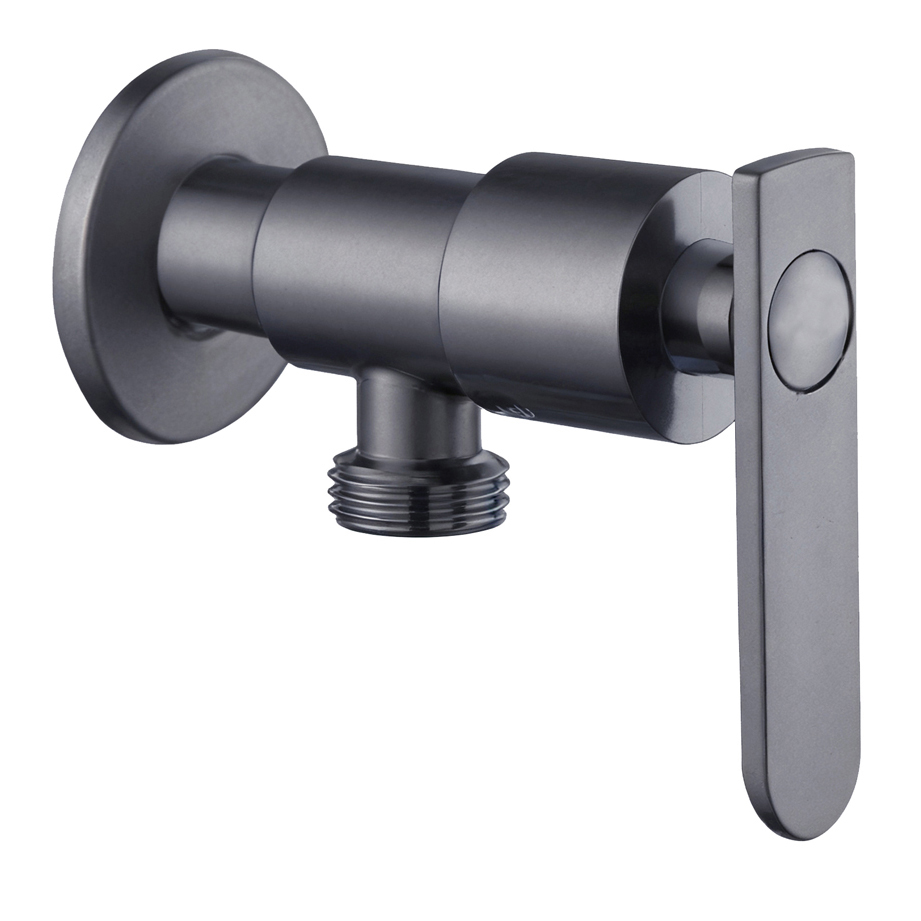




Older hotels, apartments, and commercial bathrooms often come with existing plumbing conditions.
In these projects, appearance is not always the first question.
Project teams first need to know whether the new shower faucet can work with the existing hot and cold water outlets.
Design still matters. However, renovation projects also bring installation changes, connection compatibility, maintenance, and future replacement into the selection process.
For this reason, buyers should not evaluate an Exposed Shower Faucet only from product photos.
They also need to consider what happens after installation.
Can maintenance staff reach the main components easily?
Can they replace the faucet later without changing the whole wall structure?
These questions can directly affect whether the product suits the project.
Renovation Projects Must Work With Existing Installation Conditions
New construction gives project teams more freedom.
They can decide water supply positions, pipe layouts, and product specifications before installation starts.
Renovation projects work differently.
The walls, water outlets, pipework, and finished surfaces may already exist.
This makes installation compatibility much more important.
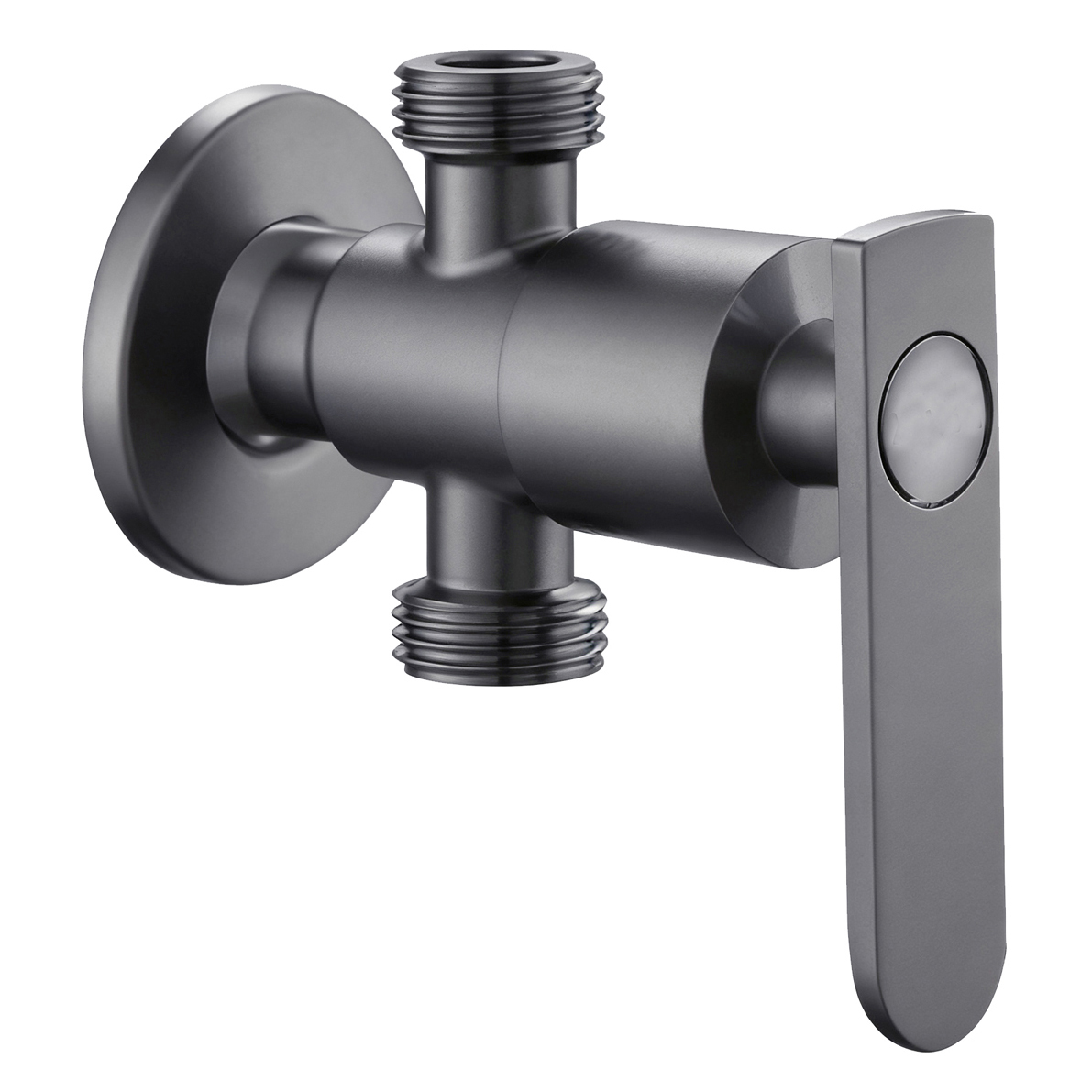
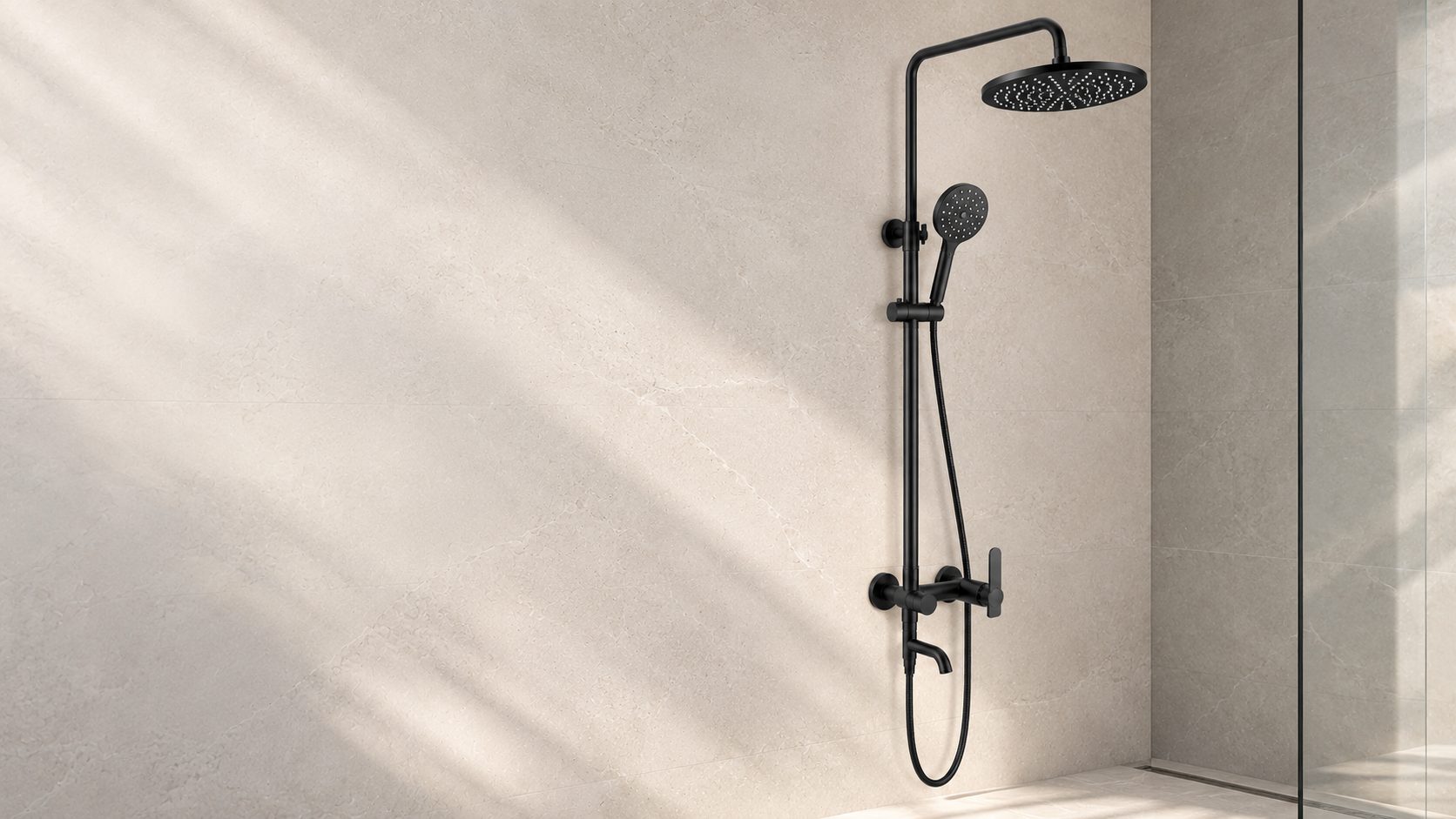
Un Exposed Shower Faucet keeps its main body and most connection points outside the wall.
That allows installers to check the relationship between the faucet and existing water outlets more directly.
A concealed system places more of the valve structure inside the wall.
Even so, this does not mean every renovation project should use an exposed model.
The real question is whether the existing site conditions match the faucet.
Project teams should check the center distance between the hot and cold outlets.
They should also confirm the connection size, wall finish, and available adjustment space.
These factors can determine whether an exposed bath shower faucet can fit the existing installation.
Because of this, project supply needs more than a front-view product image.
Dimensions and connection details become just as important as appearance.
Maintenance Access Is Part of Product Selection
A shower faucet repair causes inconvenience in any home.
In a hotel or rental apartment, the impact can be greater.
A bathroom problem may prevent a room from returning to normal use.
At that point, maintenance becomes an operating issue rather than only a product issue.
Project teams therefore need to consider how maintenance will actually happen.
Can staff identify the fault quickly?
Can they reach the cartridge or connection parts?
Will the repair require damage to the finished wall?
These questions matter before the product enters the project.
Retailers that handle both normal sales and renovation orders can also separate their product information into two layers.
The retail page can focus on the product appearance and basic specifications.
The project file can include more technical information.
For example, it can record the original outlet layout, center distance, finished wall thickness, and maintenance space.
It can also show how to identify replacement cartridges and other common components.
One detail often causes problems on site: the space hidden behind decorative covers.
A drawing may show the correct center distance.
However, the installer may still lack enough room for sealing or tightening.
A sample-room check can reveal these problems early.
It often costs less to test one difficult installation first than to correct dozens of rooms later.
This does not mean exposed faucets will fit every old plumbing system.
It simply shows why site conditions should guide the decision.
This is also where the Exposed Shower Faucet can offer practical advantages.
Its exposed structure keeps the valve body, handle, and connection areas within easier reach.
Maintenance staff may inspect some problems without opening the wall.
However, dimensions still matter.
If the faucet does not match the existing outlets, the project may still require extra installation work.
So buyers should not treat “easier maintenance” as an automatic advantage.
They need to consider maintenance access together with actual site conditions.
Project Replacement Is Different From Retail Replacement
A homeowner can replace an old shower faucet with a completely different style.
A hotel or apartment project often cannot make changes so freely.
Many projects use the same product across dozens of rooms.
Several years later, only a small number of rooms may need repair.
The property usually wants to replace those products without changing the original installation layout.
This makes replacement compatibility important.
When retailers recommend an exposed shower faucet for renovation work, they can provide more than basic retail information.
They can include installation dimensions, connection methods, and replaceable components.
They can also record whether later versions keep the same key installation conditions.
This information may not make the product look better on a retail shelf.
However, it can reduce the work required for future replacement.
Project Supply Brings Maintenance and Replacement Into the Selection Stage
Renovation projects often contain more than one type of existing installation.
Some rooms may reuse the original outlets.
Others may need adapters.
A third group may require pipe changes.
Project teams can divide the rooms into these groups before full installation starts.
They should also use the first sample rooms to test the most difficult conditions.
This gives the project manager a clearer view of the real installation cost.
Retailers may also use one product for both retail stock and project supply.
They can pack the same model as a single retail unit or in project cartons.
However, the core specifications should stay under control.
The main connection parts, cartridge, and assembly structure should remain consistent.
If one project needs a special connector for old pipework, the supplier should manage it as a separate project version.
That change should not enter normal retail stock without clear identification.
The same principle applies when a retail model receives a design update.
For example, the handle shape may change while the main installation dimensions remain the same.
Procurement and engineering teams should still confirm compatibility before adding the new version to a replacement list.
They should also keep samples and change dates.
Future maintenance staff can then check whether warehouse stock still matches the installed product.
Good project supply often proves its value years later.
A compatible replacement can prevent one round of rework.
A clear specification record can save another site inspection.
These results start with product control before the first order.
Retailers do not need to turn every shower faucet into a special “project model.”
Instead, they can identify which existing products suit renovation conditions better.
Un Exposed Shower Faucet can still remain a normal retail product.
However, once it enters a hotel or apartment renovation project, the selection process needs another level of review.
Do the existing outlets match the product?
Can maintenance staff reach the important components later?
Which dimensions must stay unchanged if the project needs replacement in the future?
These questions often matter more than simply adding more finishes or design options.
What Should Remain Accessible for Future Maintenance?
Project product information should not stop at appearance and basic specifications.
If a model will serve renovation projects over a long period, buyers need clear installation information.
They also need stable connection details and replaceable-part references.
YOROOW can support this process by keeping these key product details clear.
For long-term project supply, consistent installation dimensions can make replenishment easier.
Clear component information can also simplify maintenance decisions.
When retailers move from normal product sales into hotel, apartment, or commercial renovation supply, design still matters.
What changes is the role of the product after installation.
Once the faucet enters a space that must operate for years, maintenance and replacement start to carry measurable value.