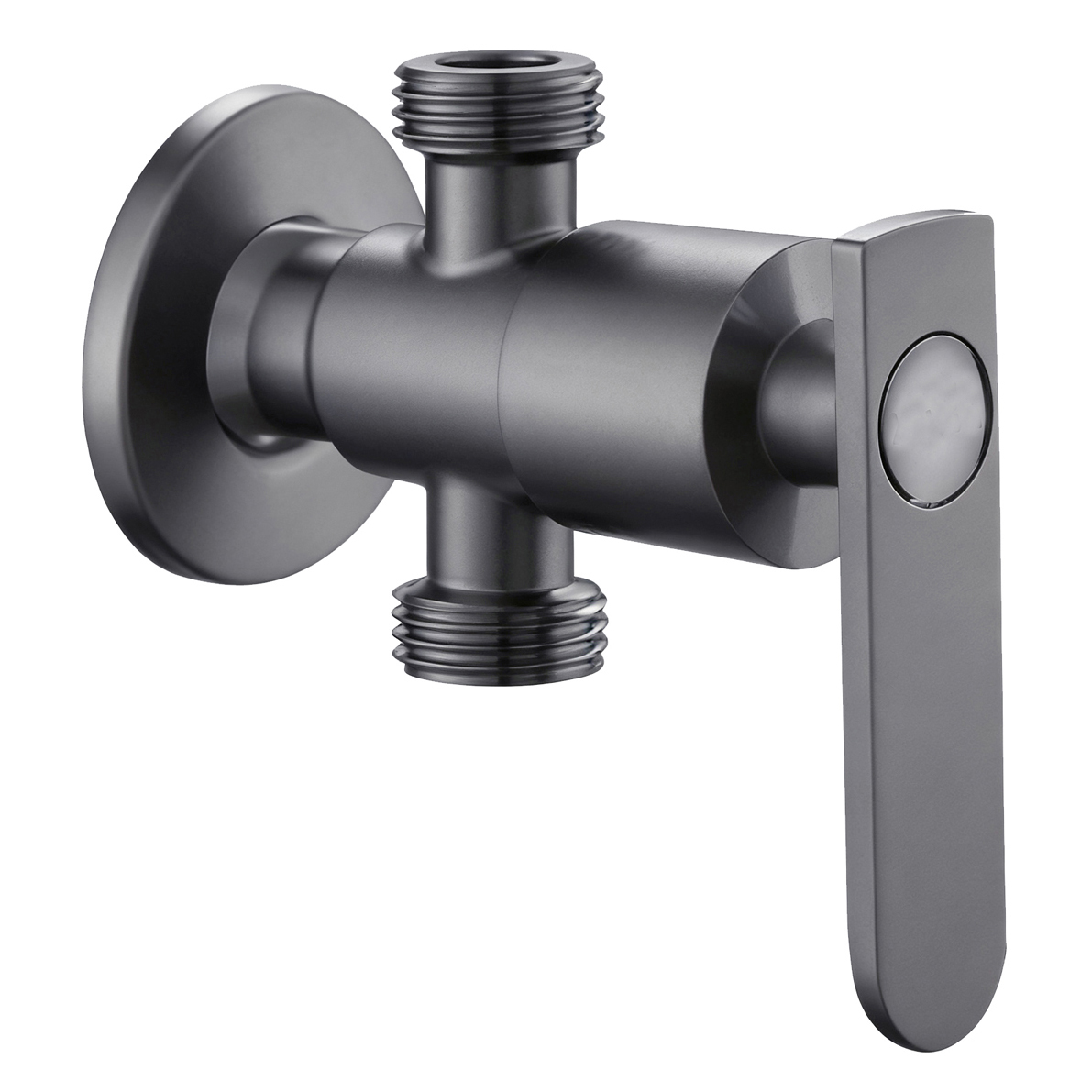




It is easy to notice that a product range is “missing a product.” The harder part is determining whether the real gap is a valuable new function or simply another visual variation of an existing product.
Without distinguishing between the two, filling gaps in a product range can easily turn into continuously adding more SKUs.
Real Gaps Come from Needs Existing Products Cannot Solve
Suppose the current kitchen faucet range mainly offers standard hot and cold water functions. When a Three Way Kitchen Faucet is considered, the key question is not whether “three ways are more than two,” but whether it solves a usage need that existing products cannot cover.
For example, Rubinetti da cucina a 3 vie can bring different water supply requirements together at a single kitchen water point. This is fundamentally different from simply changing the handle design or Finish. The former may provide new functional coverage, while the latter is usually a product variation serving an existing need.
This is the starting point for identifying a Functional Gap.
If the third waterway is used for drinking water, the functional difference also needs to be evaluated against the actual requirements of the target market. For example, NSF/ANSI/CAN 372 addresses lead content in drinking water system components and sets a maximum weighted lead content of 0.25% for most relevant components. NSF/ANSI/CAN 61 focuses on the potential health effects of materials, components, and products that come into contact with drinking water.
This does not change the logic for identifying a Functional Gap. However, it does show that “the product range is missing this function” and “a specific model is suitable for filling this gap” are not necessarily the same conclusion.
Evaluate the Product Range, Not Just the New Product
A new function may sound attractive, but that does not automatically mean the product range needs it.
The first step should be to review the existing portfolio. What kitchen water needs do current products already solve? Which needs can only be met through other products or additional equipment? Do existing SKUs already provide similar solutions?
If the function offered by a three way tap kitchen faucet is already effectively covered by other products, adding it may simply provide another way to achieve the same result.
However, if it fills a clear usage scenario that the existing product portfolio does not cover, it becomes a genuine addition to the range.
Functional Gaps and Style Gaps Should Be Evaluated Separately
A product range may genuinely be missing a certain color, shape or design style, but that is not the same as a functional gap.
Both can justify adding a product, but they should be evaluated separately.
A functional gap asks:
What user requirement can our current range not address?
A style gap asks:
Which product expression is missing even though the underlying function is already covered?
When these questions are mixed together, a range can appear extensive because it contains many visual variations while still leaving important functional needs unaddressed.
Instead of beginning with “Which product don’t we have yet?”, a better starting point is to ask which clearly defined usage requirements remain unresolved by the existing range.
Only when that answer is clear is a new product truly filling a portfolio gap rather than simply increasing the SKU count.