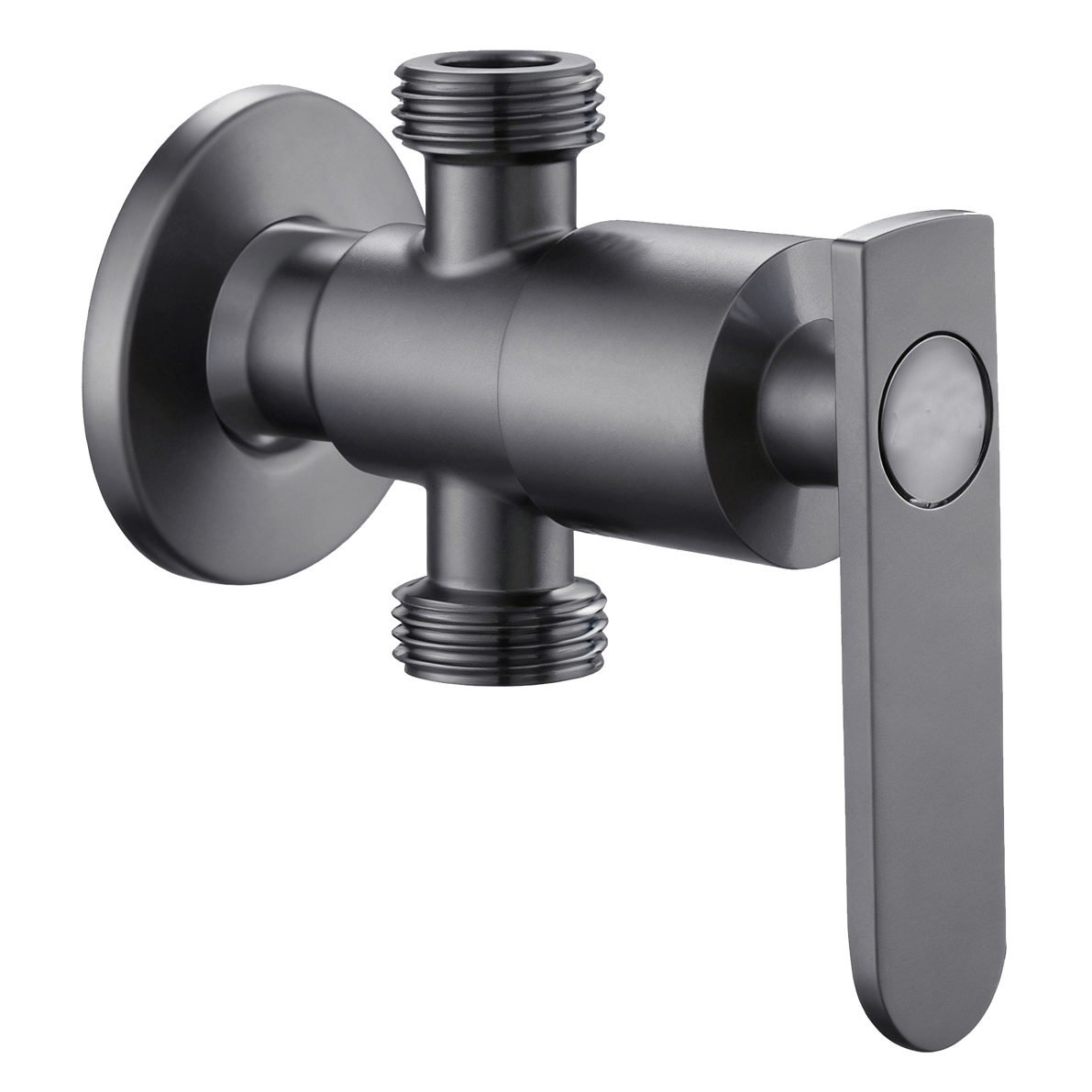




Exposed shower systems and concealed shower systems are two common types of bathroom shower products.
The main difference lies in the installation position of the valve body and connecting pipes. An exposed system places the main control components outside the wall, while a concealed system hides the valve body and some connecting pipes inside the wall.
These structural differences affect installation requirements, space usage, costs, and long-term maintenance. Understanding them can help you choose a suitable shower system for your bathroom.
1. What Is an Exposed Shower System?
An exposed shower system has its mixing valve body mounted outside the wall. Connecting fittings link the valve to the hot and cold water supply outlets.
A typical exposed shower system includes:
- Shower faucet body and control handles
- Shower riser pipe
- Overhead shower head
- Hand shower and hose
- Shower brackets and mounting components
Depending on the design, the system may also include an adjustable slide bar, a lower water outlet, and different diverter mechanisms.
For example, the YOROOW exposed thermostatic shower system features an exposed control body and dual-handle thermostatic control. It combines temperature adjustment, shower controls, and shower components in one system.
The visible control body and connecting pipes also form part of the bathroom’s overall design.
2. What Is a Concealed Shower System?
A concealed shower system houses the mixing valve body and some connecting pipes inside the wall or an installation cavity. The operating controls and water outlet components remain visible.
A typical concealed shower system includes:
- Concealed valve body
- External control plate and handles
- Overhead shower head and connecting fittings
- Hand shower, hose, and wall outlet connection
For example, the YOROOW concealed thermostatic shower system houses the thermostatic valve body inside the wall. External controls allow users to operate the shower while keeping the wall appearance cleaner.
Depending on the product design and plumbing layout, the controls and shower outlets can occupy separate positions. Therefore, valve installation depth and connection positions require advance planning.
3. What Are the Differences Between Exposed and Concealed Shower Systems?
The structural differences between these two shower systems affect installation, daily use, and maintenance.
| Comparison | Exposed Shower System | Concealed Shower System |
|---|---|---|
| Valve body position | Outside the wall | Inside the wall or installation cavity |
| Appearance | Visible valve body and connecting pipes | Mainly visible controls and shower outlets |
| Space usage | More components protrude from the wall | Fewer protruding components |
| Installation requirements | Compatible supply connections and mounting positions | Installation cavity and internal plumbing |
| Installation timing | Usually after wall finishing | Concealed components usually before wall finishing |
| Functional configuration | Depends on the product | Depends on the product |
| Daily cleaning | More exposed components to clean | Fewer exposed components to clean |
| Manutenzione | Accessible main control components | Depends on valve design and service access |
| Installation costs | Usually simpler when connections match | May require additional plumbing and wall work |
How Do Installation Difficulty and Costs Differ?
Exposed shower systems connect directly to the existing water supply outlets. When the connection dimensions and mounting positions match the product, installation is relatively straightforward.
In contrast, concealed shower systems require advance planning for valve placement, installation depth, and internal plumbing.
These requirements can form part of the construction plan for a new bathroom. However, converting an existing exposed system to a concealed system may involve wall removal, plumbing adjustments, waterproofing, and restoration of wall finishes.
Therefore, installation costs depend on both the product and the scope of construction work.
Does a Concealed Shower System Save More Space?
A concealed shower system reduces the number of components that protrude into the shower area. This can provide more movement space and create a cleaner appearance.
However, the concealed valve body requires sufficient installation depth. If the existing wall cannot accommodate it, an additional installation structure may occupy some bathroom space.
The main advantage of a concealed system is therefore the reduction of protruding components. Actual space savings depend on valve dimensions and wall conditions.
Does Repairing a Concealed Shower System Always Require Opening the Wall?
Not necessarily. Some concealed shower systems allow servicing from the front.
After removing the external control plate, technicians can inspect or replace cartridges, seals, and other serviceable components without opening the wall.
However, faults involving concealed pipes, internal connections, or the valve body itself may require additional access or partial wall removal.
Exposed shower systems generally offer more direct access to their main control components.
For concealed systems, service access, replacement component compatibility, and long-term spare parts availability are important maintenance considerations.
Do Exposed and Concealed Shower Systems Differ in Shower Performance?
Both installation types can offer standard hot and cold water controls, thermostatic controls, overhead showers, and hand showers.
The two YOROOW thermostatic shower systems introduced earlier demonstrate how the same control function can work with different installation structures.
Actual shower performance depends mainly on water supply conditions, internal water passages, shower head specifications, and control component performance.
Therefore, installation type and functional configuration are separate selection factors.
4. Which Shower System Is Suitable for Different Bathroom Spaces?
Existing Bathroom Renovation and Product Replacement
For an existing bathroom, the original installation type and water supply connections are important selection factors.
If you want to retain the existing wall finishes and plumbing, an exposed shower system with compatible connections may be a practical option.
When replacing a concealed shower system, check whether the new control plate and functional components are compatible with the existing concealed valve body.
Changing the original installation type may require additional plumbing and wall work.
New Bathrooms and Complete Renovations
New bathrooms offer more flexibility because installation planning can begin before wall finishing.
A concealed shower system is suitable when the design calls for fewer exposed pipes and separate positions for controls and shower outlets.
Alternatively, an exposed system offers practical advantages when installation convenience, servicing, and complete product replacement are priorities.
Small Bathrooms and Limited Shower Space
For compact shower areas, compare the wall projection dimensions, handle movement range, and shower connection structures.
A concealed system can reduce protruding components when suitable installation conditions are available. An exposed system with a compact control body is another practical option.
Hotels and Other Bathroom Facilities
Hotels, apartments, and facilities with multiple shower installations also need to consider product consistency, maintenance efficiency, and replacement requirements.
Exposed systems provide convenient access to the main control components. For concealed systems, standardized valve specifications and compatible replacement parts can simplify long-term maintenance.
5. What Else Should You Check When Choosing an Exposed or Concealed Shower System?
After choosing the installation type, review the specifications and functional configuration of the product.
| Selection Factor | Main Considerations |
|---|---|
| Installation specifications | Connection dimensions, center-to-center spacing, mounting positions, and installation depth |
| Water supply conditions | Working water pressure, hot and cold water supply, and required flow rate |
| Water outlet configuration | Overhead shower, hand shower, lower outlet, and diverter functions |
| Control method | Standard hot and cold water control or thermostatic control |
| Product components | Included components, installation accessories, and concealed valve body |
| Component compatibility | Cartridges, control plates, connecting fittings, and replacement parts |
Different concealed shower series may use different valve and control connection structures. Therefore, confirm whether the package includes the concealed valve body and whether all components are compatible.
Product specification sheets, installation drawings, and component lists can help confirm suitability before installation.
Conclusione
Exposed and concealed shower systems offer different structural and practical advantages.
Exposed systems provide convenient installation, servicing, and replacement when existing connections are compatible. Concealed systems reduce visible components and offer greater flexibility in the placement of controls and shower outlets.
When choosing a shower system, consider the bathroom renovation stage, water supply conditions, wall structure, desired shower functions, and long-term maintenance requirements.
References:
- hansgrohe: Showers for All Needs
- hansgrohe: Concealed Installation for the Shower and Bath Tub
- hansgrohe: Shower Faucets FAQ