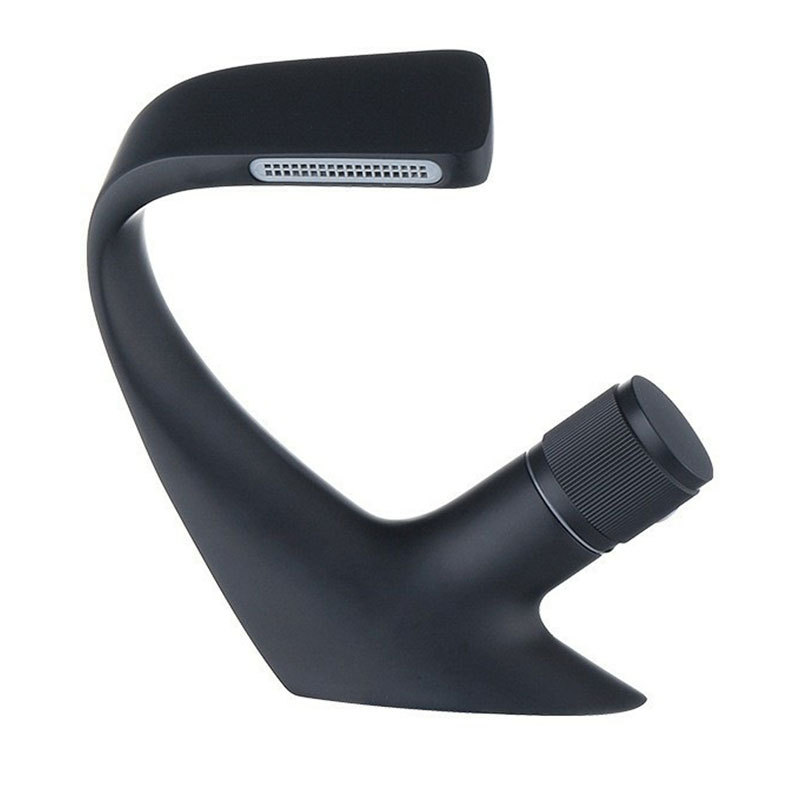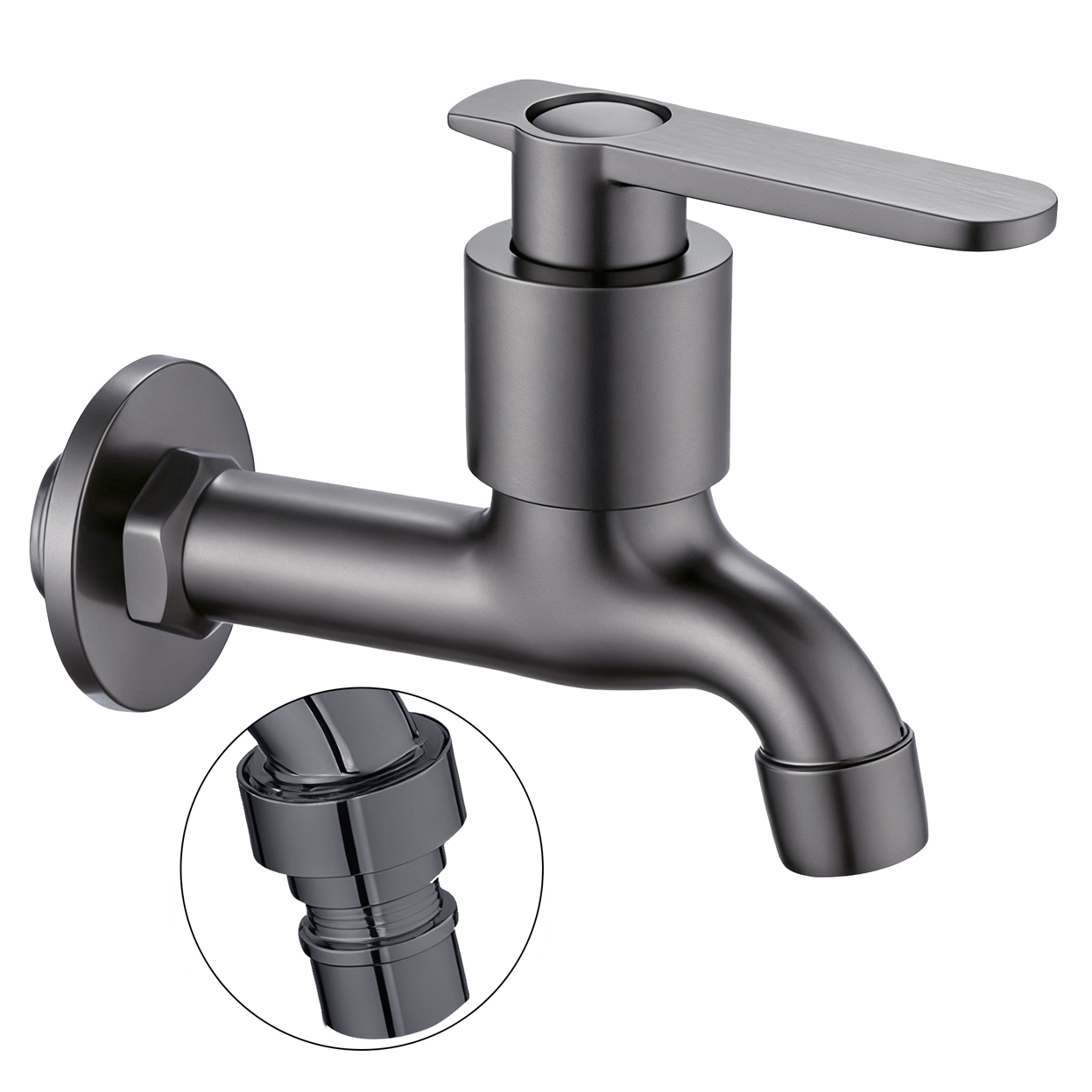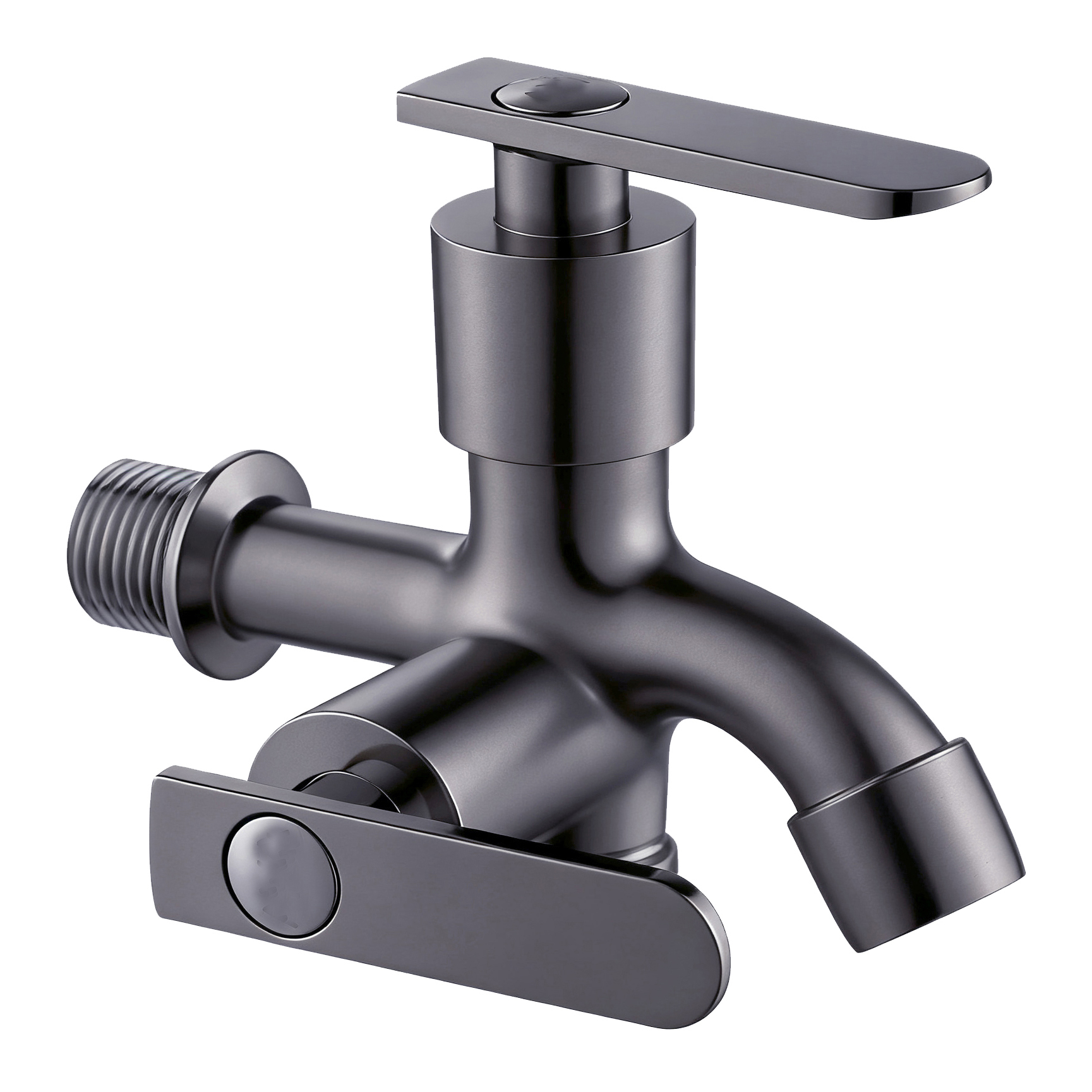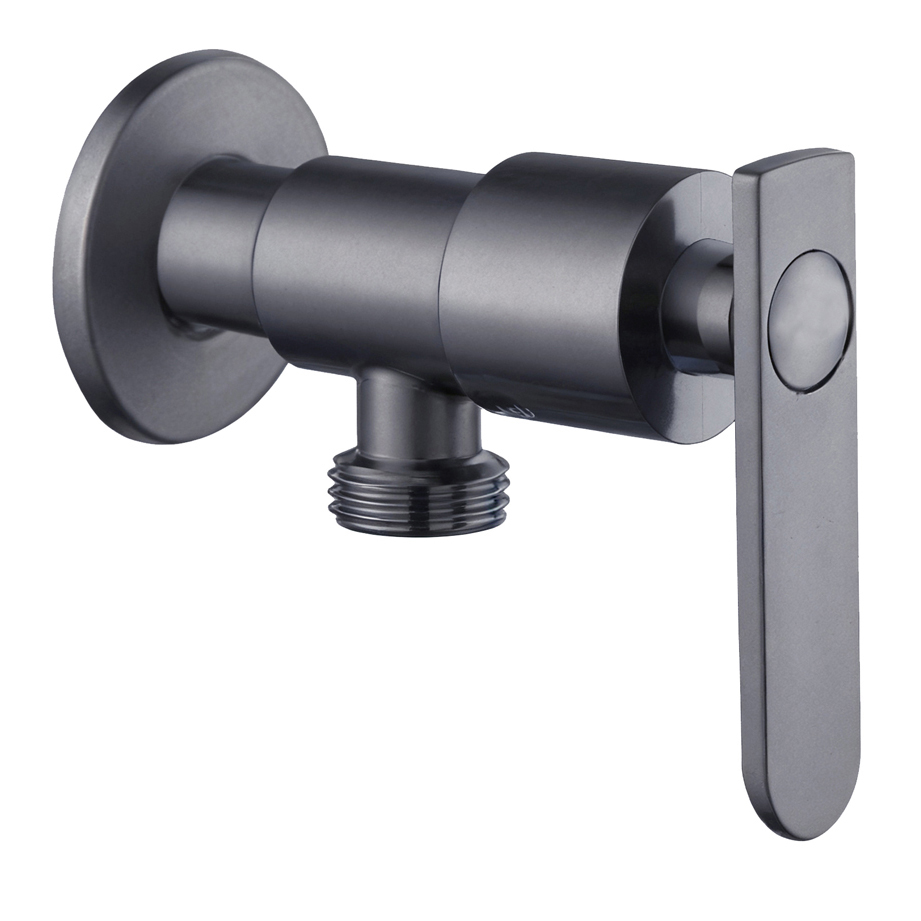




For a best-selling product, the main replenishment question is usually not “How much should we buy next?”
It is:
“When do we need to start the next purchase?”
If a new PO is only started after inventory has already dropped significantly, the remaining stock coverage may already be shorter than the time needed for production and shipping.
For this reason, replenishment planning for a Popular Shower Faucet should work backward from the expected stockout date rather than starting from the inventory quantity alone.
Having Plenty of Stock Does Not Mean Reordering Is Still Far Away
Suppose a best-selling shower faucet still has a reasonable amount of inventory.
Looking only at the stock number may make the situation appear comfortable, but that number needs to be considered together with sales velocity.
If the product sells quickly, the remaining inventory will support a much shorter period.
If sales are slower, the same quantity may last much longer.
A more useful question than “How many sets are left?” is:
At the current sales rate, how long will this inventory last?
That is the real starting point for reorder planning.
For products affected by promotions, project orders or noticeable seasonality, it is also risky to use only a few days of sales data to calculate a long-term replenishment point.
Sales velocity should be based on a broader view of actual consumption. Otherwise, one short-term change can push the PO timing too early or too late.
Work Backward From the Arrival Date of the Next Shipment
Replenishment does not happen immediately after the order is placed.
A Shower Faucet may still need to go through production preparation, manufacturing, packaging, shipment and international transportation before it becomes sellable stock again.
The Reorder Point should therefore cover this full time window.
For example, if a best-selling bath faucet has enough inventory for only a certain period, while the next shipment requires a longer period from purchase initiation to warehouse arrival, the reorder is already late even though the warehouse still has stock.
The better logic is to reverse the process:
First estimate when the next batch must arrive, then work backward through the total supply lead time to determine the latest point when the PO should begin.
Safety Stock Provides a Buffer for Sales and Supply Variability
Neither sales velocity nor supply lead time remains perfectly stable.
A best-selling model may accelerate unexpectedly. Production or transportation may also change.
For that reason, replenishment should not be designed so that the old inventory runs out on exactly the same day the new stock arrives.
Safety Stock provides a buffer between those two points.
Different products should not automatically use the same safety-stock logic.
A model with stable sales and easy replenishment has different requirements from one with volatile sales or a longer supply cycle.
If a best-selling model also has no easy substitute, the impact of a stockout may be greater than for another SKU that can be replaced by similar products. Its reorder point should therefore be managed more cautiously.
Best-Selling Products Need Earlier Replenishment Management
The stronger the sales performance of a product, the more direct the impact of a stockout can be.
That is exactly why high-volume products should not wait until the inventory warning stage before purchasing begins.
A more effective replenishment process continuously checks:
- whether sales velocity is changing;
- how long current inventory can still support demand;
- how long the next supply cycle will take;
- how much safety buffer should be retained.
Replenishment for a Popular Rubinetto doccia is therefore not only an inventory issue.
It is a timing issue.
The real reorder point is not:
“Stock is almost gone.”
It is:
“If we start preparing the next batch today, can it still arrive before the current inventory is exhausted?”
Market Labels Cannot Replace Product Specifications: Popular Shower Faucet
A Popular Shower Faucet should be evaluated as part of the overall product portfolio, not by the purchase price of a single SKU. When reviewing a rubinetto doccia più venduto, consider sales velocity, margin, MOQ, lead time, product substitution, and channel overlap.
A lower-volume model may still serve as a price anchor, support project requirements, or complete a product range. In contrast, several similar models may increase inventory without adding meaningful market coverage.