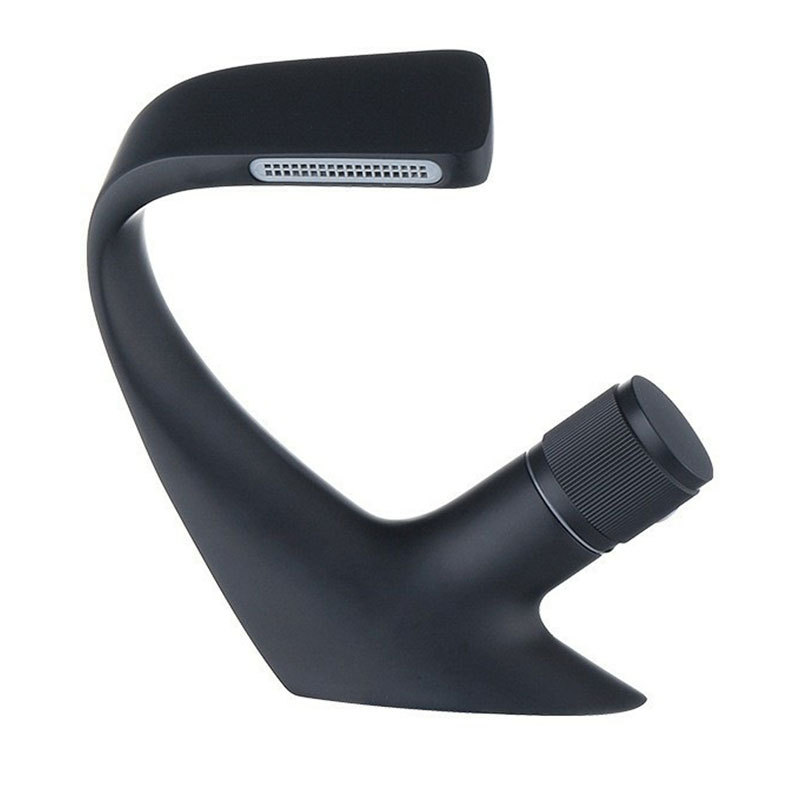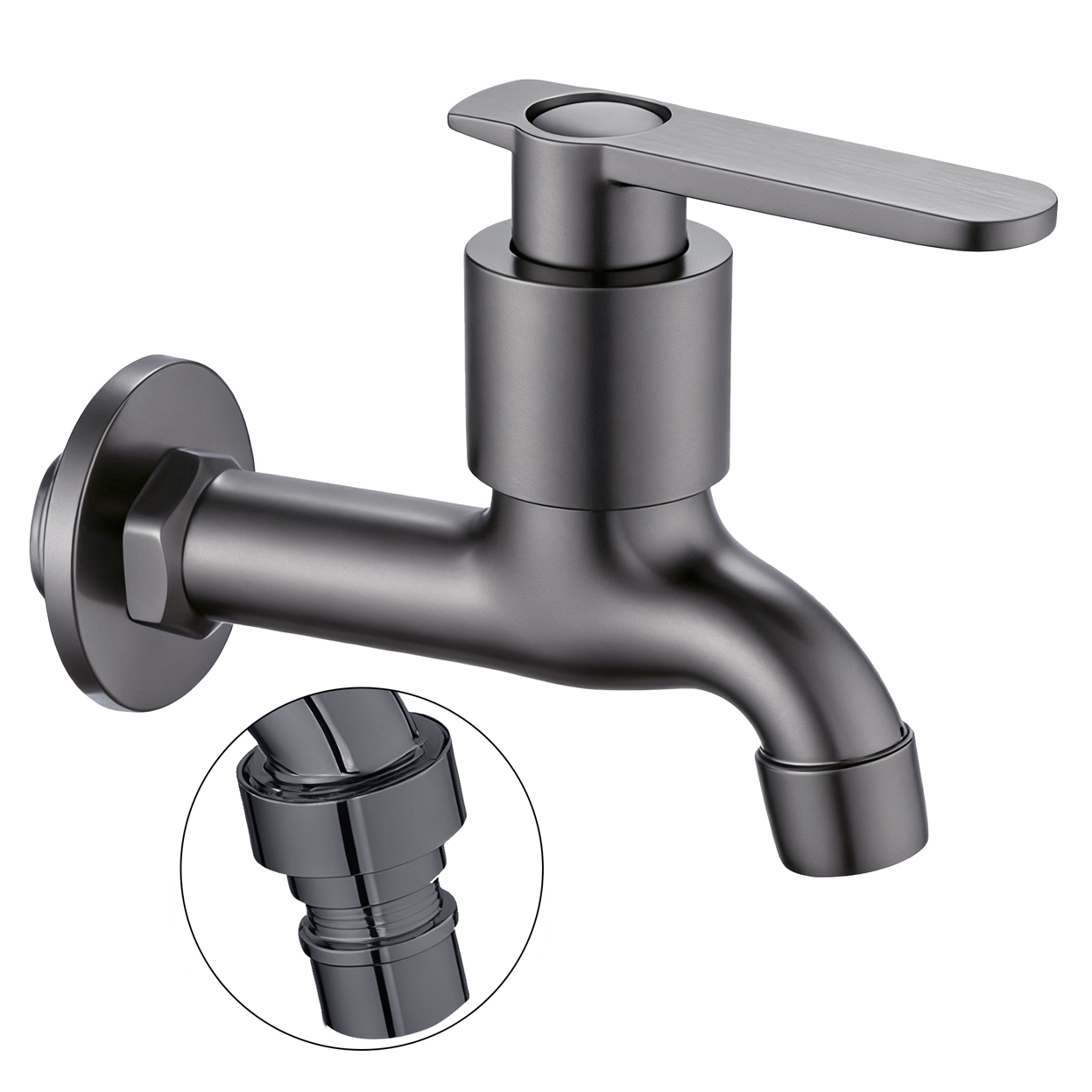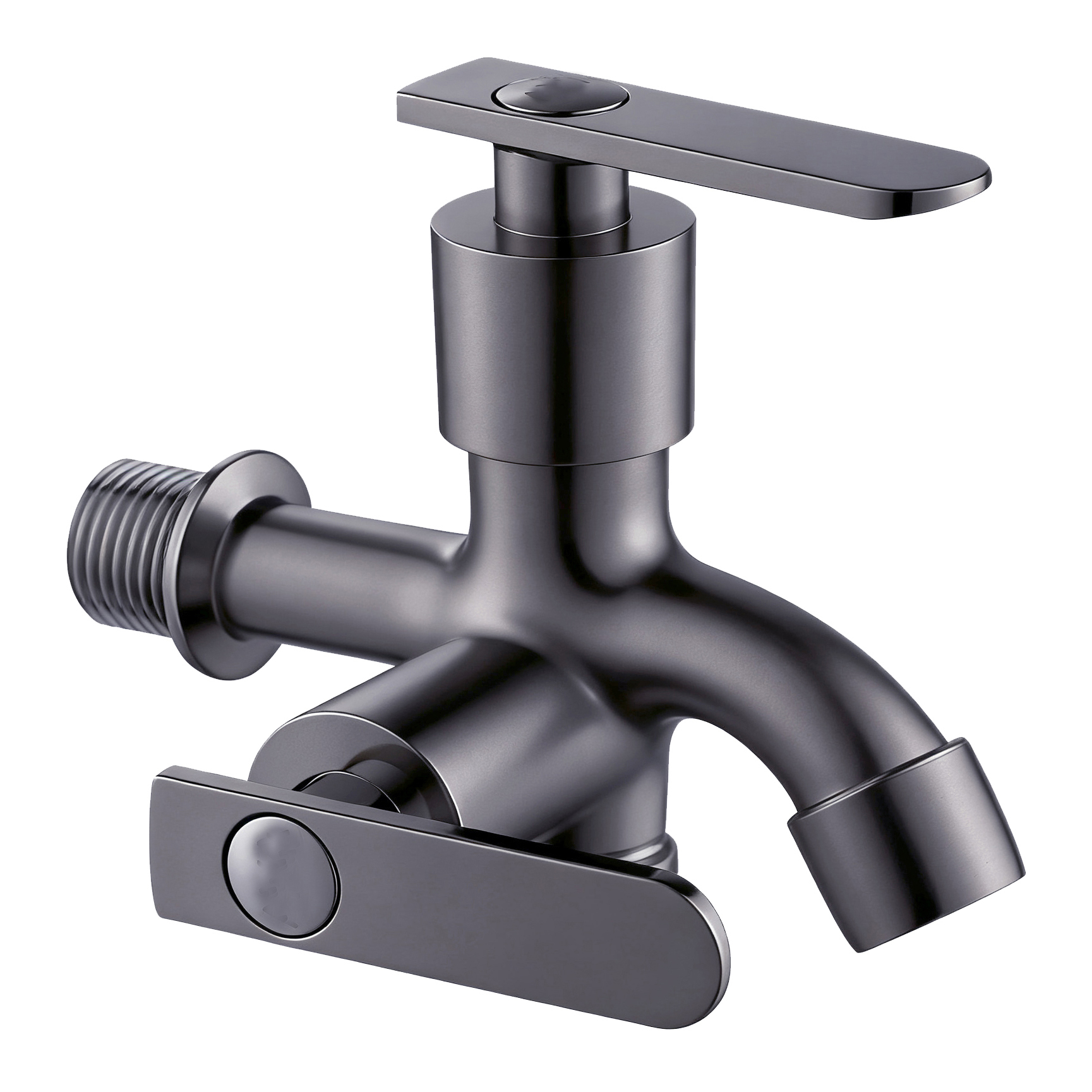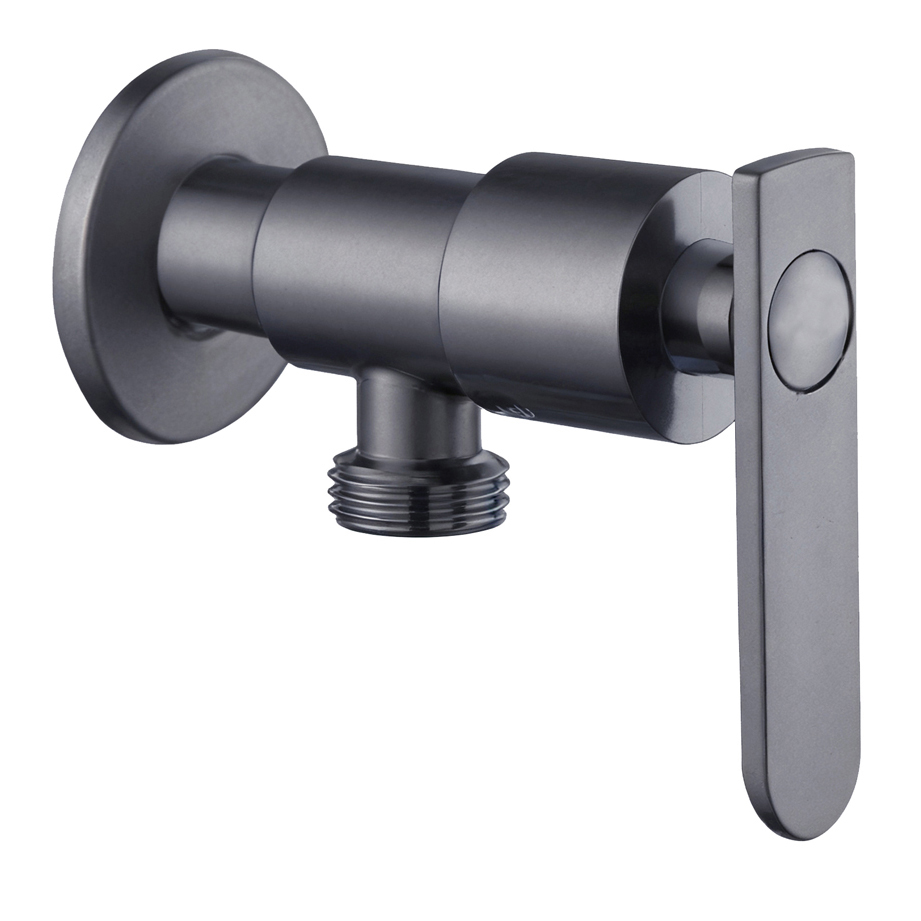




A Reverse Osmosis Keukenkraan may look like a standard kitchen faucet with an added purified water function.
However, the key question is not whether the faucet has another outlet. What matters more is how the faucet handles purified water and regular tap water internally.
This affects compatibility with an existing RO system. It also determines whether the kitchen still needs a separate drinking water faucet.
First, Check Where Each Water Supply Enters and Exits
A standard hot and cold kitchen faucet mainly handles two water supplies.
Adding a Reverse Osmosis system introduces another water path for purified drinking water. A 3-way design usually handles hot water, cold water, and RO water.
For this reason, the product information should explain more than simply “3 Way.”
The actual water paths need to be clear:
Hot Water → regular mixing path
Cold Water → regular mixing path
RO Water → separate purified water path
Products can use different internal structures and control methods. The “3 Way” label alone does not mean that two faucets use the same design.
Before selecting a model, check the inlet connections, RO tube connection, control layout, and purified water outlet.
These details provide more useful information than the “3 Way” or “RO Faucet” name alone.
Check Whether the RO Water Has a Separate Path
Most people do not choose this type of faucet because they want more complicated functions.
The practical question is simpler:
Can one kitchen faucet provide both regular tap water and RO drinking water?
The internal water path plays an important role here.
Some designs keep RO water in a separate channel from the inlet to the outlet. Hot and cold tap water use another path for normal mixing.
The product page should state this structure clearly when the faucet uses this design.
Terms such as “Pure Water Faucet,” “3 Way Faucet,” and “Reverse Osmosis Faucet” do not fully explain the internal water paths.
Two faucets may look almost identical from the outside while using different internal designs.
Connection Compatibility Needs Attention Before Installation
A Reverse Osmosis Kitchen Faucet must connect to both the household water supply and the filtration system.
Faucet appearance alone cannot determine compatibility.
What tube size does the RO system use?
How does the purified water line connect to the faucet?
What are the hot and cold inlet sizes?
How many mounting holes does the sink or countertop require?
These details should be checked before purchase.
An incompatible connection may require an adapter or changes to the installation setup. This can happen even when the faucet itself supports RO water.
The issue becomes especially important when the kitchen already has a filtration system installed.
Product specifications should therefore list the standard water inlets and RO connection separately. One general “Connection Size” specification may not provide enough information.
Combining Several Water Paths Does Not Mean Mixing Them Together
This is a common point of confusion with a Reverse Osmosis Kitchen Faucet.
From the outside, regular tap water and purified water come from the same faucet body. This can make the internal structure difficult to understand.
The actual arrangement depends on the faucet design.
When a model uses a separate purified water channel, a simple water path diagram can show the structure clearly. It can identify where RO water enters, how it travels through the faucet, and where it exits.
A long technical explanation is usually unnecessary.
A clear diagram can answer the main question:
Does the RO water remain separate from regular hot and cold water?
For this type of faucet, that information matters more than a general “Multi-Function” label.
Do Not Compare RO Faucets Only by the Number of Water Paths
RO Kitchen Faucets may use terms such as “3 Way,” “3-in-1,” or other similar names.
These labels help describe the product, but they cannot replace detailed specifications.
Two faucets marked “3 Way” may use different control systems. They may also have different RO connections or outlet structures.
SKU information should therefore record the main specifications separately.
These include the hot and cold water control, RO water control, purified water connection, and outlet structure.
Clear specifications also make replacement and replenishment easier. A similar product name does not always mean that one model can directly replace another.
The Main Question Is Whether It Simplifies Kitchen Water Use
The value of a Reverse Osmosis Kitchen Faucet goes beyond adding a “Pure Water” function.
A more useful question is whether one installation point can handle both regular kitchen water and filtered drinking water clearly and conveniently.
With clear water paths, compatible connections, and easy-to-understand controls, one faucet can handle tasks that might otherwise require two separate faucets.
But the system still needs the right connections.
Before comparing Reverse Osmosis Kitchen Faucets by the number of functions, check four basic points:
Where does each water supply enter? How are the water paths separated? Where does each type of water exit? Can the faucet connect correctly to the existing RO system?