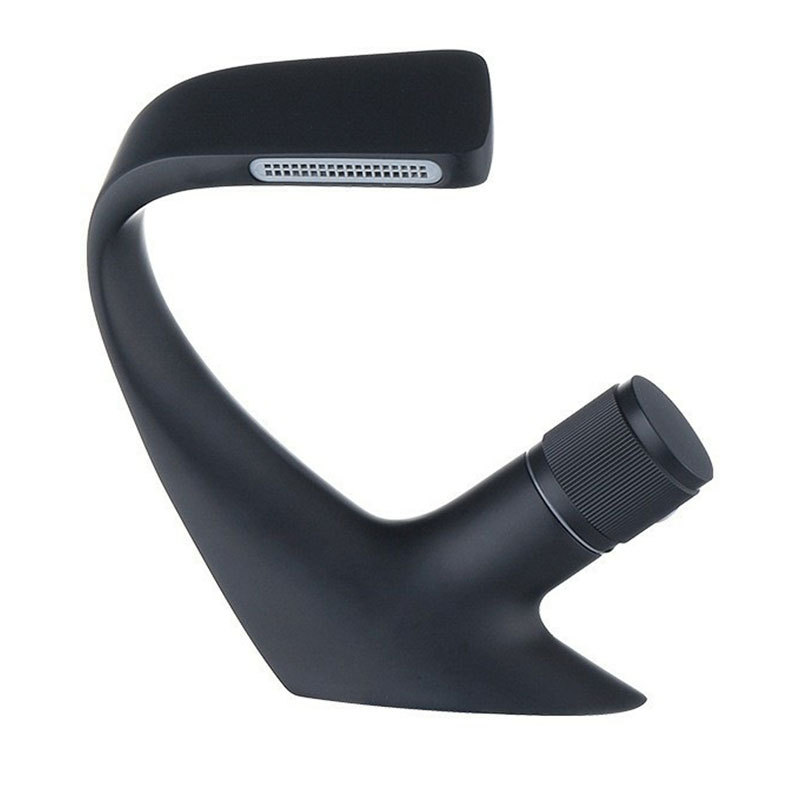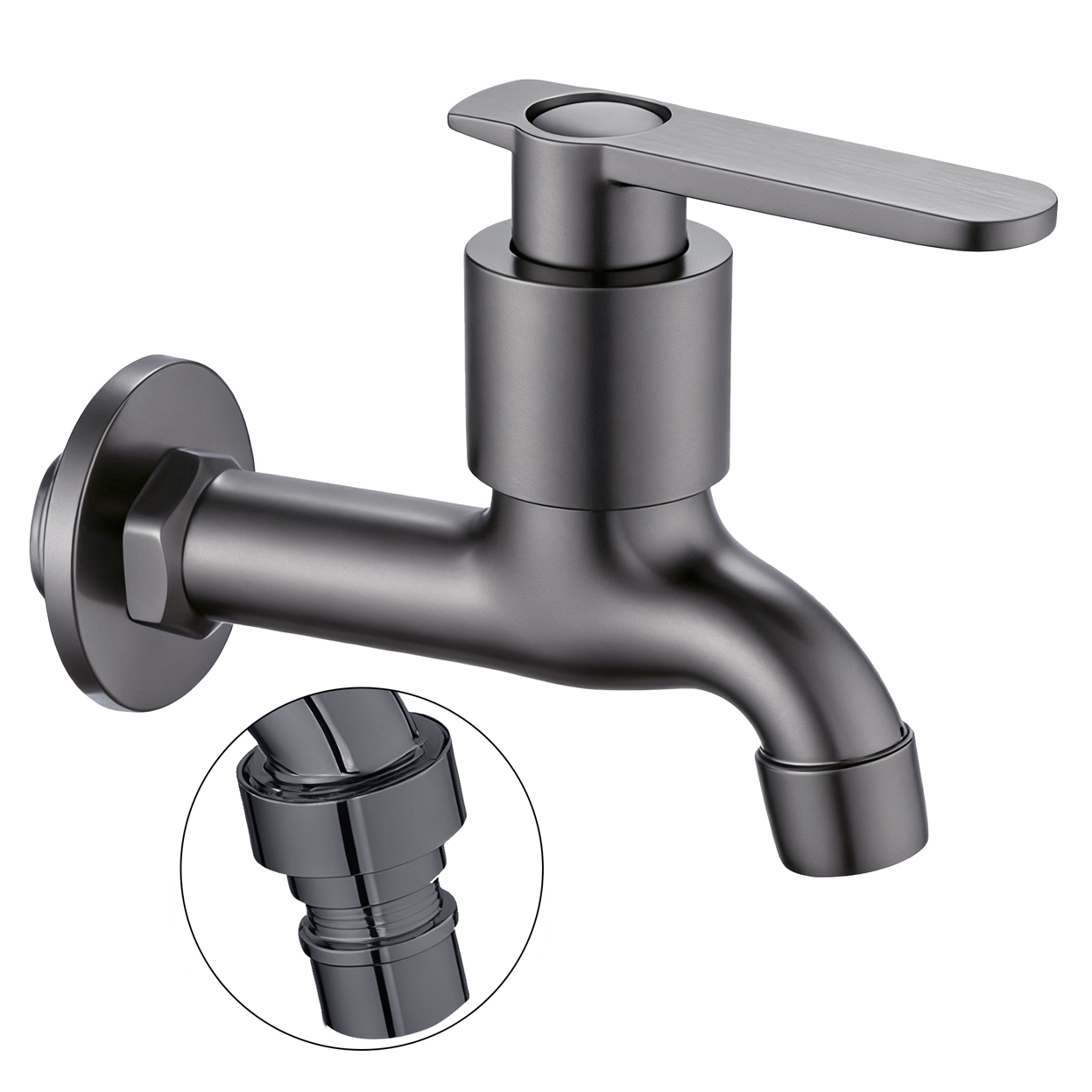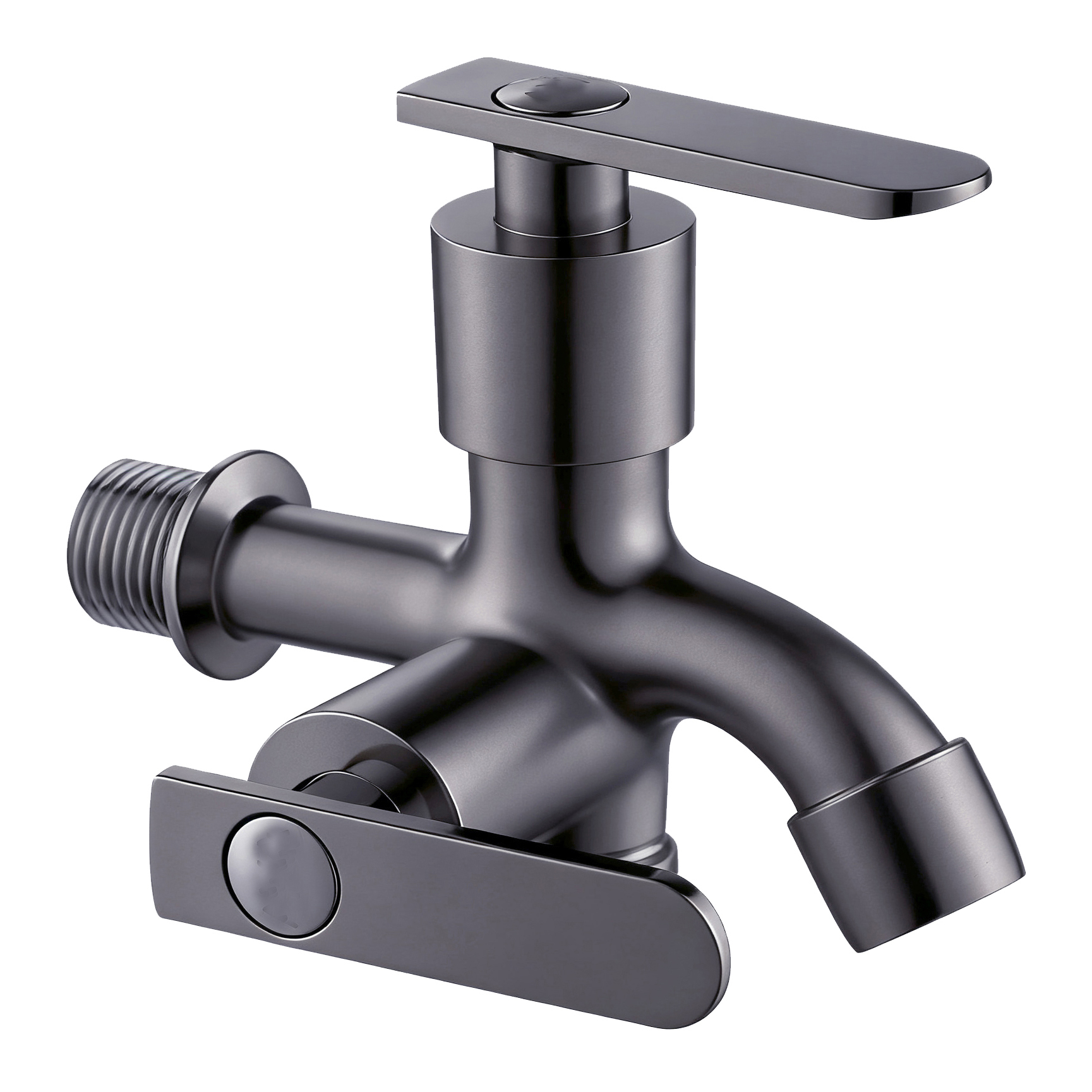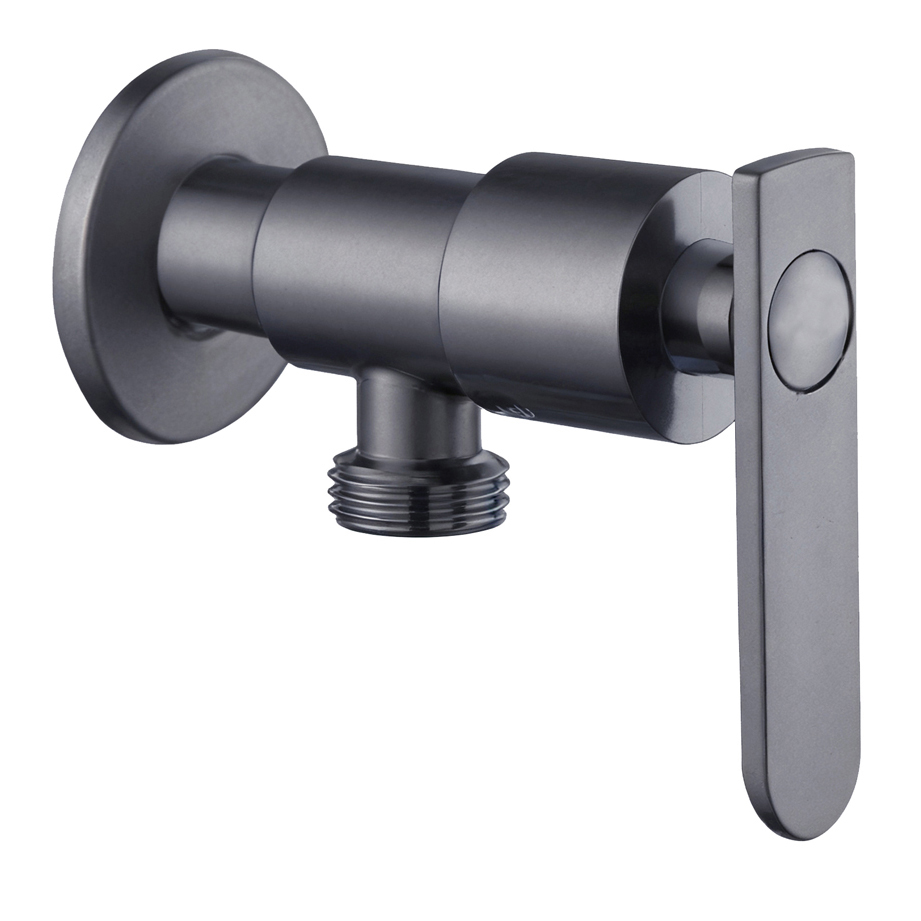




New products do not always need to launch in every store at the same time.
A wider rollout may add little extra explanation when a product has a familiar appearance and installation method. The same may apply when it differs only slightly from existing SKUs.
The situation changes when a product also introduces a different installation method, control logic, or after-sales identification process.
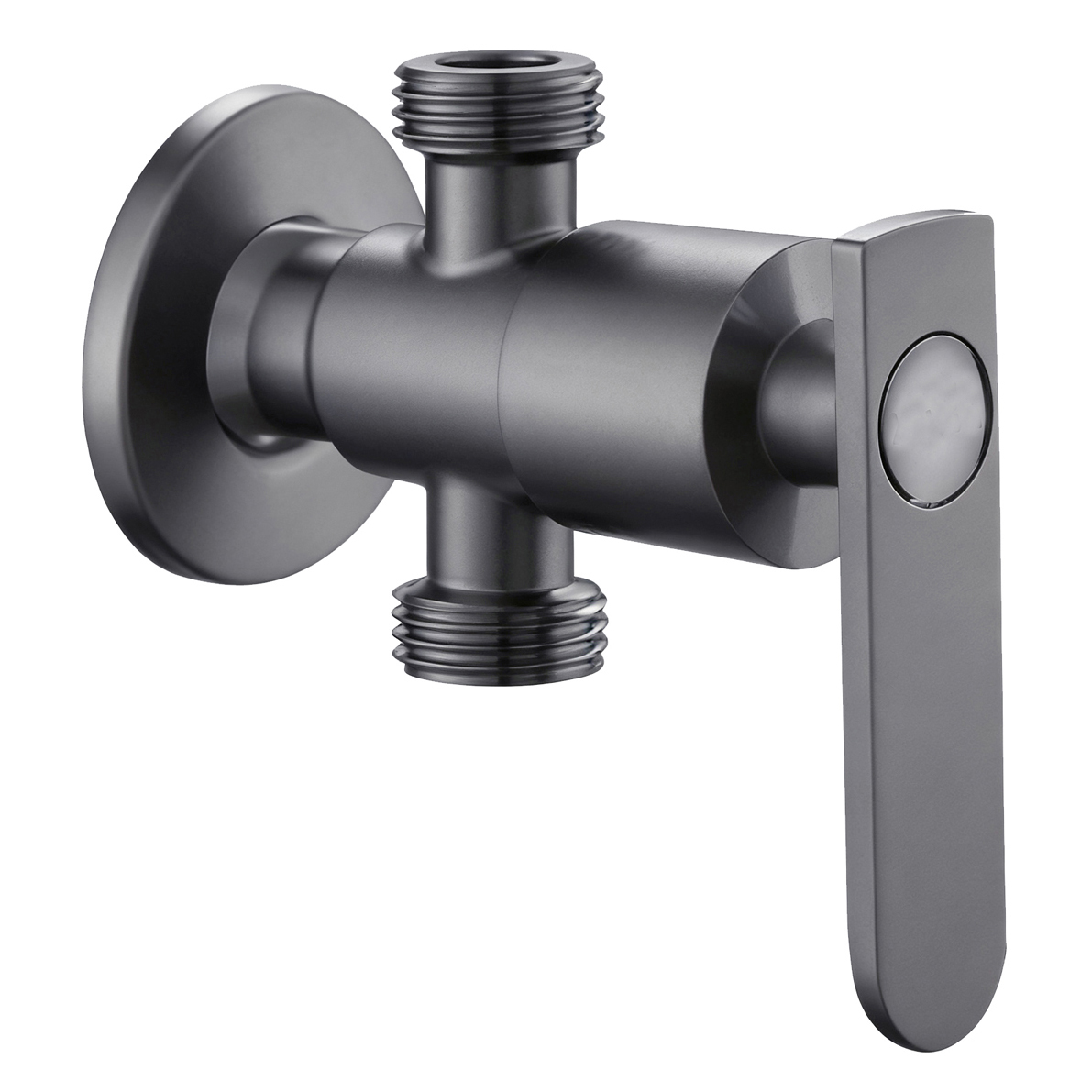
A Single Hole Shower Faucet provides one example of this retail decision.
The point is not that a single-hole design is always more complicated than other structures. The question is whether retailers should first identify real in-store issues when a specific product uses a structure unfamiliar to consumers or installers.
Single Hole Looks Simple, but Installation Conditions Still Need Checking
Single Hole can create a simple first impression: fewer holes should mean easier installation.
However, actual installation depends on the control components, hot and cold water connections, and concealed structure.
The way the product integrates its controls can change the installation requirements. The same applies to the hot and cold water connections.
Installers also need to know what space the wall must provide and which components remain hidden after installation.
For this reason, the words single hole shower faucet alone cannot determine installation difficulty.
If the structure differs significantly from the products already common in stores, a full rollout may cause the same issue to appear across many locations at once.
Selected Stores Can Show Where Problems Appear
The purpose of small-scale testing is not simply to count how many units a few stores sell.
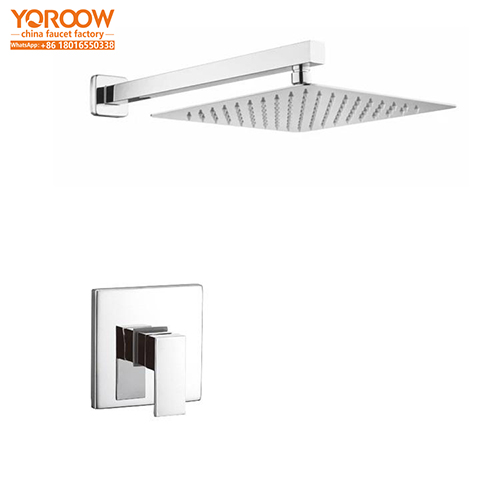
A Single Hole Shower Faucet also requires a clear distinction between “one opening in the finished panel” and “only one wall connection.”
A single panel opening may still conceal separate hot and cold water lines, a diverter, or a concealed valve body.
Installation drawings should show the distance between the finished wall surface and the valve body. They should also identify serviceable components and waterproofing requirements.
A retail product page can first ask consumers to identify their existing installation conditions. It can then direct them to the appropriate model.
Consumers buying a replacement set still need to check compatibility with the existing concealed system. “Single Hole” should not serve as a guarantee of universal installation.
For a Bathroom Product with a less familiar structure, it is more useful to record where questions appear during the buying process.
Do consumers understand how the product works?
Do they mainly ask about function or installation before purchase?
Can installers make the correct decision from the existing instructions?
Do returns or after-sales questions repeatedly involve the same structural detail?
These observations can reveal very different problems.
If customers like the product but often discover incompatible installation conditions later, the installation information needs improvement.
If installation causes few problems but consumers still struggle to understand the controls on the shelf, the product may need clearer functional presentation.
If a concealed valve already sits inside the wall, first confirm its brand, model, and replaceable components.
An attractive single-hole trim panel does not prove that it will fit another valve body.
For products with concealed valves, the manufacturer can provide a compatibility list and an installation section drawing.
Without verified compatibility, retailers should not describe concealed component combinations as “standard single-hole universal,” even when the visible trim panels look similar.
Turn Unknown Problems Into Known Problems Before Wider Rollout
This is where selected-store testing provides real value.
The goal is not to label a new product as a “success” or “failure.”
Instead, retailers can identify the new requirements that the product adds compared with existing SKUs before sending more inventory to more stores.
Some issues may only require packaging changes.
Others may require dimension drawings, installation information, or an in-store Demo. Some findings may also show that the product suits a specific channel or project better than every retail store.
For a Single Hole Shower Faucet with an unusual structure or operating logic, the decision to pursue a Wider Rollout should not depend only on how “new” the product is.
When a product introduces new unknowns in installation, function understanding, and after-sales support, testing it in selected stores first can help clarify those issues before a wider retail rollout.