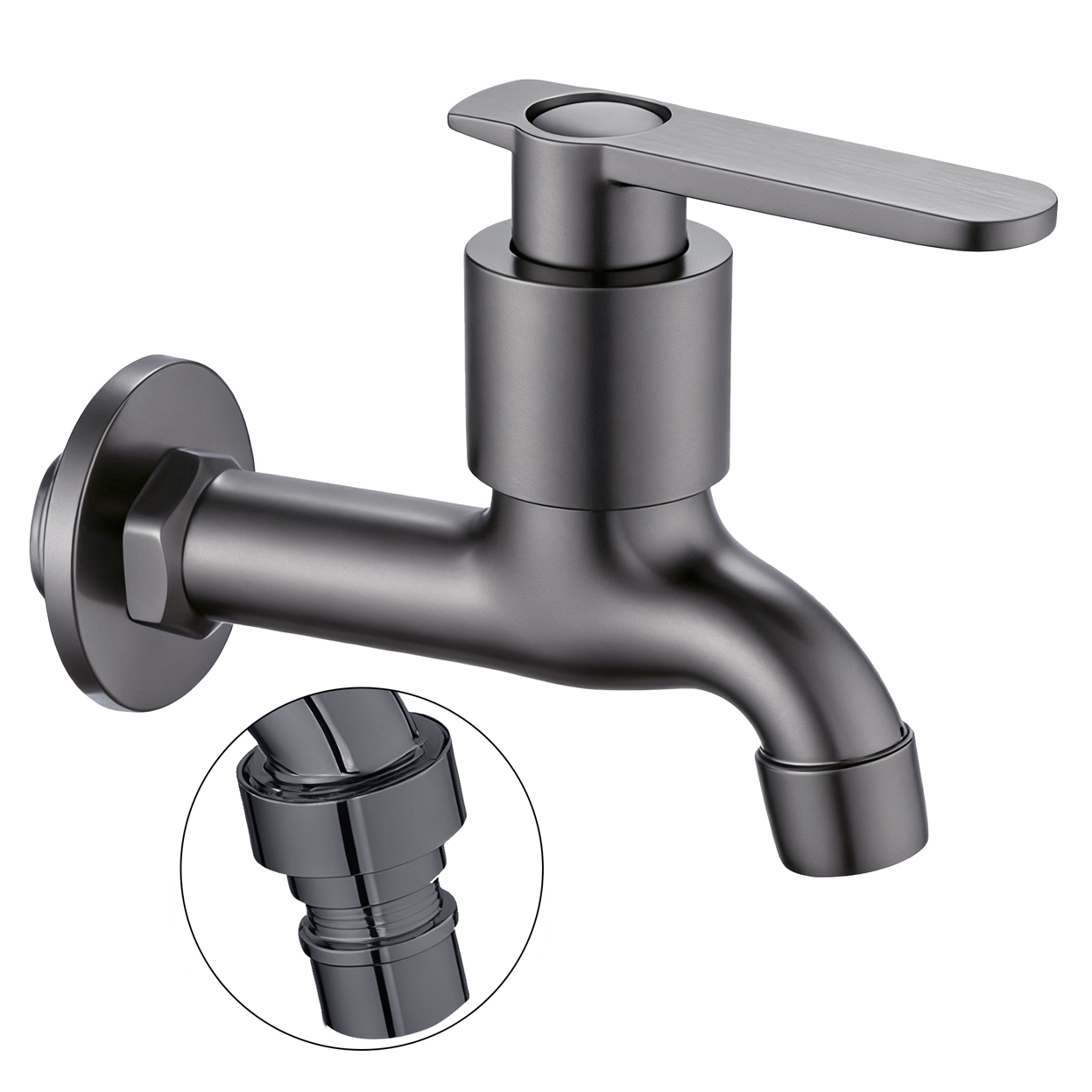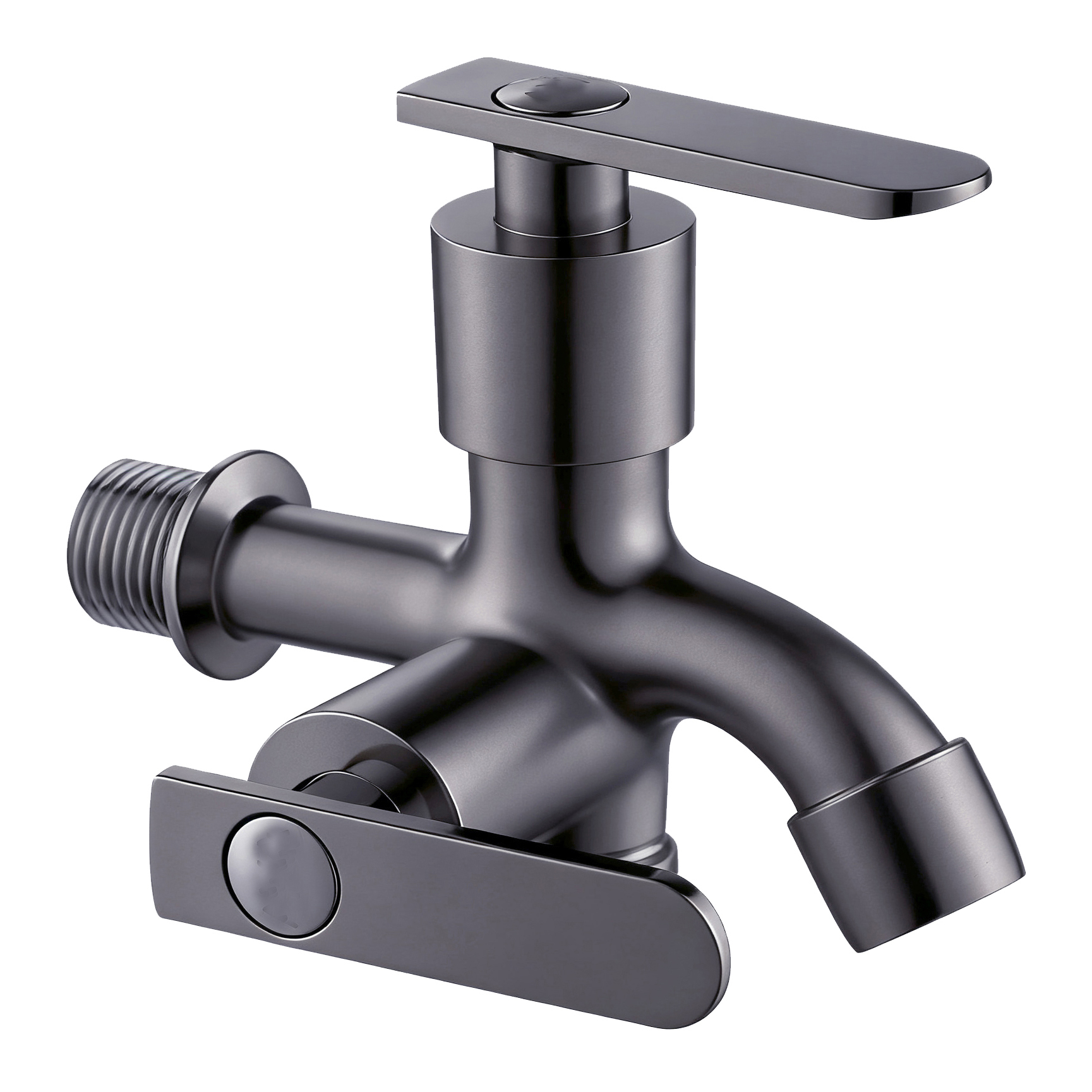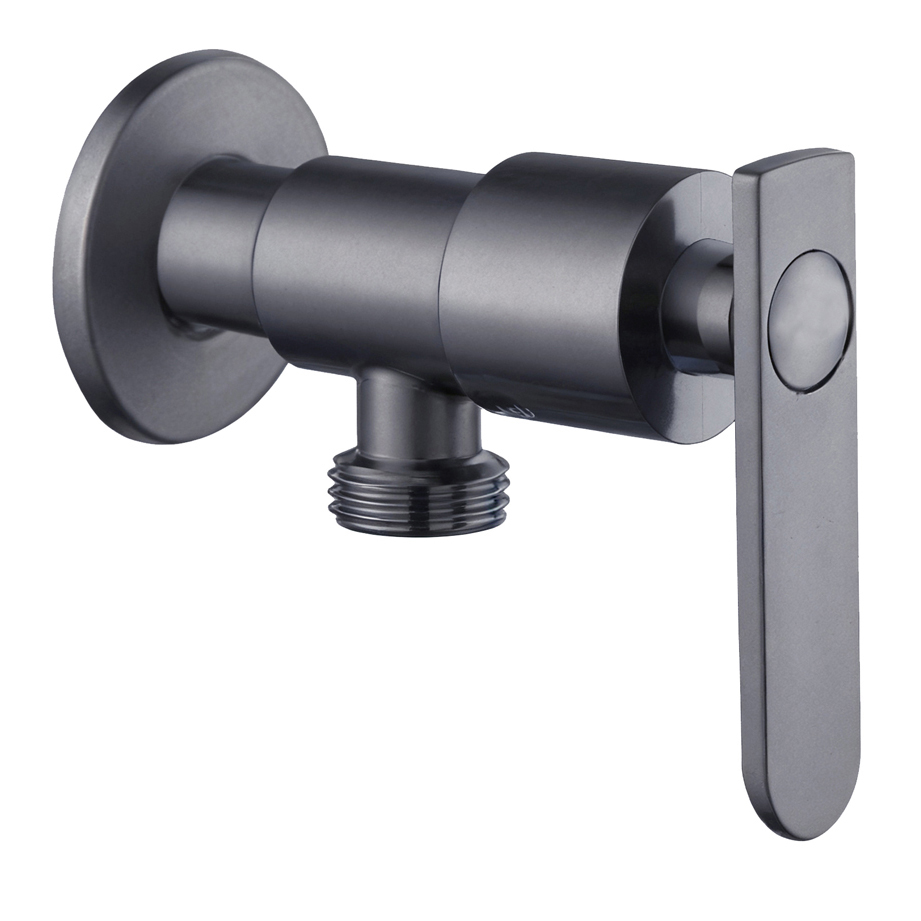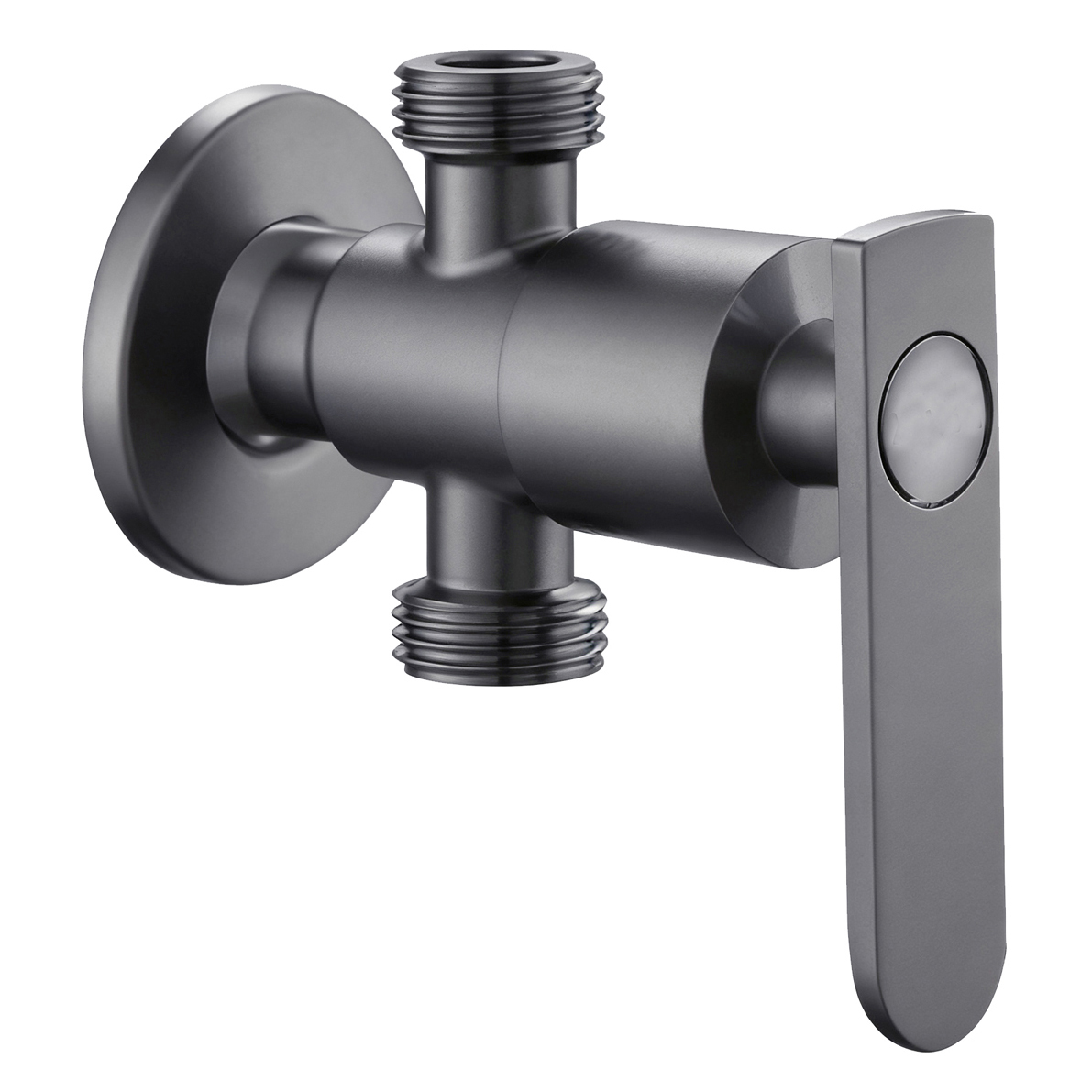




Adding a new color to an existing faucet may seem much simpler than changing the product structure. From a product-range perspective, however, every new color also adds samples, inventory, product images and SKU management.
A new color should therefore create a stable and useful product difference.
Take a White Water Tap as an example. White creates a clean visual appearance, but deciding whether a white spigot deserves a long-term place in the range requires more than checking how the first sample looks.
Start With How the White Finish Is Created
Before adding a new color, first identify the material and surface process behind it.
Two faucets may both appear white, yet different body materials and finishing methods can produce different textures, manufacturing requirements and performance in use.
For this reason, checking only a color code or product image is not enough. It is also important to know which material receives the color and how the visible components match each other.
Plastic products require a different evaluation.
For example, the search phrase white plastic bathroom water tap durable and lea reflects a product requirement involving a plastic faucet. In this case, the evaluation should focus on the plastic material itself, its color, surface and construction.
Not every “white faucet” should be treated as the same finish process.
A New Sample May Look Good but Still Be Difficult to Maintain
A white surface in a bathroom or other water-use area will regularly come into contact with water spots, soap, dust and cleaning products.
Sample evaluation should therefore consider everyday maintenance.
Are common marks easy to notice? Can they be cleaned without difficulty? Do gaps around the handle, outlet or other structural areas collect dirt easily?
The useful question is not simply:
“Does the new sample look white enough?”
It is:
“How easily can this appearance be maintained during normal use?”
Batch Consistency Determines Whether the Color Can Be Maintained Long Term
Once a new color enters a product range, production rarely ends with the first batch.
If the body, handle and other visible components go through different production processes, color differences may appear between parts or between production batches.
This is where manufacturing control becomes relevant.
Als China kraanfabriek providing faucet production and customization, YOROOW can check more than a single white color sample. The complete faucet also needs evaluation for color coordination across visible components. Later production batches should maintain the approved surface appearance as closely as possible.
The purpose is practical: a successful first sample has limited value if later batches cannot maintain a consistent appearance.
Finally, Does the New Color Actually Add Something to the Range?
If a faucet series already includes several colors, adding white should have a clear role.
Does it support a bathroom style that existing finishes do not cover well? Can it help create a more complete finish range? Or does it simply add another inventory unit to the same product structure?
The decision can therefore come down to four questions:
Can the finish be produced consistently? Is it practical to maintain? Can different batches remain visually consistent? Does the new color genuinely expand the product range?
These questions provide more long-term value than judging the new finish only by how attractive the first sample looks.