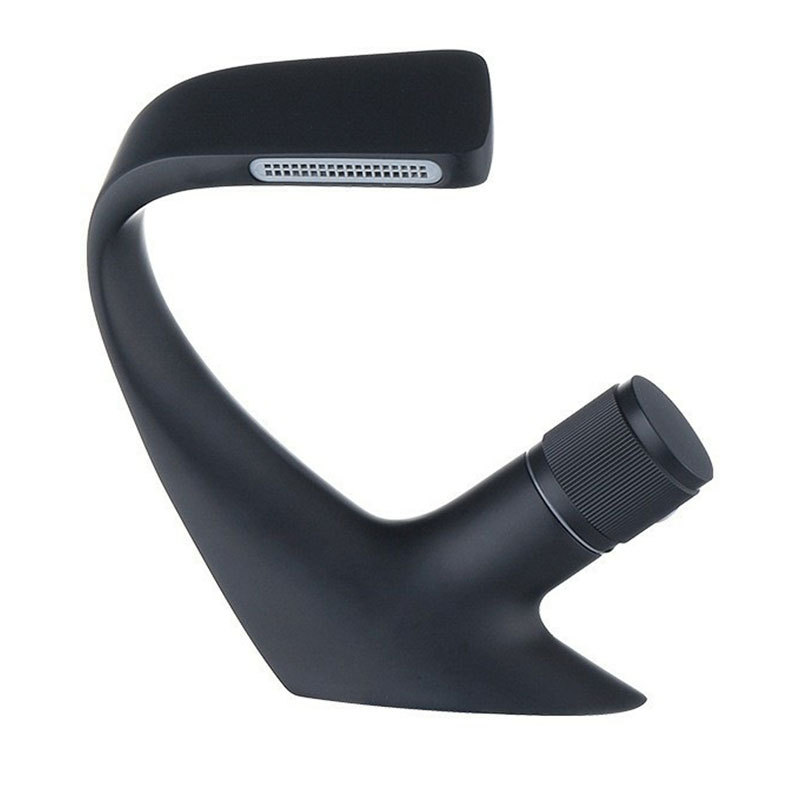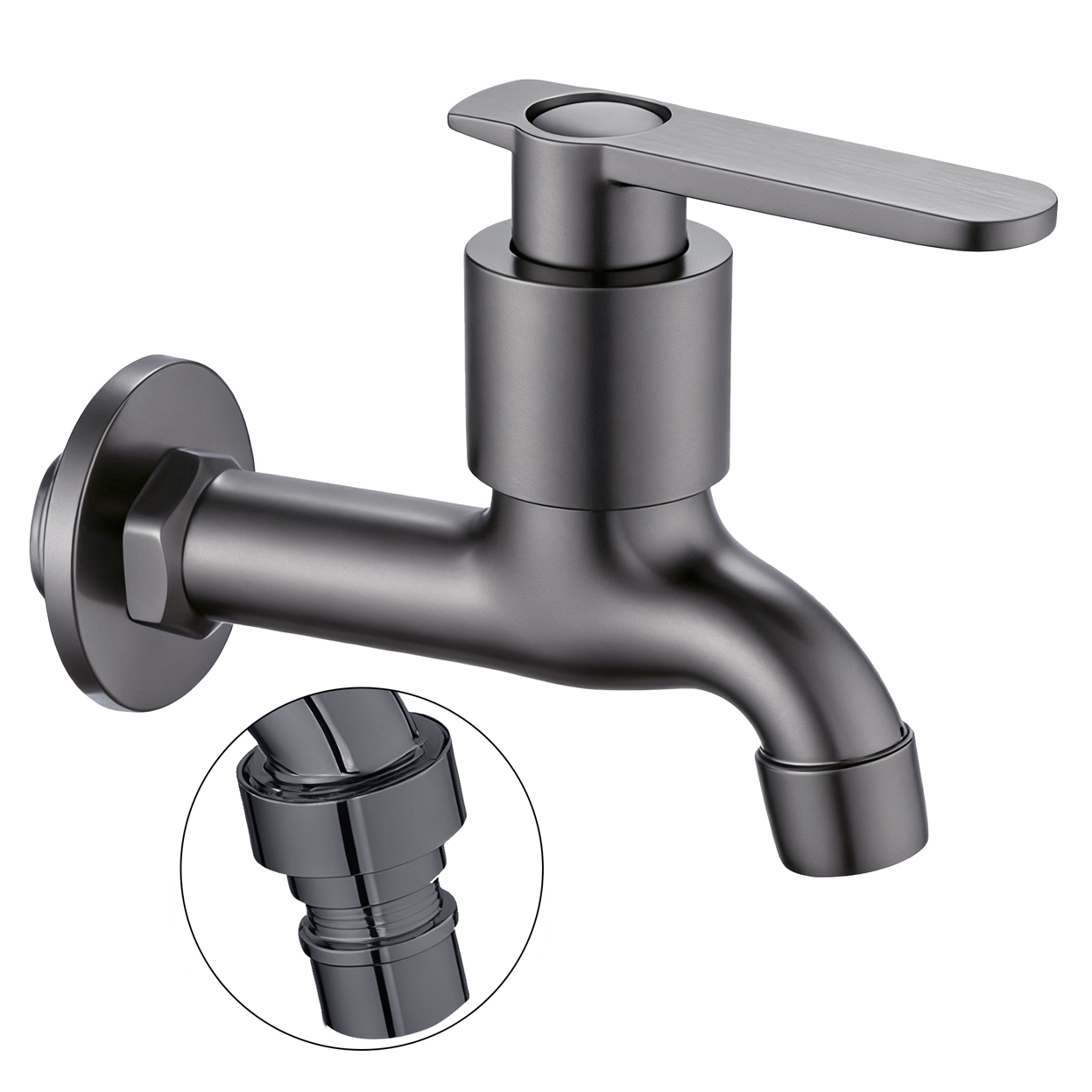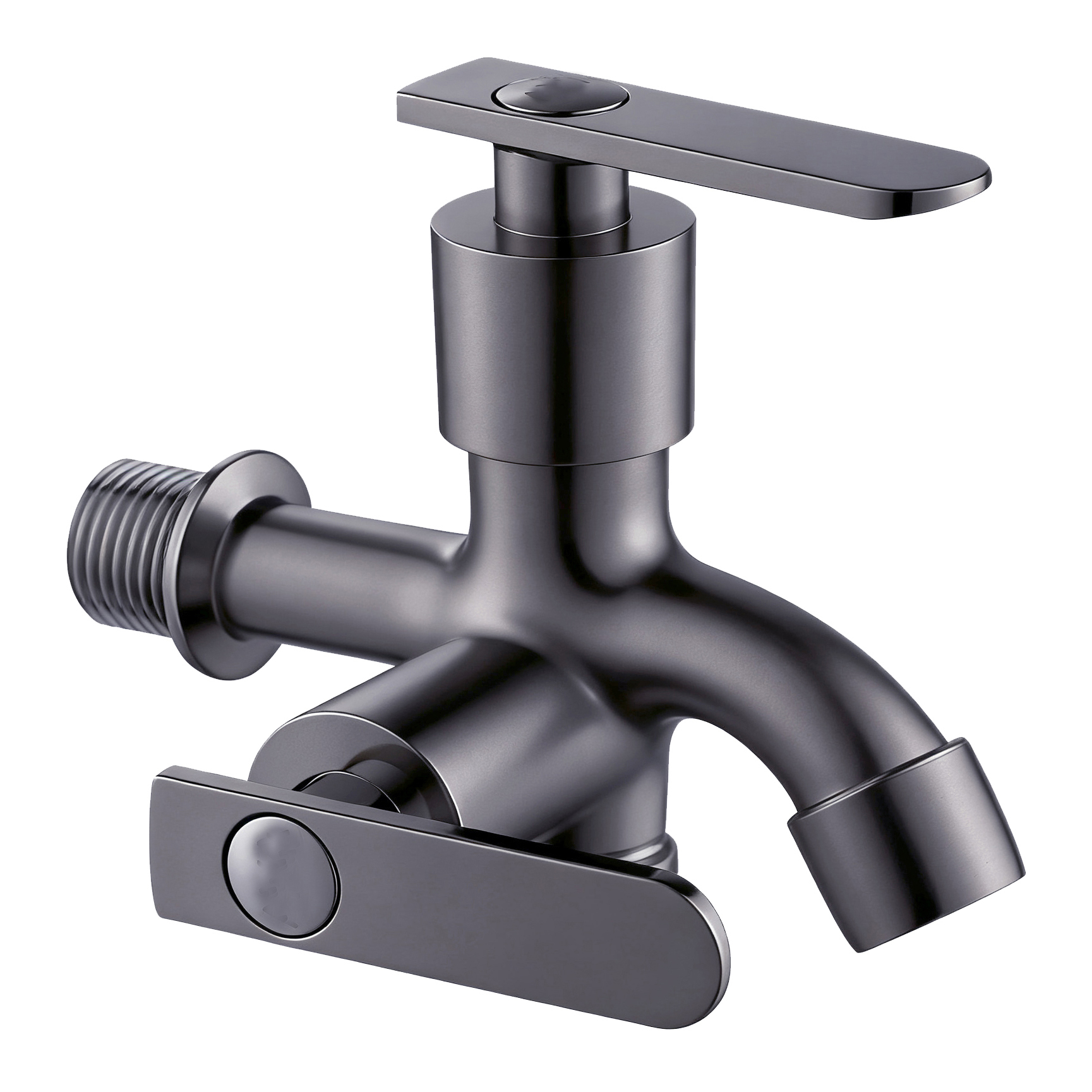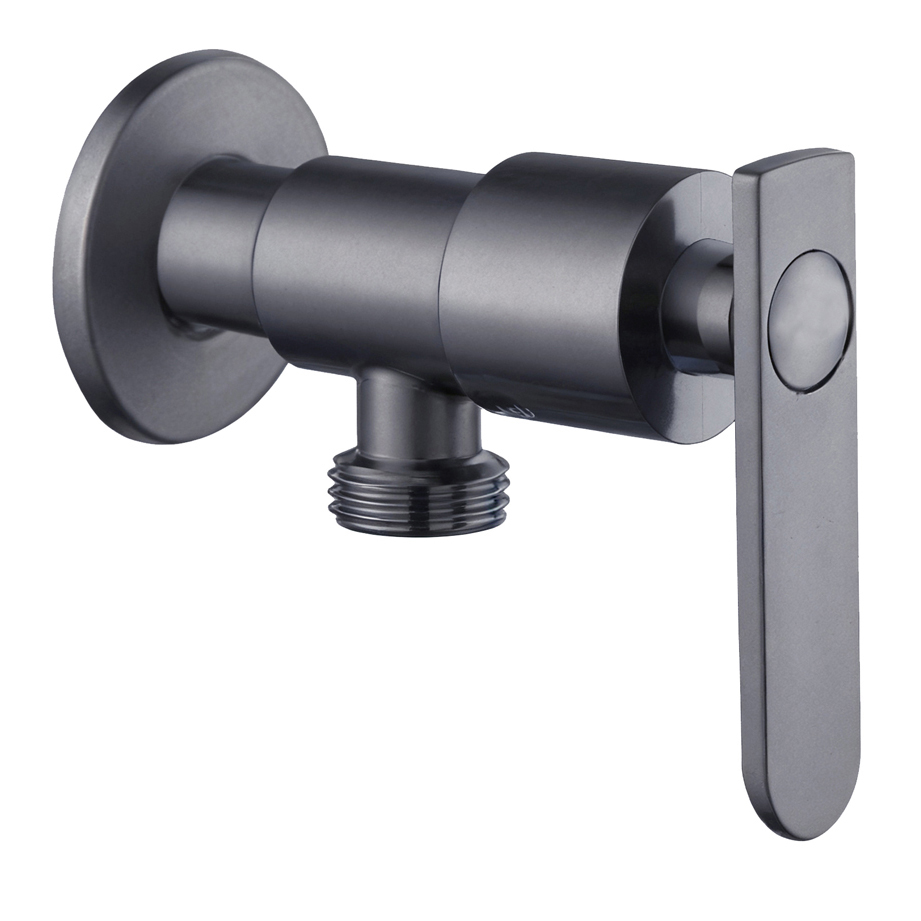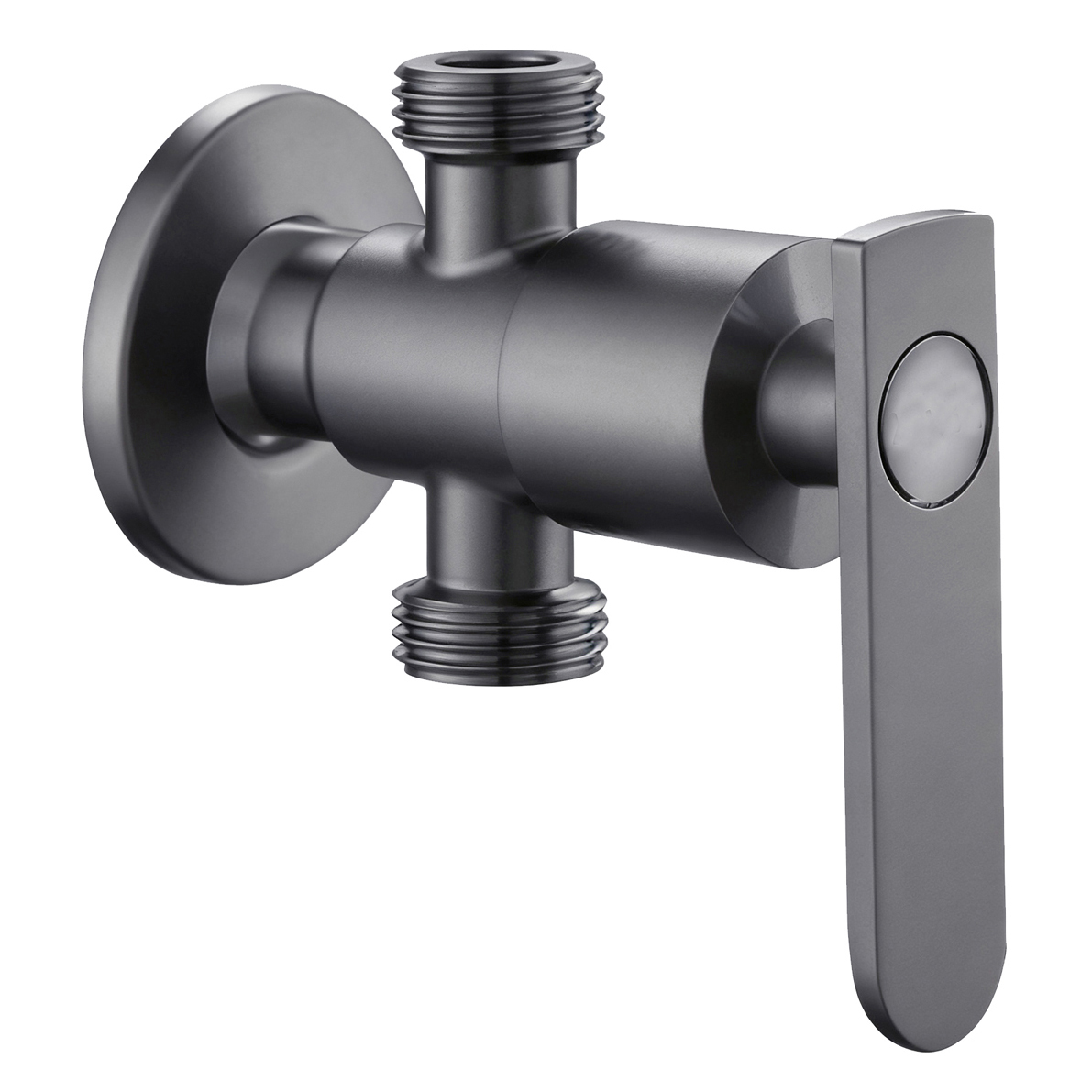




“Wall Mounted” only tells us that the product mounts on a wall. It does not mean the product will automatically fit the existing wall connections.
This matters especially for Replacement or renovation projects where the wall is already finished. In these cases, the water supply positions are usually fixed.
Bij het selecteren van een wall mounted water tap, you need to check the water inlet arrangement, connection position, conditions at the finished wall, and spout reach.
Cold-Only and Hot-and-Cold Models Need Different Wall Conditions
This is one of the first differences to check when selecting a Wall-Mounted Tap.
A cold-only model usually connects to one water supply point. A hot-and-cold mixer needs both hot and cold water connections.
For a double-hole wall-mounted design, the positions of the two connections must also match the product.
YOROOW’s wall-mounted range includes cold-only and hot-and-cold kitchen faucets with different inlet structures. Both belong to the Wall-Mounted Faucet category, but they require different water supply arrangements on site.
This difference becomes especially important in Replacement projects.
If the existing wall has only a cold-water connection, a similar-looking hot-and-cold wall-mounted faucet cannot directly replace the old tap.
For this reason, product selection should start with the existing water supply conditions. The next step is to check whether the specific faucet matches them.
Connections Inside the Wall Also Need to Match the Finished Wall
Installers usually determine the position of the internal pipework during construction. However, the faucet eventually connects to a finished wall.
Tiles, stone, or other wall finishes can change the depth of the connection relative to the final wall surface.
If the installation does not account for this depth, several problems can occur. The effective connection length may be too short. The connection may sit too deep in the wall. The final faucet position may also differ from the expected position.
For new construction, installers can check these conditions against the product dimensions before completing the wall.
Replacement projects are different.
The existing wall is already fixed. A more reliable approach is to measure the actual relationship between the existing connection and the finished wall. These measurements can then be compared with the connection structure of the new product.
When selecting a Wall Mounted Water Tap, check the concealed wall connection first and the exposed spout position second.
ISO 228-1 covers the dimensions and structure of parallel pipe threads. It also notes that pressure-tight joints require sealing through surfaces other than the threads. A simple 1/2″ label does not mean that every concealed wall connection is interchangeable.
Garden, washing-machine, and indoor basin applications may all use wall-mounted taps. However, they can require different spout projections and hose connections.
An installation section drawing can separate three important areas: the concealed seal, the exposed outlet, and the operating space. This can help retail customers rule out unsuitable products more quickly.
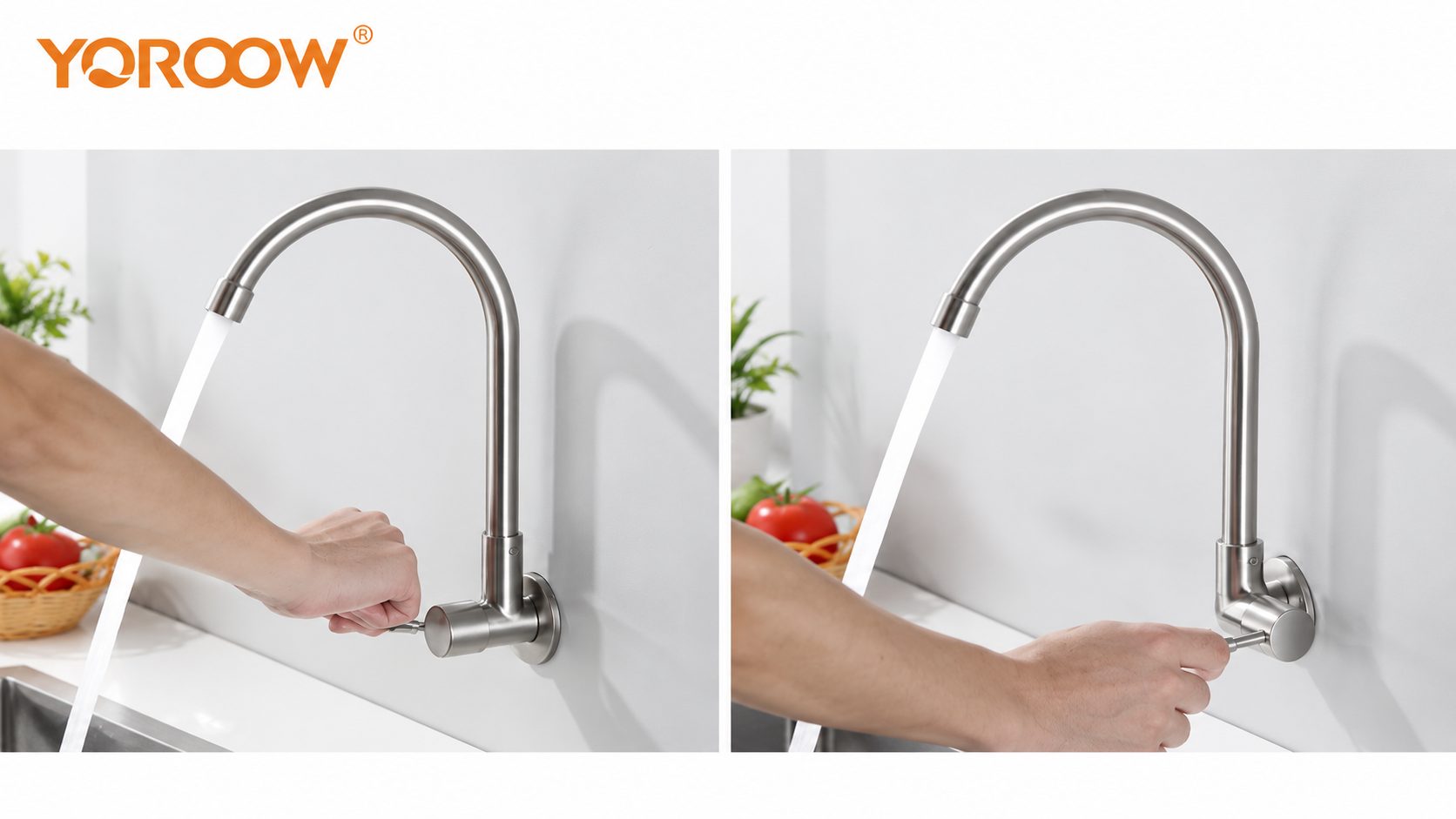
Spout Reach Determines Where the Water Actually Lands
A wall-mounted faucet may connect correctly but still place the water outlet in the wrong position.
The Spout extends outward from the wall. For this reason, Reach should be considered together with the actual Sink or Basin.
A deeper sink may require a longer reach. With a shallow basin, an excessively long Spout may place the water too far forward.
When checking a dimension drawing, Overall Size should not be the only measurement to consider.
The position of the outlet relative to the wall also matters. That position needs to match the actual water-use area.
For bulk projects, this is worth checking during sample approval.
An incompatible connection usually creates an obvious problem: the faucet cannot be installed. An unsuitable Reach creates a different problem. The faucet can be installed, but it may not work well in actual use.
Movable Outlet Structures Add More Installation Requirements
If a Wall-Mounted Faucet includes a Pull-Down, Hand Shower, or another movable structure, fixed dimensions are no longer the only concern.
For example, a wall-mounted cold-water kitchen faucet may use a Pull-Down / Foldable Hand Shower.
This type of structure also needs enough space to pull out and move the spray head. The installation should also allow the hose to move without interference from nearby structures.
If the faucet sits near a wall corner, shelf, or other equipment, these conditions may affect use more than the static product dimensions.
For this reason, fixed-spout and movable-spout products should not follow exactly the same installation checks, even when both belong to the wall mounted water tap category.
Renovation projects may also involve changes in tile thickness.
The escutcheon coverage and exposed connector length should match the finished wall. A drawing that shows only the unfinished wall may miss the final appearance and sealing conditions.
In renovation projects, the thread type of an existing concealed connector may not be visible from the outside.
Removing and checking one sample installation can provide more reliable information. An installer can also provide a measurable physical sample. Both approaches are more reliable than guessing the connection type from a product rendering.
If the same building contains concealed fittings from different construction phases, the project team should check samples from different floors or stages. It should not assume that every connection is identical.
Retail stores can still sell individual units directly to household customers. For whole-building orders, however, uncertain connection types should appear in the quotation conditions.
Once the project confirms that adapters or pipe modifications are necessary, the project team and installer can evaluate them. A general claim such as “easy to install” should not replace this assessment.
Replacement Does Not Always Require the Original Model
After several years of use, the original wall-mounted faucet model may no longer be available.
In this situation, the Product Number should not be the only information kept for future replacement.
After removing the old product, the installer can confirm the actual water supply arrangement, connection specifications, and connection positions. The main installation dimensions and outlet position of the original faucet can also be recorded.
Even if a new model replaces it later, these details provide a basis for checking compatibility.
For hotels, apartments, and other bulk installation projects, keeping the original dimension drawings and installation documents is especially useful.
These records can reduce the need to check the entire installation again when the original model changes or requires replacement.
Wall Mounted describes an installation category. The actual site conditions and product structure still determine compatibility.
Checking these differences before the product reaches the installation site is more effective than dealing with connection, wall-depth, or outlet-position problems during installation.
References
- ISO | ISO 228-1 Pipe Threads