



MOQ is often treated as a single purchasing number: how much the supplier requires and whether the order can reach that quantity.
For faucet procurement, however, the more practical question is how many product configurations that MOQ actually represents, and how much inventory risk needs to be carried before those products are sold through.
The same purchase quantity can mean very different levels of risk for a standard product and for a product with a special finish.
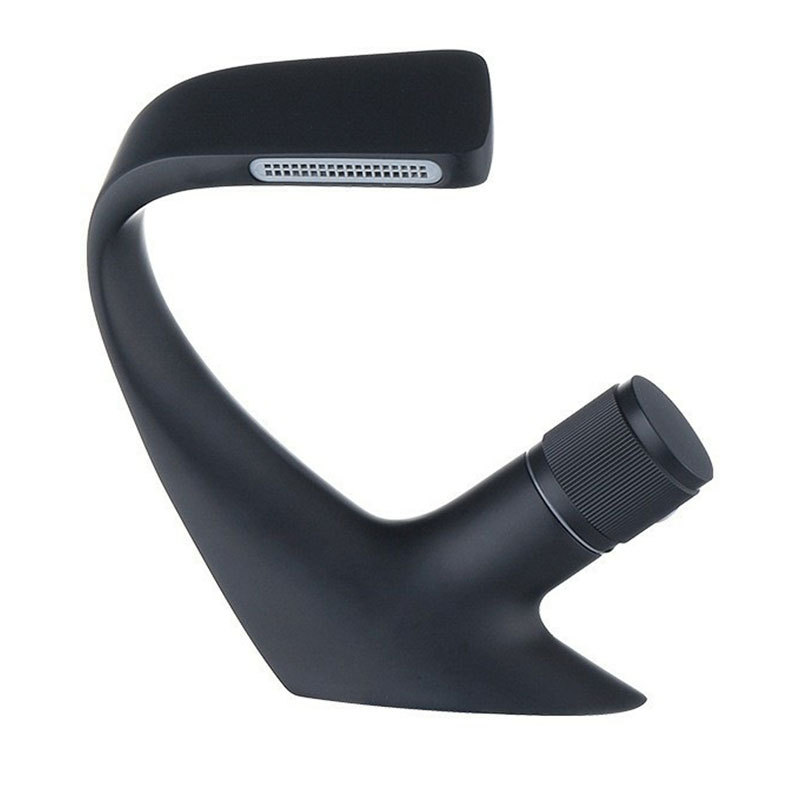
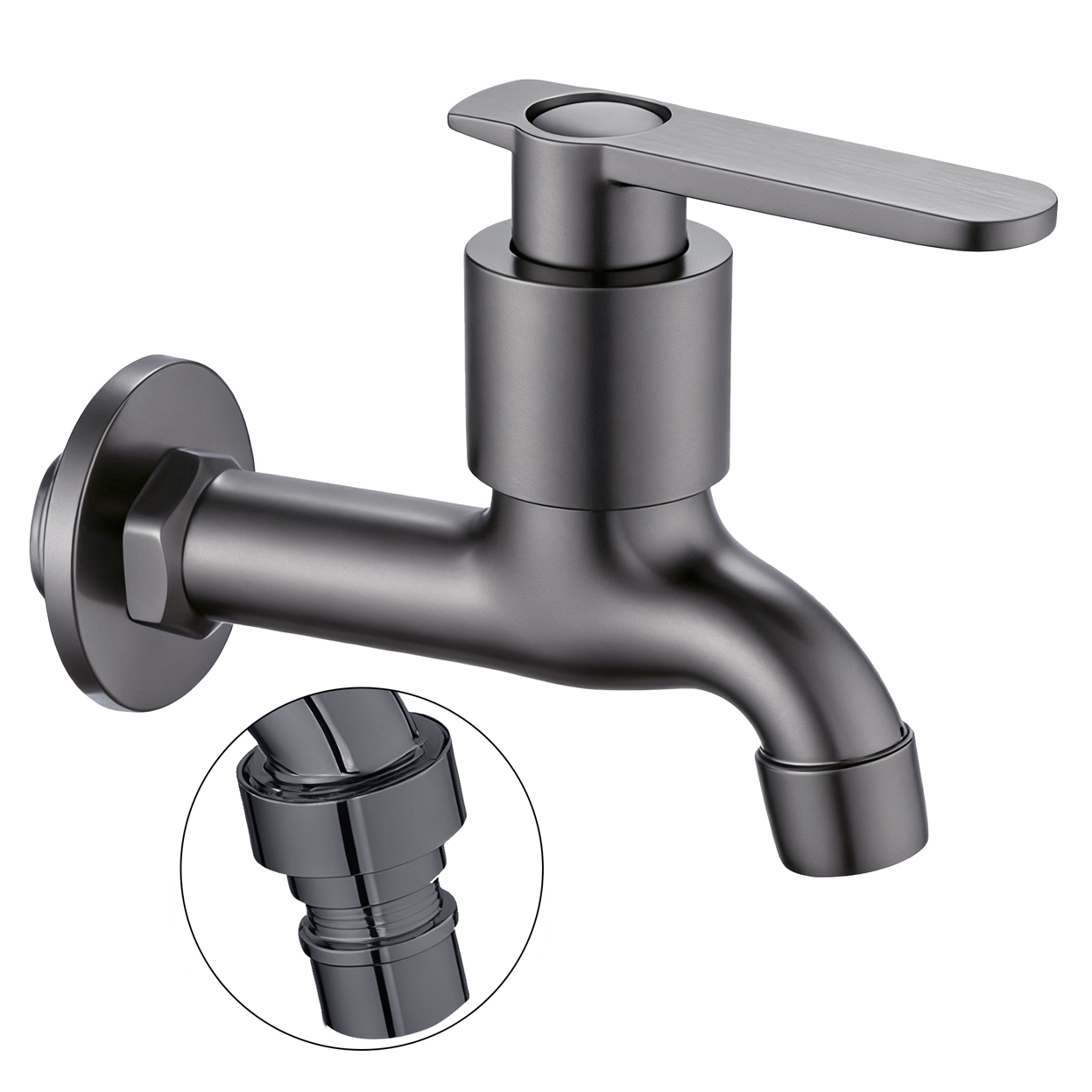
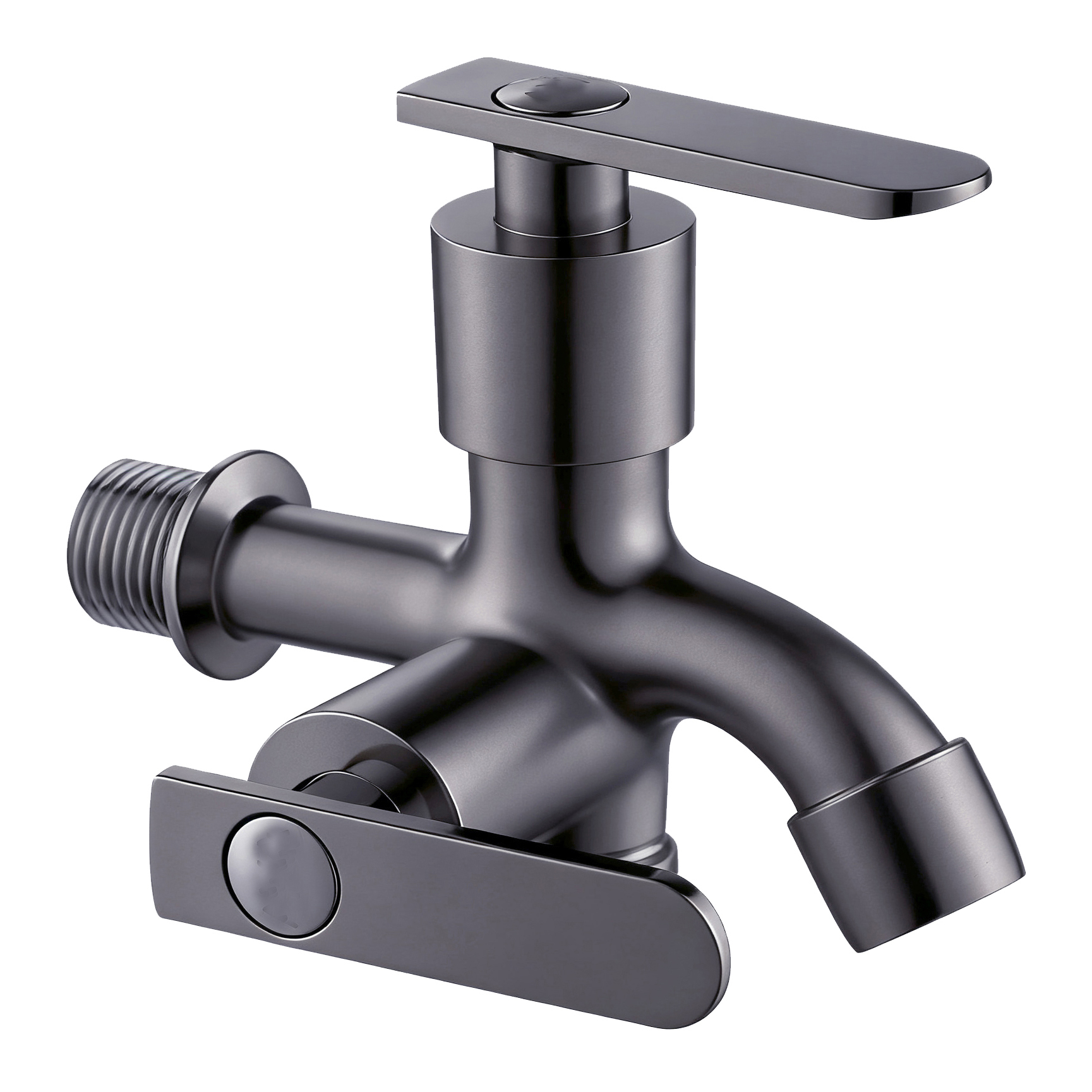
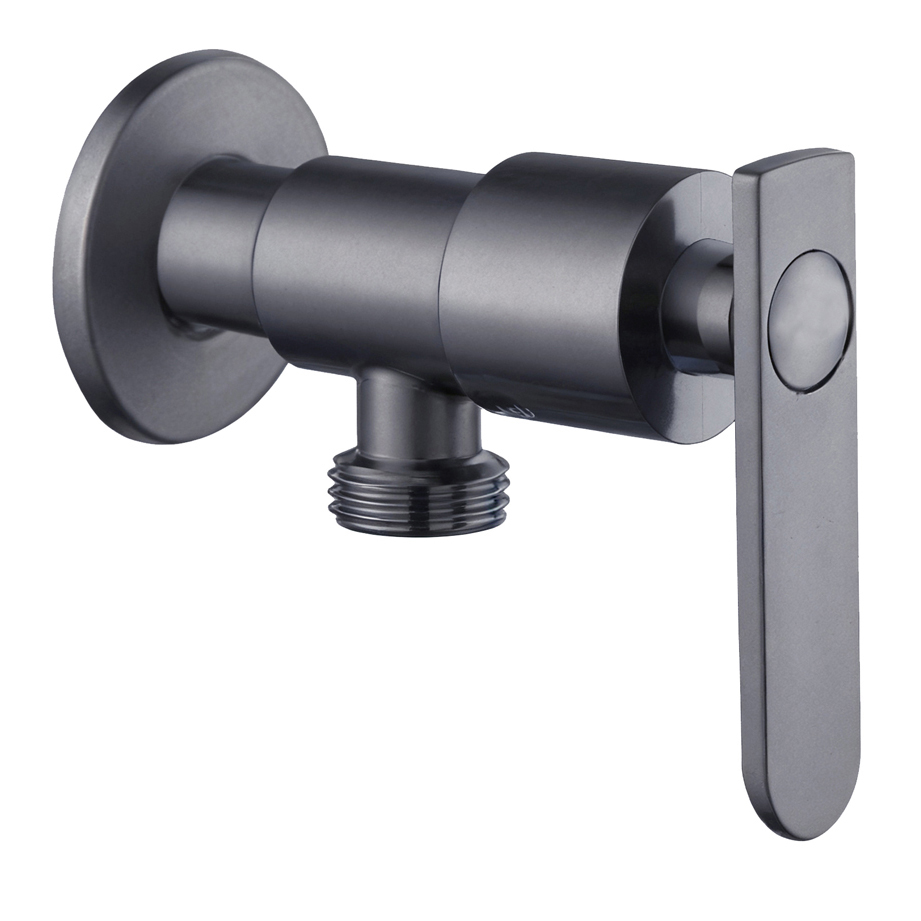
The MOQ of a Black Shower Faucet Is Not Just About “How Many Sets”
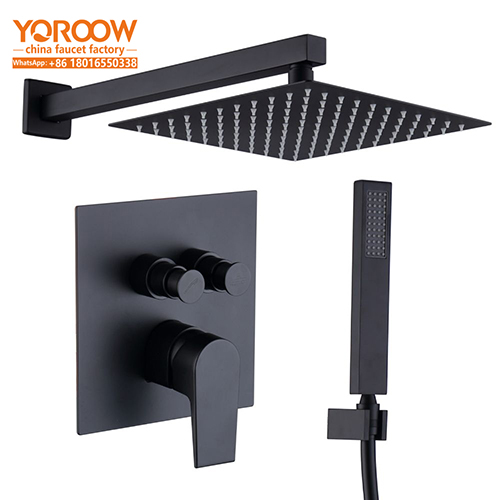
Take a Black Shower Faucet as an example.
If the order is based on a mature standard configuration and the quantity is concentrated in only a few regular SKUs, the MOQ is usually easier to absorb.
But if one black shower faucet set includes different bodies, shower combinations, hoses, accessories and packaging options, the same order quantity already involves a much more complicated configuration structure.
This becomes especially important when Matte Black is only one finish within the broader range rather than the main finish across all models.
For example, if a series contains multiple models and every model is offered in Black, Chrome, Gold and other finishes, the total purchase quantity may look reasonable. But once that quantity is divided across model × finish, the inventory depth of each individual SKU may become quite limited.
That is the real MOQ issue that needs to be managed.
Customization Changes What MOQ Means for Inventory
For a standard black shower faucet, some common components may be usable across several products.
As special finishes, dedicated accessories, custom packaging or different combinations are added, however, the flexibility to shift stock across SKUs becomes lower.
Once the order is completed, that inventory becomes more specific in how it can be used.
So when evaluating MOQ, the question should not only be:
“What is the supplier’s minimum quantity?”
It should also be:
“How many sales scenarios can this quantity still support after it becomes inventory?”
The more standardized the product and the more common the configuration, the more flexible the stock tends to be.
The more specific the product becomes, the greater the inventory commitment represented by the MOQ.
For a Black Shower Faucet, it is also useful to separate whether black is a core finish in the series or only a supporting finish added to increase visual choice.
If Black already has stable demand, more concentrated purchasing can support regular replenishment more easily.
If it is only a low-share finish across many models, spreading the same MOQ across too many Black SKUs creates a very different inventory situation.
A Lower MOQ Is Not Automatically Safer
Reducing MOQ can lower the initial inventory commitment.
But if it also means purchasing much more frequently, or repeatedly preparing special finishes, packaging and components for every small order, it may create new purchasing complexity.
The objective is therefore not simply to make MOQ as low as possible.
A more practical approach is to match the purchase quantity with the certainty of the product.
Mature, stable core models can usually support deeper inventory.
Special finishes or configurations with less certain demand should be handled more cautiously.
Faucet MOQ should therefore be viewed as a combination of:
purchase quantity × product configuration × customization level × inventory absorbability.
The right MOQ is not necessarily the lowest number.
It is the quantity and configuration that can still remain within a manageable level of inventory risk after the products enter stock.