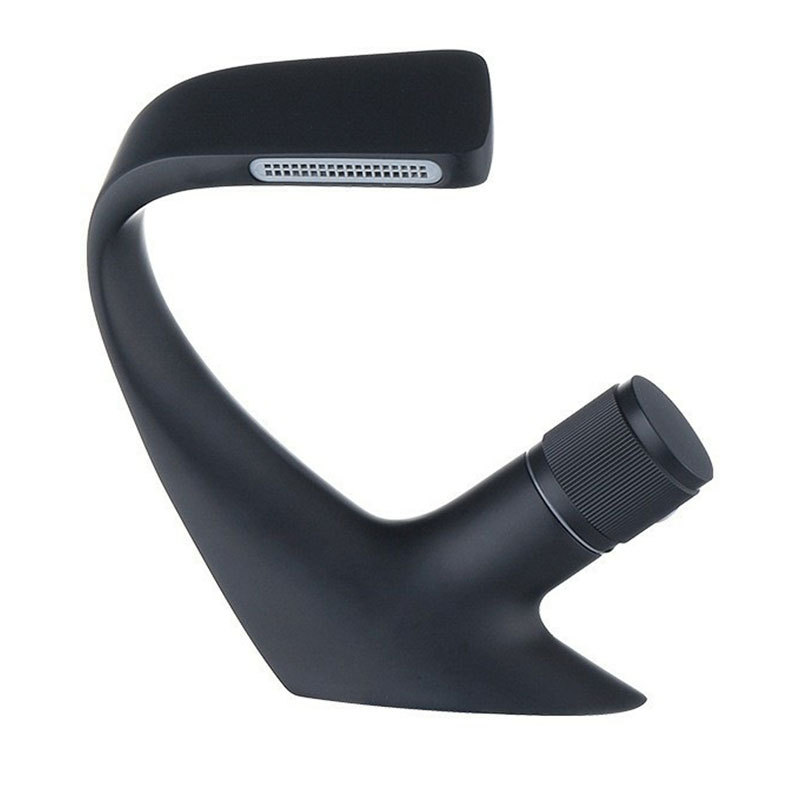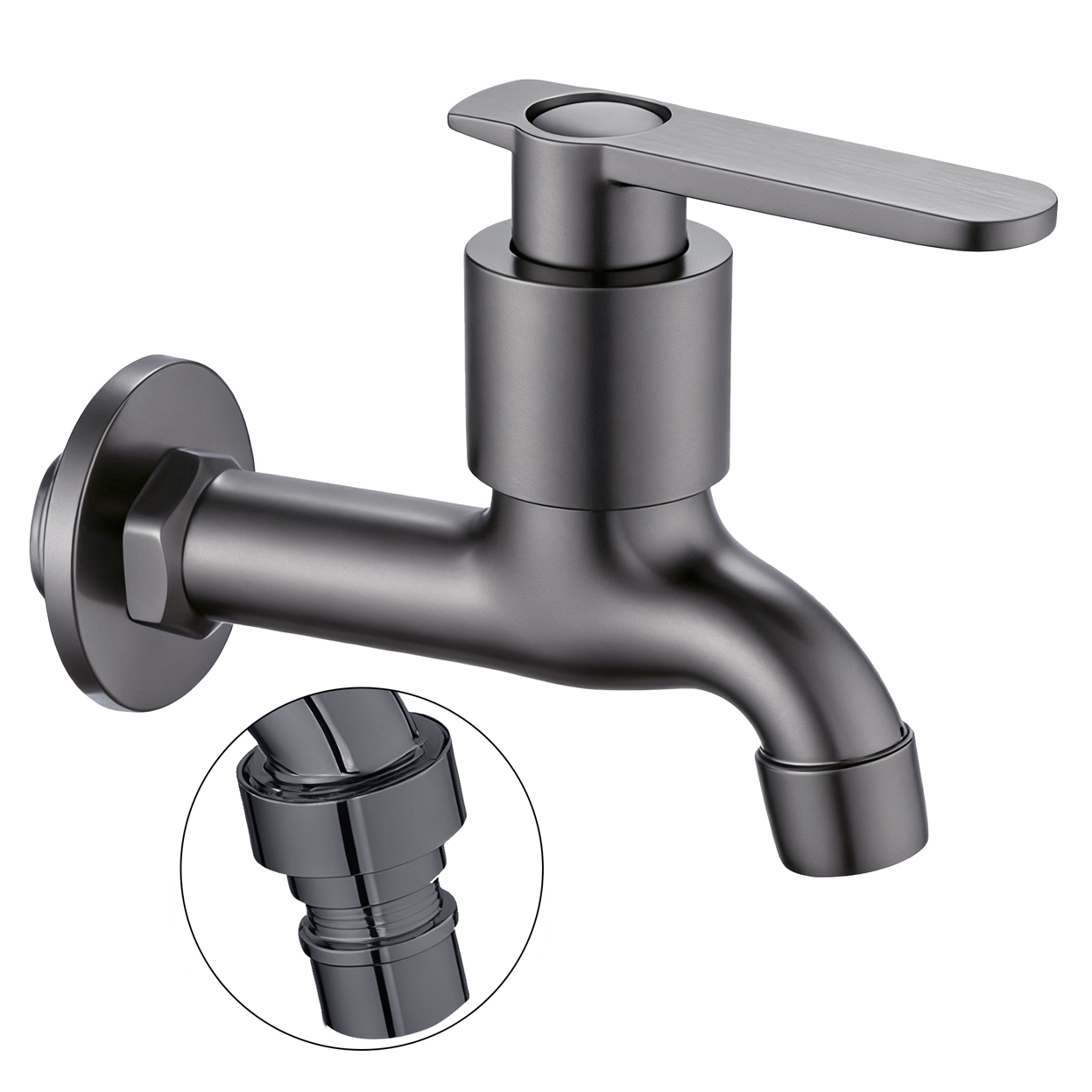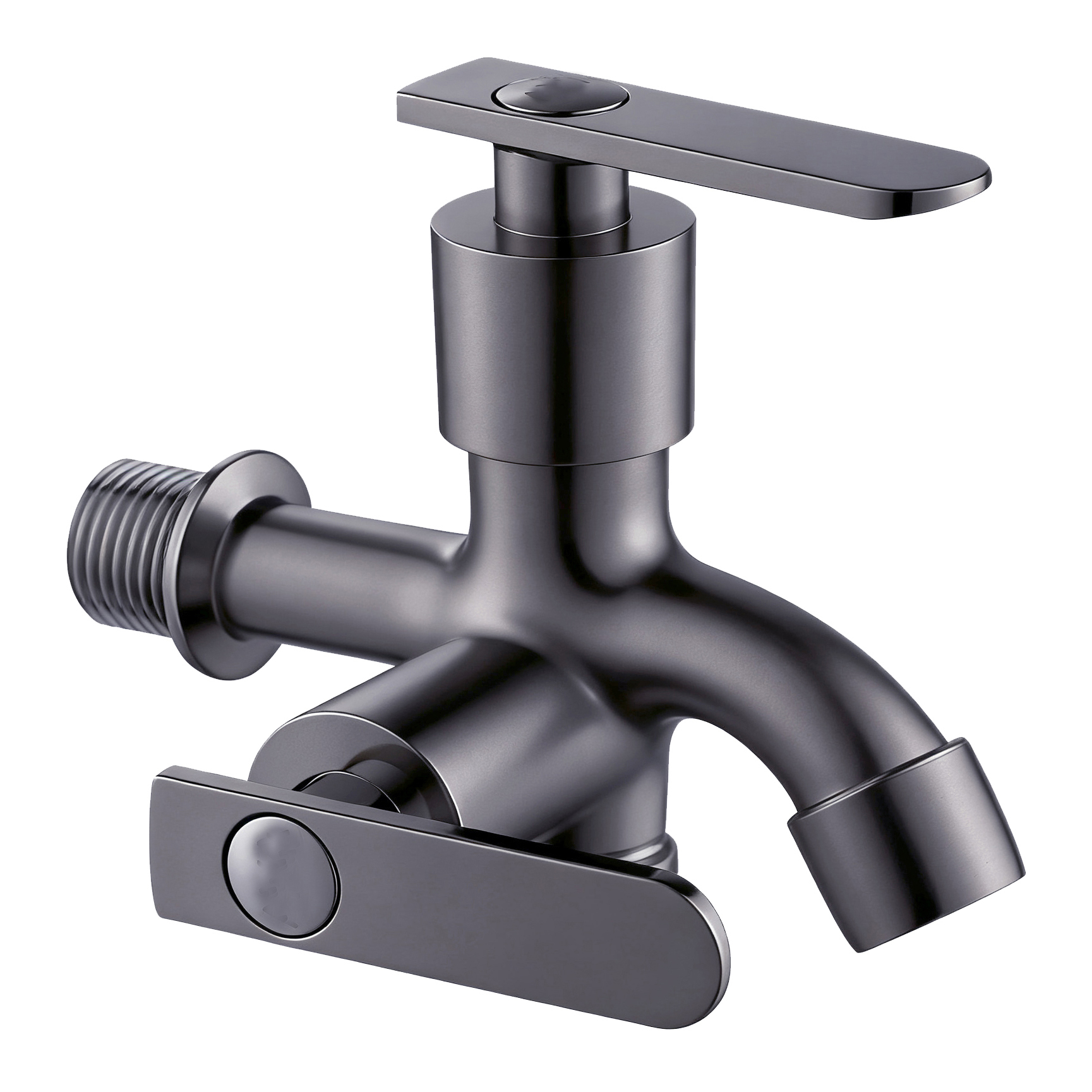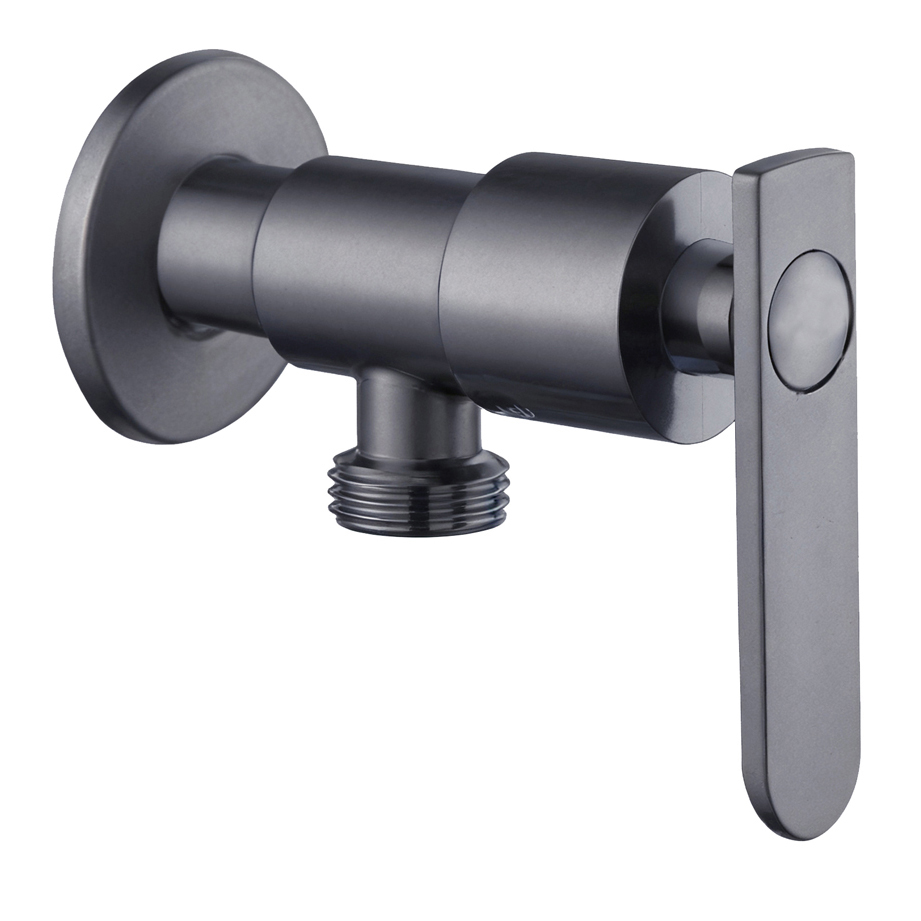




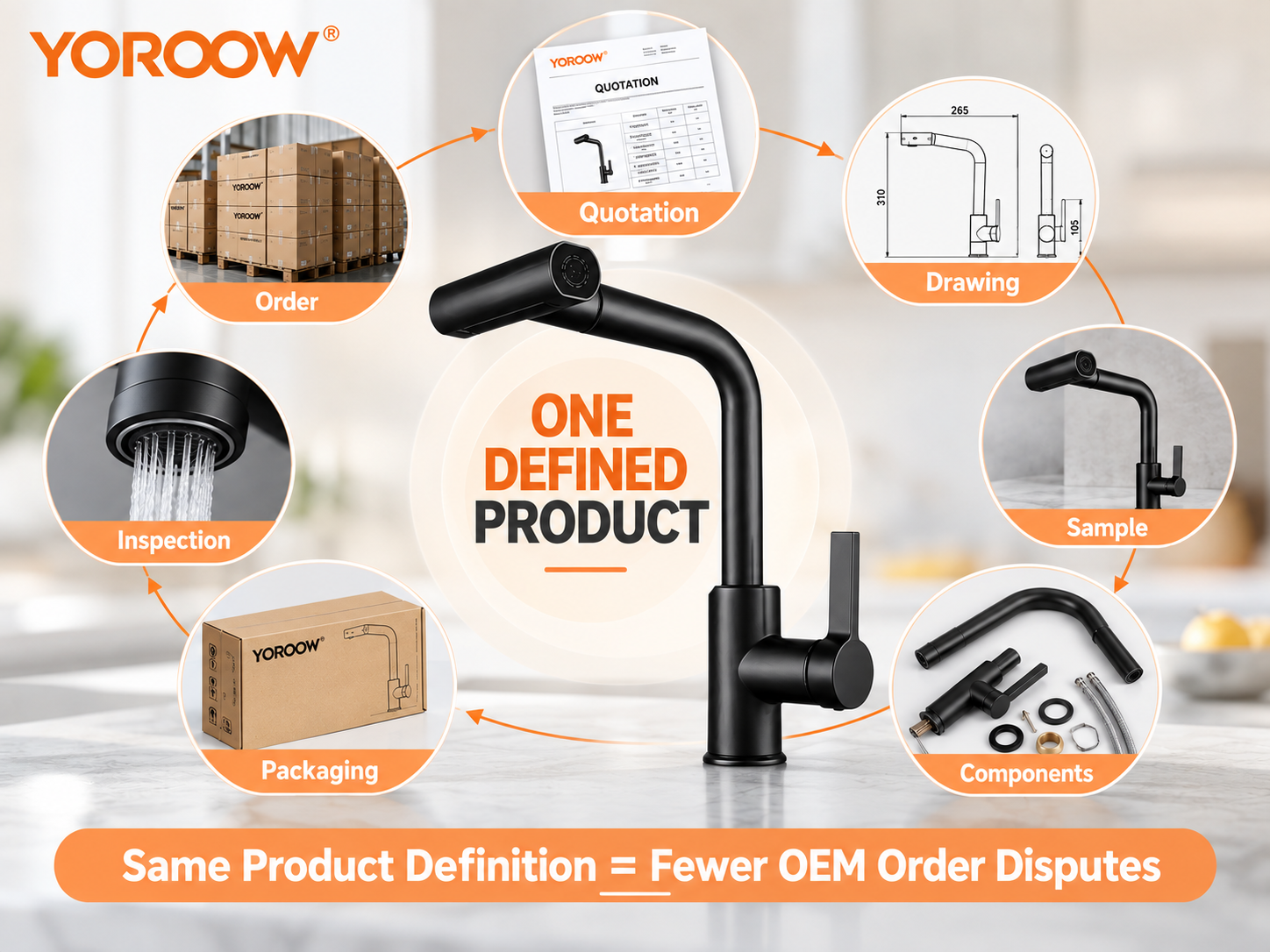
One of the most underestimated parts of an OEM faucet order is making sure both sides are defining the same product.
A quotation may show a model number, and a sample may already have been approved, while the drawing, components, and packaging still refer to different versions. When working with an OEM faucet manufacturer, the product specification, change boundaries, and acceptance criteria should form part of the quotation and order basis.
The division of work also varies from project to project. A buyer may provide complete drawings, or start with an existing supplier platform and request specific changes. Both sides should define what each party provides, approves, and uses as the production reference rather than assuming that the word “OEM” defines these responsibilities.
Make the Quotation Match a Defined Product
A quotation can remain a simple commercial document, but the product behind the price needs to be clearly defined.
The model, configuration, quantity, finish, accessories, packaging, and required documents can all affect what is actually being quoted. If something has not yet been confirmed, it is better to mark it as pending than to assume a standard configuration.
When the buyer provides drawings, the quotation should identify the relevant drawing number, revision, and date. When the order is based on an existing supplier model, the differences from that base model should also be clear.
This makes the price easier to understand later. Someone reviewing the quotation should be able to identify which product the price covers without searching through a long message history.
When requesting a quotation from an OEM faucet factory, technical information and commercial conditions can be organized separately while still being connected to the same product definition. This gives purchasing a clearer basis for cost comparison while allowing engineering and quality teams to review the proposed configuration.
Define What the Sample Actually Approves
A physical sample can help confirm appearance, hand feel, operation, and some aspects of the configuration. It does not automatically replace dimensional, material, performance, or other technical information.
Sample approval should therefore have a defined scope. A buyer may approve the appearance and operation while some material details, packaging elements, or performance requirements remain subject to further verification.
If the drawing, sample, and written description do not match, the conflict should be resolved before mass production. Production staff should not have to decide which reference is “normally” more important, because different OEM projects may use different approval arrangements.
The same principle applies to OEM bathroom faucets sold as a series. Approval of the overall visual direction does not necessarily approve the technical configuration of every basin, kitchen, or shower model. Each model may have different structures, accessories, connections, and verification requirements.
Make Materials and Components Identifiable
Materials and critical components should be identifiable by their actual application and version.
Depending on the project, this may include the material specification, cartridge type, connector, aerator, hose, finish, or an agreed range of acceptable alternatives. Descriptions such as “premium cartridge” or “high-quality body” are not specific enough to support meaningful comparison or later acceptance.
Components supplied through another party also need a clear method of identification. The buyer does not necessarily need to manage every upstream supplier, but the final manufacturer should be able to explain how changes to components that affect the finished faucet are controlled.
This becomes particularly important when a component appears interchangeable by size alone. A nominally identical part may still have differences in performance, connection, appearance, documentation, or compatibility with the approved configuration.
The relevant question is not simply whether a replacement can physically fit. It is whether the replacement remains consistent with the product that was quoted, approved, and ordered.
Set Change Boundaries Before Production
OEM orders rarely remain completely unchanged from quotation to shipment. A buyer may request a new finish, logo, accessory, or packaging detail. A manufacturer may also propose a component or process change.
Each change should make its scope clear before implementation:
- Why is the change being made?
- Which product or document does it affect?
- What impact could it have?
- Who needs to approve it?
- From which order or batch does the new version apply?
The impact may extend beyond the faucet itself. A small accessory change can affect packaging dimensions, instruction images, existing verification, or spare-parts information. A logo change may affect printed packaging that is already in stock.
The size of the visual change is therefore not a reliable measure of its operational impact.
Voor OEM faucet manufacturing, the effective boundary of a change is particularly important. The new version should have a clear starting point, while old materials and work in progress should be handled according to the agreed arrangement. Otherwise, different versions can enter the same product code and later create problems in warehousing, installation, or after-sales service.
An unapproved substitution should not become automatically acceptable simply because the shipment deadline is approaching. The parties can discuss alternatives, but the approval should correspond to the actual scope and potential impact of the change.
Agree on Acceptance Before Production
Acceptance should be defined around the actual product and its intended market requirements before production begins.
Depending on the project, the acceptance scope may cover product identity, appearance, operation, accessories, packaging, documents, and other agreed requirements. Each item should have an appropriate inspection method and acceptance basis rather than becoming a discussion for the first time at shipment.
This is especially important when a third-party inspection is involved. The inspection scope should be agreed in advance, together with the information needed by the inspector. An inspection result only supports the items that were actually covered; it does not automatically represent a certification or replace a separate verification requirement.
The handling of nonconforming products should also be clear. If an issue is found, the buyer should be able to understand whether it affects the whole batch or only a defined quantity, what corrective action was taken, which products were rechecked, and what basis was used for release.
A few photographs of repaired products may show the result, but they do not always explain the status of the entire batch.
Keep One Controlled Order Record
The information does not have to be divided into a large number of separate documents. What matters is that the current order record can connect the main information needed to produce and accept the product.
It should be possible to identify the current:
- product definition and drawing revision;
- approved sample and its approval scope;
- key materials and components;
- applicable requirements and supporting evidence;
- inspection and acceptance criteria;
- commercial and delivery conditions;
- approved changes and their effective batches.
This controlled record also helps different teams work from the same reference. Purchasing can understand what the quoted price covers, engineering can identify the approved configuration, and quality personnel can check the same product against the agreed requirements.
The purpose is not to create more paperwork. It is to prevent important decisions from remaining scattered across quotations, emails, sample comments, and message threads.
Make the Next Order Reference the Current Version
A repeat order should not depend entirely on the phrase “same as last order.”
Before a new order is released, both sides should confirm whether the previous configuration is still current, whether any drawings or packaging have changed, and whether the new order has different quantities, markets, accessories, or other requirements.
This does not mean repeating the entire development process for every purchase. It means confirming the version that the new order is actually using.
If a problem is discovered after delivery, the information can also feed into the next order review. A product adjustment, packaging update, or instruction change should have a clear effective point so that the same issue does not need to be explained again with every purchase.
A clear OEM order makes the price correspond to a defined product, gives changes a clear approval boundary, and gives both sides the same basis for acceptance. When these three elements are connected before production, purchasing, manufacturing, and delivery have a more repeatable foundation.