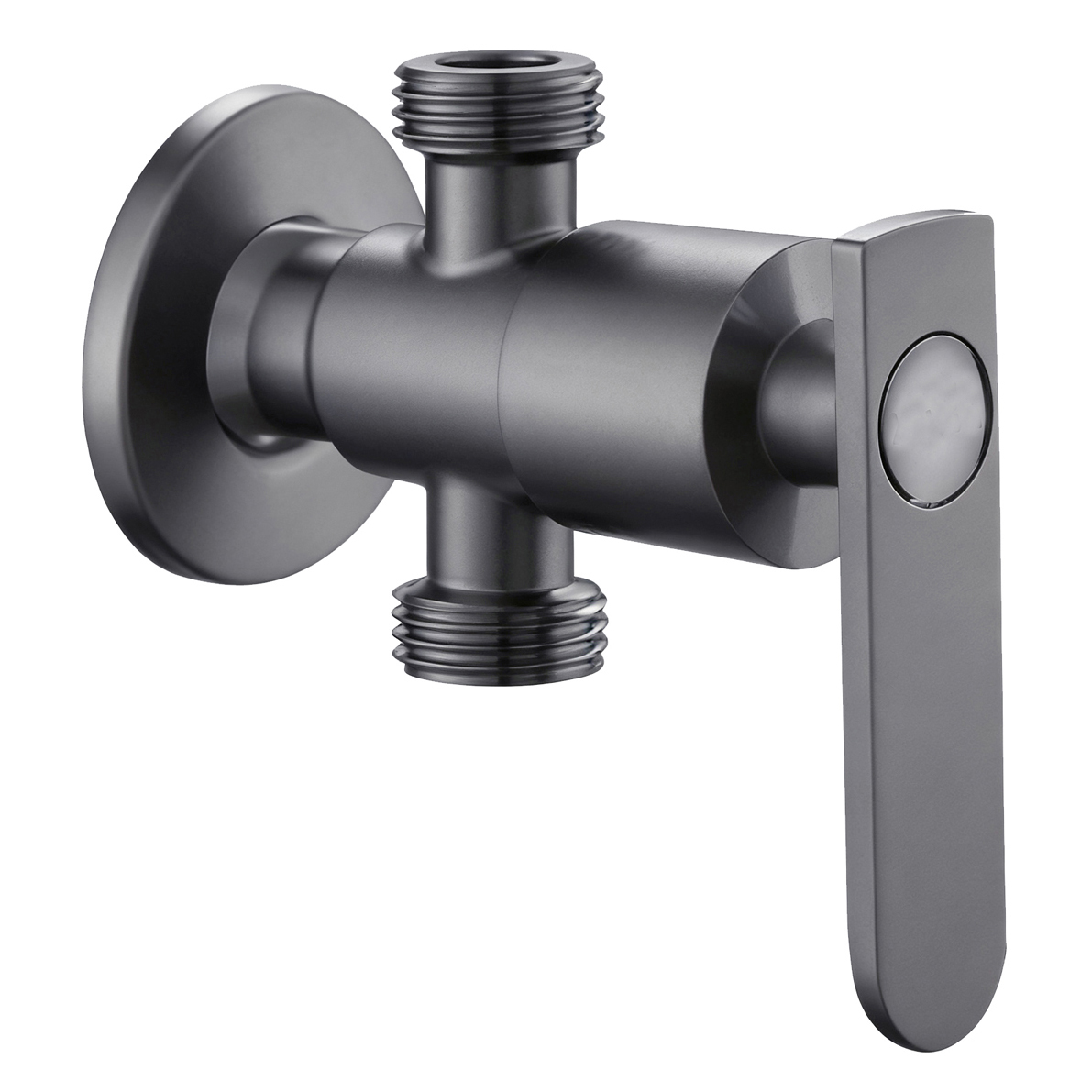




A shower faucet sample may have smooth controls and an acceptable finish, yet the complete shower setup can still perform differently from what the buyer expects. The issue may not come from one component alone. It can result from the relationship between the valve body, shower outlets, control functions, and the available water supply.
When evaluating a shower faucet manufacturer, ask the supplier to define the conditions under which the complete combination is intended to work before approving a model.
A shower product may include a mixer, diverter, overhead shower, hand shower, hose, and connection parts. In other projects, only the mixer or valve body is supplied while other components come from different sources. The first step in a quotation should therefore be to define exactly what the supplier is responsible for delivering and which combination has actually been verified.
Define the Complete Water Path Before Choosing the Faucet
Start with a simple diagram showing the hot and cold water inlets, control components, and outlets. It does not need to be complicated. What matters is showing which components belong to the supplier and which will be provided by the project team or another manufacturer.
This becomes especially important when only the mixer or valve body is being purchased. If the planned overhead shower or hand shower comes from another source, provide its relevant specifications to the shower mixer manufacturer. A supplier should not judge the complete shower performance from an overhead shower photo alone, and the fact that two components can be physically connected does not prove that the combination has been validated.
The water path should also show how the outlets are expected to operate. For example, will the overhead shower and hand shower operate separately, or can more than one outlet be used at the same time? A product described as having “two functions” does not answer that question by itself.
Check Water Supply Conditions Before Comparing Solutions
The available water supply, hot-water system, and project requirements should be included in the initial product assessment. Conditions that have not been measured should remain clearly marked as pending rather than being replaced with an assumption such as “normal water pressure.”
Hansgrohe’s shower planning information considers factors such as shower dimensions, spray coverage, flow rate, and pressure when evaluating shower installations. Its product-specific flow information also shows why performance should be considered against the conditions specified for the relevant product rather than judged from a showroom installation alone.
Voor wholesale shower faucets sold across different markets, the same principle applies. The expected operating conditions should be identified before deciding which versions can be offered and what performance information can reasonably be communicated.
A result observed under one demonstration setup should not automatically become a performance claim for every residential or project installation.
Treat Exposed and Concealed Shower Faucets Differently
Exposed shower faucets are easier to inspect visually, but the buyer still needs to confirm connections, operating space, and related accessories.
Concealed systems require earlier coordination because the valve body, wall depth, finished surface, and external controls can be interdependent. Selecting an attractive trim plate does not mean that the concealed installation has been fully defined.
The quotation should clearly state whether it covers the concealed body, the external trim and controls, or the complete set. Compatibility between different versions should be confirmed through the manufacturer’s technical information rather than inferred from similar appearances or dimensions.
Project schedules can also affect how these components are delivered. If the concealed body and external trim arrive at different stages, their model numbers, quantities, and versions should remain linked. The later-delivered trim should still be traceable to the concealed component that was approved earlier.
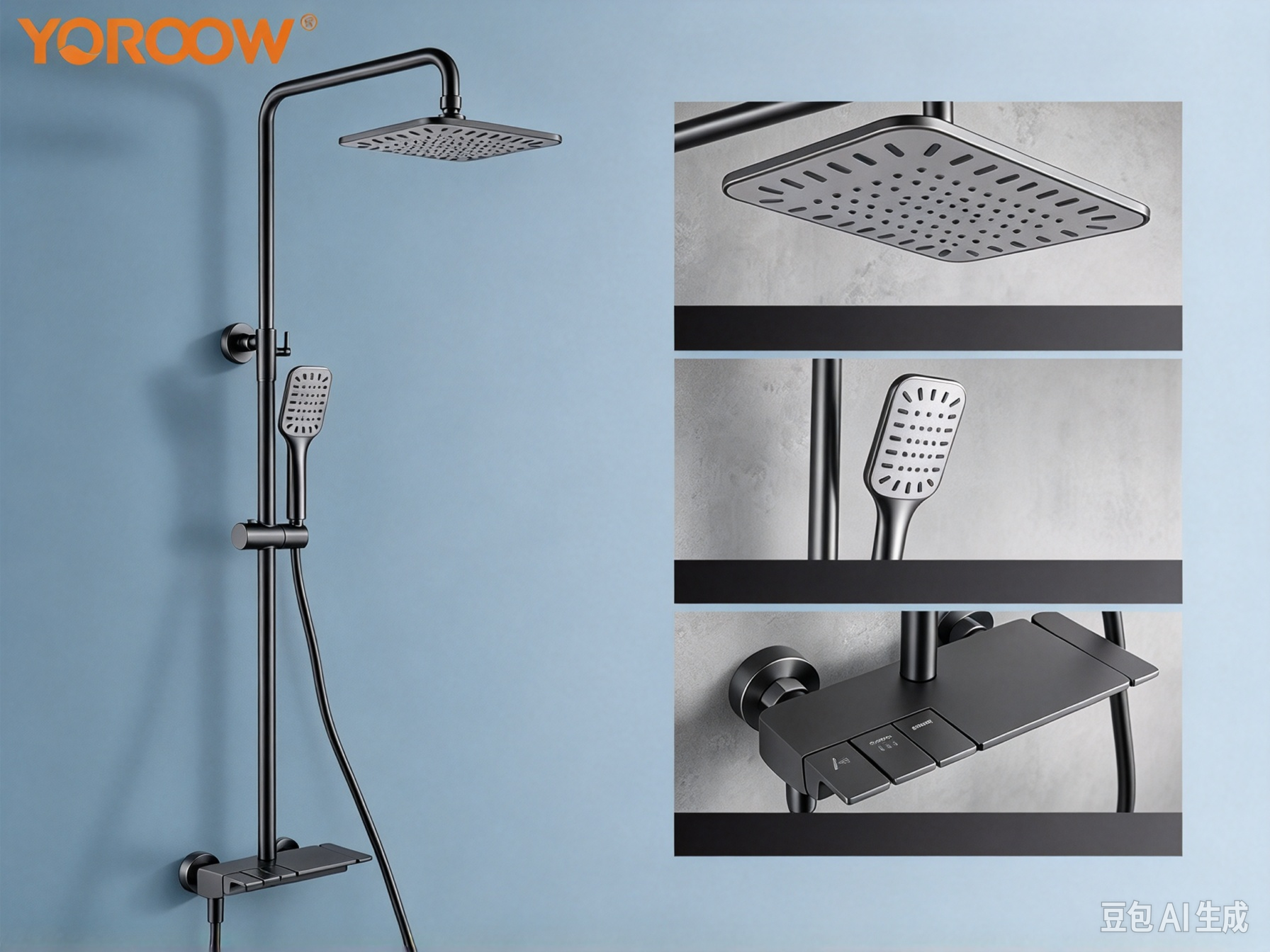
Give Special Functions Their Own Verification
Thermostatic, conventional mixer, and other control systems should be clearly distinguished in the product documentation.
If a project requires temperature control, confirm the applicable operating conditions, supporting documentation, and verification for the actual model. A temperature scale printed on a handle does not by itself demonstrate a particular temperature-control or safety function.
For an OEM shower faucet, a brand may also request a new control function or a modified operating configuration. Before treating that change as a product feature, confirm the effect on the valve structure, components, and verification requirements.
Appearance changes and functional changes should not be treated as equivalent. A new finish may affect appearance approval, while a change to a control component can affect the product’s functional verification.
The sales and installation documents should use the same description of the approved function. During sample approval, record which performance has been verified under defined conditions and which aspects still depend on confirmation at the installation site.
Test the Shower Combination, Not Only the Faucet Body
A sample review should cover more than the feel of the control handle.
The buyer can record the operating direction, readability of markings, ease of operation with wet hands, and the condition of each outlet during switching. Smooth operation is useful information, but it does not replace checking the actual switching function, sealing, and other applicable requirements.
When several shower components are sold as one combination, keep a clear list of the approved configurations. If the overhead shower, hose, or control component is changed later, do not simply update the product photo. The technical team should determine whether the original verification still applies or whether additional evaluation is required.
A consistent appearance can also hide different internal configurations. The model number or product identification should therefore allow warehouse and installation teams to distinguish versions without relying on a salesperson’s explanation.
A practical sample review can cover four areas:
| Review Area | Check Together | Record |
|---|---|---|
| Valve and shower outlets | Combination, supply conditions, and approved configuration | Verification status |
| Control and switching | Operating logic and outlet status | Functional findings |
| Installatie | Connections, installation form, and available space | Drawing version and pending items |
| Complete set | Components, connection accessories, and model relationships | Packing list and model reference |
The review can be completed in stages. For example, appearance approval may come before combination-performance verification. The important point is that the approval record should show exactly what has been completed.
Appearance approval should not automatically be treated as approval of the complete shower system.
Record the Approved Combination for Installation and Maintenance
Maintenance information should be considered when concealed shower products are ordered, not added only after installation.
Confirm the identity of replaceable components, their applicable versions, and the maintenance information supplied by the manufacturer. Whether a component can be serviced without affecting other parts depends on the specific design and should not be assumed from the product appearance.
For hotels and long-term distribution programs, keeping previous model numbers, replacement references, and change records can also help. A shower system installed several years earlier may still require service after a newer version has entered the market.
Installation instructions, spare-parts drawings, and packing information should therefore have clear ownership and approval timing. These documents connect the purchasing decision with the work of installers and service teams.
Make the Quotation State What Has Actually Been Verified
When contacting a shower faucet supplier in China, provide the target market, application, water-path diagram, required functions, and installation type where available.
Conditions that have not yet been confirmed should be identified as pending. This allows the supplier to state what additional information is required instead of making assumptions about the installation.
The quotation should make the supply scope visible:
- Which valve or mixer is included
- Which shower outlets are included
- Which hoses and connection accessories are included
- Whether the combination has been verified
- Which operating conditions were used for verification
- Which installation conditions still require confirmation
- Which documents and spare-parts information will be supplied
This makes different quotations easier to compare because the buyer is comparing both the product and the scope behind the price.
Ultimately, a shower faucet selection should answer three practical questions:
Under what conditions is this combination intended to operate?
What exactly is included in the supply?
How will the approved configuration be identified and maintained later?
The appearance of a sample may determine whether a product enters the candidate list. The answers to these three questions determine whether the complete shower combination is properly defined for the project.
Sources
[1] hansgrohe淋浴空间与供水条件规划资料