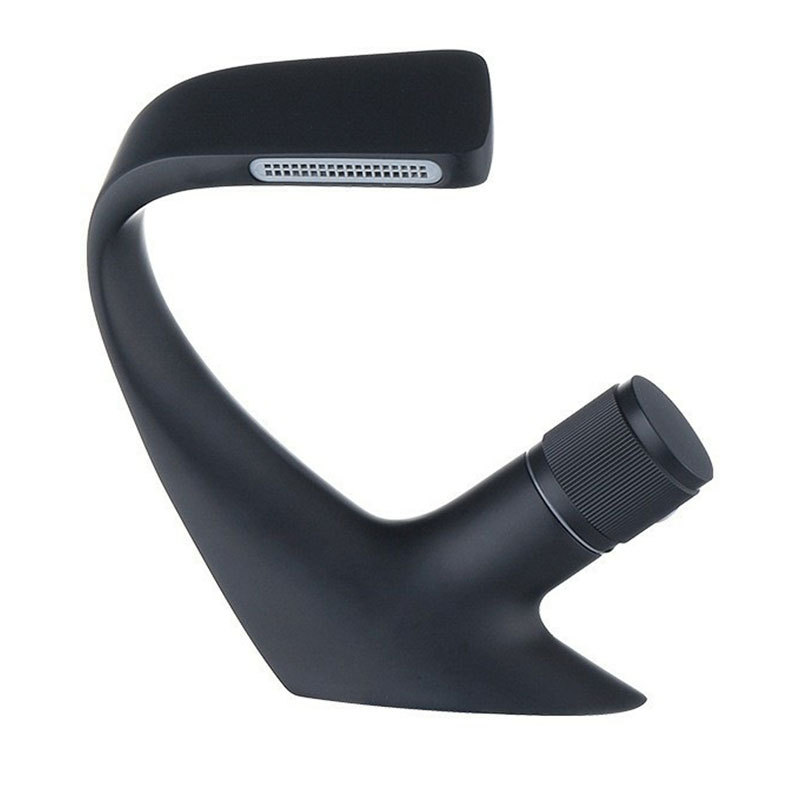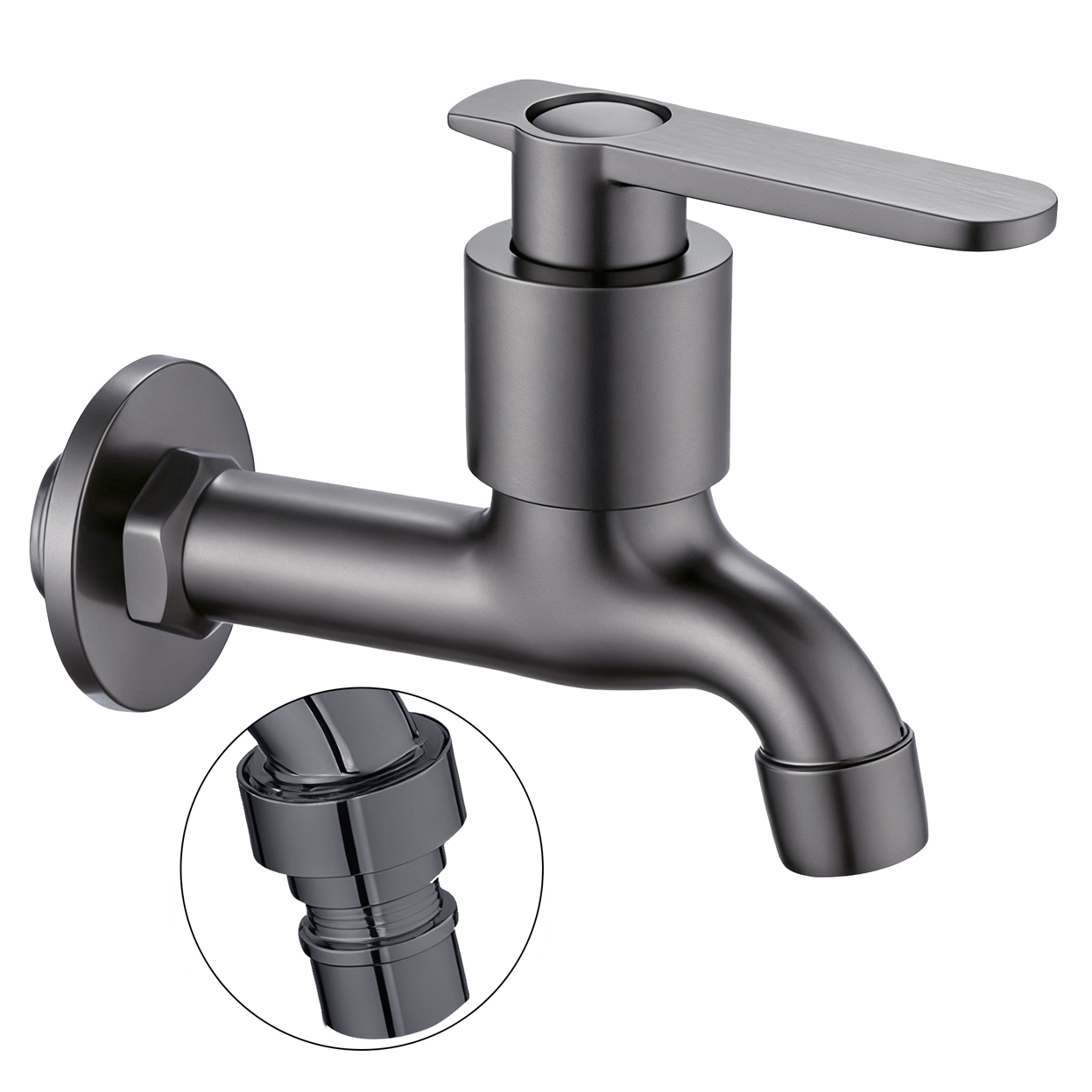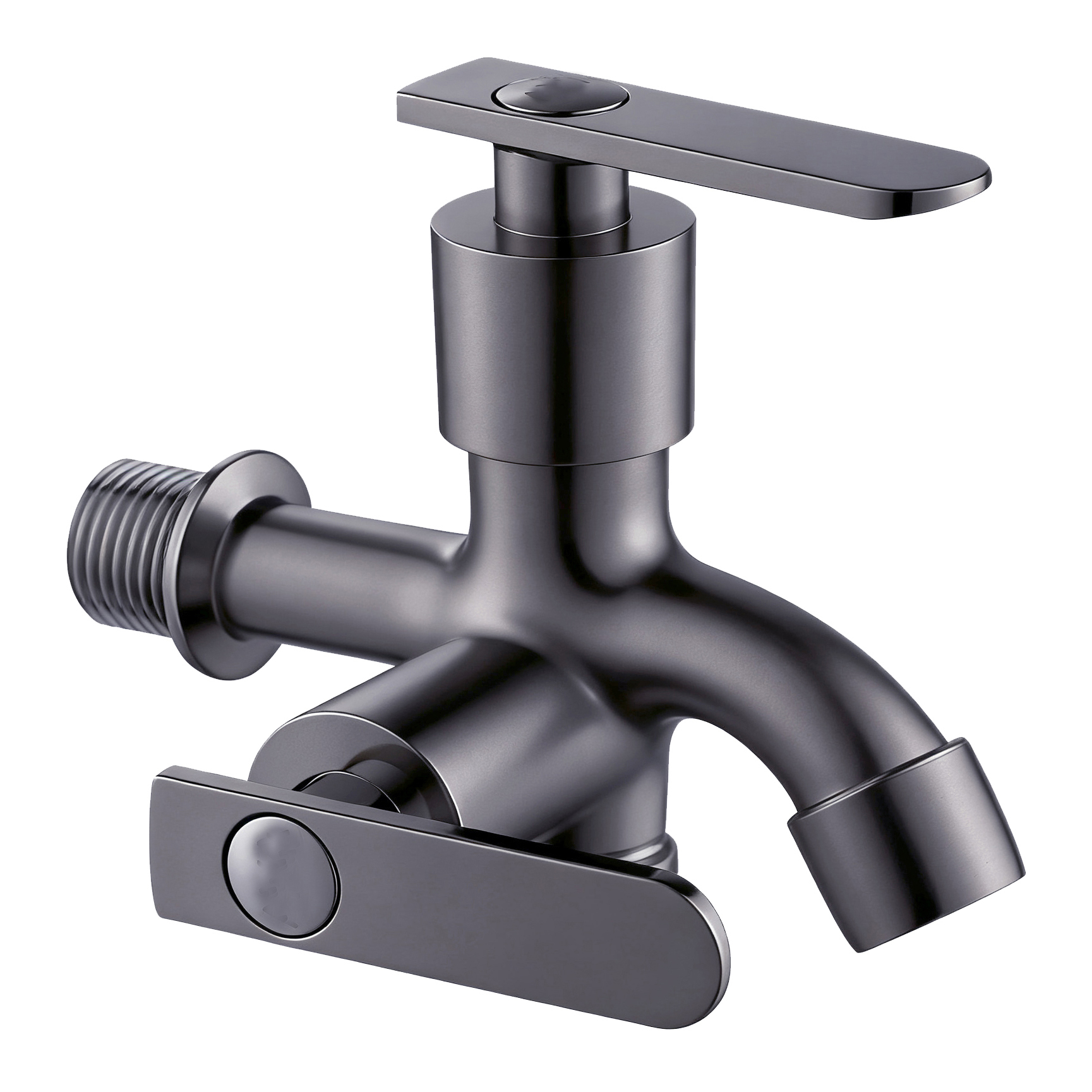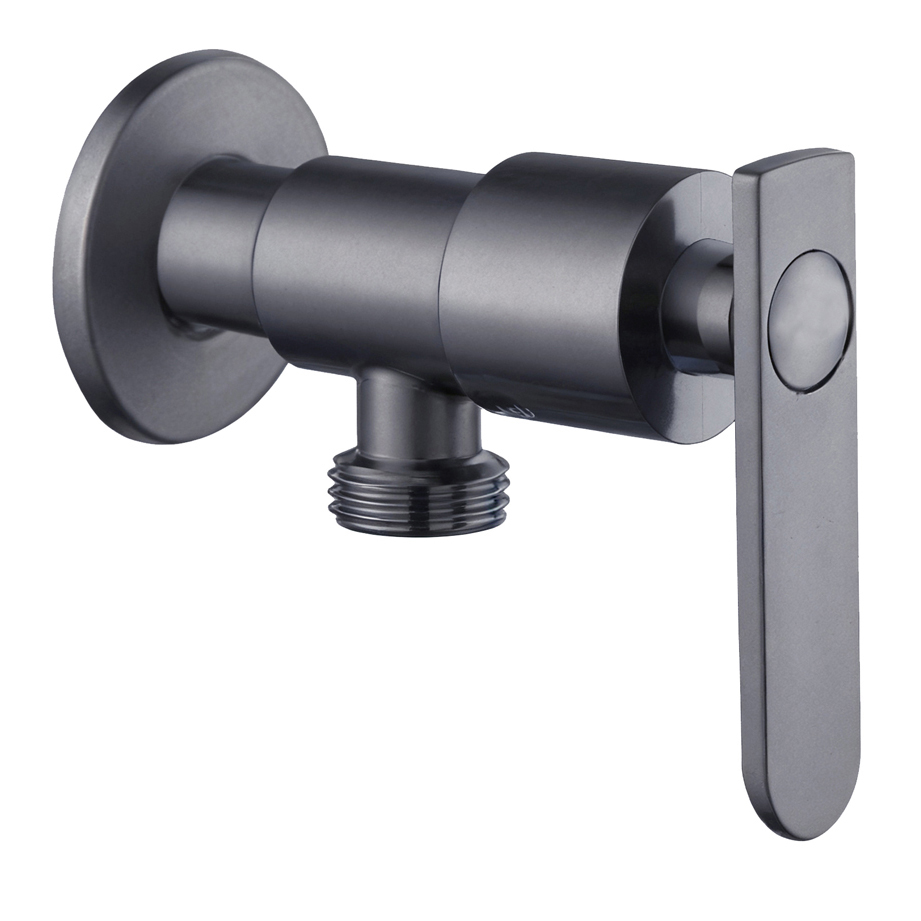




A sensor faucet may respond immediately during a sample demonstration but behave differently once installed with the actual project basin. Users may have to move their hands around before the water starts. When this happens, the first question is not simply whether the sensor is “sensitive enough.” The project team needs to identify what changed between the two conditions.
Mounting position, basin surface, surrounding light, power supply, and sensor settings can all become part of the investigation.
When choosing a sensor faucet manufacturer, it is more useful to evaluate the faucet as a complete system working under defined installation conditions. The sensor, valve body, controller, power components, and actual basin should be considered together. Factory sample testing and project mock-up testing can then be recorded separately so that differences between the two environments are easier to identify.
Test the Faucet Where the User Will Actually Use It
Product descriptions often use terms such as responsive sensing or intelligent detection. For procurement, these descriptions become more useful when they are converted into actions that can actually be observed.
A user can stand in the expected position, place both hands naturally in the washing area, and use the faucet as intended. The project team can then observe whether the faucet activates without requiring the user to search for the sensing area, whether water continues as expected during normal handwashing, and what happens after the hands are removed.
A report on HCG products presented at KBC 2025 mentioned sensor-faucet adaptation to different backgrounds and reflective environments.[1] This type of product information can help project teams identify questions worth testing. It should not, however, be treated as a performance result for another manufacturer’s faucet or as a YOROOW product specification.
For a project, the objective is not necessarily to achieve an arbitrary “fastest response” figure. A faucet also needs to avoid unwanted activation and allow users to find the intended sensing area naturally.
Settings matter as well. If a sample works properly only after adjustment, the buyer should know who will perform that adjustment on site, whether every unit requires it, and whether the instructions provide enough information for installation and maintenance teams.
Adjustability can be useful, but it also creates another configuration that needs to be understood.
Basin, Light, Reflection, and Settings Can Change the Result
The basin should not be treated as separate from sensor evaluation.
Sloan explains in its information on reflective infrared sensing that a sensor detects a target through reflected signals and that surfaces can differ in how strongly they reflect those signals.[2] This explanation applies to the sensing technology described by Sloan. Before using the same reasoning for another product, the buyer should first confirm which sensing technology that faucet actually uses.
For project testing, the practical lesson is straightforward: whenever possible, use the basin, mounting position, and surrounding materials planned for the actual installation.
If the final basin is not yet available, a substitute can be used for early evaluation, but the difference should be recorded. Once the final configuration is available, the relevant conditions can be checked again.
Lighting deserves the same attention. Instead of changing the basin, lighting, distance, and sensor settings at the same time, change one important condition at a time. For example, compare two basin surfaces while keeping the mounting position and settings unchanged. Then evaluate a lighting change separately.
This makes an unexpected result much easier to investigate.
Mirrors and nearby fixtures may also become relevant depending on the product and layout. If the interior design changes after the mock-up—for example, the basin, mirror, or lighting position changes—the project team should consider whether the previous sensor evaluation still represents the final installation.
For multiple adjacent washbasins, the mock-up can also include normal operation with users at neighboring positions where relevant. The purpose is not to assume that interference will occur, but to confirm performance in the layout that will actually be used.
Power Supply Is Part of the Installation
Battery-powered and externally powered configurations create different installation and maintenance requirements. A sample simply turning on is not enough to compare them.
When requesting quotations from a touchless faucet supplier, the buyer should identify what the quoted configuration includes: the faucet, controller, power components, cables, connectors, and other required installation parts. A lower faucet price can become less meaningful if essential components have been left outside the quoted scope.
For a battery-powered version, useful questions include the required battery specification, how low battery status is indicated, and what happens after batteries are replaced.
Battery-life claims should also be read together with their test conditions. A figure based on a particular activation frequency should not automatically be treated as the expected service interval for every project. Where reliable project-specific data are not yet available, actual activation frequency and maintenance experience can be recorded during operation.
For an externally powered version, the team should confirm where the power components will be located, whether they remain accessible for maintenance, and what happens after a power interruption. Whether settings need to be restored should be answered by the documentation or verification of the specific model rather than assumed.
Electrical installation itself should follow the product instructions and applicable local requirements, with responsibility clearly assigned to the appropriate personnel.
Follow the Faucet Through a Real Use Cycle
A useful mock-up test can follow the faucet through the way it will actually be used rather than treating sensing as one isolated action.
Start with installation and setup. Record the model, power configuration, relevant settings, basin, and mounting conditions.
Then perform normal handwashing from the expected user position. Observe activation, water delivery, and any repeated attempts needed to trigger the faucet. When the user removes their hands, observe whether the faucet stops according to its intended setting.
Cleaning should also be considered. The maintenance team needs to know how the faucet should be handled while the basin and surrounding area are cleaned. After an allowed maintenance task, such as replacing a serviceable component, the faucet should return to its expected operating state.
When something goes wrong, the record should be more specific than:
“The sensor does not work well.”
A more useful record would identify the basin and settings, describe where the user’s hands were positioned, explain what failed to happen, and note whether a second attempt produced a different result. A short video can help if it is linked to the correct sample and test condition.
An activation failure should not automatically be classified as a defective sensor. Depending on the product, the investigation may need to distinguish between sensing, power supply, water supply, settings, and control components.
Clear observation allows the technical team to investigate the right part of the system.
Sensor operation also should not automatically be translated into a fixed water-saving claim. EPA guidance in WaterSense at Work notes that the water-saving effect of sensor-activated faucets depends on factors including use and operating conditions.[3]
For a specific project, water use can be evaluated using relevant information such as flow rate, actual activation time, frequency of use, and settings. Unwanted activation or repeated triggering may also affect the result.
Therefore, “touchless” describes an operating method. It does not by itself prove a particular percentage of water savings.
A Project Sample Must Still Be Repeatable and Maintainable
Voor OEM sensor faucets, an approved exterior sample is only part of the product definition. The sensor module, controller, valve, power configuration, and relevant settings may also need to remain connected to the approved project configuration.
This becomes important because an electronic component can change while the faucet looks exactly the same from the outside.
The purpose is not to create unnecessary documentation for every component. It is to make sure that the configuration confirmed in the mock-up can still be identified when the bulk order is produced or when replacement parts are needed later.
Maintenance staff can also provide useful feedback during the mock-up stage. They can check whether serviceable components are accessible, whether battery or power components can be reached as intended, whether troubleshooting instructions are understandable, and whether replacement parts can be identified correctly.
For projects purchasing wholesale touchless bathroom faucets, these practical maintenance questions may matter long after the initial installation is complete.
When discussing a sensor faucet project with YOROOW, information about the basin and mounting position can be more useful than simply requesting a “high-sensitivity sensor faucet.” Power conditions, intended use, and relevant site constraints give the sample a real environment against which it can be evaluated.
A sensor faucet should not be judged only by how quickly it responds on a demonstration table. “Responsive sensing” becomes a useful purchasing requirement only when both buyer and supplier know the installation conditions under which that response was verified.