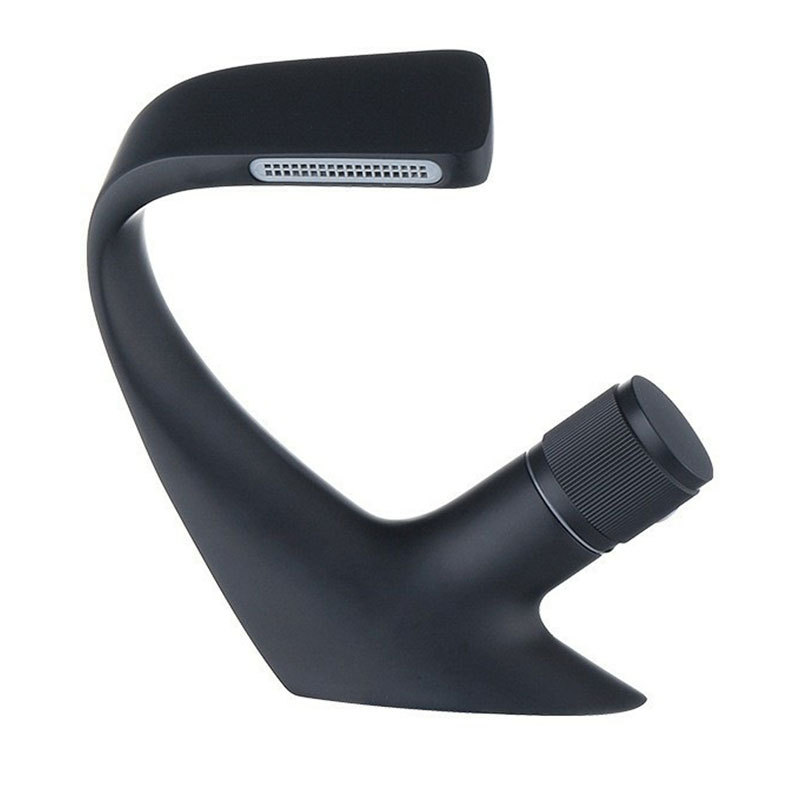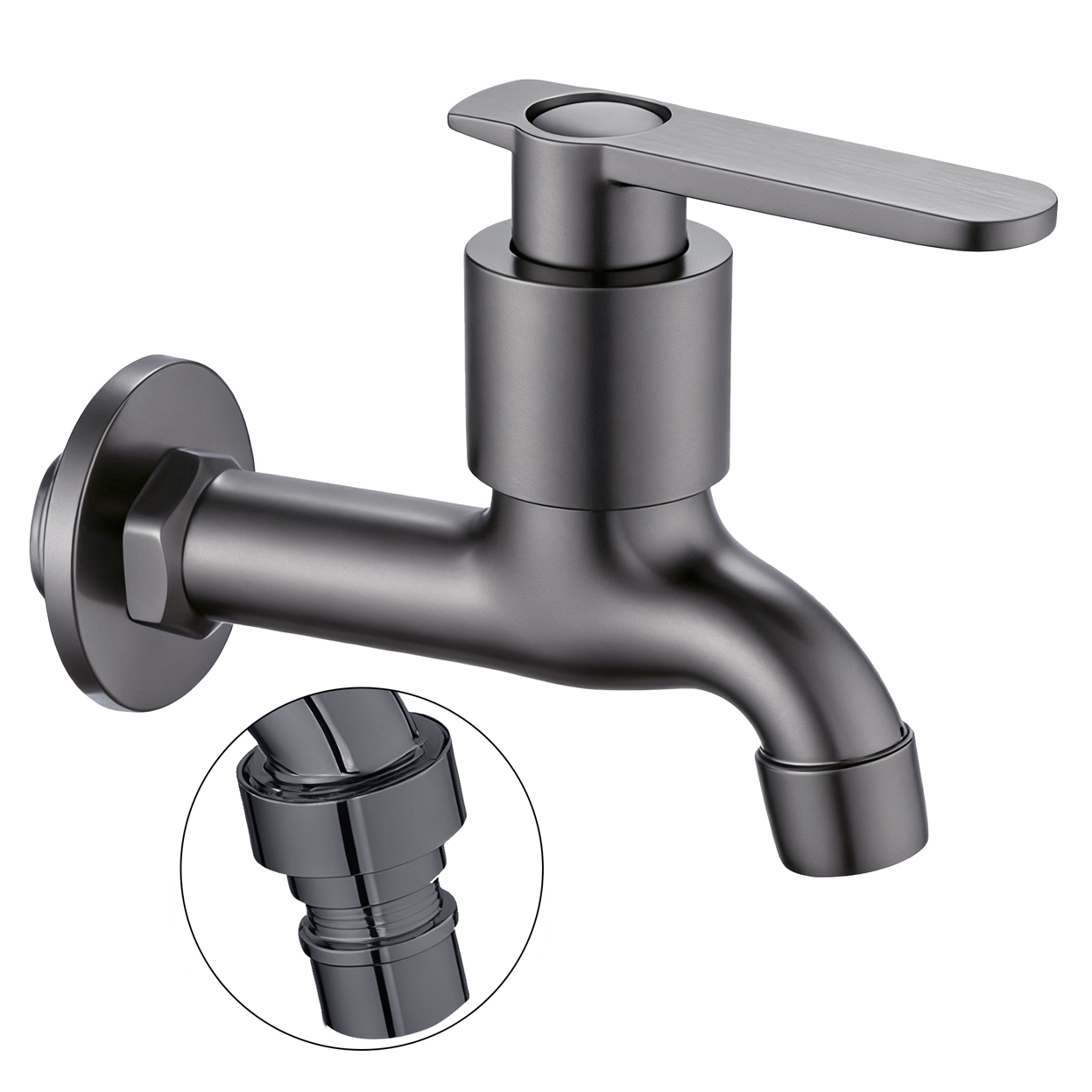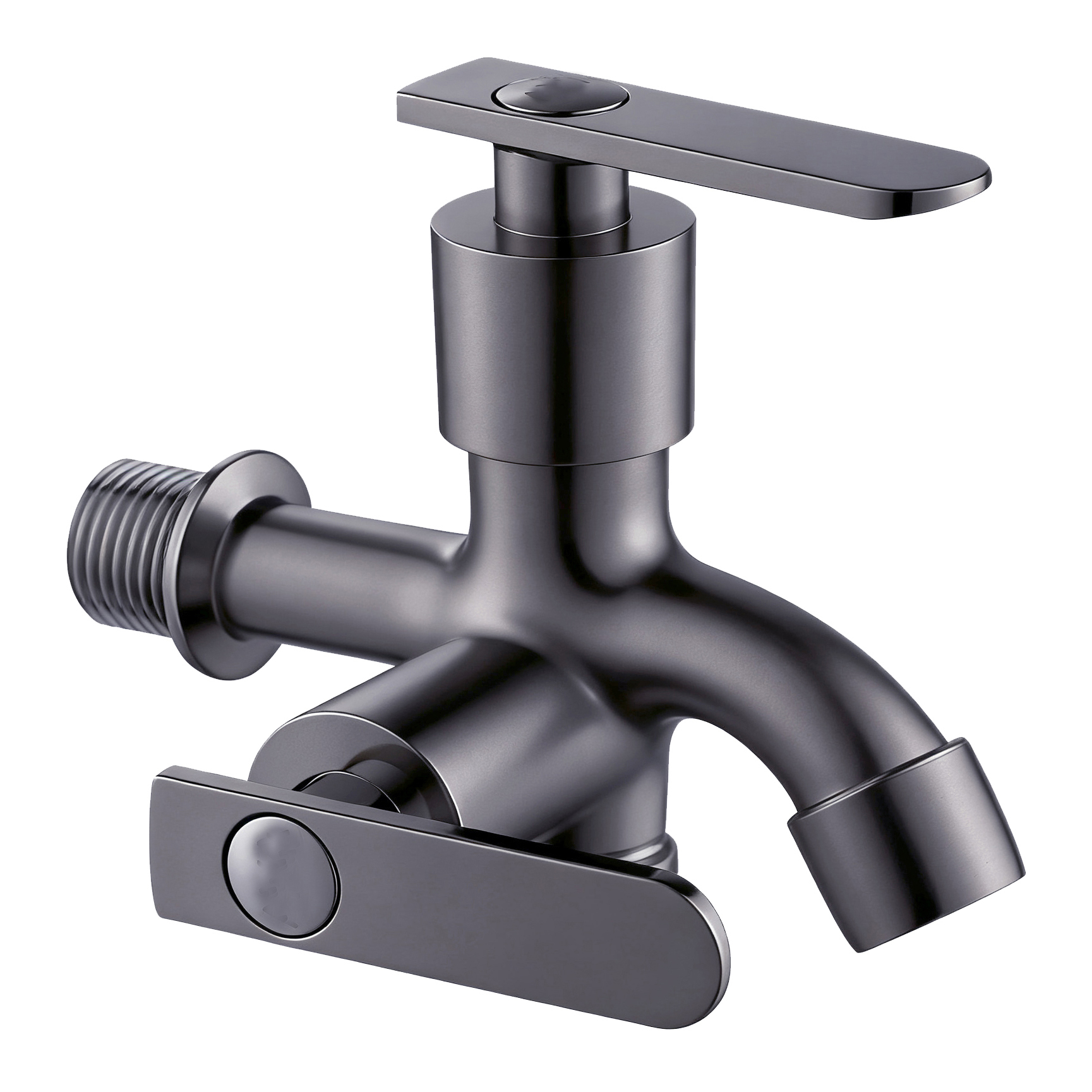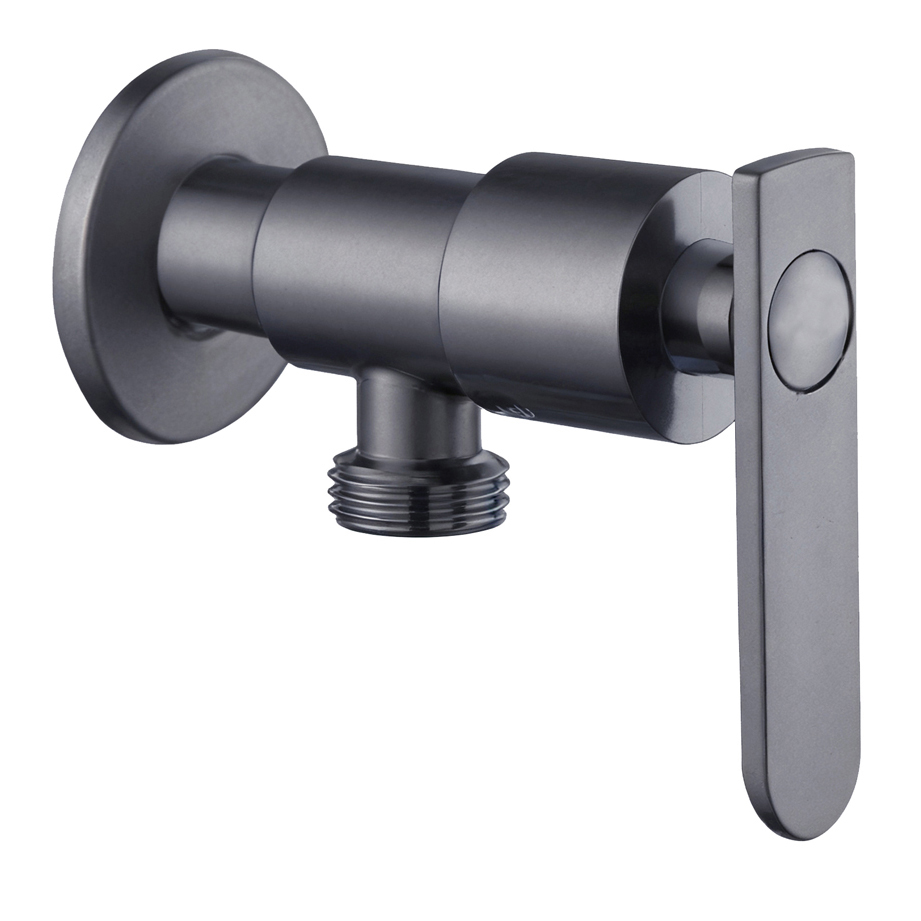




Once a faucet has been approved and moved into mass production, its components may not remain unchanged forever.
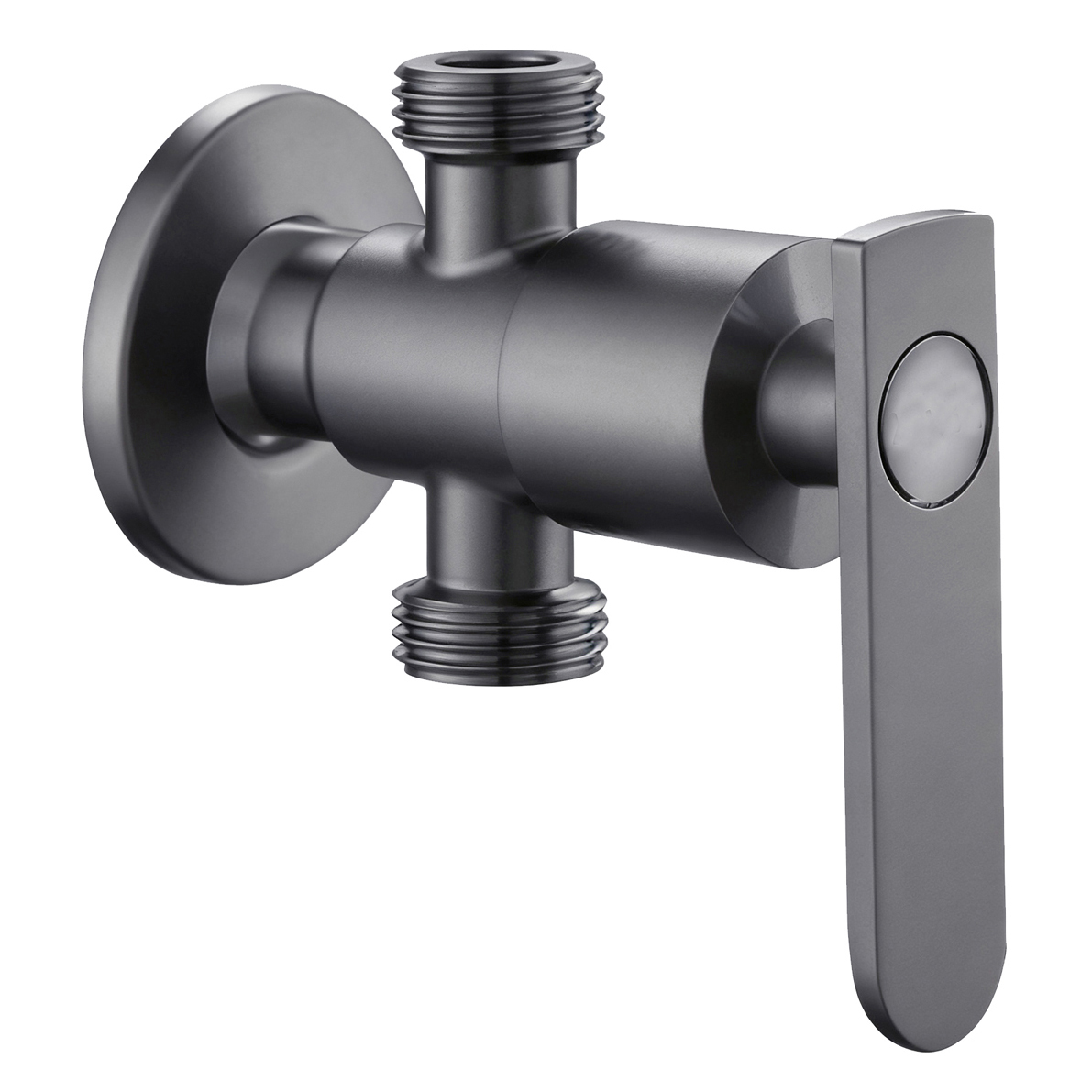
Cartridges, hoses, aerators, seals and other sanitary ware spare parts of kitchen faucet basin may change because of supply conditions, lead times or product adjustments.
The question is not whether a component can ever be changed. The real issue is whether the product still meets the original confirmed requirements after that change.
This is what Change Control needs to address.
Similar Appearance Does Not Mean Identical Specifications
Two components may look similar and have nearly identical dimensions, yet their actual specifications can still differ.
A cartridge change may affect dimensions, tolerances, operation or sealing. A hose change requires another look at length, connection specifications and installation compatibility. Even a change in seal thickness or material can affect the sealing condition at a connection point.
For this reason, “it fits” only confirms a basic assembly relationship. It does not prove that the replacement component is fully equivalent to the original one.
ASME A112.18.1/CSA B125.1 also addresses performance and testing requirements for Plumbing Supply Fittings. A faucet ultimately needs to perform as a complete fitting.
When a key component changes, the important question is:
Could this change affect any product performance that has already been confirmed?

Not Every Change Requires the Same Level of Revalidation
Change Control does not mean carrying out a complete product validation every time a minor component changes.
A more practical approach starts by identifying what the change affects.
If a replacement component changes an interface dimension, material, structure, function, installation method or another key specification, the next step is to determine which previous results may be affected. Only then can the necessary checks or tests be defined.
A supplier change also deserves attention, even when the component name remains the same. Different suppliers may use different materials, dimensional tolerances or manufacturing methods.
Materials in the drinking-water pathway may require another level of review. NSF explains that NSF/ANSI/CAN 61 addresses the potential health effects of materials and products that contact drinking water.
If a material in the wetted pathway changes, the review should therefore go beyond fit and performance. Depending on the target market, it may also be necessary to determine whether the existing material or product compliance basis still applies.
Approve the Change Before It Enters Mass Production
A clear Change Control sequence can follow this logic:
Proposed Change → Compare Old and New Components → Assess the Impact → Complete Necessary Verification → Approve → Release to Mass Production
The old and new components should also link to clear BOMs, specifications or approved samples.
A note that simply says “supplier changed” provides little information for future review.
For example, if the thickness of a seal, cartridge version, hose connector or thread specification changes, the relevant fit, sealing or performance can be checked before the replacement enters mass production.
This is more effective than waiting until a production batch has already been completed to determine whether the new component works as intended.
The Effective Production Batch Should Also Be Traceable
If both old and new components have entered production without clear records, later market feedback becomes much harder to investigate.
A Component Change should therefore link to an effective production batch or another traceable production record.
If a problem later relates to that component, the records can show which products used the previous version and which used the new one.
This is an important difference between Change Control and ordinary Spare Parts management.
Change Control records not only what is currently used, but also when the change took effect.
Spare Parts Should Follow the Product Version
Component changes also affect future repairs.
A Faucet may use different cartridges, hoses, seals or connectors at different stages of production. If the after-sales system keeps only one Spare Parts number, the replacement part may not match every product already in the market.
An approved Component Change should therefore update more than the production BOM when necessary.
The Spare Parts mapping and product-version information may also need to change.
Effective Change Control does not prevent components from changing. It makes each change reviewable, verifiable and traceable.
For Faucets that remain in production for a long time, this approach is more practical than requiring every component to come from the same supplier forever. It also helps maintain product consistency across different production batches.