



Adding more product options is often seen as a way to create more sales opportunities. More colors, sizes, and functions can cover more customer choices.
However, inventory tells another story.
If total demand does not grow at the same time, new SKUs may simply divide sales that were previously concentrated among fewer models.
The product range becomes broader, but each SKU may move more slowly.
This is one of the most overlooked relationships between Product Variety and Inventory Turnover.
How a Gold Water Tap Becomes Multiple Inventory Units
Take a Gold Water Tap as an example.
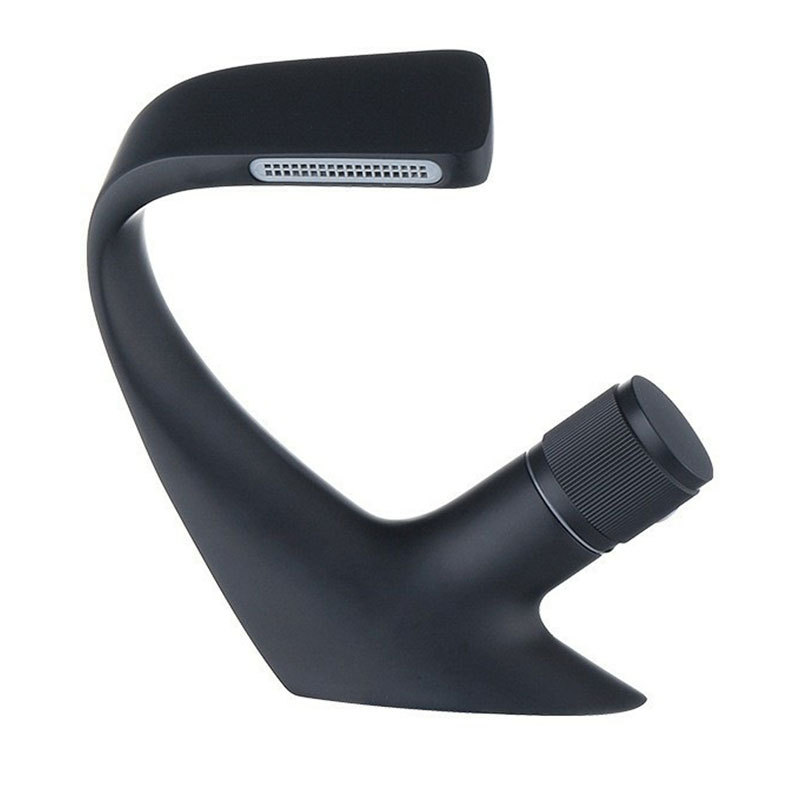
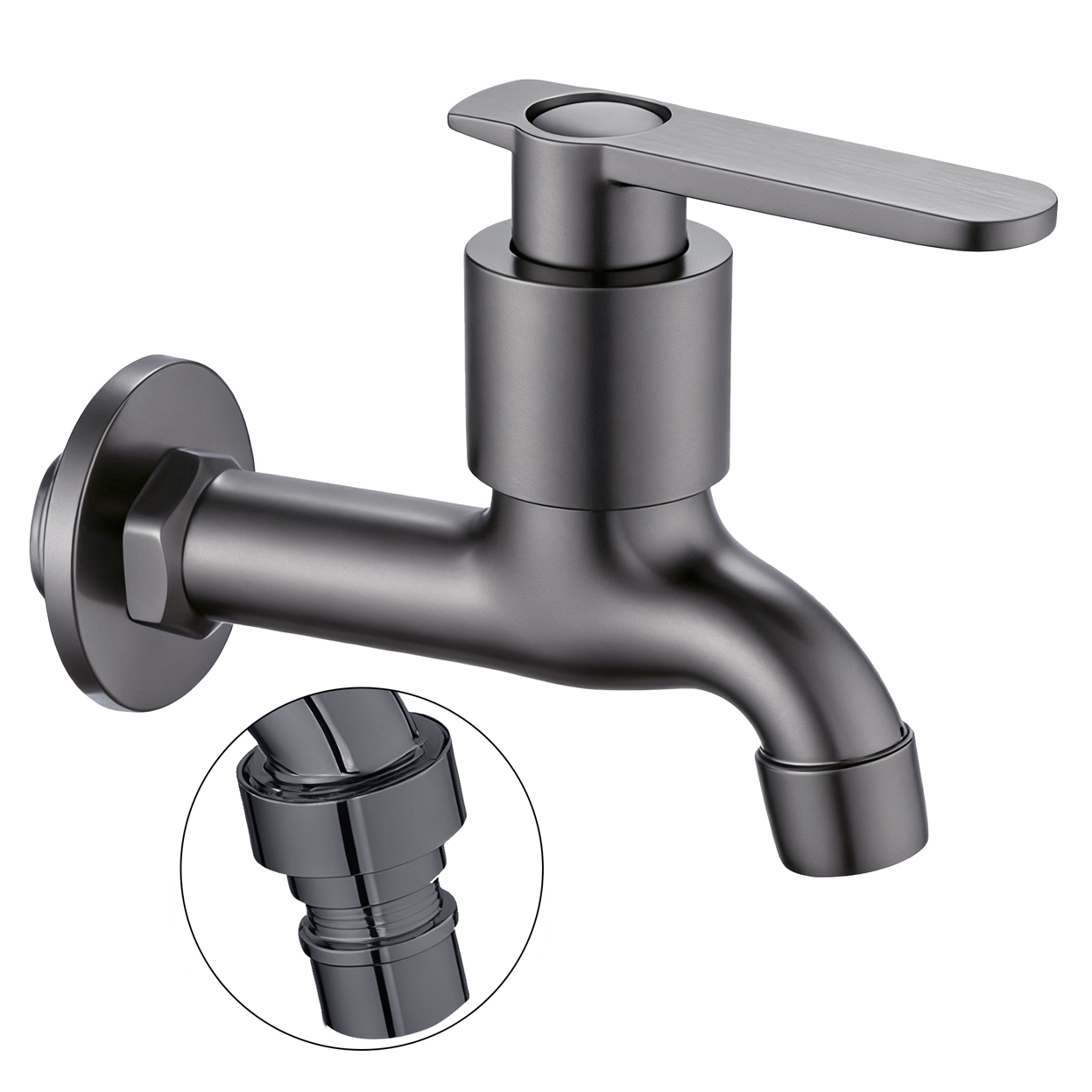
A product line may start with one basic Water Tap. Adding a Gold Finish and then expanding into a Gold hose bib, Gold garden tap, e Rubinetto a 2 vie in oro creates more than just another color option.
Each combination of function, structure, and Finish may become a separate inventory unit.
This makes sense when these products serve different needs.
However, if several new SKUs compete for the same demand, total sales may remain stable while spreading across more inventory units.
For this reason, SKU count alone cannot show whether Product Variety is healthy. Buyers should also consider whether each new SKU creates additional demand coverage.
It is especially useful to distinguish between Finish expansion and functional expansion. Adding a Gold version may simply provide another color choice. Expanding from a basic tap to a hose bib or 2-way tap may serve a different application. Both create new SKUs, but they do not create new demand in the same way.
Inventory Turnover Should Be Reviewed by SKU
A Water Tap category may show healthy overall sales, while individual SKUs perform very differently.
Core models may sell consistently, while certain colors, sizes, or functional versions move slowly. Combined category data can hide these differences.
A more useful Inventory Turnover review should ask:
Which SKUs sell consistently?
Which SKUs receive only occasional orders?
Which new variants actually increase sales?
Which variants simply shift demand from another SKU?
This helps determine whether greater product variety has actually improved inventory efficiency.
Finish Expansion Can Create Long-Tail Inventory
Take water tap gold as an example. A Gold Finish adds visual choice, but not every structure needs the same inventory depth.
A basic model may have stable demand. When a special Finish combines with a more specific function, the target demand may become narrower.
For example, a Gold + 2-way model does not follow the same inventory logic as a basic Gold Water Tap. It combines both Finish and functional variables. Stocking it at the same depth as a basic model may create slow-moving inventory if actual demand is limited.
Different products can therefore follow different inventory strategies.
Core models can maintain more stable stock levels. Narrower Finish or function combinations can follow actual sales velocity when deciding whether to maintain stock, reduce inventory, or use a more flexible purchasing approach.
New SKUs Should Create Incremental Demand
To judge whether a new variant improves the product portfolio, look at what changes after its introduction.
If a new Gold version reaches a new application or clear customer demand, the additional inventory may be justified.
If total demand remains similar and some previous Chrome orders simply shift to Gold, buyers gain more choice but inventory becomes more fragmented.
This does not mean fewer product options are always better.
The real question is:
After adding a new SKU, are you creating a new sales opportunity or simply another inventory unit?
A new SKU should carry additional inventory only when it creates enough incremental demand.
Inventory Turnover should therefore be considered when adding new colors, specifications, and functional combinations, not only after inventory starts to accumulate.
Product variety creates choice. Inventory turnover shows whether the market continues to absorb those choices. Product expansion creates real value when both work together.