


Overseas warehouse space is limited. The products selected for the first shipment can affect future inventory management.
Distributors want popular faucet models close to their stores. Project contractors need products reserved for specific installation stages. After-sales teams may also need replacement parts for faucets sold several years ago.
Before filling warehouse shelves with new product ranges, companies should understand these different needs.
YOROOW is a faucet and sanitary ware manufacturer based in Nan’an, Fujian, China. The company provides OEM/ODM manufacturing services for overseas bathroom brands, hardware distributors, and project customers.
Even when customers purchase similar products, their requirements may differ. Product combinations, finishes, accessories, and replenishment needs can vary.
These differences affect inventory decisions in overseas markets. They also influence product preparation at the factory.
Nan’an’s 2026 Government Work Report reviewed the city’s foreign trade activities in 2025. It mentioned the establishment of 15 overseas warehouses and a building materials and home furnishing exhibition center in the Philippines.
The report also outlined plans for 2026. These included further development of shared overseas warehouses, exhibition centers, and service locations.
As Nan’an expands its international market presence, overseas warehousing offers another way to serve local distribution channels.
However, overseas warehousing requires earlier decisions about product models, configurations, and quantities.
Unlike manufacturing products after receiving an order, warehouse stocking involves preparing inventory before demand is confirmed.
If the selected products do not match local requirements, sufficient inventory may still fail to meet customer orders.
Understand Market Demand Before Stocking Faucet Products
Historical sales provide a starting point for retail inventory planning. However, distributors should also examine the conditions behind those figures.
For example, a faucet model may have been out of stock for several weeks. Its recorded sales could appear low, even though customers continued requesting it.
Similarly, a temporary promotion may create a sales increase that does not reflect normal demand.
Therefore, distributors should review stockout records and promotional plans alongside sales data before placing replenishment orders.
Product configurations also matter.
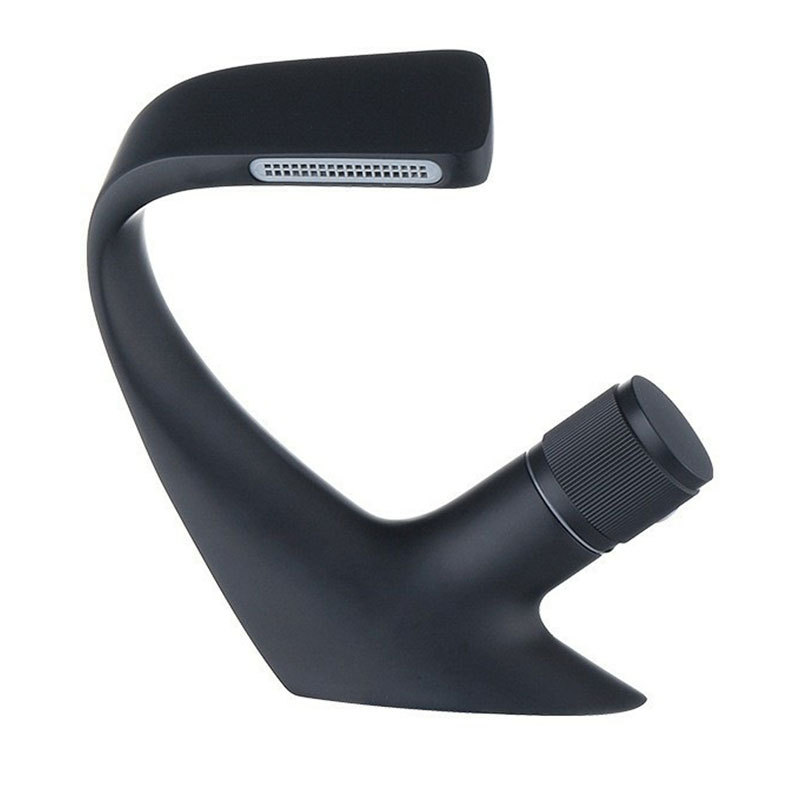
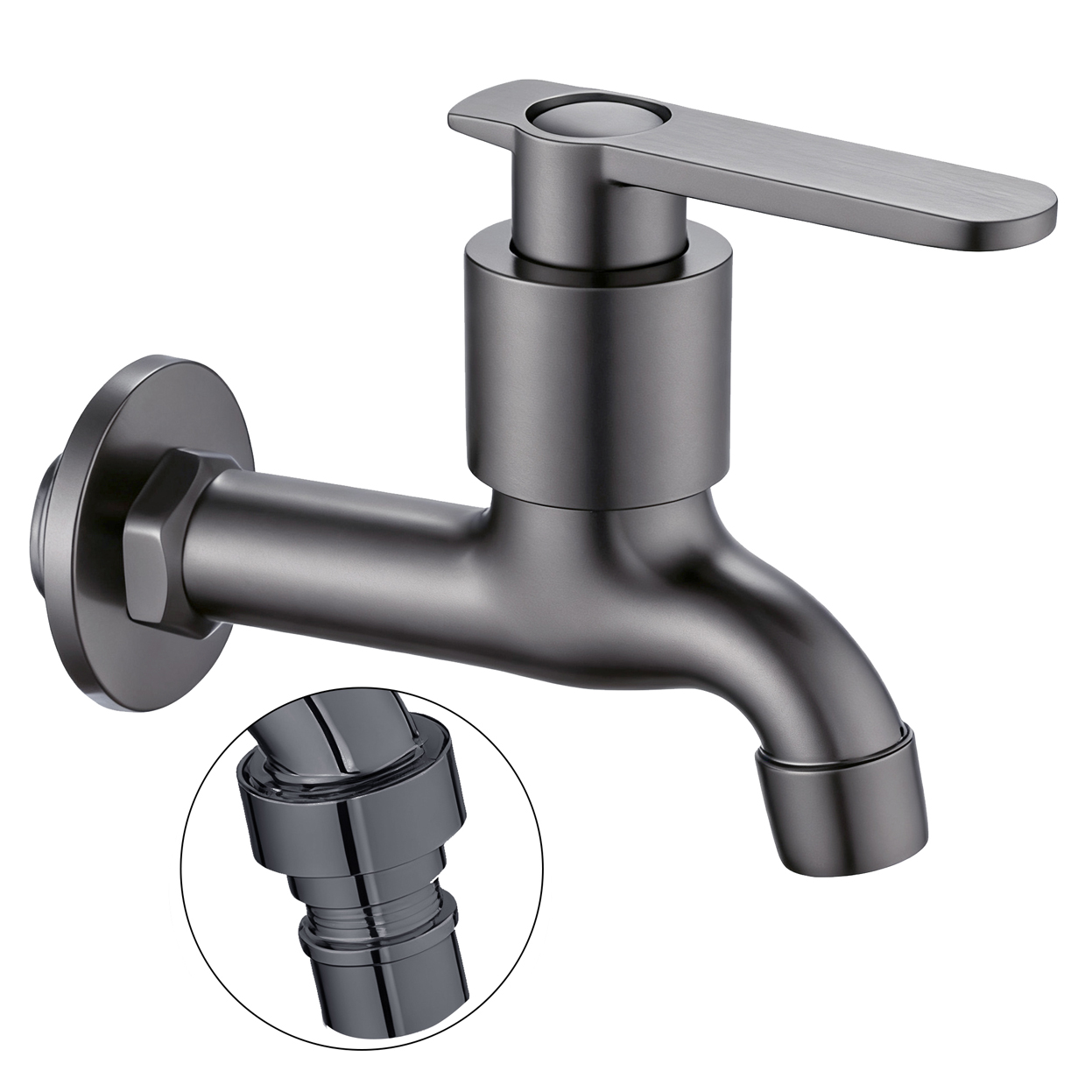
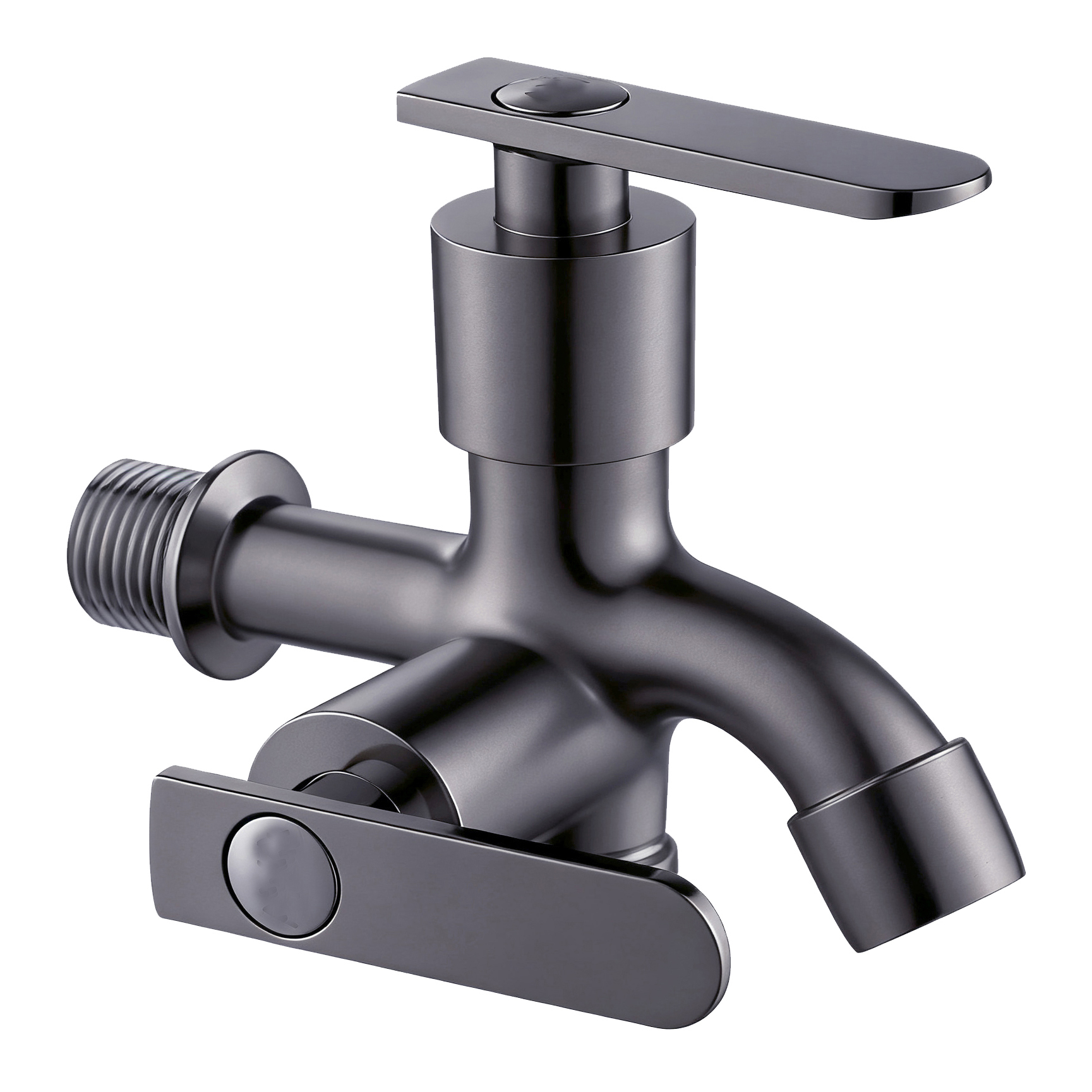
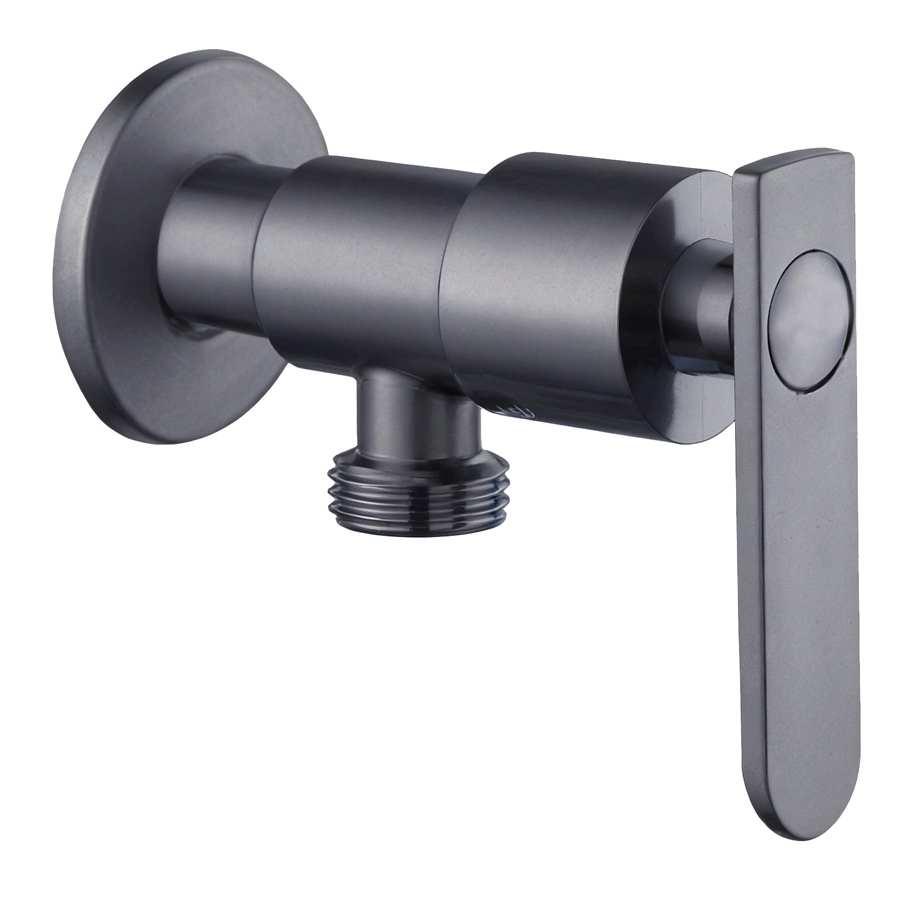
The same wastafelkraan may be available in chrome, matte black, or other finishes. Different markets may also require different accessory combinations.
If a retail chain needs a specific version, another configuration in the warehouse may not be a suitable replacement.
For this reason, inventory planning should identify both the faucet model and its exact configuration.
Project inventory requires a different approach.
Products reserved for a particular construction stage should have clear identification. This prevents routine retail replenishment from using inventory allocated to a project.
Delivery schedules should follow the project’s installation requirements. Buyers must also allow time for receiving and local distribution.
Before stocking products for a project, confirm that the specifications are final.
Installation dimensions, finishes, and included accessories may still change during project preparation.
If companies stock large quantities too early, the finished products may not match the final project requirements.
Therefore, retail distributors can prioritize models with consistent sales demand and clearly defined configurations.
For project orders, buyers should base inventory decisions on confirmed specifications and installation schedules. They should not simply copy the inventory structure used by retail channels.
Keep Replacement Parts Available for Older Faucet Models
After a faucet model is discontinued, customers may still need replacement spray heads, hoses, or other serviceable components.
Before reducing inventory for older product ranges, distributors should review the products already sold. They should also check whether available replacement parts remain compatible.
A newly developed component is not automatically a suitable replacement for an older version.
Voor faucet manufacturers, the relationship between product models and accessory configurations also affects future replenishment.
Two faucets may look similar but use different internal connections, mounting accessories, or replacement components.
Therefore, importers should confirm the exact product version when ordering spare parts. Product names and appearance alone may not provide enough information.
Manufacturers and importers can then distinguish three inventory categories: regular replenishment products, project-reserved stock, and parts needed for after-sales service.
They should set inventory review intervals according to actual orders and shipping experience.
Using the same safety stock percentage for every category may overlook differences between distribution channels.
Overseas warehouses bring selected products closer to target markets. However, not every faucet model is suitable for advance stocking.
For products with many variations, frequent configuration changes, or uncertain demand, manufacturing and exporting against confirmed orders may be more appropriate.
From a faucet manufacturing and distribution perspective, overseas warehouse planning should prioritize three types of demand:
-
Regular-selling faucet models with consistent sales records.
-
Project products with confirmed specifications and delivery schedules.
-
Replacement parts for older models that still require after-sales support.
Effective overseas warehouse management is not about storing as many products as possible.
Instead, it requires matching stocked models, configurations, and accessories with actual local demand. Future replenishment orders must also correspond accurately to the manufacturer’s product information.