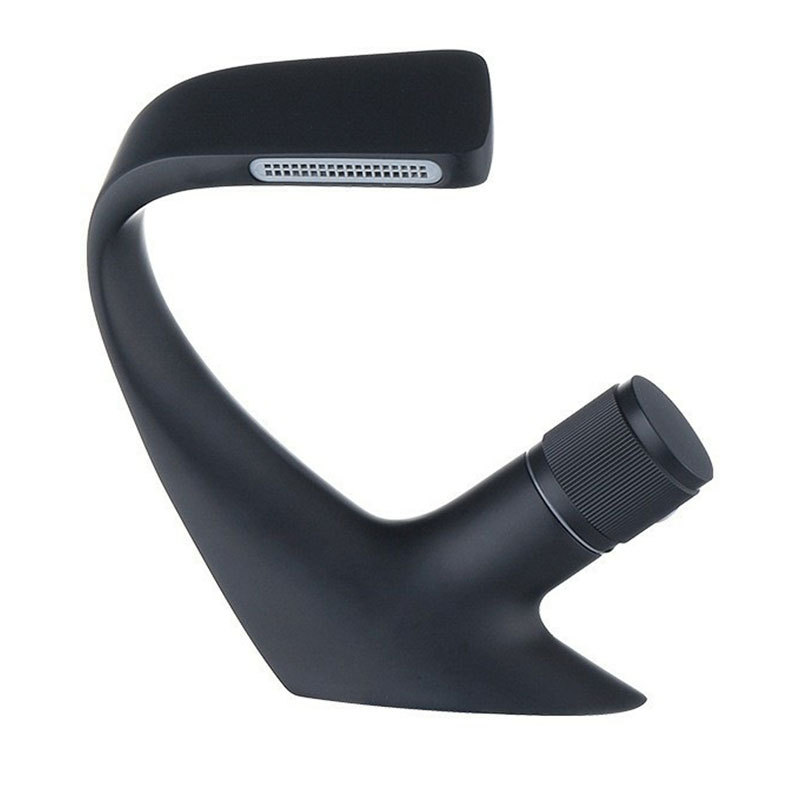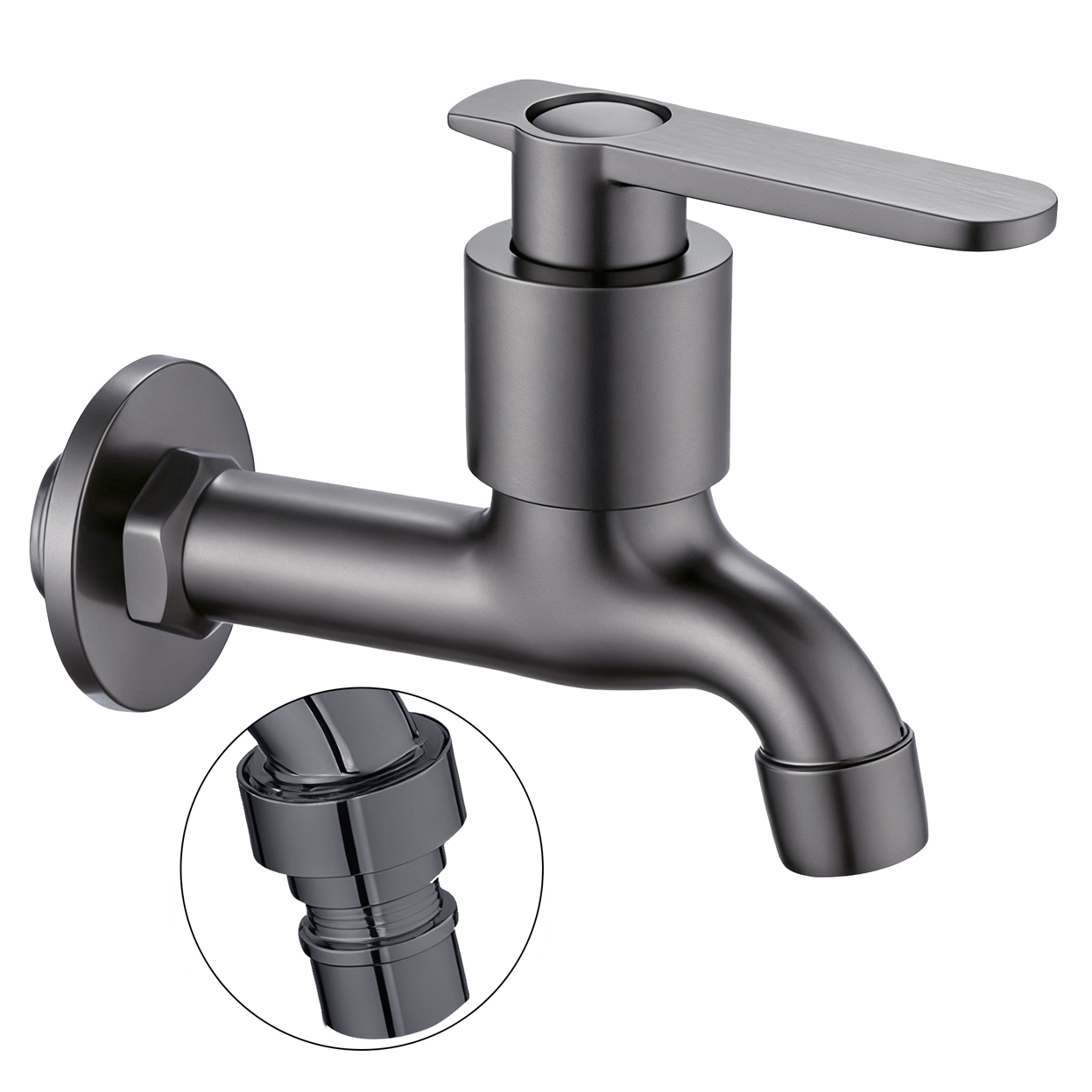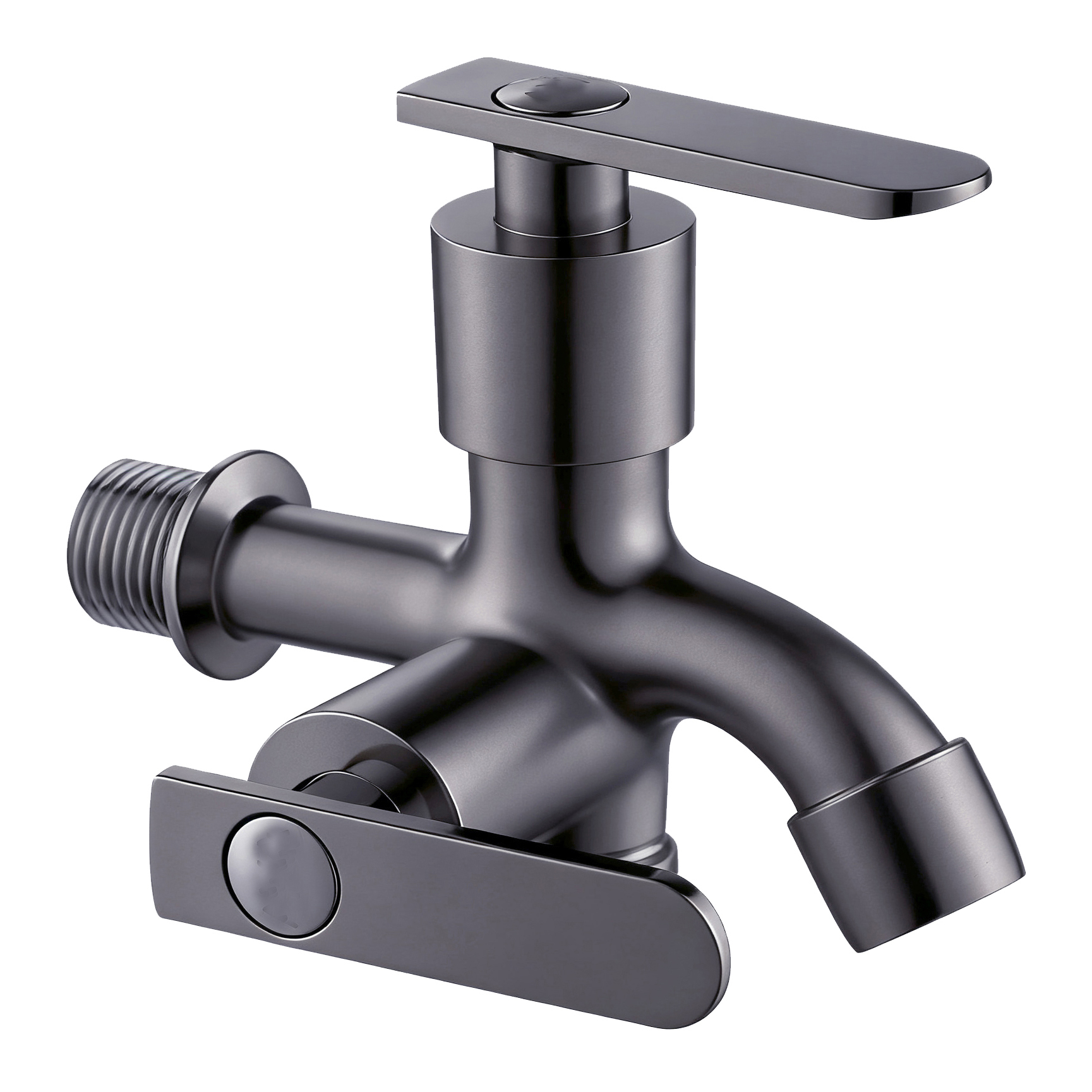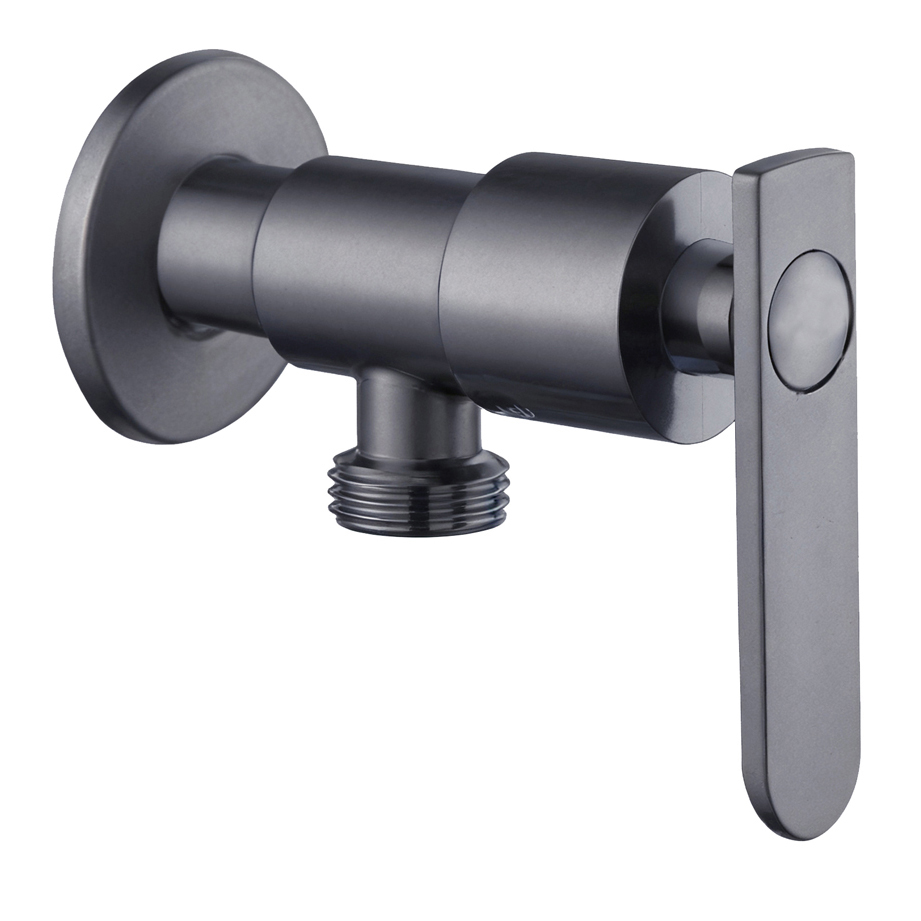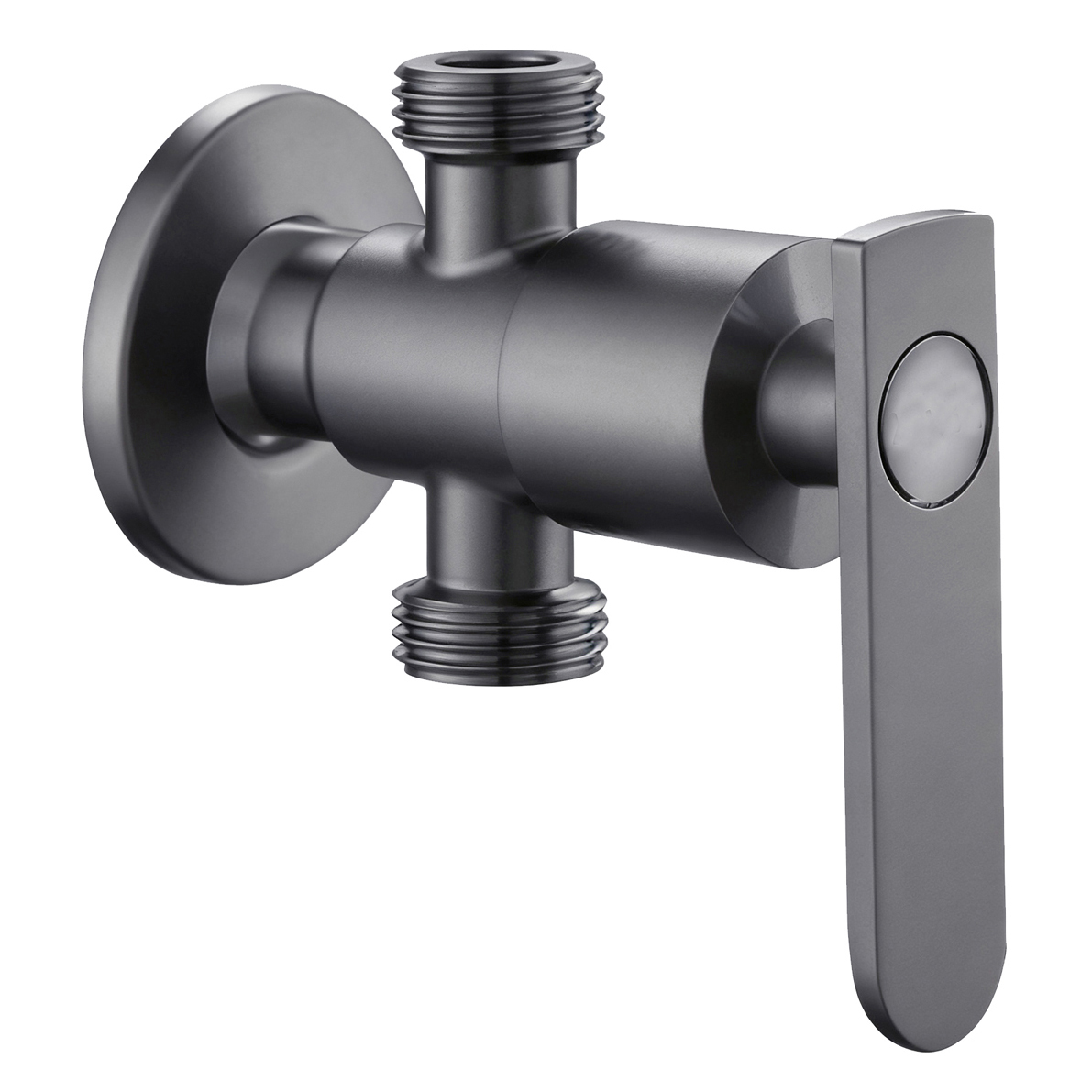




A single cold faucet may look like a simple product. But a faucet for a kitchen sink, one for everyday handwashing, and one for a public wash area can require very different configurations.
Removing hot-and-cold mixing does not remove the need to define how and where the faucet will be used. Buyers still need to consider the installation, user task, maintenance conditions, and delivery scope.
When looking for a single cold faucet manufacturer, it is more useful to group requirements by application before comparing models and prices. This gives similar-looking products a clear role and prevents a low-cost configuration designed for one application from being treated as suitable for every channel.
Start with Three Different Use Environments
For a kitchen sink, start with what users need to wash and how much working space they have.
Provide the sink dimensions, mounting-hole position, nearby obstacles, and typical washing tasks. Then compare spout height, reach, and operating range. A taller or longer spout is not automatically better. Its usefulness depends on how it works with the actual sink.
A basin faucet needs a different check. Basin type, countertop layout, mounting position, and water landing point all affect how the faucet feels in use.
A combination that looks well proportioned in a product photo may behave differently with another basin. A sample installation can help confirm the working space and water landing point. Recording the basin used for approval also gives the supplier a clear reference later.
Public wash areas introduce another set of priorities. Different users, cleaning routines, maintenance access, usage frequency, and project requirements may all affect product selection. A residential model should not automatically become a public-use solution simply because the buyer orders it in a larger quantity.
| Application | Site Information to Provide | What the Sample Should Confirm |
|---|---|---|
| Kitchen sink | Sink dimensions, mounting position, containers, and surrounding space | Whether spout position and operating range suit the intended tasks |
| Basin handwashing | Basin type, countertop, and mounting distance | Whether the installed faucet is comfortable to use and helps control splashing |
| Public wash area | Usage pattern, maintenance conditions, and project requirements | Whether operation, required verification, and service access suit the application |
These groups are a way to organize requirements, not a rule that limits every faucet to one application.
If one model can serve more than one environment, confirm the conditions for each use. Product information can then explain those conditions instead of simply describing the faucet as “universal.”
A Single Inlet Does Not Make Installation Universal
A single cold faucet still needs a defined inlet connection, mounting method, fixing arrangement, and installation accessories.
Connection information should identify the actual specification and sealing arrangement. Descriptions such as “half-inch connection” or an installation photo alone may not provide enough information to confirm compatibility.
When discussing a model with a single cold kitchen faucet factory, it can also be useful to provide the countertop thickness and available working space below the sink. The faucet may fit perfectly above the countertop while its fixing parts remain difficult to install or service underneath.
Wall-mounted and deck-mounted models need to be treated separately as well. Their connections, fixing methods, and installation conditions are different.
This matters especially in renovation projects. Existing connections should be checked before the order is placed rather than assuming that an adapter can solve any mismatch later. If an adapter is required, the actual connection arrangement should be confirmed as part of the installation.
The delivery scope also affects comparison. Hoses, fixing parts, washers, and installation instructions may be included with one model but excluded from another. When comparing prices, buyers should either align these items or identify the additional responsibility and cost separately.
Each Price Level Needs a Reason to Exist
Single cold faucets can still have different price levels, but buyers should be able to explain why each level exists.
Differences may come from the confirmed construction, operating design, finish options, installation range, included accessories, or project requirements. General labels such as “heavy duty,” “premium,” or “thicker” are less useful unless they connect to something the buyer can verify.
For retail channels, compare neighboring models and ask whether they solve different problems.
One faucet may cover common sink or basin installations, while another provides the height or reach needed for a more specific setup. If two models differ only in small styling details that customers can barely recognize, adding both may increase inventory without adding meaningful application coverage.
Project channels may have different reasons for a higher-cost configuration. The additional investment may relate to specific verification, included installation parts, or maintenance requirements. These differences should appear in the quotation and delivery definition so that the project budget corresponds to actual work.
A single-cold design may also cost less than another configuration in a particular project, but the absence of a mixing function does not justify a fixed percentage reduction. Materials, construction, finish, accessories, order quantity, and other commercial conditions still affect the final price.
Let the Application Shape the RFQ
An RFQ does not need to become a long technical document. It does, however, need enough information to prevent different applications from being treated as the same product.
Start with the application. State whether the faucet is intended for a kitchen sink, basin, public wash area, or another use. If a retail model is expected to cover several installation conditions, identify the main conditions it should cover and any known limits.
Then describe the installation and product requirements. These may include mounting type, important dimensions, material and finish requirements, operating style, and the intended connection.
A drawing is useful when available. If only a reference image is provided, make clear whether it represents the desired appearance, construction, or both. Otherwise, the supplier may interpret a styling reference as a complete technical specification.
Finally, define the delivery scope. When sourcing wholesale cold water taps, identify the required accessories, packaging or language needs, product information, and quantities for each model or finish.
The goal is not to create more paperwork. It is to make clear what the supplier must meet, where alternatives can be suggested, and which decisions are still open.
Install the Sample Before Approving the Model
A sample should do more than look correct on a table.
Install it in a representative setup and observe the available operating space, water landing point, mounting stability, and visible appearance. These observations help answer whether the model actually fits the intended application.
Splashing is a good example.
If a sample splashes more than expected, record the basin, outlet position, and relevant water-supply conditions before drawing a conclusion. Saying that a faucet “splashes too much” without the installation context gives the supplier little information about whether the issue comes from product selection, installation, or another condition.
The same principle applies to functional verification. A few opening and closing operations do not replace the agreed checks for sealing or other required performance. Any report used for approval should correspond to the actual model and configuration being purchased.
When reviewing a sample from a single cold basin faucet supplier, keep the feedback focused on the application. Does the spout reach the right area of the basin? Is there enough clearance for normal use? Does the mounting arrangement work with the intended countertop?
These questions provide more useful selection information than judging the faucet only by its appearance.
Keep the Difference Clear on the Product Page
Once the models have been separated by application, the product page should not mix them together again.
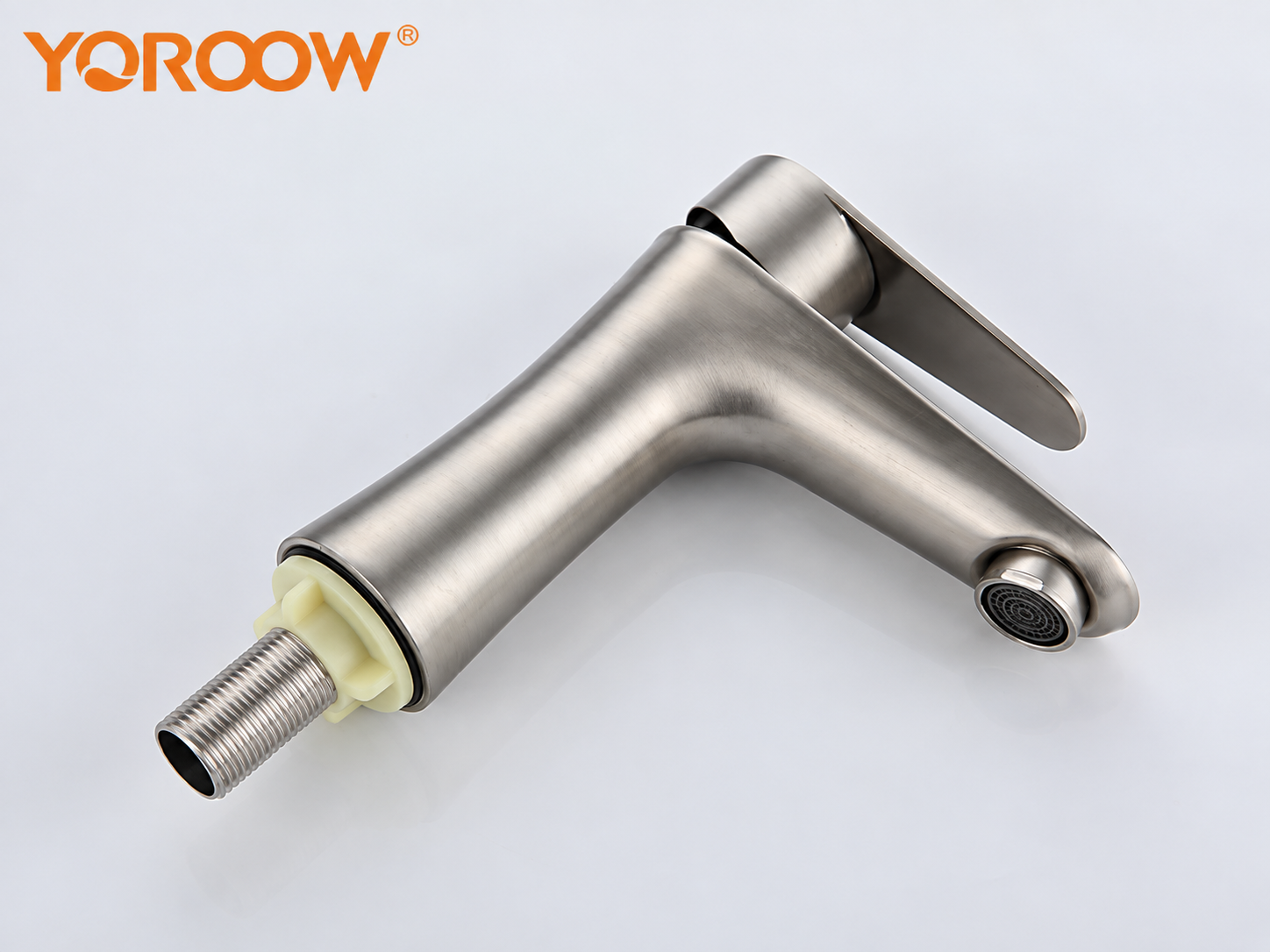
Clearly identify cold-water-only operation, mounting type, important dimensions, and included accessories. If hot-and-cold adjustment is not available, images and general product descriptions should not imply that it is.
This becomes especially important when single-cold and mixer versions have similar external designs.
If a page offers several mounting or finish options, the selected image, specifications, product identity, and order information should correspond to the same version. A distributor should be able to identify what was ordered without having to infer the configuration from a generic product photo.
Even within a single-cold range, cartridges, handles, mounting parts, and connections should not automatically be treated as interchangeable between kitchen, basin, and public-wash models. Product simplicity does not remove the need to keep the actual configurations clear.
When discussing a single-cold range with YOROOW, a better starting point is not simply “How many single cold faucets should we offer?”
Start by identifying what is missing from the kitchen, basin, and public-wash ranges. Existing models can then be checked against those applications, and separate configurations can be developed only where the use conditions justify them.
Single cold describes the water supply. It does not define the application. A useful product range begins by separating those two ideas.