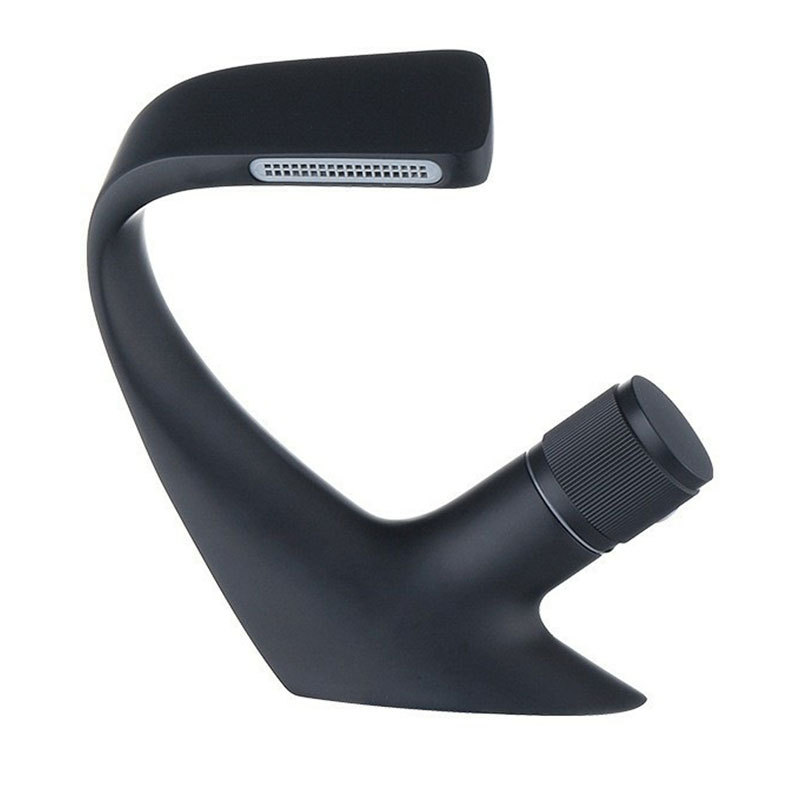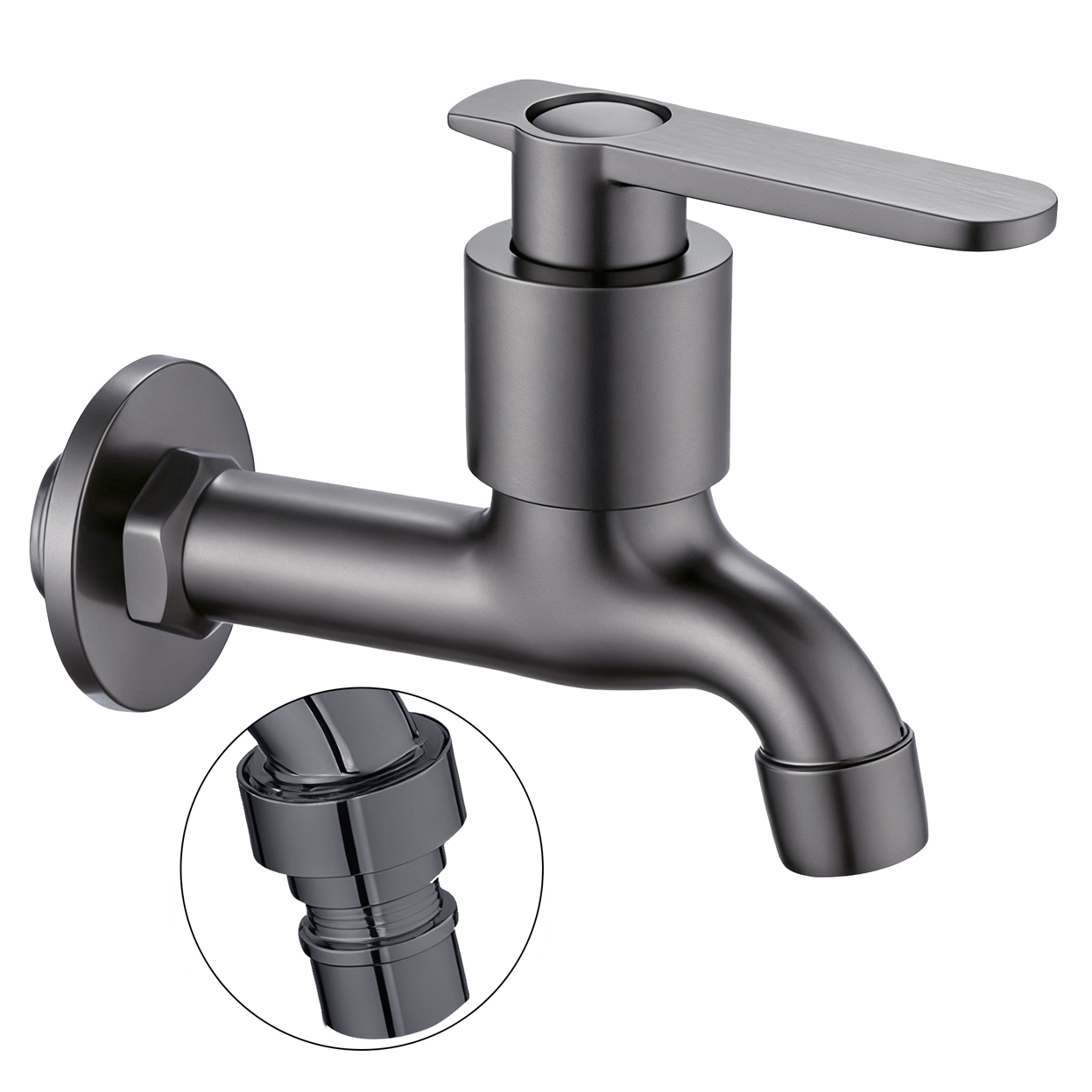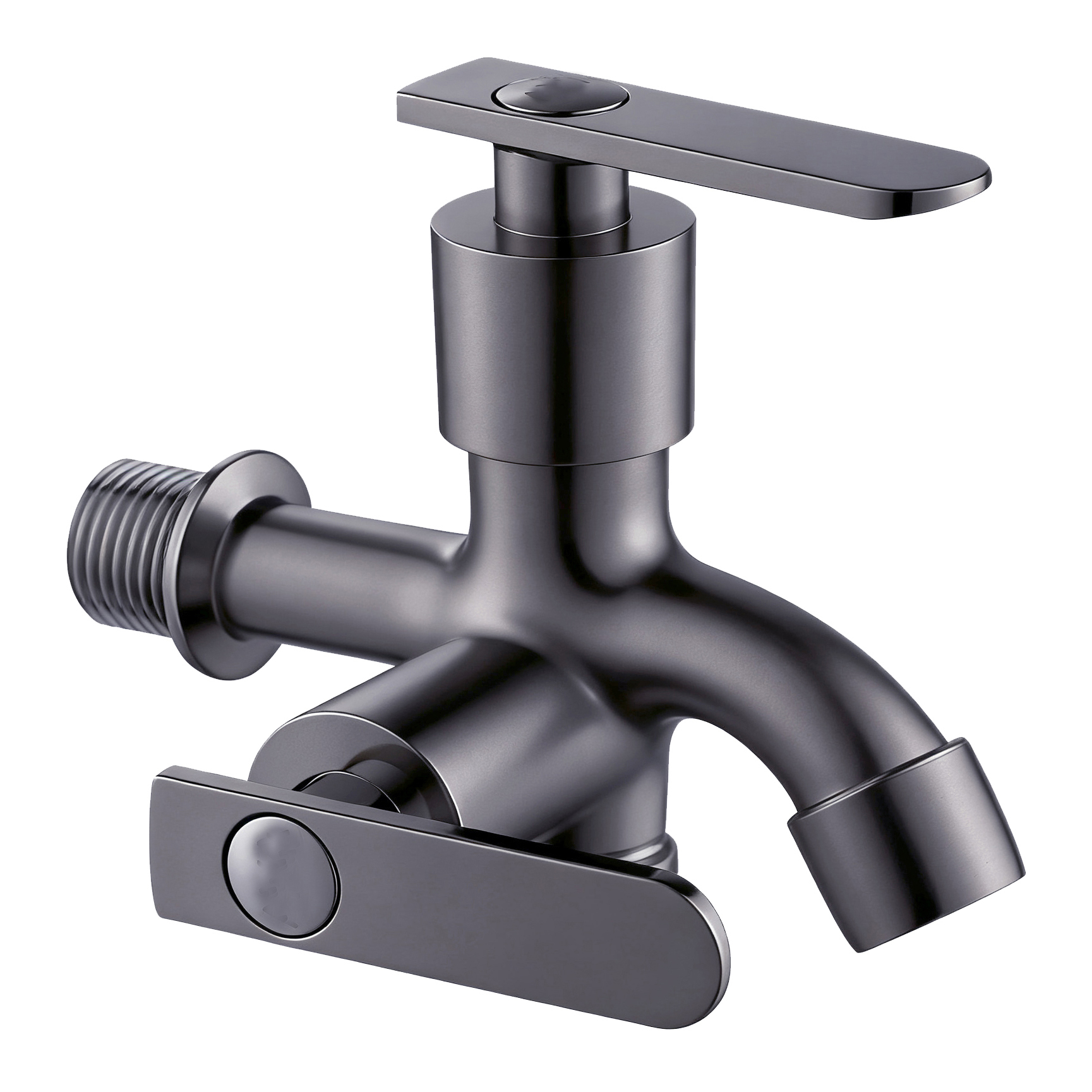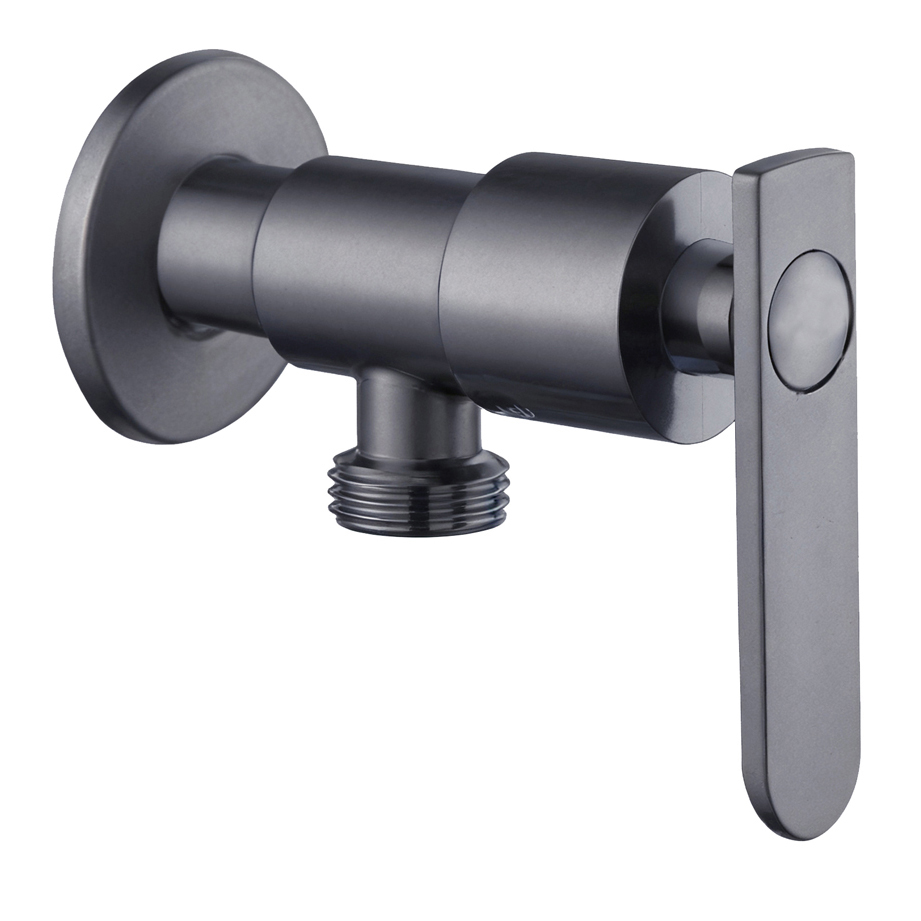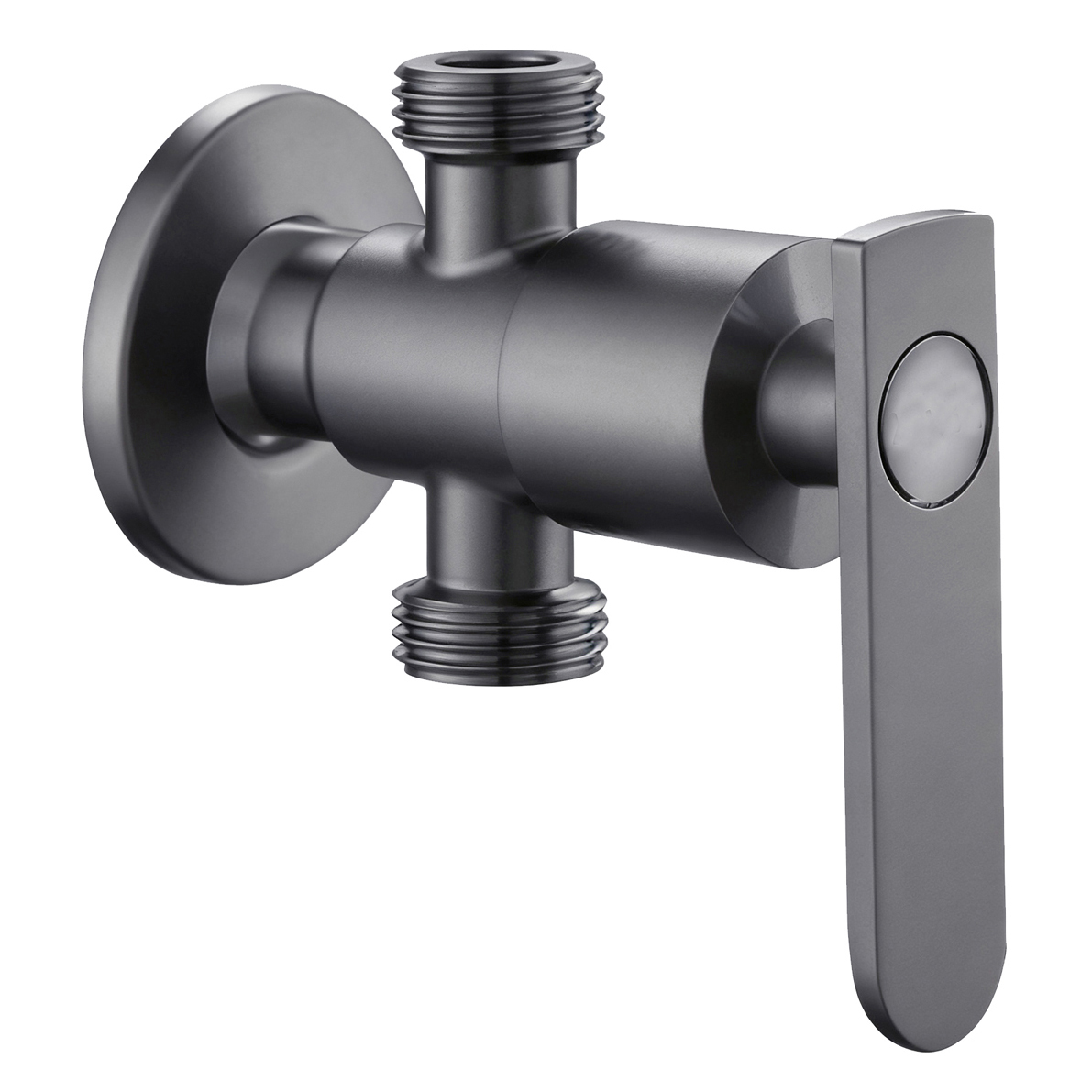




Two quotations may show the same faucet photo and use similar model names. Yet one supplier includes hoses, mounting hardware, and a color box in the unit price, while another quotes only the faucet itself.
One supplier may quote a specified cartridge and an approved finish. Another may simply state “standard configuration.”
In this situation, asking for a lower price too early can leave the missing conditions unresolved. A useful faucet procurement checklist should first help both sides confirm whether they are actually quoting the same product.
For importers, a quotation is more than a unit price. It also represents a set of delivery commitments. Materials, accessories, inspection, documentation, packaging, and delivery responsibilities can all affect the offer.
Even when two faucets look identical, the quotations may refer to different products.
The following approach can be used for initial supplier screening and revised quotations. The goal is to make acceptable differences visible and identify unacceptable conditions before payment.
Start by Aligning Three Parts of the Quotation
First, confirm the product specification.
A catalog model number is useful for identification, but it may not fully describe the internal construction. The purchase specification should identify the materials used for the body, handle, and water-contact components. It should also state the cartridge model, aerator or outlet component, connection specification, and accessory scope.
Avoid using marketing descriptions such as “all brass” or “premium cartridge” in place of actual component information.
The same external design can use different waterways, weights, or accessory packs. These differences should be checked against drawings and the BOM where applicable.
Next, confirm the performance requirements.
Flow data should include the test pressure. Finish verification should identify the test method and acceptance criteria. Leakage or sealing inspections should also state what was tested and how the result was recorded.
If a supplier says that the product has been tested, ask what was actually tested. Was it a component, a development sample, or finished goods from the current order? Does the model in the report match the product being quoted?
A test report has limited value if it cannot be connected to the actual product specification.
Finally, confirm the commercial scope.
Does the quantity refer to one model and one finish, or the total order quantity? Does the unit price include a logo, color box, testing fees, and delivery to the agreed location?
Currency, quotation validity, payment terms, and delivery terms should also be clear.
These conditions do not change how the faucet looks. However, they directly affect purchasing costs and the responsibilities of both parties.
Fill In the Evidence Before Comparing Prices
The table below does not mean that every project needs the highest specification. Instead, it helps the buyer define minimum requirements and allows each supplier to state alternatives clearly.
If a field has not been confirmed, mark it as “To Be Confirmed.” Do not assume that two suppliers are offering the same configuration.
| Comparison Item | What the Buyer Should Define | What the Supplier Should Provide |
|---|---|---|
| Body and waterway | Component materials and water-contact scope | Material information, construction drawings, and applicable batch information |
| Cartridge and outlet components | Model, connection, and function | Component codes, drawings, and replacement boundaries |
| Afwerking | Color, texture, viewing conditions, and acceptance criteria | Approved finish sample reference and test scope |
| Installation accessories | Hoses, washers, fasteners, and quantities | Complete accessory list, connection details, and lengths |
| Inspection and documents | What shipment inspection and additional testing include | Test or inspection method, sample scope, reports, and cost responsibility |
| Packaging and delivery | Individual box, master carton, labels, and delivery responsibility | Packaging plan, carton quantity, commercial terms, and quotation validity |
In practice, keep three records for each supplier: Original Quotation, Additional Conditions, and Revised Quotation.
Once missing information has been added, the revised price should correspond to the revised specification. Do not combine an old unit price with a newly confirmed configuration.
For buyers researching how to compare faucet quotations, the most useful step is often not adding more suppliers. It is asking shortlisted suppliers to quote against the same specification.
If one quotation includes an item and another does not, avoid estimating the second supplier’s additional cost and ranking the offers immediately.
Ask for a formal revised quotation or record the missing item as a separate purchasing cost. An internal estimate can support budget discussions, but it cannot replace commercial terms accepted by the supplier.
Which Price Differences Can Manufacturing Explain?
Material usage is only one starting point.
A weight difference may come from the product structure, dimensions, wall thickness, or accessory scope. Weight alone does not prove product quality.
First, make sure both sides are weighing the same items. Does the stated weight include the handle, hoses, mounting hardware, or packaging?
Then check the materials and drawings. This helps determine whether the additional weight serves a real structural or functional purpose.
Using weight as a substitute for material identification can make the comparison misleading. The same applies to assuming that a heavier faucet must be better.
Machining differences are often hidden inside the product.
The cartridge mounting surface, threads, and sealing contact areas can affect positioning, sealing, and assembly. Buyers do not need to specify every machining operation. However, both sides should know which dimensions are critical and how they will be checked.
“Precision machining” alone does not explain a price difference unless it connects to measurable requirements.
Polishing and surface treatment should also be considered separately.
The substrate condition, product geometry, machining marks, and finish process can all influence the final appearance. More complex shapes or special finishes may require additional processing, batch control, or inspection.
However, additional processing does not automatically mean that a finish is more durable. Buyers should ask what operation causes the price difference, then compare the result against an approved sample and agreed test requirements.
Small orders may also involve material preparation, production changeovers, artwork approval, and separate packaging work.
For this reason, buyers should compare first-order and repeat-order conditions. They should also distinguish standard products from special configurations.
A quotation that spreads development costs across the first order cannot be compared only by unit price with one that lists development costs separately.
What Quality Issues Tell Us About Missing Specifications
In April 2025, China’s State Administration for Market Regulation published information related to its 2024 product quality supervision inspections. Reported non-conformities for ceramic cartridge faucets included surface corrosion resistance, resistance to operating loads, threads, and flow performance. [1]
These findings show why purchasing requirements need to cover the finish, structural performance, and connection details.
However, the inspection was not a survey of every faucet manufacturer in China. It should not be used to estimate the quality level of a specific supplier or the entire industry.
A quotation comparison should therefore answer at least three questions:
What product configuration does the supplier guarantee?
How will it be verified before shipment?
What happens if the delivered goods do not match the agreed requirements?
A laboratory report shows how a specific sample performed under defined conditions. Shipment sampling can identify some issues in the current batch. Production records can help trace the cause of a problem.
They serve different purposes and should not be treated as interchangeable forms of quality assurance.
A low quotation without clear quality requirements may simply move part of the work to the post-delivery stage.
Replacement parts, re-sorting, and installation delays may not appear in the supplier’s quotation. However, they can still become operating costs for the buyer.
These items can be recorded as unpriced work, with responsibility assigned before the order is confirmed.
Supplier Responses That Need Further Clarification
One situation is when the product configuration remains unclear.
Commercial confidentiality may limit how much of a complete BOM a supplier can disclose. However, both parties should still be able to confirm key materials, connections, accessories, and acceptance requirements.
If the proposed cartridge, accessory scope, or relationship between the product and its test reports cannot be identified, ask for additional information before continuing the comparison.
Another situation is when every substitution is described as “equivalent.”
A replacement component may be suitable when the original part is unavailable. However, its dimensions, function, and applicable documentation should be checked first. The change should then be approved by the appropriate person.
A supplier saying that two components are “the same grade” does not mean that the buyer has approved the substitution.
Any effect on cost, lead time, or certification scope should also be documented.
Quality responsibility also needs more than a verbal promise.
Ask about the claim period, required evidence, sorting arrangements, replacement parts, and traceability after the goods have entered distribution.
Discussing these conditions does not mean expecting the cooperation to fail. It gives both sides a clear process if a problem occurs.
Finally, watch for quotations where the unit price appears fixed while other conditions can change without a clear process.
Changes in materials, quantities, or exchange-rate conditions may justify a revised quotation. The important point is to define what triggers the revision and how both sides confirm it.
These situations are reasons for further verification. None of them alone proves that a supplier is unreliable or lacks manufacturing capability.
Move From Price Ranking to a Purchasing Decision
Once the quotations have been aligned, the final comparison becomes more useful.
First, check whether each option meets the non-negotiable requirements for the intended use, target market, and connections.
Next, confirm whether samples and documents support the key specifications in the quotation. Any unsupported item should remain on the verification list.
Then compare the total cost, achievable lead time, change-management process, and repeat-supply arrangements.
This approach helps avoid several common mistakes when sourcing faucets. These include selecting the lowest price before defining the specification, approving a product photo before checking the connection, or discovering after payment that required accessories were not included.
The final purchasing record should also show which alternatives were accepted, which conditions remain open, and who is responsible for closing them.
This prevents a conditional approval from being treated as an unconditional one later in the order process.
Example: A Cost-Reduction Discussion With Clear Boundaries
Suppose a brand wants to reduce the cost of its first order.
It could ask suppliers to compare a standard finish with a special finish, a generic box with custom color packaging, or an existing product platform with a newly tooled structure.
This is an example of a purchasing method, not a real YOROOW customer case.
If market suitability and product function remain unchanged, adjusting decorative features or order configuration may be easier to manage than making an unplanned change to water-contact materials.
Each option should still include its revised specification, cost, lead time, and any requirements that need new verification.
The buyer should also keep the original option on record.
Choosing simpler packaging for the first order does not mean that the next order will automatically return to the original configuration. Packaging changes, remaining materials, and old and new model identification should be confirmed again for repeat orders.
A workable cost reduction should make one thing clear: what work or specification has changed in exchange for the lower cost?
Three Questions Buyers Often Ask
Both suppliers have test reports. Can I compare only the unit price?
First, check whether each report applies to the current model, construction, and relevant standard.
Then confirm whether both quotations include the same accessories and inspection scope.
Similar reports do not mean that the orders are identical. If the configuration in a report differs from the quotation, ask for clarification or further verification before comparing prices.
If a supplier will not disclose its full cost structure, does that prevent cooperation?
Not necessarily.
A buyer does not need every factory to disclose its internal profit and complete cost structure.
What matters more is a clearly defined product configuration, price scope, and delivery responsibility.
Specific questions about a price difference are usually more useful than asking for a cost percentage when both sides do not share the same calculation method.
Should the comparison sheet be updated after sample approval?
Yes.
The materials, finish, accessories, or documents confirmed during sample approval may differ from the original inquiry.
Archive the final approved specification together with the revised price and use that version for the purchase order.
Otherwise, the purchasing team, factory, and inspector may each work from different requirements.
What to Include in the Next RFQ
When sending the next inquiry to YOROOW or another shortlisted manufacturer, include the target market and application, model drawings, quantity per model and finish, key components, finish approval requirements, complete accessory pack, packaging plan, and documentation requirements.
Ask the supplier to quote standard and alternative configurations separately. Any field that remains open should also be identified.
A useful quotation comparison should allow the purchasing manager to explain why a particular option was selected. It should also give engineering, quality control, and receiving teams enough information to execute the order.
Unit price is only part of the result.
A price becomes truly comparable when the conditions behind it are equally clear.