



Water outlets used for car washing, property cleaning, or outdoor rinsing face different working conditions from taps used occasionally at home.
The hose may remain connected for long periods. Users may open and close the tap frequently and move the hose repeatedly during cleaning.
For this reason, selecting a Car Wash Water Tap requires more than checking its appearance. The connection, operating structure, and installation method need to match this frequency of use.
The Hose Connection Is the First Condition to Check
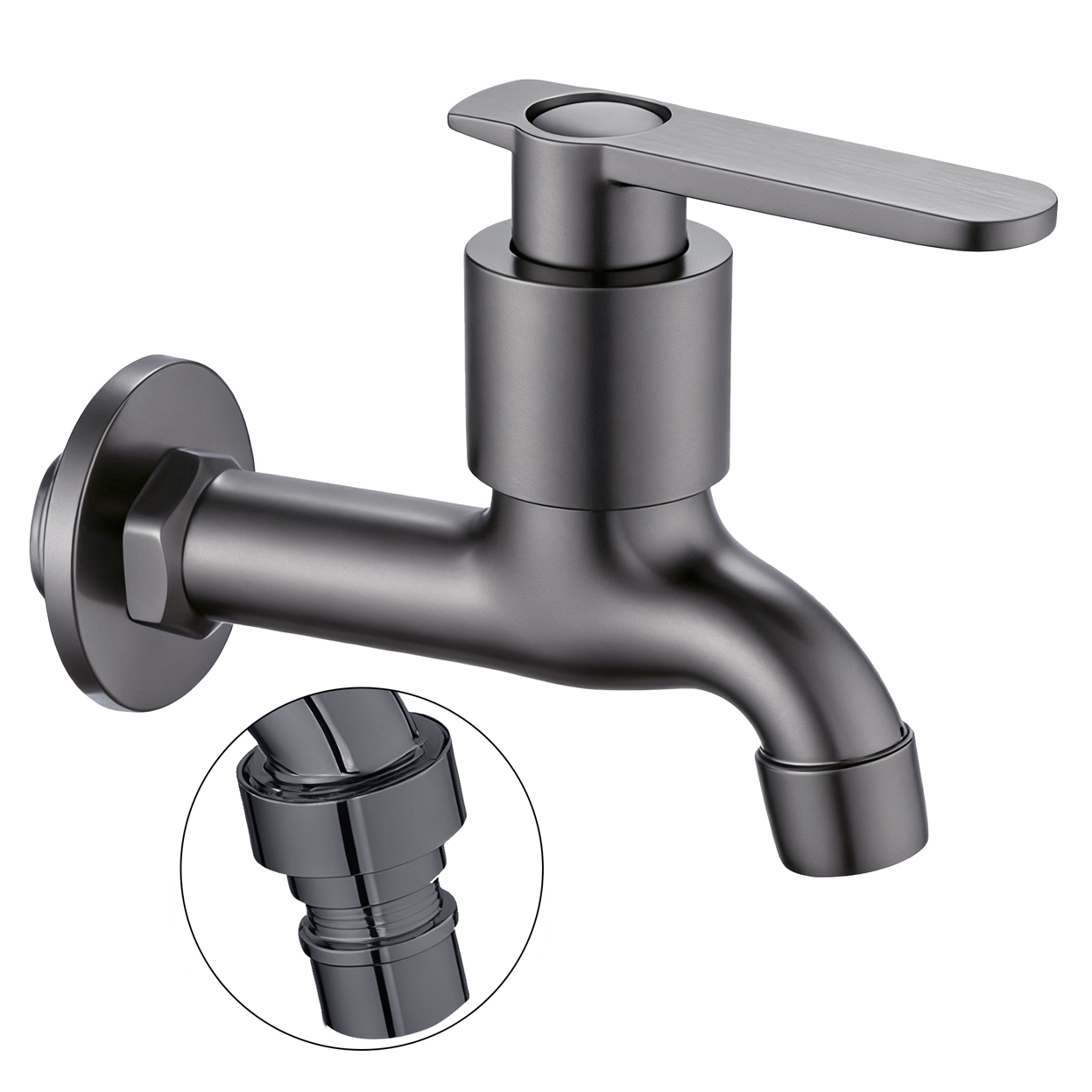
A Car wash water tap usually connects directly to a cleaning hose. The outlet must therefore match the hose connector.
Using several adapters creates additional sealing points. The hose also moves constantly during cleaning, which can place extra force on these connections.
For this reason, selecting a Car wash hose bib involves more than confirming that it can connect to a hose. The stability of the connection also matters. It is also important to consider the force on the connection when the hose moves.
Hose length should match the actual cleaning range.
If the hose is too short, users may repeatedly pull on the tap and wall connection. Over time, this can place extra stress on the installation point.
Frequent Operation Changes Product Priorities
A normal outdoor tap may only operate a few times a day. During car washing or continuous cleaning, users may need to start and stop the water repeatedly.
A Car Wash Water Tap at a car wash may connect to hoses and operate many times each day. A static display of a residential garden tap cannot show this level of use.
Sample testing should record how often the handle operates. It should also check whether pressure-washing equipment has separate water control. The workplace connection and possible contact with cleaning chemicals also need consideration.
A tap used at a car wash should not automatically be considered suitable for the operating pressure of a pressure washer. The actual product and system design must confirm how the two connect.
For retailers serving professional car wash customers, information about replaceable Cartridges and Seals can be more useful than emphasizing a “commercial appearance.”
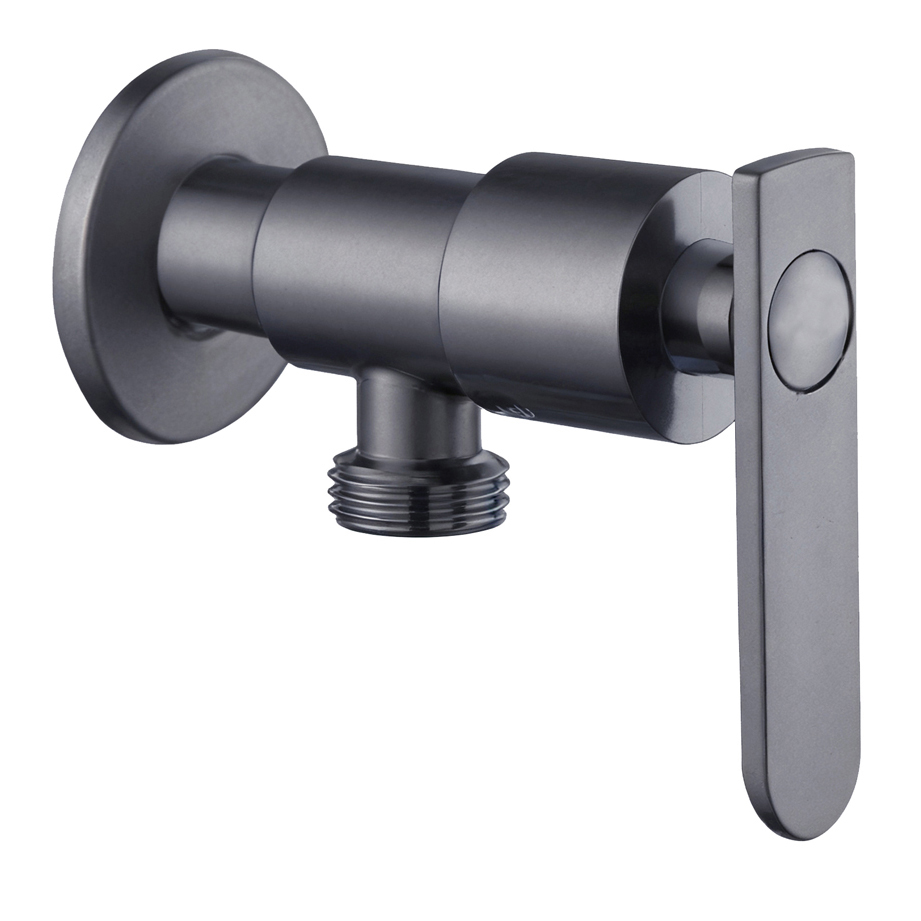
In this type of application, easy Handle operation and direct opening and closing become more practical than decorative design. The internal Valve structure also needs to suit repeated operation.
A Car wash bibcock does not necessarily need a special appearance. The key question is whether its structure matches frequent working conditions.
When Is a 2-Way Structure Useful?
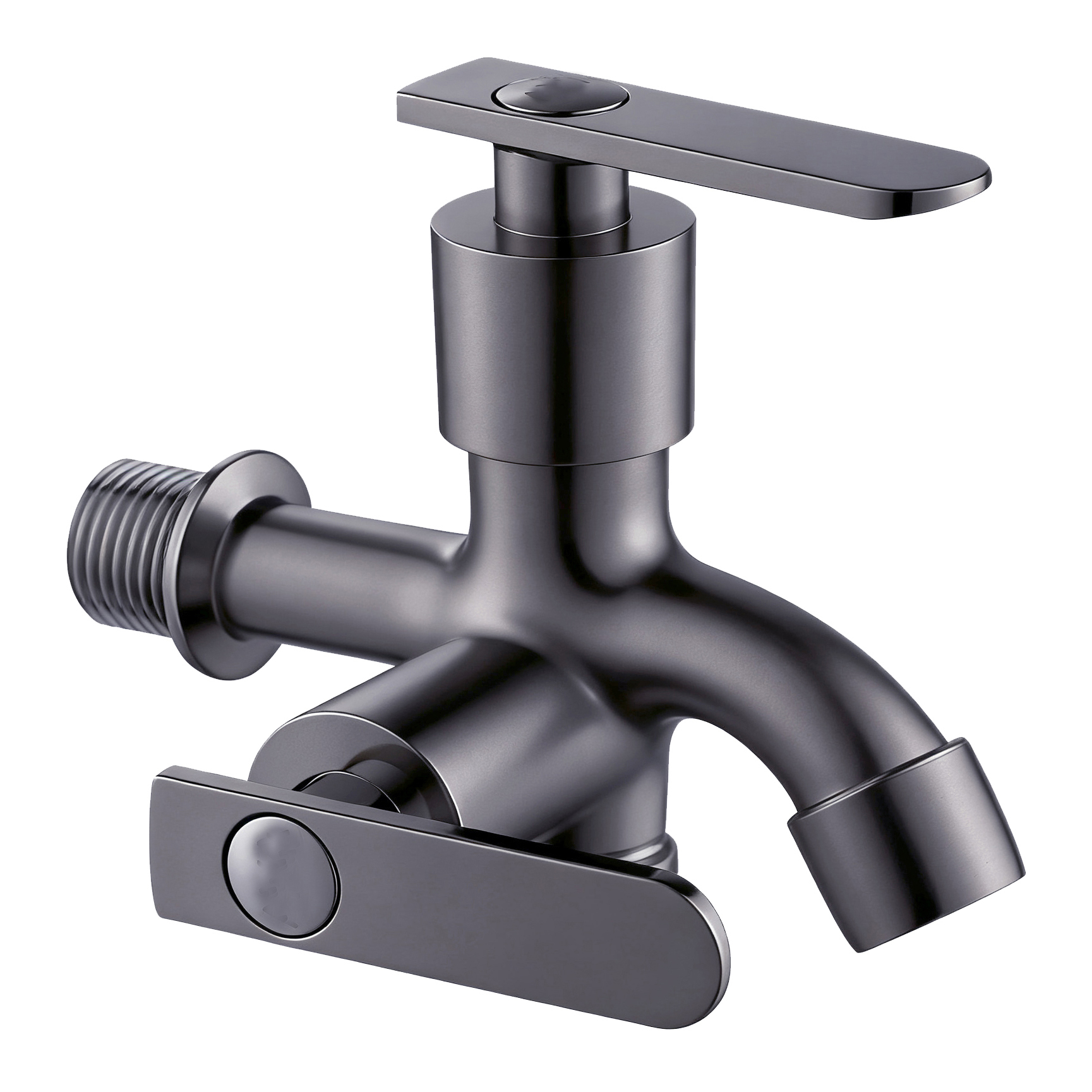
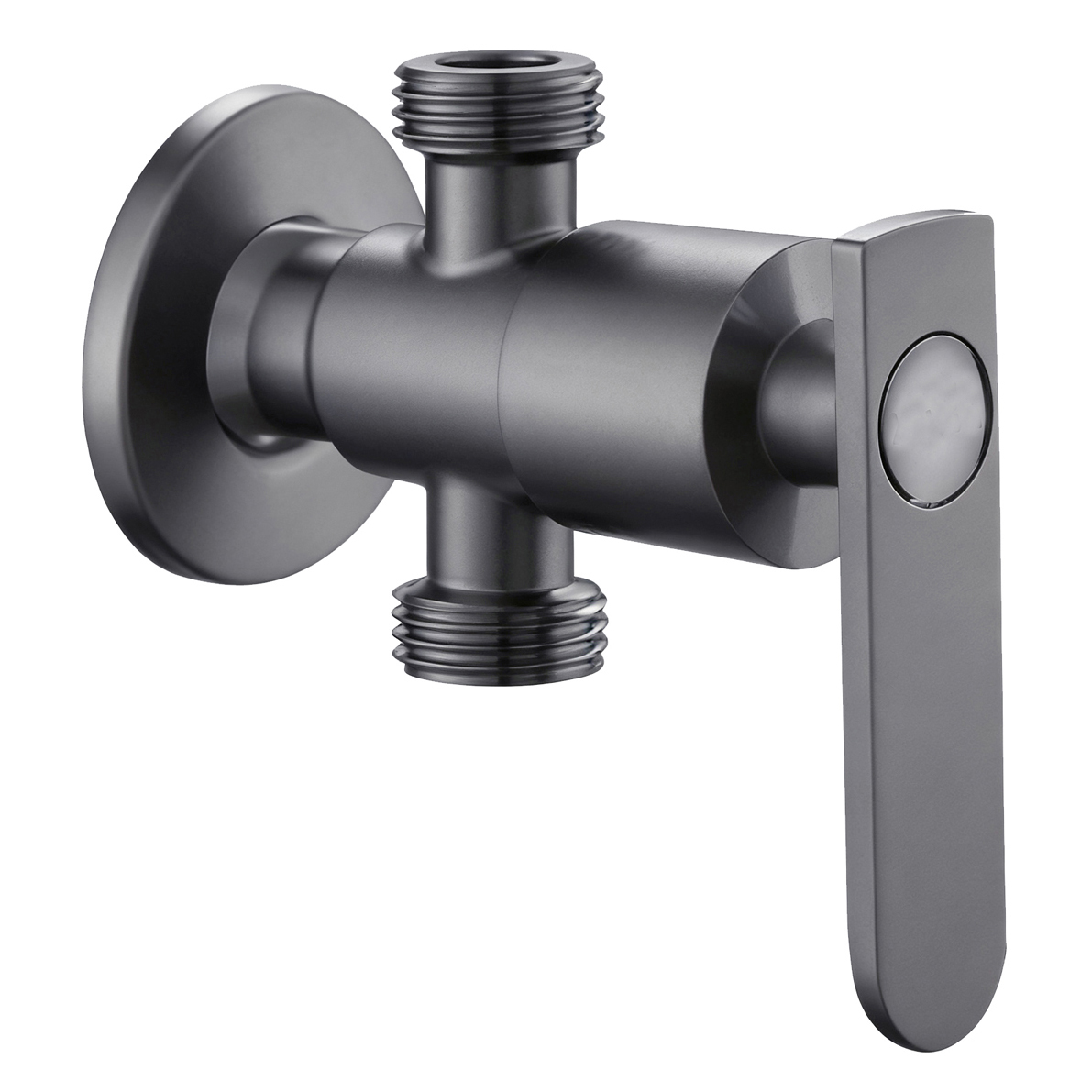
If one water supply point needs to support two tasks, a 2-weg kraan voor autowasstraat can be useful.
For example, one Outlet may remain connected to a cleaning hose while the other provides water for temporary use.
If users can control the two Outlets independently, they can reduce repeated hose removal and reconnection.
However, if the site always uses one hose for one task, adding a second Outlet does not automatically provide more value.
The actual workflow should therefore determine whether the site needs a single-outlet or 2-Way structure. More functions do not always mean a better choice.
If a car wash station connects its water supply to pressure-boosting equipment, the entire system needs to be considered.
A normal tap cannot replace pressure-rating confirmation simply because a seller describes it as “for car washing.”
Maintenance Involves More Than the Tap Body
After long-term cleaning use, the Hose Connector, Outlet Connection, Wall Connection, and Valve shut-off position all need inspection.
If a connection starts dripping, first identify the source. The problem may come from the Hose Connector, Seal, or Tap Outlet.
If water continues to flow after the tap closes, the internal shut-off structure should then be checked.
A suitable Car Wash Water Tap does not need a complicated design.
Matching connections, secure installation, convenient operation, and the ability to handle repeated daily use provide more practical criteria for product selection.