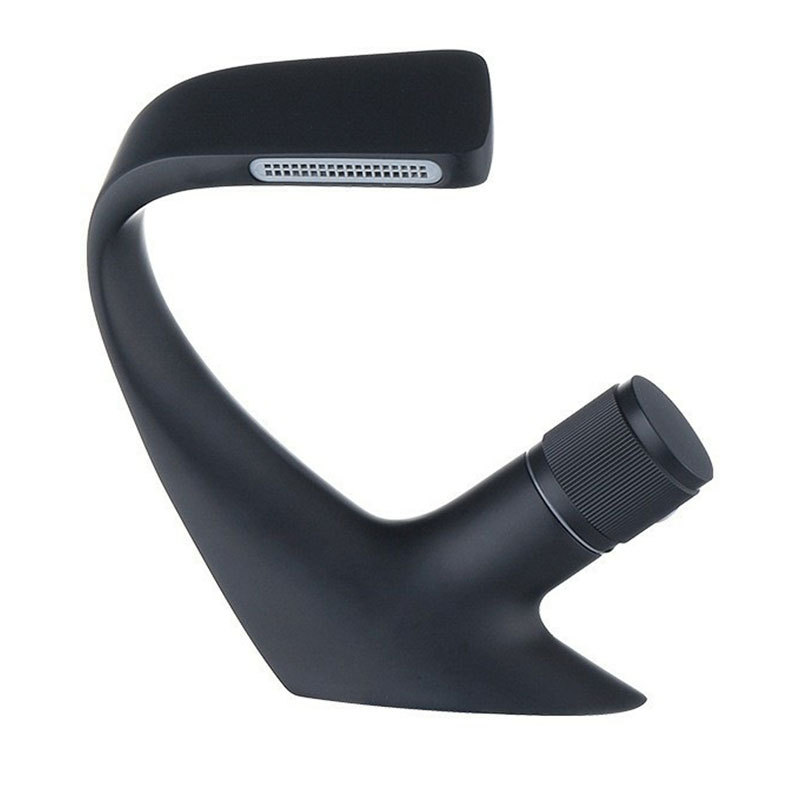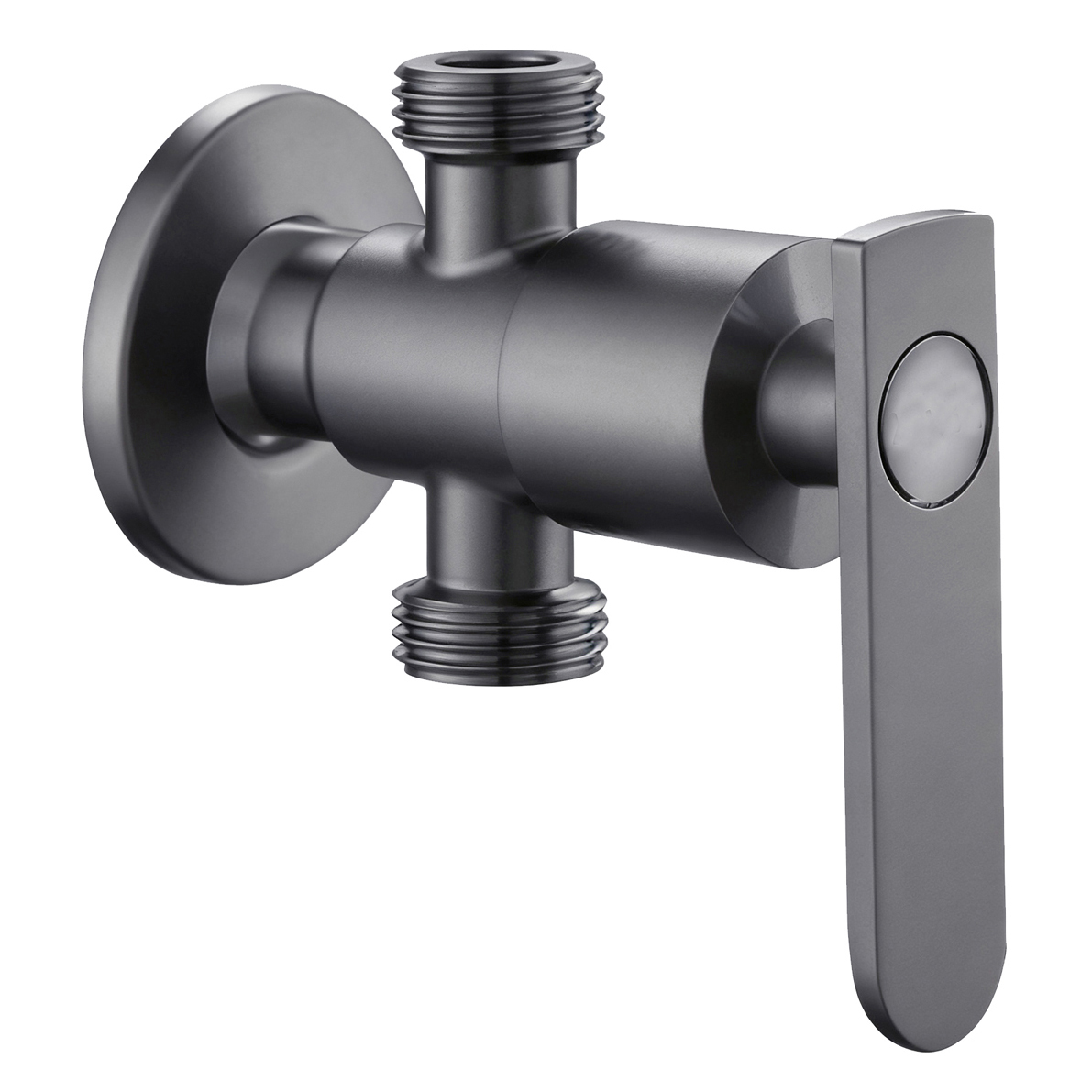




Waterfall outlets for salons and head spas can attract attention because of their distinctive water-flow effect. However, if the product is intended for long-term sales, the more important question is not whether the waterfall looks different. It is whether the product creates a clear application difference compared with a standard Basin Faucet.
Head spa rinsing areas, basin structures, and operating positions differ from those of conventional wash basins. If these conditions genuinely change the requirements for water delivery, a waterfall attachment for tap salon basin head spa may become more than a standard accessory and justify a dedicated product configuration.
Check Whether an Existing Product Can Solve the Problem First
A standard Basin Faucet usually provides a relatively concentrated stream. If salon use requires a wider rinsing area and forces the operator to reposition the water frequently, a wide Waterfall Outlet may solve a practical problem.
However, this does not necessarily require developing an entirely new Faucet.
If an established Wastafelkraan platform can meet the application requirements by adjusting the Outlet, spout reach, or related configuration, the existing structure can still be used.
If the standard structure cannot provide the required outlet position, coverage, or installation relationship, simply changing an attachment may not solve the problem. A dedicated structure may then be worth considering.
This creates three different levels of product development:
Existing Product Works Directly → Adjust the Existing Platform → Develop a Dedicated Structure
Each option involves different development costs, SKU management, and Spare Parts requirements.
The Salon Basin Helps Define the Waterfall Outlet
This type of product cannot be evaluated separately from the Basin.
Basin width and depth, installation position, Outlet reach, and the intended rinsing area all affect the final water landing point.
A wider Waterfall does not automatically improve performance. If the flow lands near the basin edge, it may increase splashing. An unsuitable spout reach may also prevent the wide flow from covering the intended rinsing area.
If the product will become a stable SKU, the development process should gradually translate actual application conditions into repeatable product specifications, such as:
Compatible Basin Conditions → Installation Position → Outlet Size and Reach → Target Water Coverage → Actual Landing Point
These details are more useful than simply defining the product as a “Salon Waterfall Faucet.” They help determine which conditions can remain fixed across different Salon Basins and which ones require further confirmation.
Existing Head Spa Products Show That the Waterfall Is Not a Standalone Accessory
Professional salon equipment already demonstrates this product logic.
Takara Belmont’s YUME HEADBATH is a real Head Spa Waterfall application. It is not designed as a universal accessory that can be installed freely on different Shampoo Basins.
According to the official product information, YUME HEADBATH connects only to the specified Dual Function Spa Switch Showerhead and works only with selected YUME Series Full-Flat Shampoo Units. Creating a stable Cascade also requires a continuous hot-water supply of at least 8.6 L/min (2.27 gpm).
The point of this example is not to copy its product structure. It shows how this type of product can be defined:
Waterfall Outlet + Basin / Shampoo Unit + Installation + Water Supply
Together, these elements form a complete application relationship.
Therefore, when developing a Salon or Head Spa Waterfall product, confirming that the Outlet can create a waterfall effect is not enough. The installation and water-supply conditions required to produce that effect also need to be defined.
Turning a Special Accessory Into a Product for Long-Term Sales
For a sample, confirming the Waterfall effect once may be enough to demonstrate the concept.
For a stable SKU, more questions need answers. Which Basins are compatible? Does the product require a defined installation position? Does Waterfall performance remain stable under different water-supply conditions? Are different Outlet sizes needed for different products? Which components can be shared with an existing Basin Faucet platform?
These questions directly affect product documentation, model definition, OEM/ODM development, and Spare Parts.
If an existing platform can meet the requirements simply by changing the Outlet, there is no need to create a complex new structure just for the “Head Spa” label.
If the actual Basin, rinsing area, and water-supply conditions significantly change the product requirements, a dedicated configuration has a clearer reason to exist.
When discussing this type of development with a China kraanfabriek, reference images can communicate the general product direction. However, structural evaluation also requires information such as Basin dimensions, installation relationships, target rinsing areas, and the expected Waterfall effect.
This makes it possible to develop more than an attachment that simply looks like a Head Spa Waterfall product. It creates a repeatable product configuration with clearly defined compatibility and application conditions.