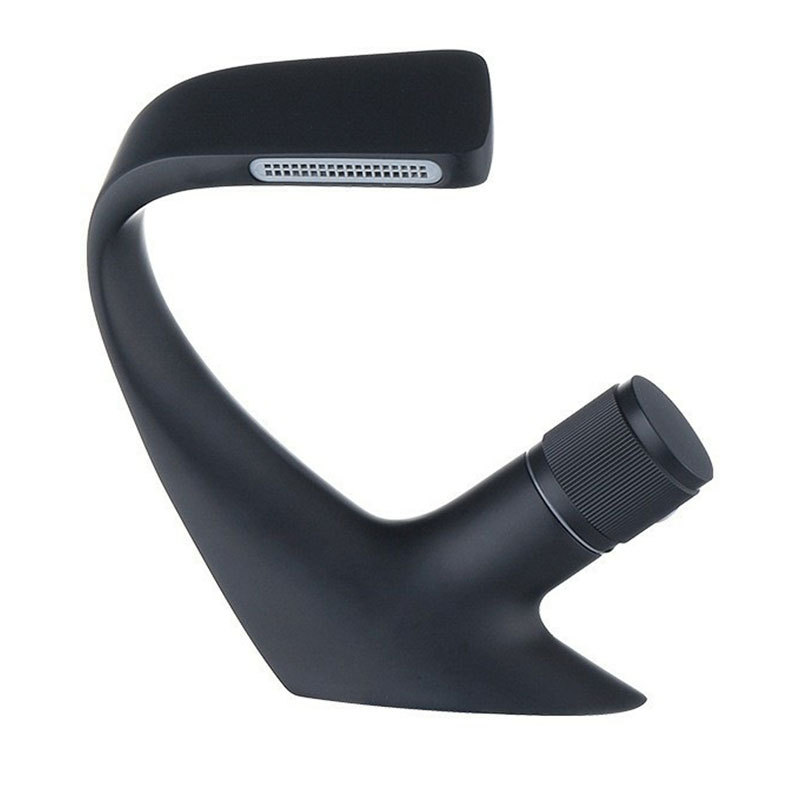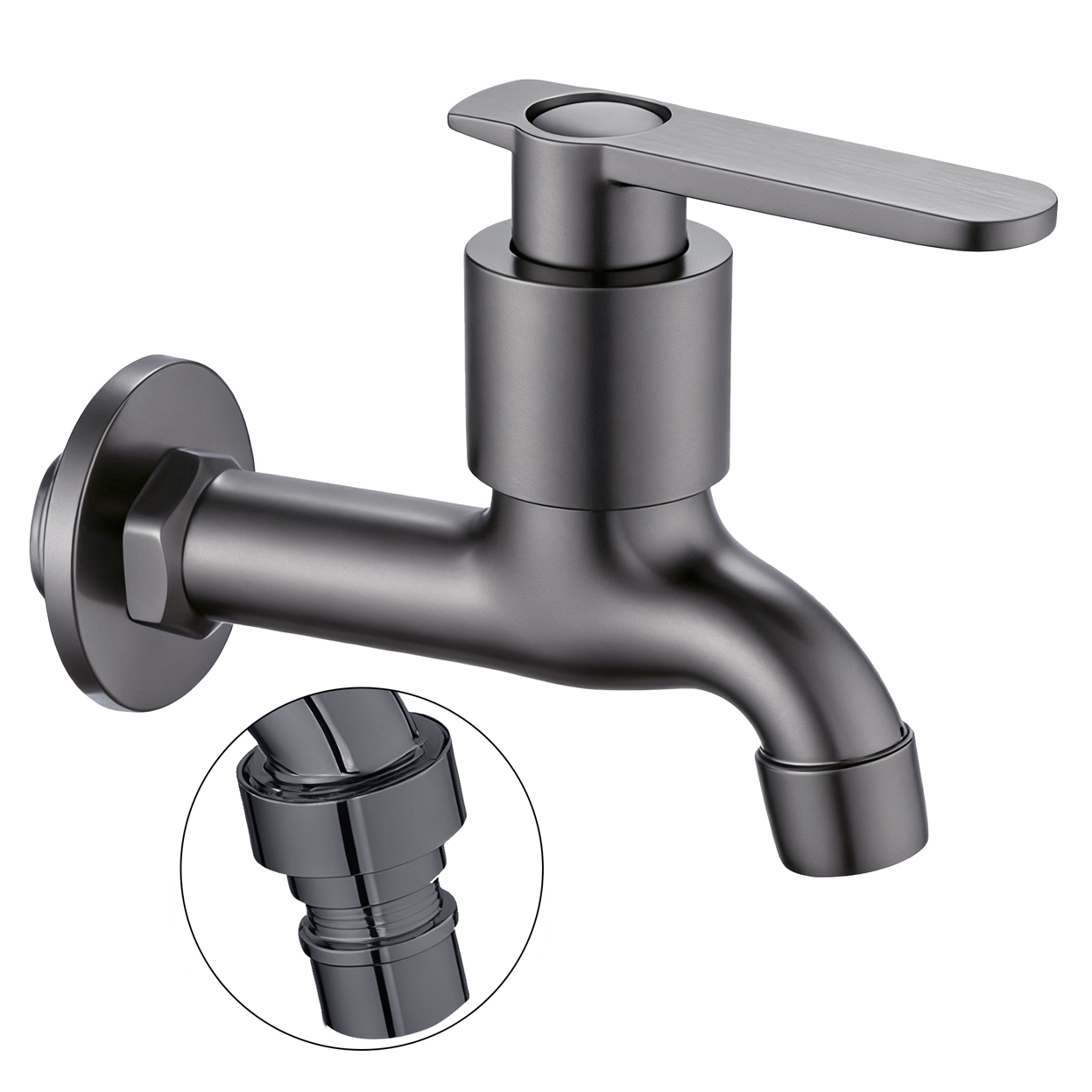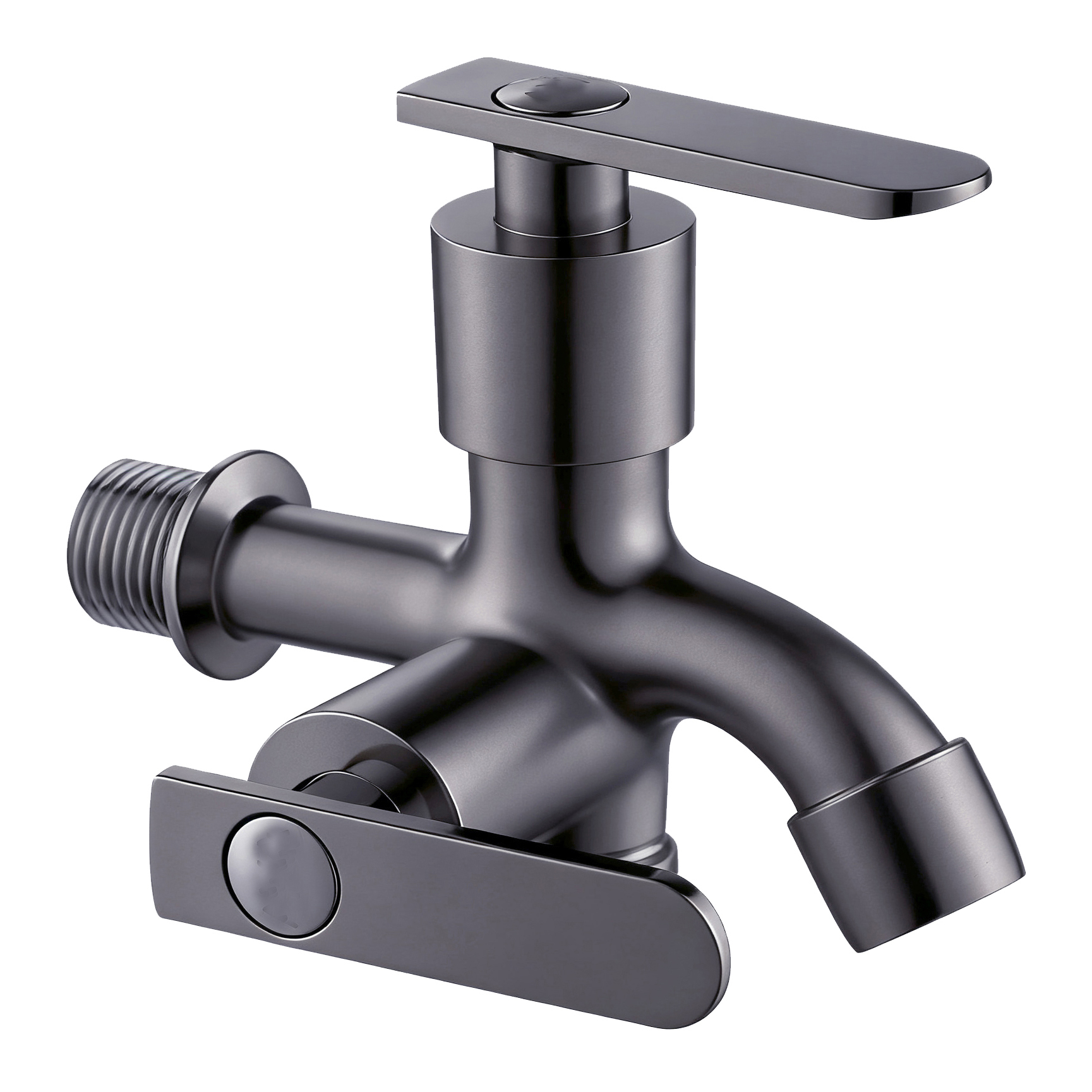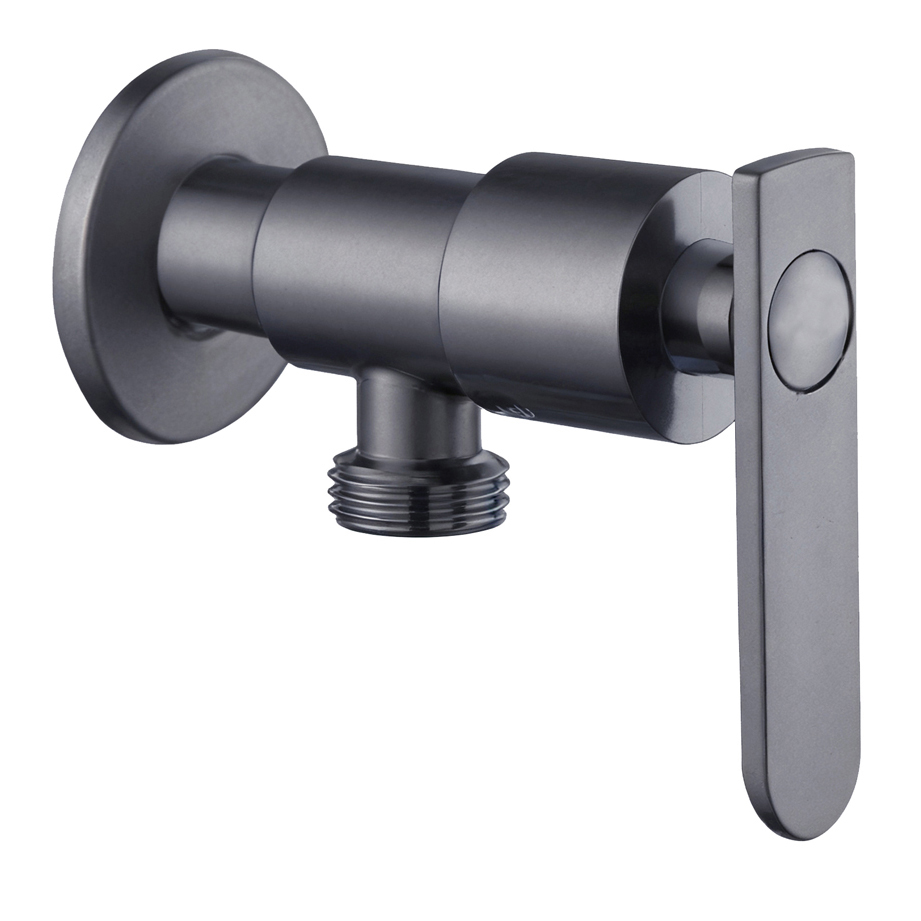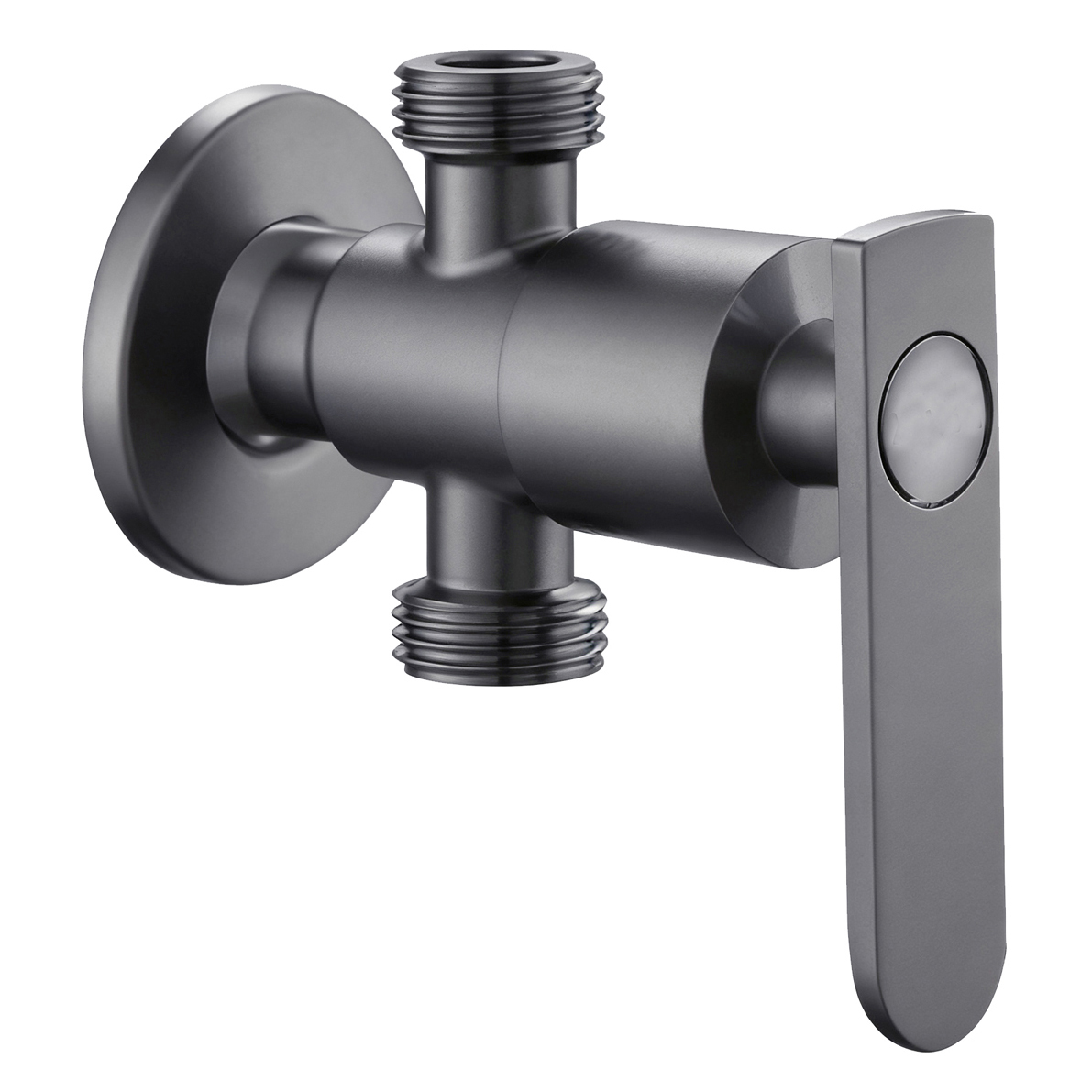




Entry-Level and Premium products need a clear price difference. But that difference should come from real Specification differences.
When developing a High-end Shower Faucet, simply changing the Finish, adding a few accessories and raising the price does not create a clear Premium position.
A better approach is to define the basic specifications that every product should meet first. Then decide what the higher-level range should upgrade.
Basic Performance Should Not Define Product Tiers
Sealing, normal operation, reliable connections and basic installation requirements are essential for any Shower Faucet. They should not become features available only on Premium products.
When controlling the cost of an Entry-Level model, it makes more sense to simplify areas that can reasonably vary by product tier. These may include Configuration complexity, exterior design and accessory combinations.
Basic performance should remain the foundation.
Premium Upgrades Should Be Visible and Useful
A high-end shower faucet can create a higher specification level through material choices, design details, Finish, operating experience, functions or a more complete shower Configuration.
However, adding more does not automatically make a product more Premium.
A function may increase structural complexity and cost but see little use in practice. In that case, it contributes little to Premium Positioning.
A useful upgrade should be noticeable in actual use and consistent with the overall product position.
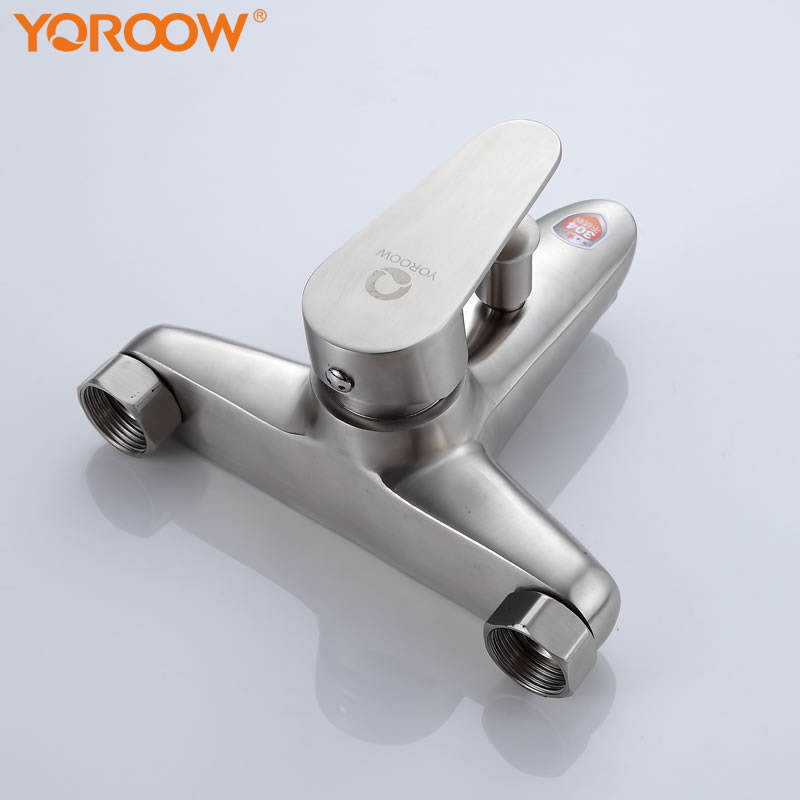
Finish Matters, but It Cannot Support Premium Positioning Alone
Finish can quickly create a visible difference, which makes it useful for separating product ranges.
However, if Entry-Level and Premium models share the same structure, Configuration and user experience, changing only the color usually creates a weak price distinction.
A stronger approach combines Finish with product design and Configuration.
Beyond color, the product can also differ in proportions, component transitions, Finish consistency and major touchpoints. These details should support the overall positioning.
The result is not simply “another color.” It becomes a more complete product difference.
Different Price Tiers Need Different Configuration Logic
A product range does not need to follow the rule that more expensive products must always include more accessories.
Entry-Level products can focus on simple, practical and standardized Configurations. Mid-Range products can introduce clearer design or functional differences. Premium products can create another level through materials, Finish, operating experience or a more complete Configuration.
When planning the range, first define which product characteristics should distinguish each price tier. Then decide which structures can remain shared and which areas need an upgrade.
This approach avoids adding unnecessary components just to make a product appear Premium. It also creates clearer relationships between different SKUs.
When developing a High-end Shower Faucet, each new Specification can be checked with a few practical questions:
What does this upgrade change? Can the user notice the difference? Does it support a higher market position? Is the additional cost justified?
If an upgrade cannot answer these questions, there is little reason to keep it simply for a “high-end” label.
Clear product segmentation does not mean giving the Premium model the most components. It means matching the Specifications at each price level to a clear product position.