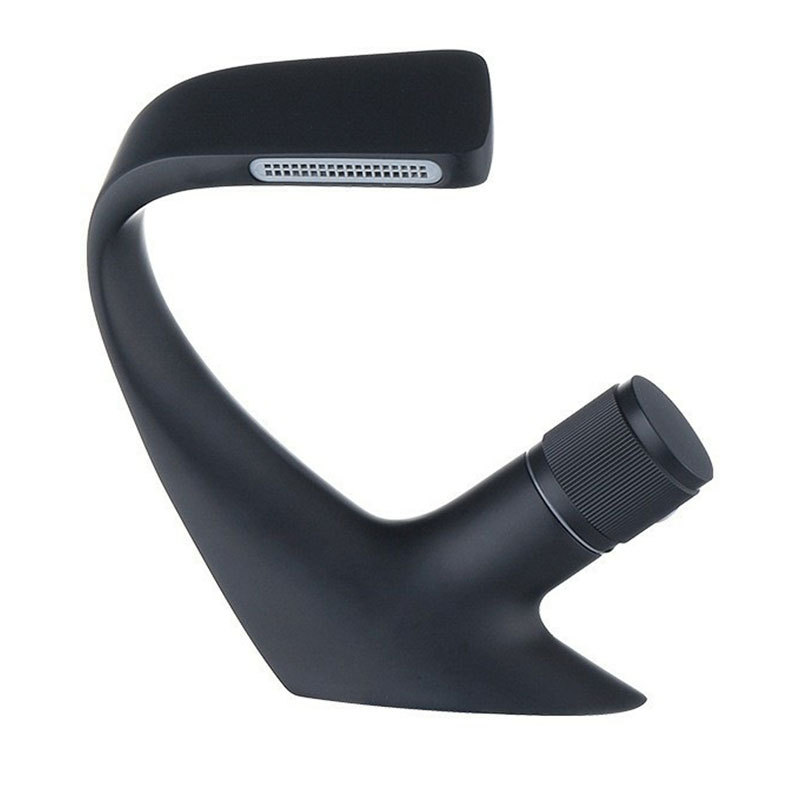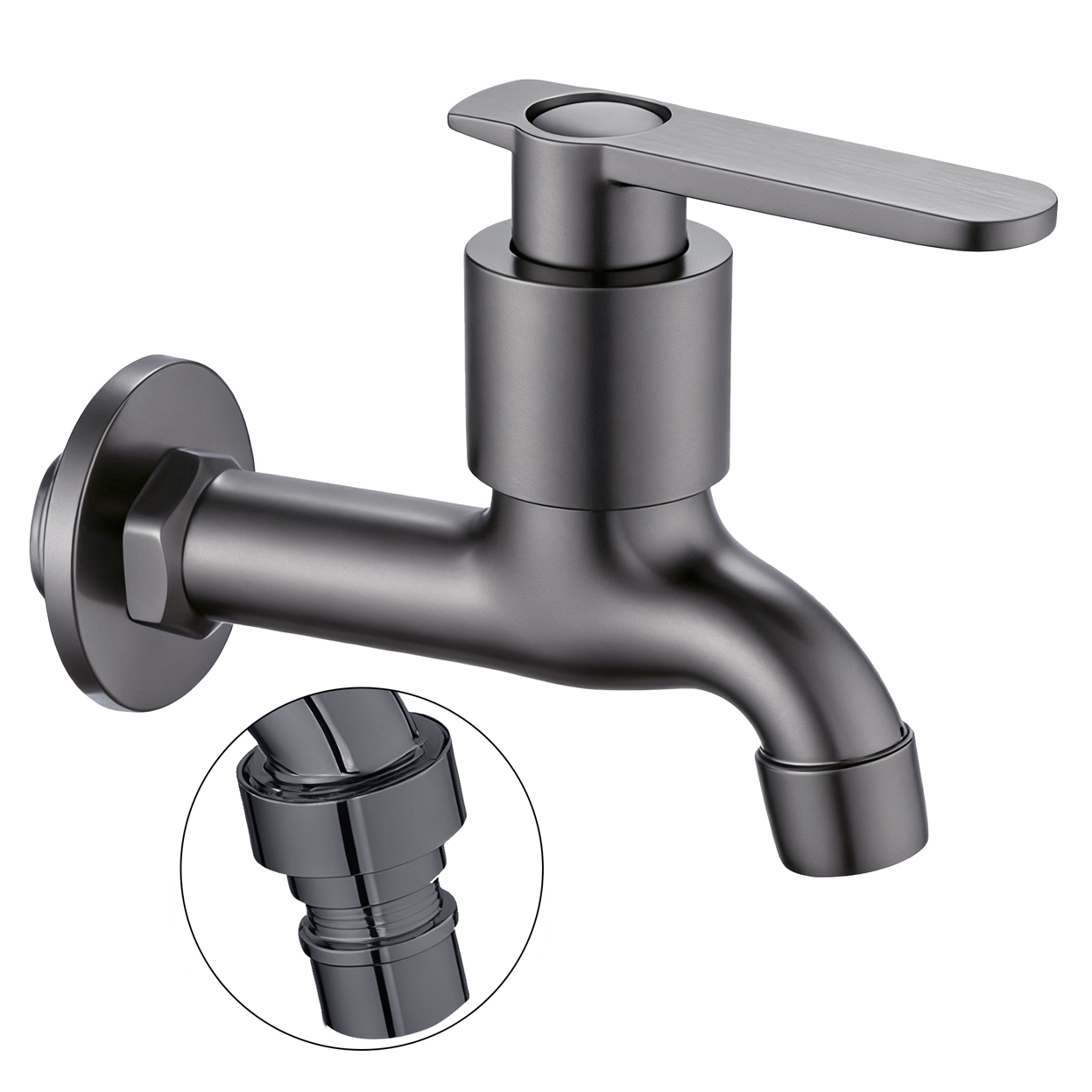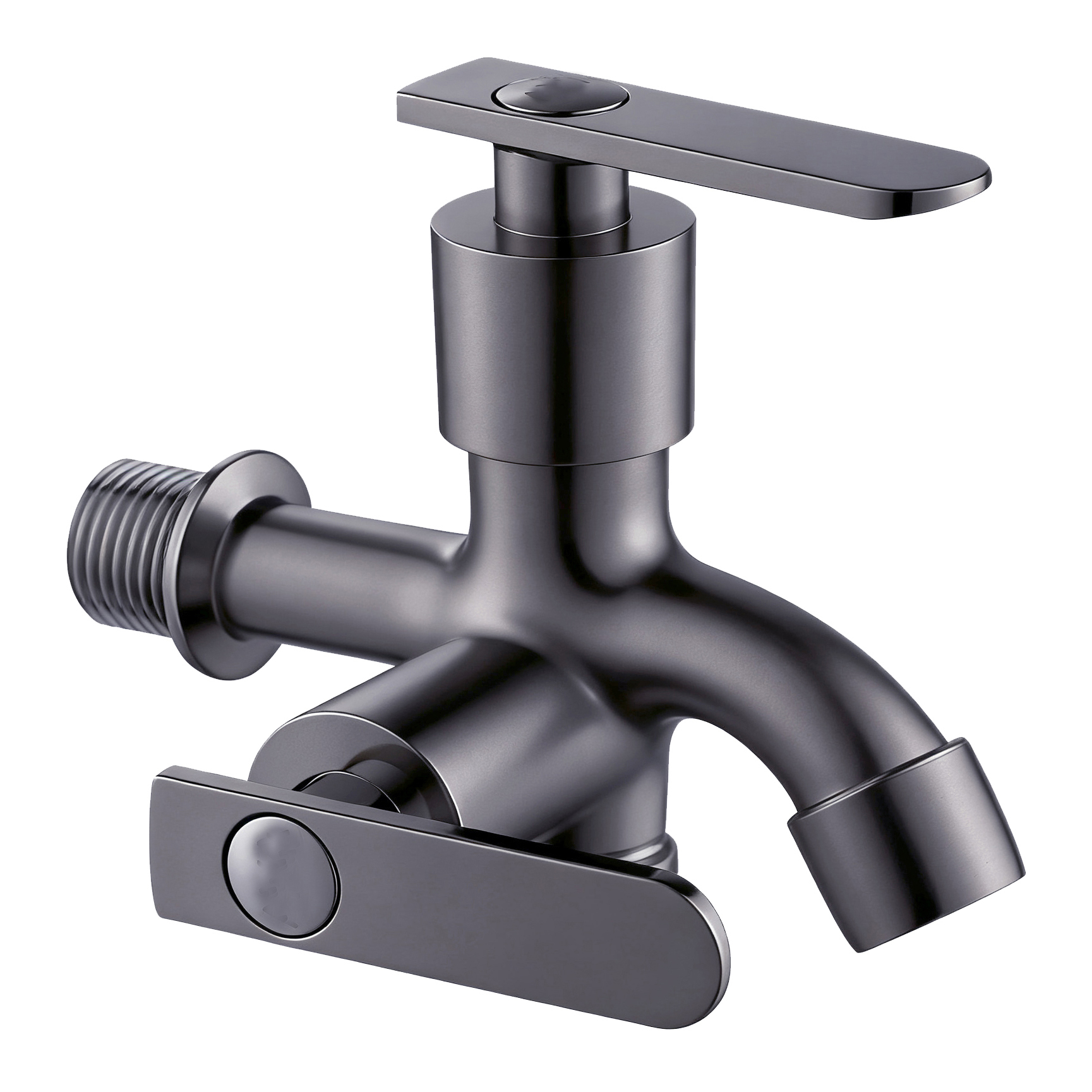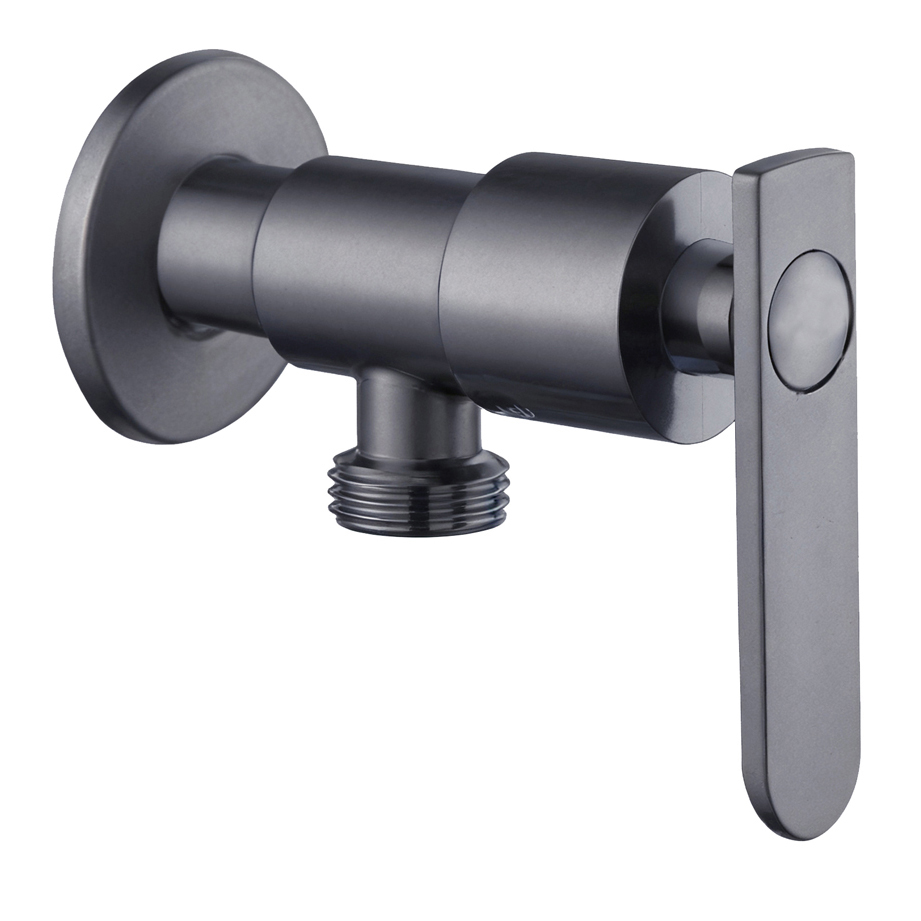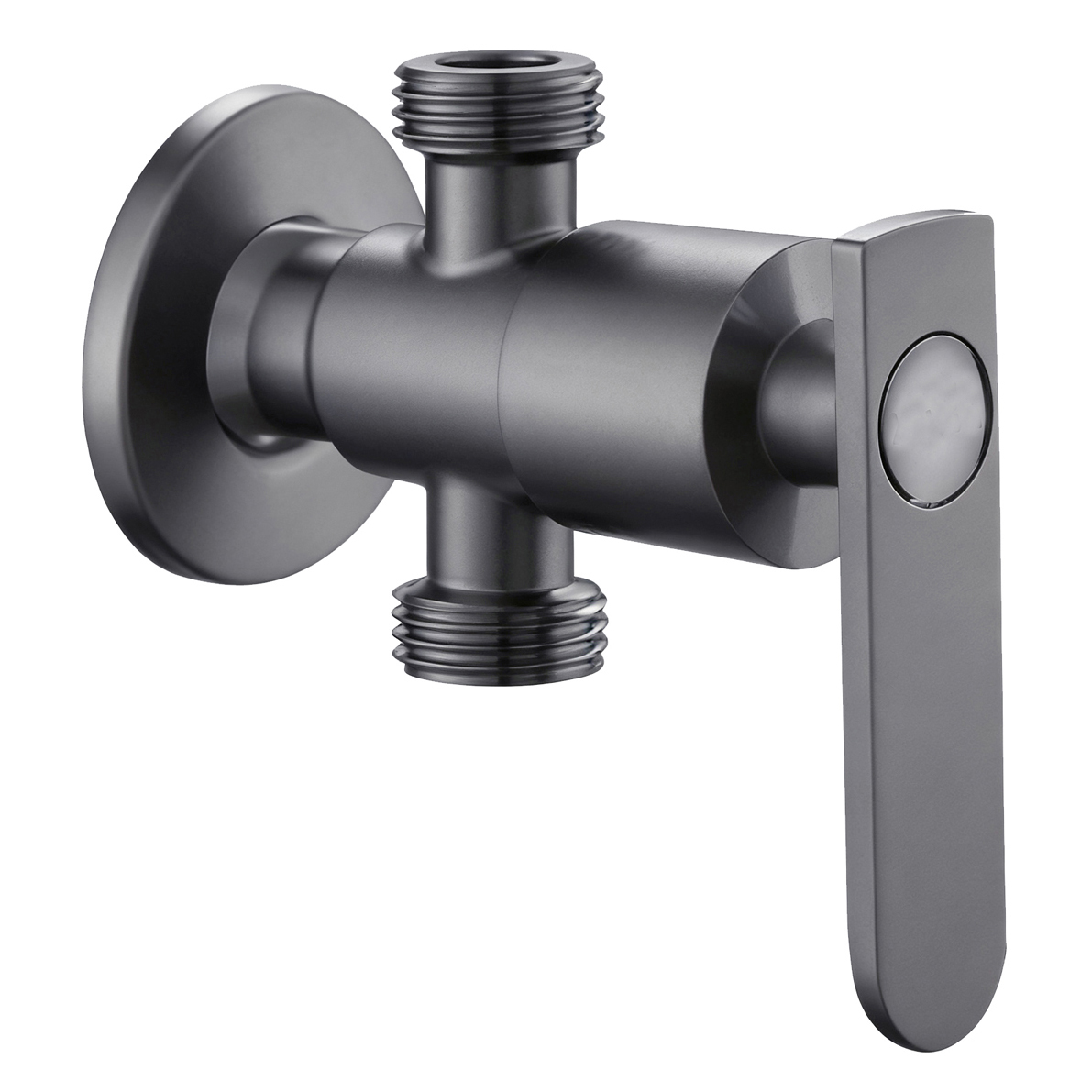




Weight is one of the easiest differences to notice when comparing two Faucets.
As a result, a heavier product is often assumed to contain more material or offer better quality.
However, Faucet Weight provides only part of the picture. Overall weight can also change because of product dimensions, wall thickness, spout construction, handles and internal components.
The more useful question is:
Where does the extra weight come from?
A 9 Inch Basin Faucet Should Not Be Compared Without Considering Size
For a wash basin tap 9 inch, product dimensions are part of any meaningful weight comparison.
If two Basin Faucets differ in overall size or construction, they may naturally use different amounts of material.
A heavier product may simply have a larger structure. Weight alone does not prove that the product represents a quality upgrade.
If Weight is used as a comparison point, it makes more sense to compare models with similar dimensions, structures and configurations.
Otherwise, total weight has limited value as a standalone indicator.
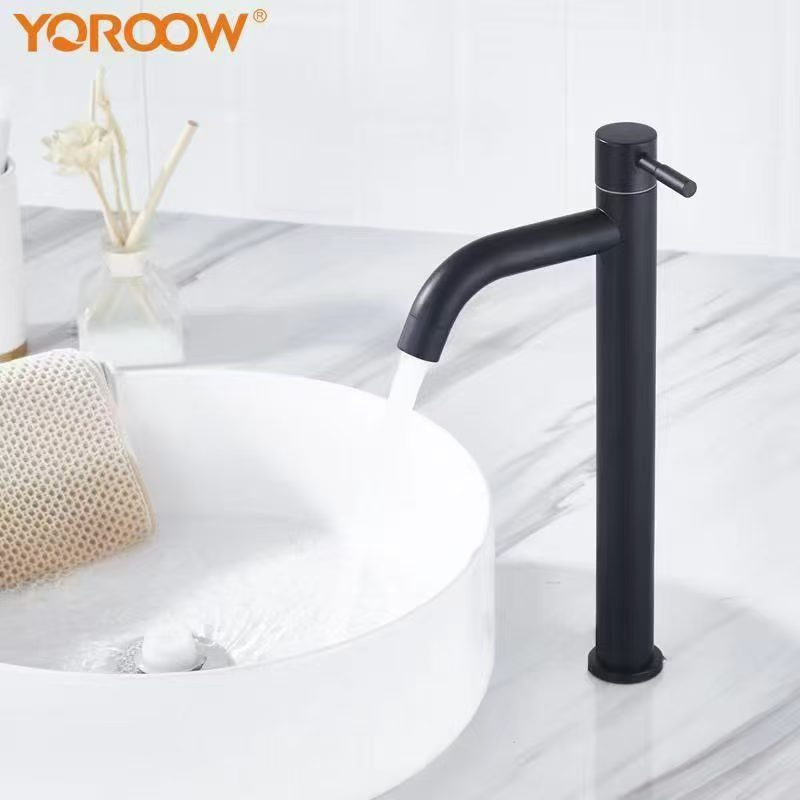
Weight Can Provide Material Clues, but It Cannot Prove the Material
Material differences can affect Faucet Weight, but the relationship cannot simply be reversed.
A heavier Faucet may use a different material. It may also have a larger body, greater wall thickness in certain areas or a different internal structure.
Weight alone cannot confirm whether the body uses Brass, Zinc Alloy or another material. It also cannot identify the materials used in every internal component.
Material should instead be confirmed through product specifications, the BOM or other verifiable product information.
Weight works better as a supporting check:
If two products with similar specifications show a significant weight difference, investigate where that difference comes from.
A Heavier Faucet Does Not Prove Better Key Components
Faucet quality also depends on components and manufacturing details such as the cartridge, seals, connectors, aerator, Finish and overall assembly.
Total weight does not fully reflect these differences.
A Faucet with a heavier body does not automatically have better cartridge performance, more reliable sealing or a better surface Finish.
This is why Weight should not serve as an independent Faucet Quality indicator.
When performance needs further evaluation, the comparison should return to the actual product specifications and relevant test results.
ASME A112.18.1/CSA B125.1 covers relevant performance requirements for Plumbing Supply Fittings. The specific requirements that apply still need to match the product and target market.
When Is Weight a Useful Comparison?
Weight can provide a useful clue when comparing similar 9 Inch Basin Faucet models with nearly identical dimensions, structures and configurations.
For example, if two products have very similar stated specifications but a noticeable weight difference, it may be worth checking the body construction, wall thickness, material configuration or internal design.
Therefore:
Heavier does not automatically mean better, but Weight is not meaningless either.
In Faucet selection, Weight is more useful for answering:
“Why are these two products different?”
It is much less useful for directly answering:
“Which Faucet has better quality?”