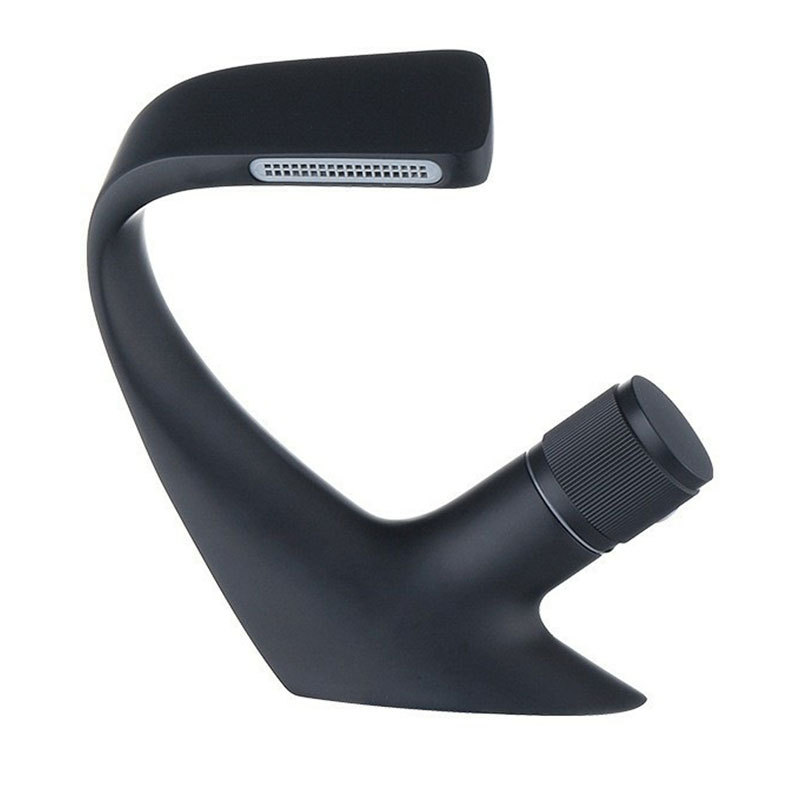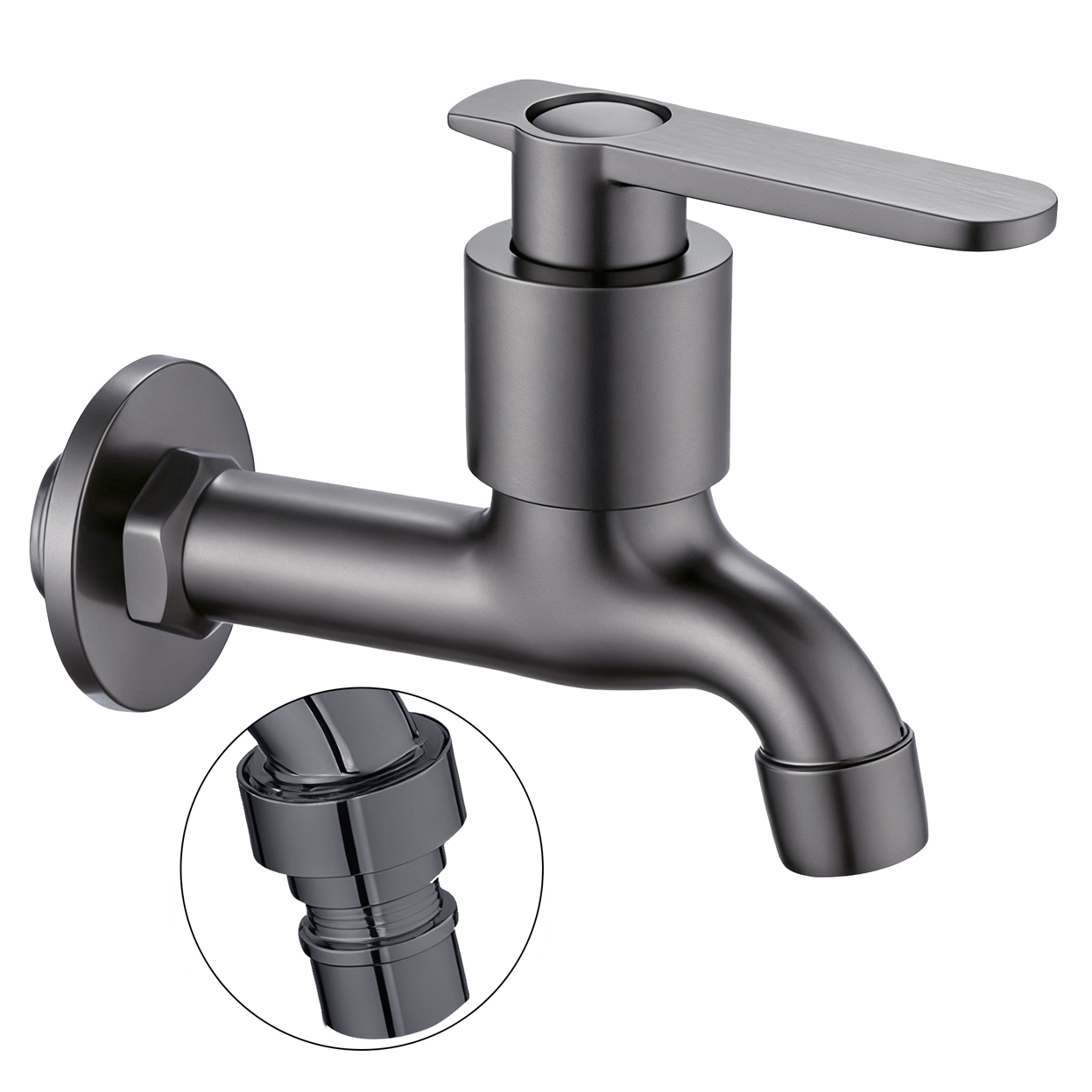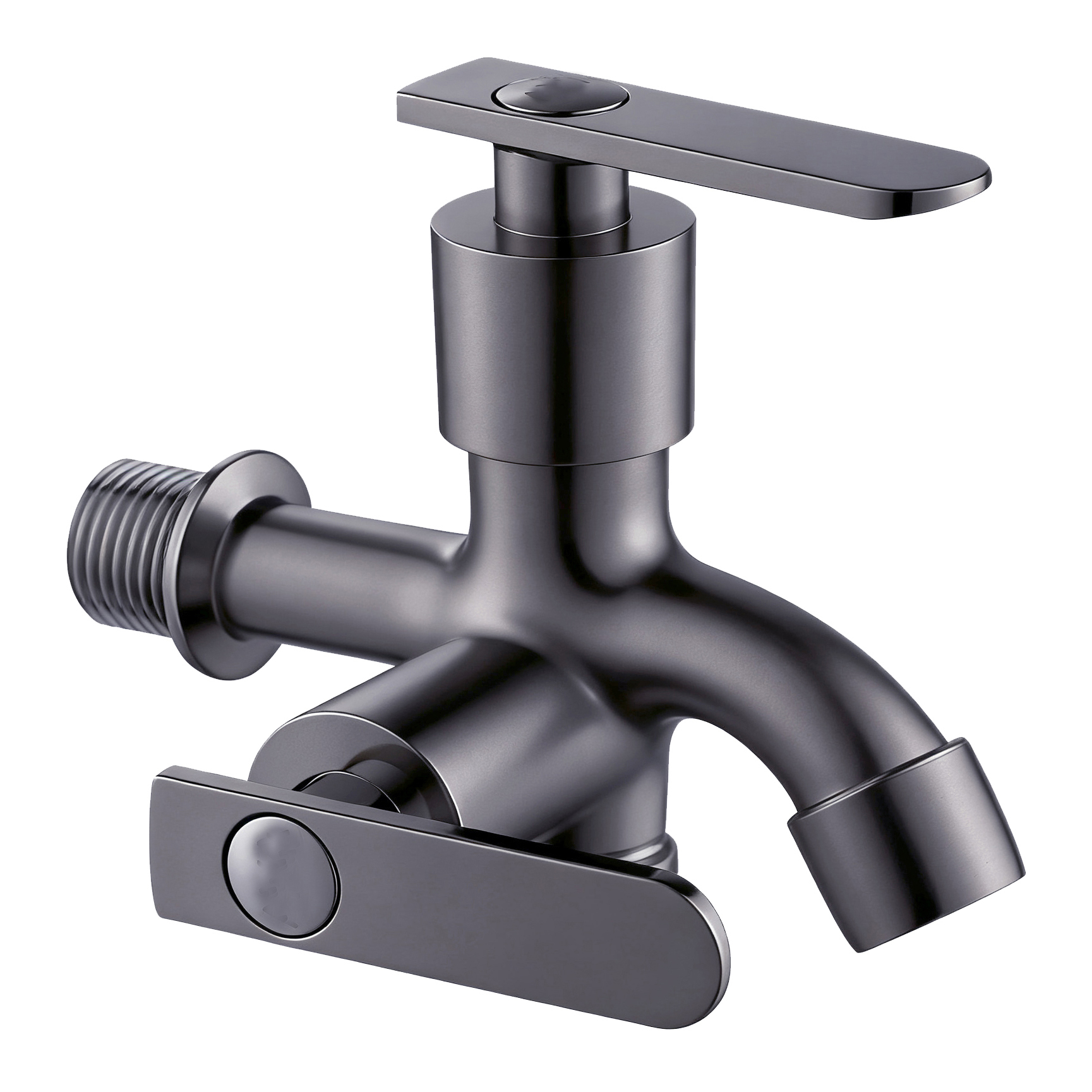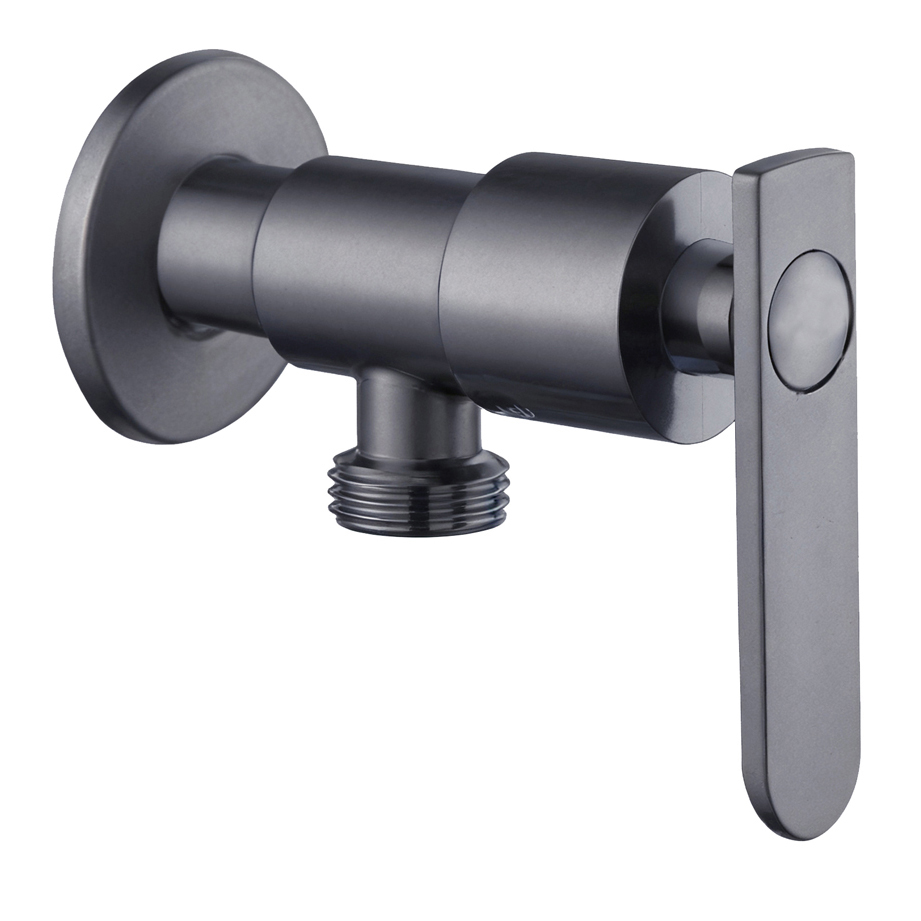




The lifecycle of a Faucet does not end when the order is completed.
When maintenance is needed several years later, the more important question is:
Can the required replacement part still be found?
A Spare Parts Strategy should therefore be established before after-sales problems begin.
Which Parts of a Single Handle Shower Faucet Should Remain Available?
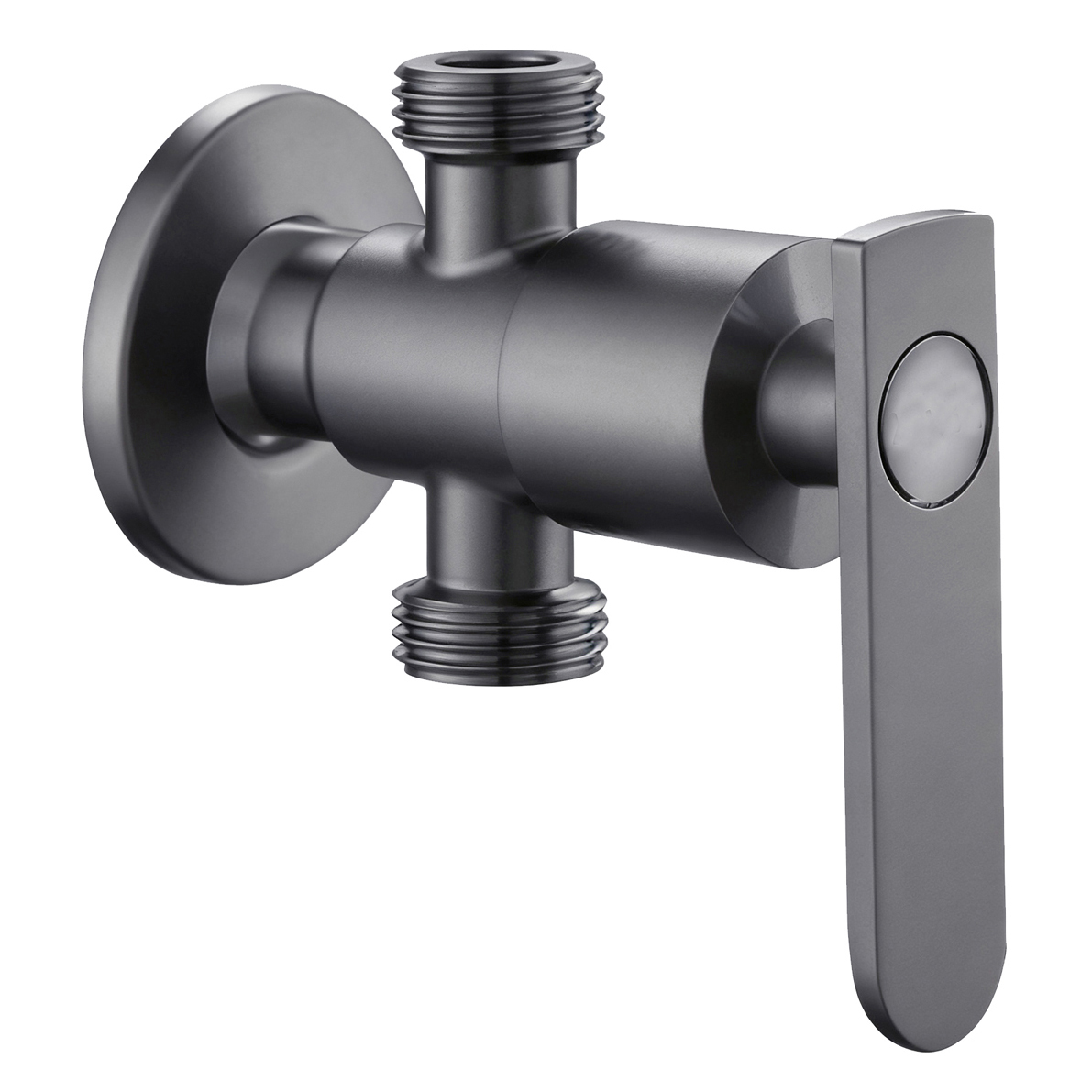
Take a Single Handle Shower Faucet as an example.
A product problem does not always mean that the entire Faucet needs to be replaced.
Internal control components, seals, handles, connectors and other replaceable parts may all create independent maintenance needs.
That does not mean every component needs to be stocked in large quantities for many years.
Spare Parts Support is usually more valuable for components that:
- are likely to require separate replacement;
- can restore the main function when replaced;
- are difficult to replace with generic market alternatives;
- can be shared across several active product models.
This judgment is not directly related to the price of the component.
A low-cost proprietary part that prevents the whole faucet from being used when unavailable may have greater long-term spare-parts value than a more expensive accessory that can easily be replaced with a common alternative.
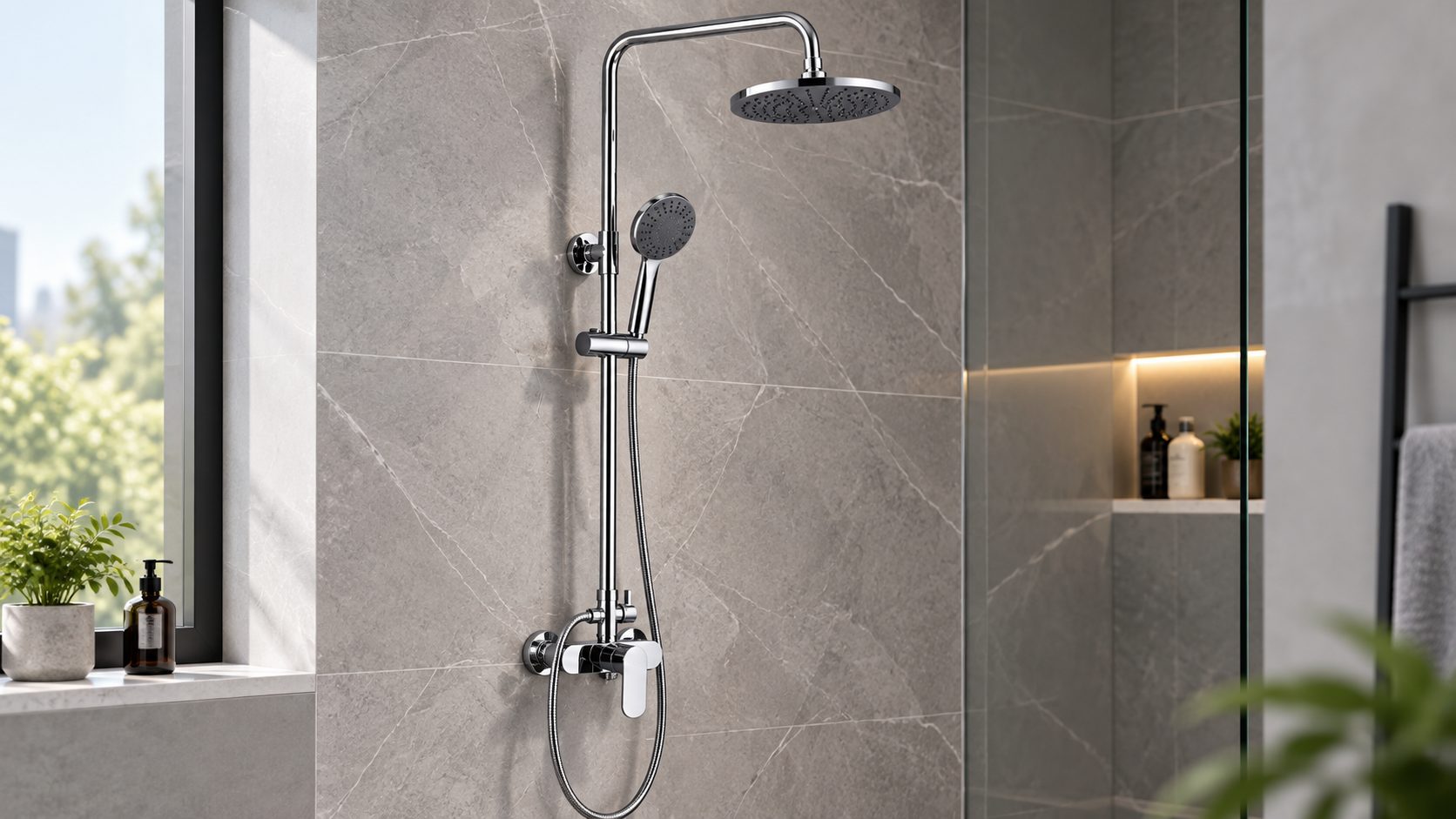
Spare Parts Should Be Linked to Product Platforms Where Possible
If different single handle bath shower mixer taps use completely different internal components, the after-sales spare-parts inventory will grow as the product range expands.
Spare Parts that can already be used across multiple models are better suited to long-term stocking and clear part-number management.
This makes it possible to move quickly from:
Product Model → Component → Spare Part Number
instead of relying on photos and deciding:
“This part looks similar.”
This relationship creates another advantage.
When there are many finished-product models, it is not always necessary to maintain a completely separate spare-parts inventory for each one.
What really needs to be managed is which products share the same repair component and which models require dedicated parts.
Discontinuing a Product Does Not Mean Spare Parts Should Stop Immediately
This is one of the biggest differences between a Spare Parts Strategy and ordinary component inventory.
When a single handle bath shower mixer taps model is discontinued, products already installed in the market still remain in use.
If repair parts disappear as soon as the finished product leaves the range, a problem that originally required replacement of one component may turn into a complete Faucet Replacement.
Product discontinuation should therefore also consider:
- how many installed units may still require support;
- which key repair parts should remain available;
- which parts may remain compatible with future product platforms;
- when Spare Parts Support can reasonably end.
There is no single support period that applies to every product.
The appropriate duration depends on the product lifecycle and actual after-sales demand.
Spare Parts Strategy Should Also Consider the “Last Buy”
When a product is preparing to leave the range, some proprietary parts may also stop being purchased regularly.
If those parts are not used by any other model, trying to purchase them after the finished product has already been discontinued may become difficult or may no longer be possible under the original purchasing conditions.
A discontinuation plan can therefore include another practical question:
Which dedicated repair parts need a final purchase before normal supply ends?
The quantity should not be calculated mechanically from finished-product sales alone.
It should also consider installed product volume, historical repair demand, the likelihood of component failure and whether compatible alternatives exist.
This extends the Spare Parts Strategy from:
“What should we keep in stock today?”
to:
“What do we still need to support products that have already been sold after the model leaves the range?”
A Good Spare Parts System Reduces Unnecessary Complete-Product Replacement
The purpose of a Spare Parts Strategy is not to build an ever-growing warehouse of components.
It is to make sure that components with real repair value can still be identified and obtained when needed.
For a Single Handle Shower Faucet sold over a long period, a mature support system should be able to answer three questions:
Which parts can be replaced?
What is the corresponding Part Number?
How long will support continue after the product is discontinued?
Whether a faucet can theoretically be repaired is one issue.
Whether the correct replacement part can still be found several years later is another.
The second is what a long-term Spare Parts Strategy really needs to solve.