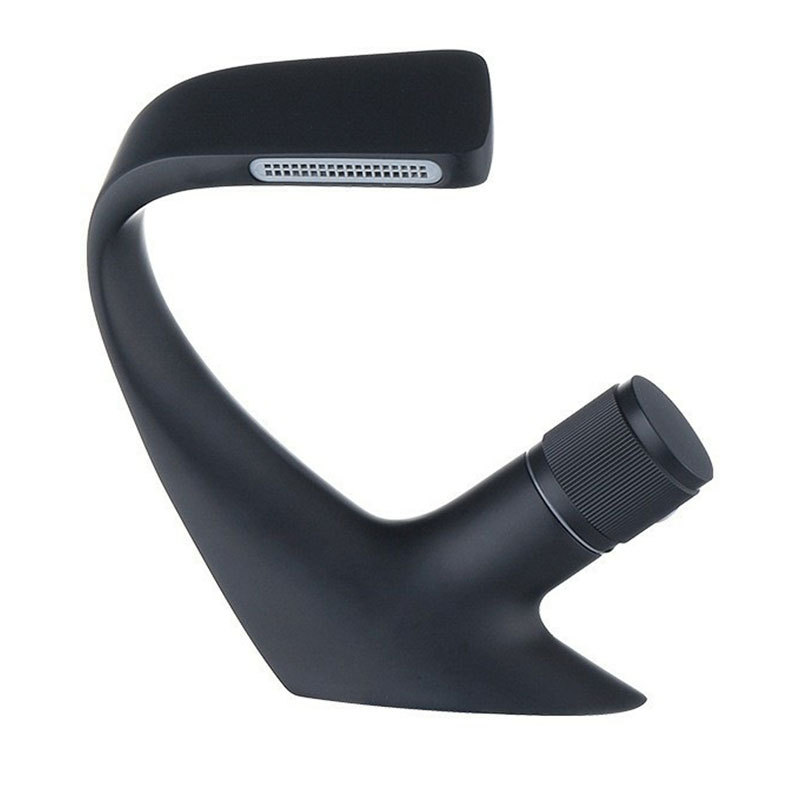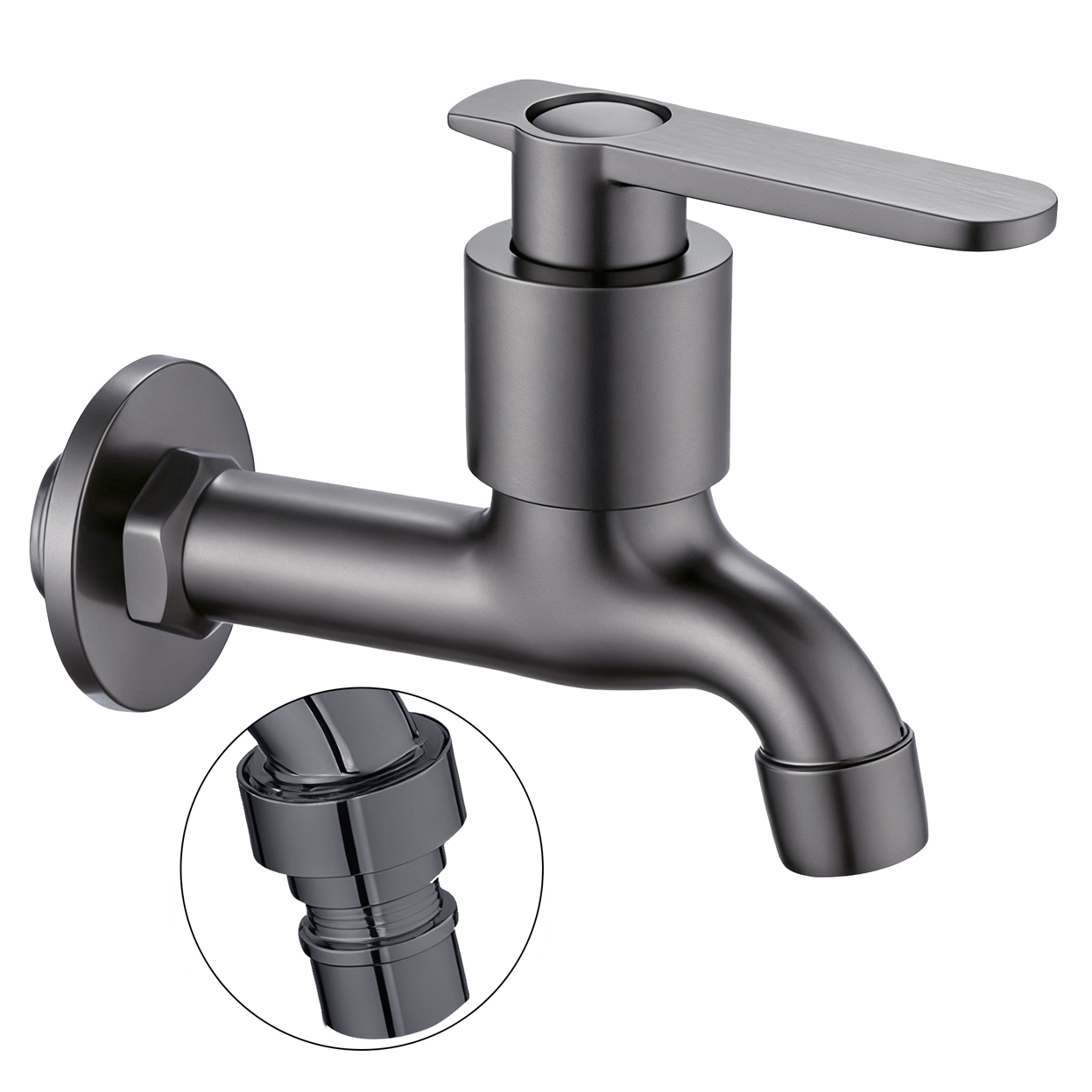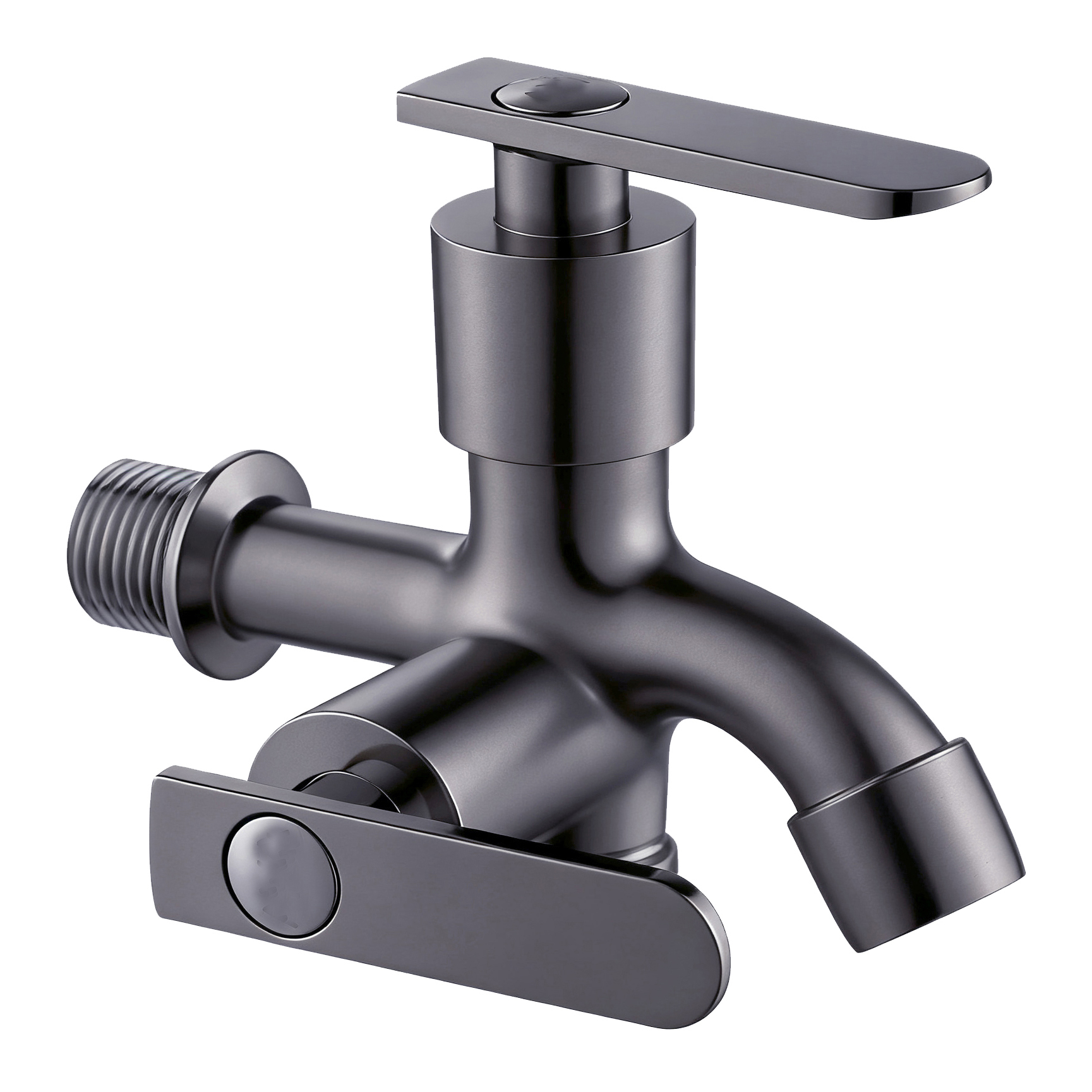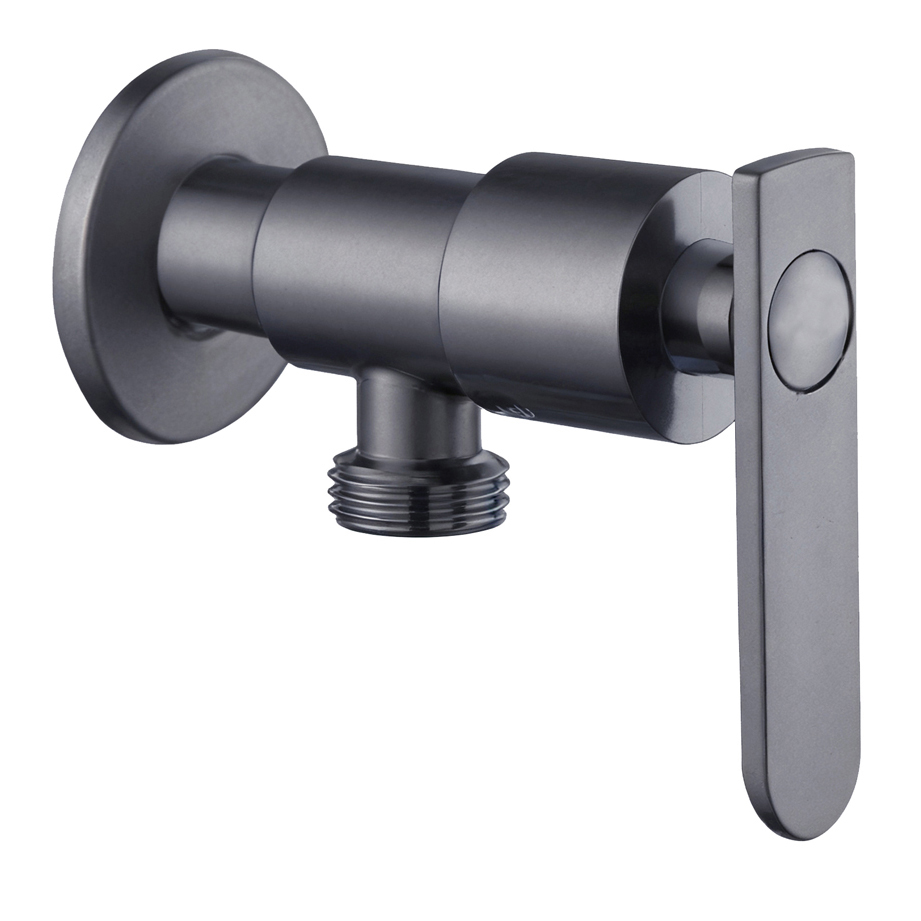




When faucet specifications change, manufacturing costs usually change as well.
However, this does not simply mean that a larger size always costs more.
The real impact on Manufacturing Cost depends on how the change affects material usage, product structure, machining, components, and assembly.
12 Inch Shower Faucet: Size Is Only the Starting Point
Take a 12 Inch Douchekraan as an example.
The 12-inch size is a clear product specification, but it does not directly show how much manufacturing cost will increase.
Buyers still need to consider:
Does the larger size require a bigger body or outlet component?
Does the product weight increase?
Do the support and connection structures need to change?
If the size change affects only one area, the manufacturing impact may remain limited. If it also changes the structure and material usage, the cost difference can become greater.
Therefore, it is not accurate to assume:
Larger size = a fixed percentage of higher cost.
This matters especially within the same Shower Faucet series. Two sizes may look very similar, but the larger version may also require a heavier body, different connections, or additional components.
In that case, the cost difference involves more than additional material.
Machining Can Matter More Than External Size
Two Shower Faucets with similar external dimensions can still have different manufacturing costs.
Hole positions, threads, internal waterways, connections, and component fitting can all affect machining requirements.
If a specification change adds machining steps or makes assembly more complex, manufacturing cost may increase even without a major change in material weight.
When comparing Faucet Specifications, buyers should therefore consider:
Size + Weight + Structure + Machining + Components.
This provides a more realistic view of manufacturing differences than external dimensions alone.
Additional Components Create Additional Costs
A specification change may also require more components.
Adding one component creates more than a Component Cost. It may also add purchasing, machining, assembly, inspection, and packaging work.
A small Specification Change can therefore affect several manufacturing steps.
For example, if a 12-inch version requires different connectors, supports, or packaging space, the cost impact already extends beyond the faucet body itself.
When comparing quotations for different sizes, a more useful question is:
Which BOM items, machining steps, and assembly requirements actually change with the specification?
This explains the real cost difference more clearly than material weight alone.
A more complete Cost Engineering path is:
Specification Change → Product Structure → Material & Machining → Components & Assembly → Manufacturing Cost
Specifications are only the starting point of a cost change.
The real cost depends on how much the specification changes the actual manufacturing process.