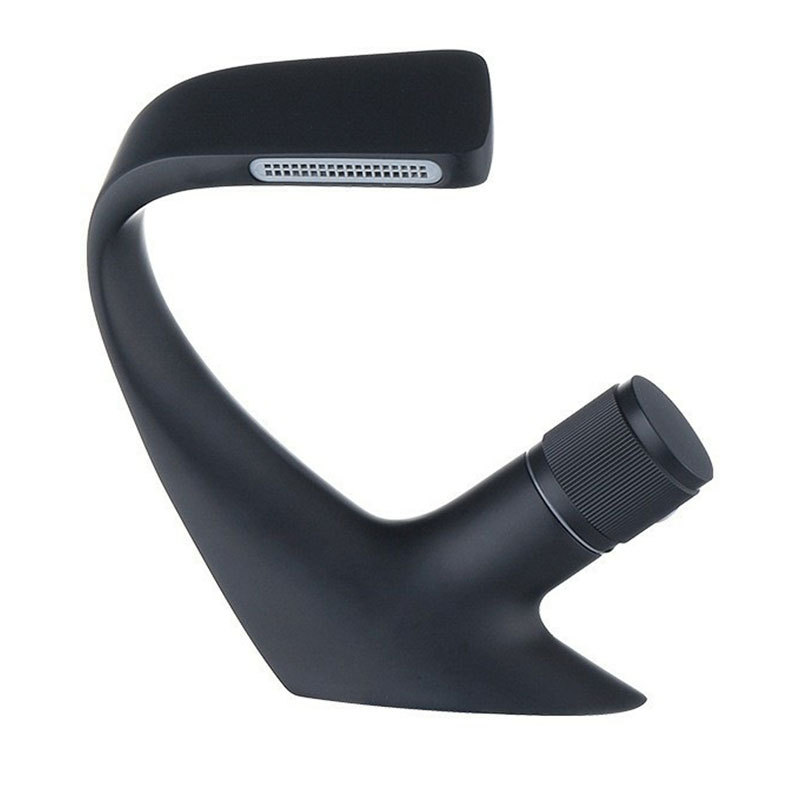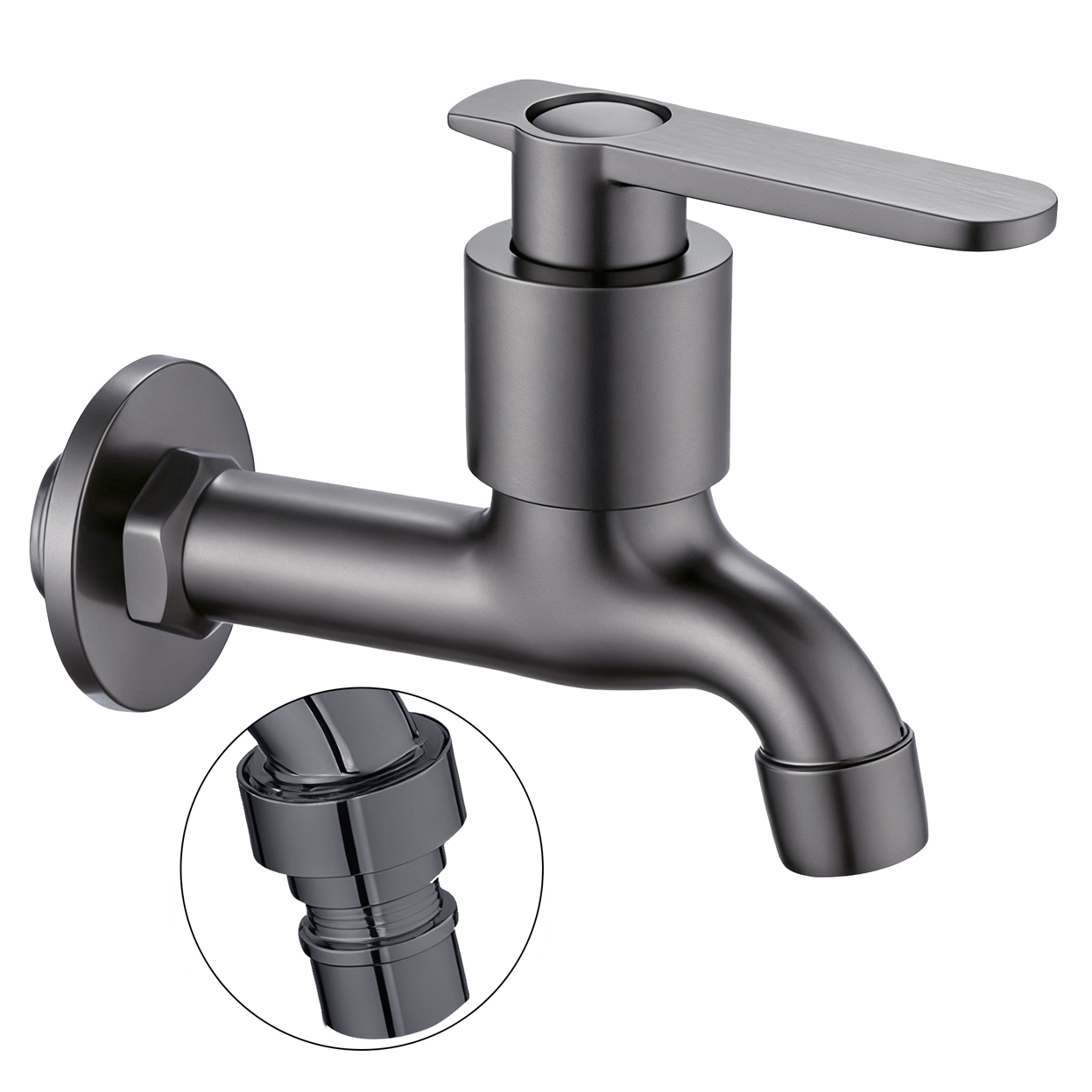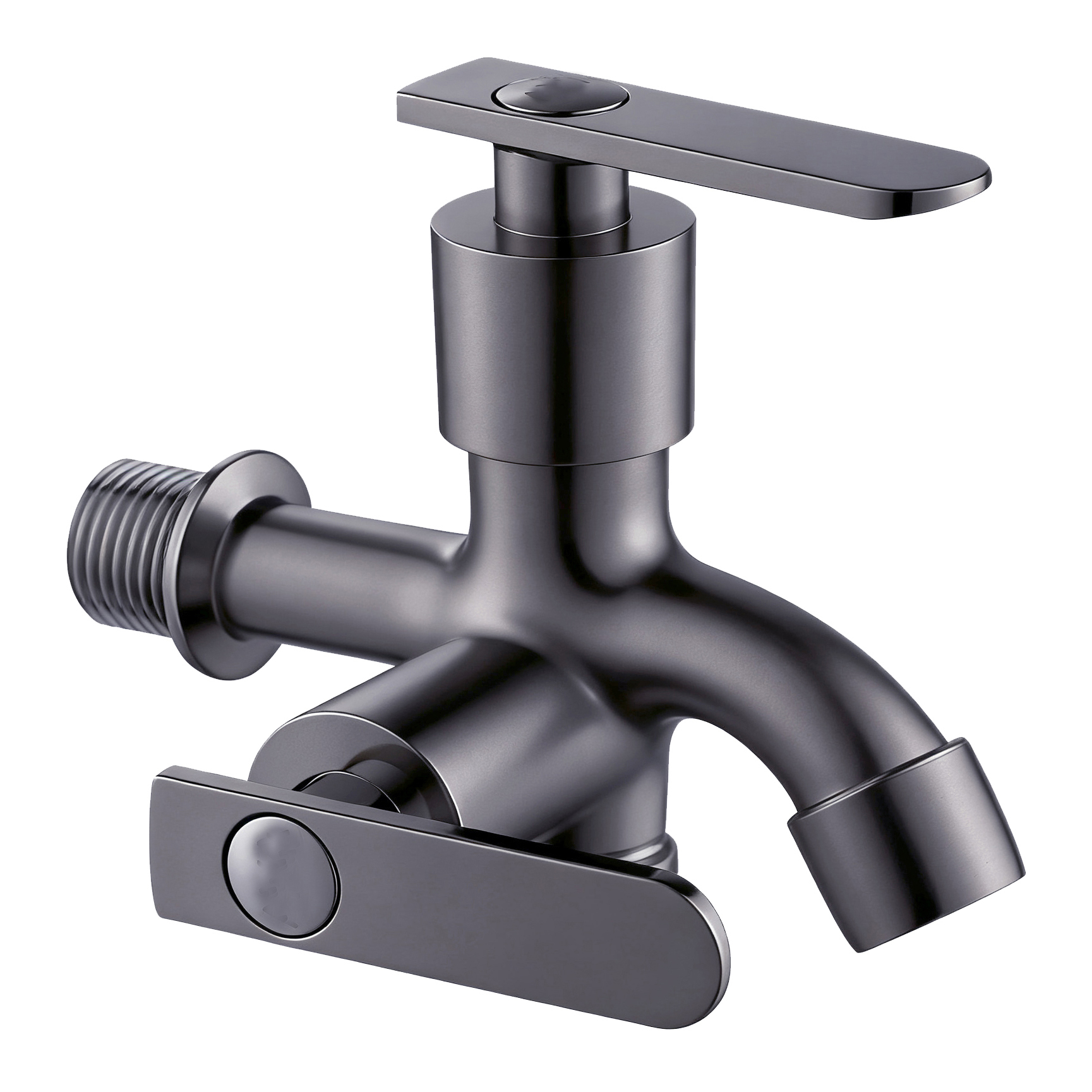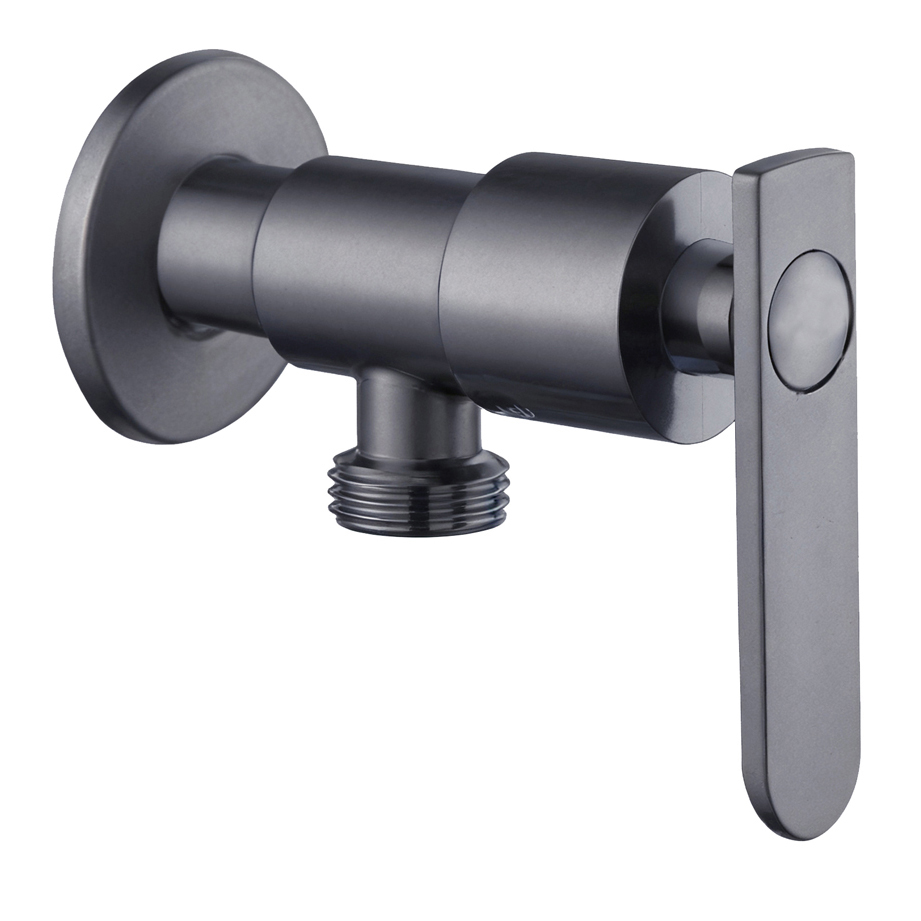




When the same keukenkraan is introduced into different countries, two opposite assumptions are common.
One is that only the packaging needs to change.
The other is that entering a new market means rebuilding the entire product from the beginning.
A more practical approach is to separate what can remain common across markets from what genuinely needs to be reconfirmed for Australia.
First Separate What Can Stay the Same From What Needs Rechecking
Take Australian Standard Kitchen Taps as an example.
A kitchen faucet already sold in other markets may not need a completely different appearance, core function or overall positioning simply because the destination market changes.
If the body design, pull-out function or operating logic still fits the intended product position, these elements can remain part of a shared product platform.
What needs separate confirmation are the areas connected to local installation conditions, water systems and applicable market requirements.
Connections and Installation Details Often Create Market-Specific Versions
A faucet can look exactly the same and still require different market configurations.
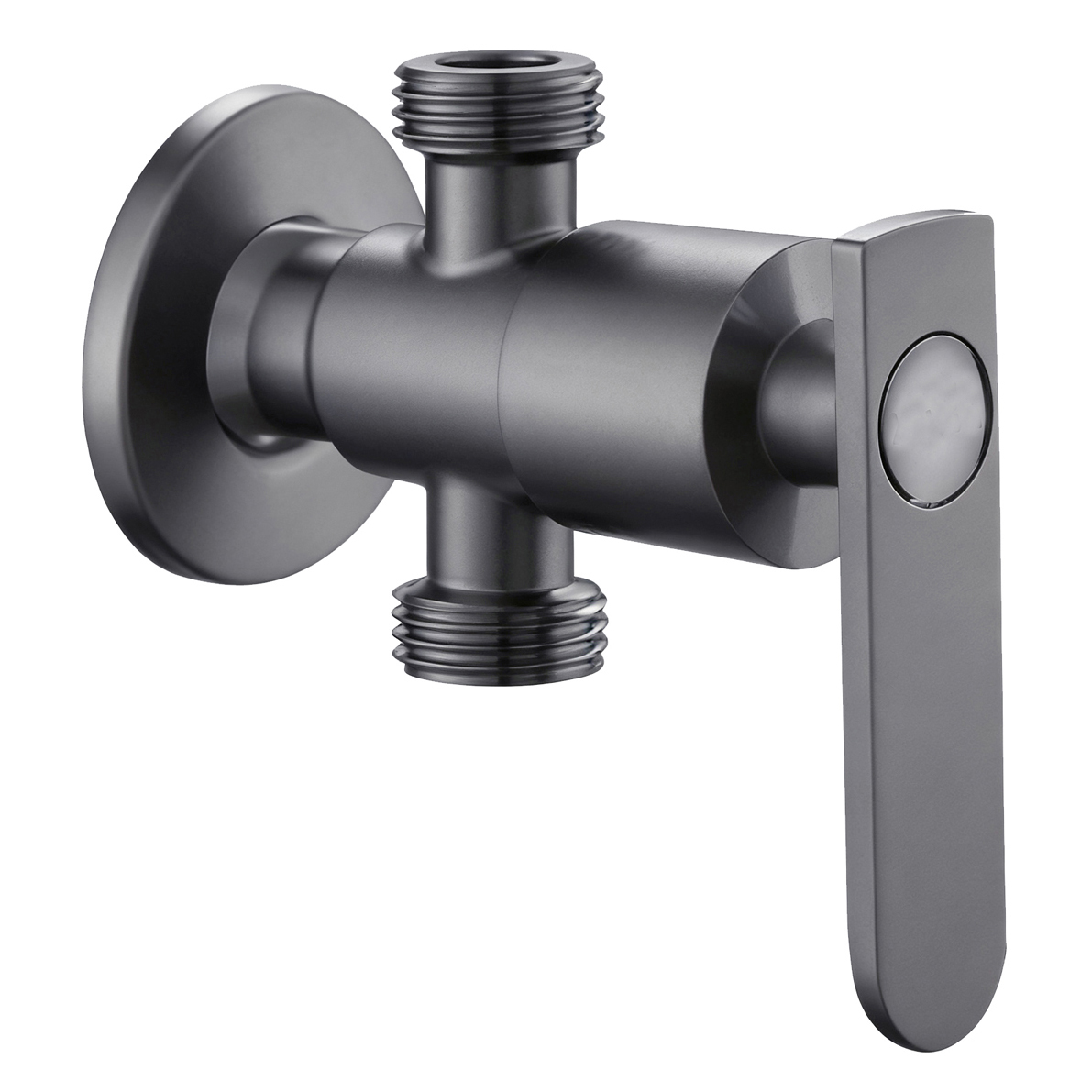
Connection specifications, hoses, installation accessories and other installation-related components may determine whether a separate Australian version is necessary.
That does not mean the entire faucet needs to be redeveloped.
If the main product platform is still suitable, a more practical approach is to keep the common body and design while creating an Australian version only for the confirmed differences in connections, hoses, installation accessories or other relevant configurations.
This reduces unnecessary redevelopment while keeping the SKU and configuration boundaries between global and local versions clear.
Compliance From Other Markets Cannot Simply Be Carried Over to Australia
Regulatory and compliance boundaries require separate confirmation.
A kitchen faucet already sold in another country cannot automatically be considered suitable for Australia simply because the main body design has not changed.
For regulated products covered by Australia’s WELS scheme, the Australian Government requires applicable registration requirements to be met before supply. The application process also depends on product information and supporting documentation that correspond to the actual model and its certification status.
This makes model-level configuration management important.
If a component or configuration change affects a registered product, it should not automatically be treated as an interchangeable variation under another market SKU.
Australian WELS authorities have also published enforcement cases involving regulated products such as taps and showers that did not meet registration or labelling requirements.
This shows that entering the Australian market is not only about whether the product functions correctly. The supplied model, registration, certification documents and labelling also need to correspond.
A more practical sequence for building an australian standard kitchen water taps range is therefore:
retain the parts that can genuinely be shared across markets, confirm the Australian installation configuration, and then verify the applicable WaterMark and WELS requirements for the specific model before deciding whether that version is ready for the market.
Market adaptation does not always mean redeveloping the entire faucet. It means clearly separating what can remain global from what must be validated locally.