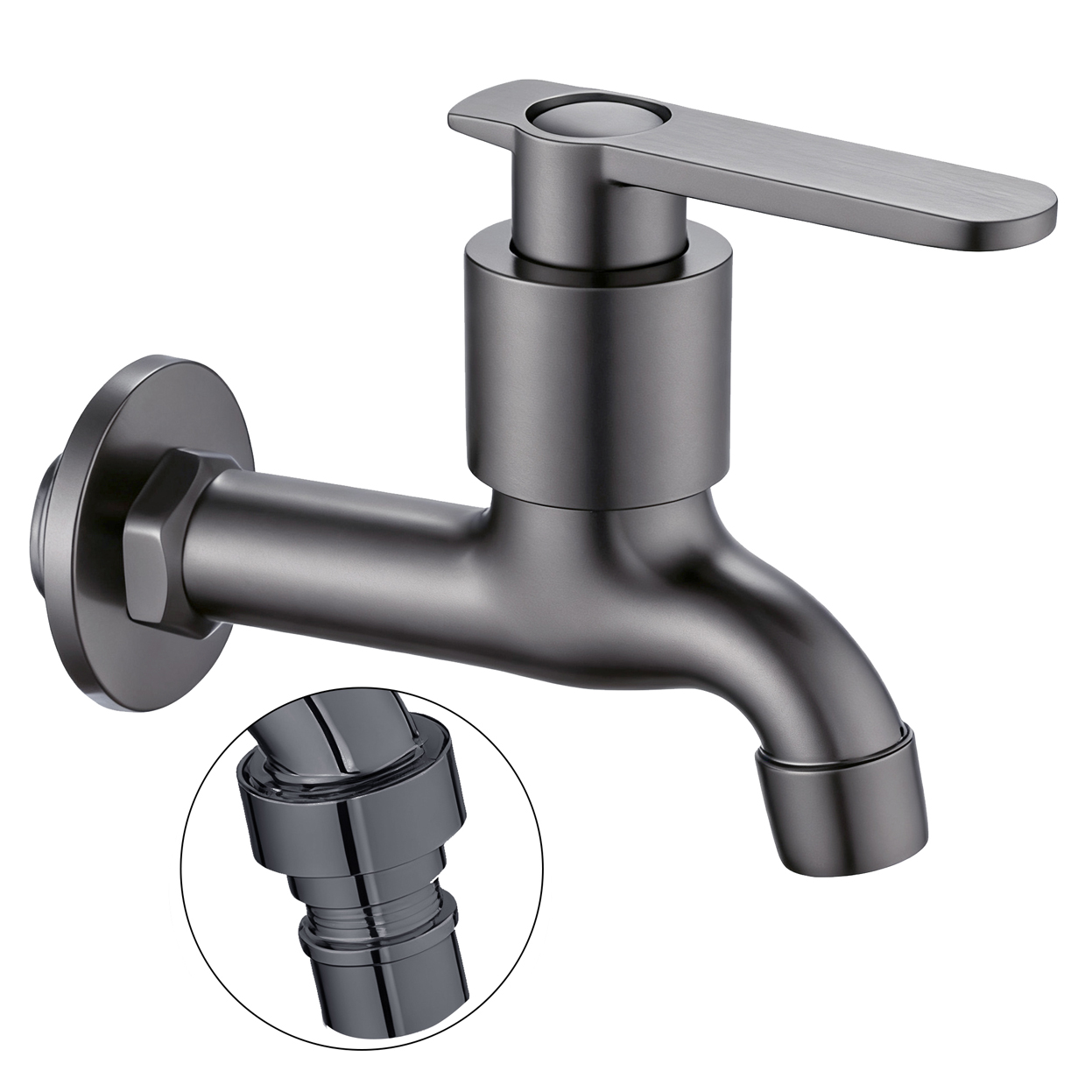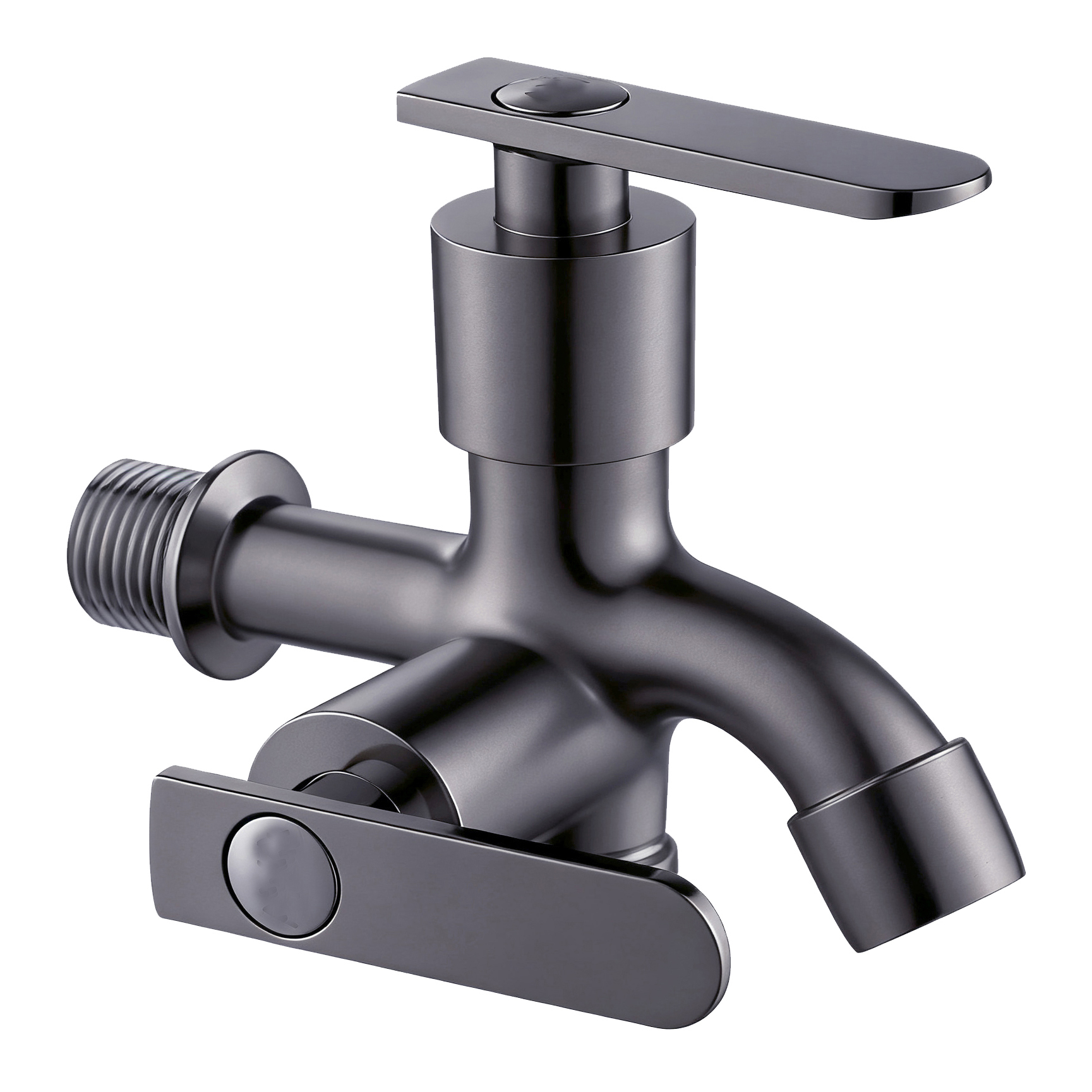



Adding a new Finish may look like a simple way to provide another color option. Across an entire product range, however, one new Finish can quickly turn into multiple new SKUs.
Finish planning therefore should not begin with “What other colors can we add to this range?” A better starting point is to determine which products the Finish actually suits and whether the resulting inventory combinations are worth adding.
Rose Gold Should Not Automatically Cover the Entire Range
Suppose a product range is considering adding a Rose Gold Basin Faucet. For models that focus on design, interior coordination, or a stronger visual position, adding a rose gold basin faucet can have a clear product purpose.
For models mainly intended to provide basic price or functional coverage, however, adding the same Rose Gold option may simply create another inventory combination.
Finish should therefore be matched to the role of each product before deciding how widely it should be introduced.
A Finish may deserve a place in the product range without needing to appear on every SKU in that range.
The Value of a Finish Goes Beyond Adding Another Color
Recent bathroom products feature a wide range of finishes, including Brushed Nickel, Brushed Bronze, Brushed Brass, and Brushed Gun Metal. A Finish now represents more than color alone. It also affects surface texture and how the product coordinates with the overall space.
The same applies to a roségouden wastafelkraan. If Rose Gold is simply another option on a color chart, it may not justify being applied across a large number of models. If it strongly complements the design and positioning of a particular product group, it becomes a more meaningful Finish extension.
For product ranges requiring OEM/ODM customization, Finish selection also needs to move from design concepts into actual manufacturing. Color samples or renderings can establish the intended direction, but the real surface appearance on the sample and the visual consistency between different components also affect whether the Finish is suitable for long-term use within the portfolio.
Als China kraanfabriek, YOROOW can support the confirmation of Finish requirements for different products during customized development and sample approval, before deciding whether the Finish should be extended to additional SKUs.
The purpose is not simply to create more color choices. It is to confirm that the intended design can be achieved on the actual product before expanding the number of color SKUs.

Different Finishes Do Not Need the Same SKU Depth
Basic Finishes can cover a broader range of models, while more decorative or design-oriented Finishes can be limited to the core products that suit them best.
A product range can offer many Finishes without requiring every SKU to be available in every Finish.
For example, if Rose Gold works best with a small number of design-oriented Basin Faucets, there is little reason to extend it to every basic model simply to make the range appear “complete.”
This approach allows Finish variety and inventory complexity to be managed separately.
Finish variety determines how many design choices a product range can offer. SKU depth determines how many models each Finish actually needs to cover.
The two do not need to increase at the same rate.
Check Actual Product Performance Before Expanding Color SKUs
For a visually sensitive Finish such as Rose Gold, a color name or rendering alone is not enough for final evaluation. Its appearance on the actual product can also be affected by surface condition, process control, and the matching of different components.
Before extending the same Finish to more models, it is therefore useful to confirm the actual surface appearance through samples and retain the approved color standard for future comparison.
If a Finish has already established a clear position on a small number of core products and the actual samples meet expectations, expanding its SKU coverage later can be easier to manage than applying it across the entire range from the beginning.
This is the key difference between Finish planning and simply adding more colors:
Good Finish planning does not mean giving every product every color. It means placing each Finish on the SKUs where it creates the most value and genuinely justifies the additional inventory.