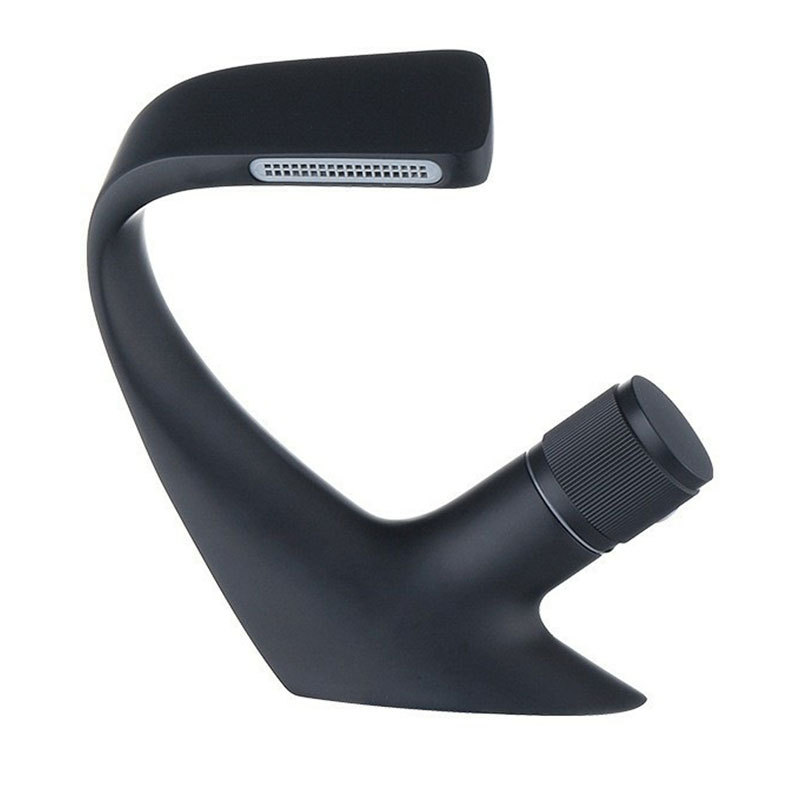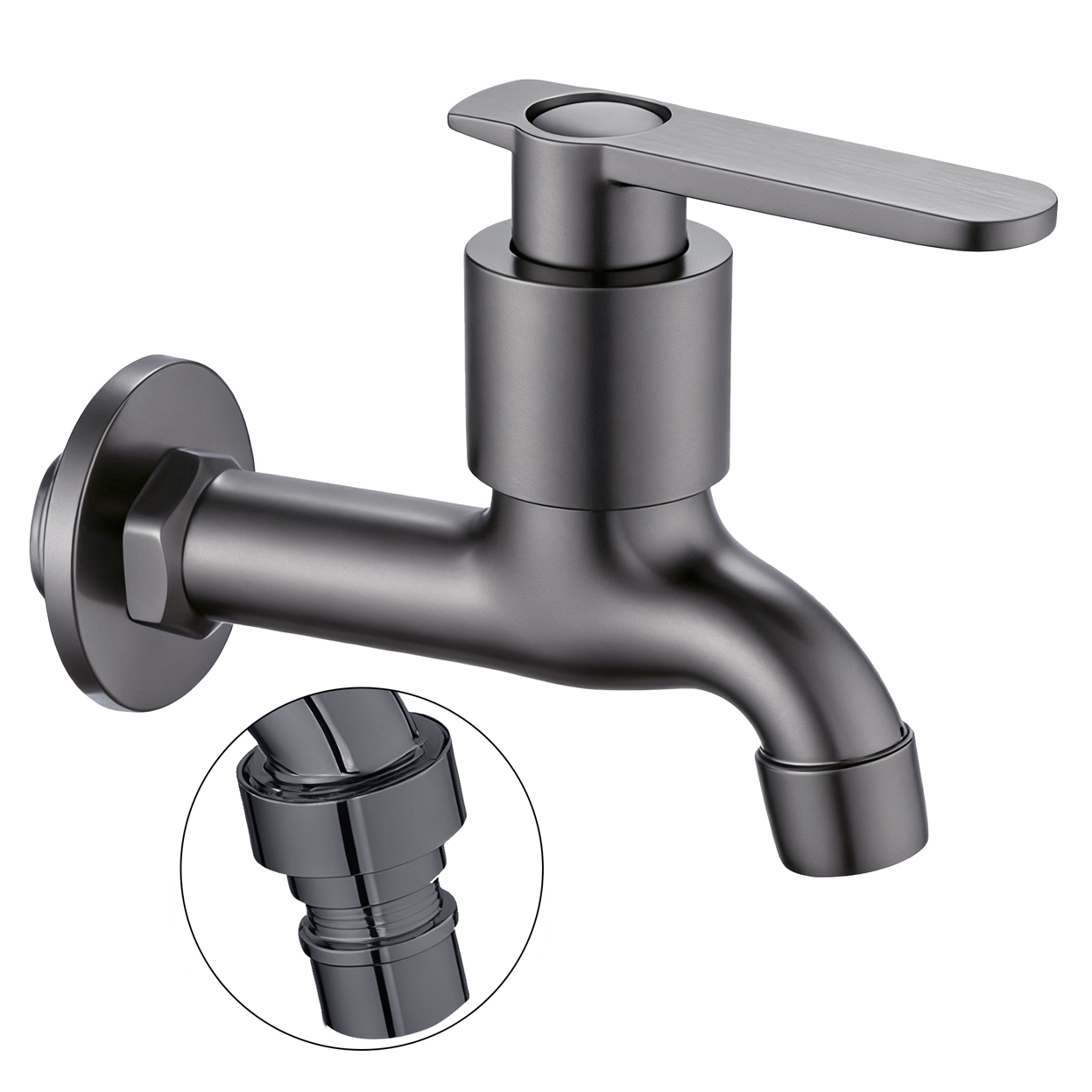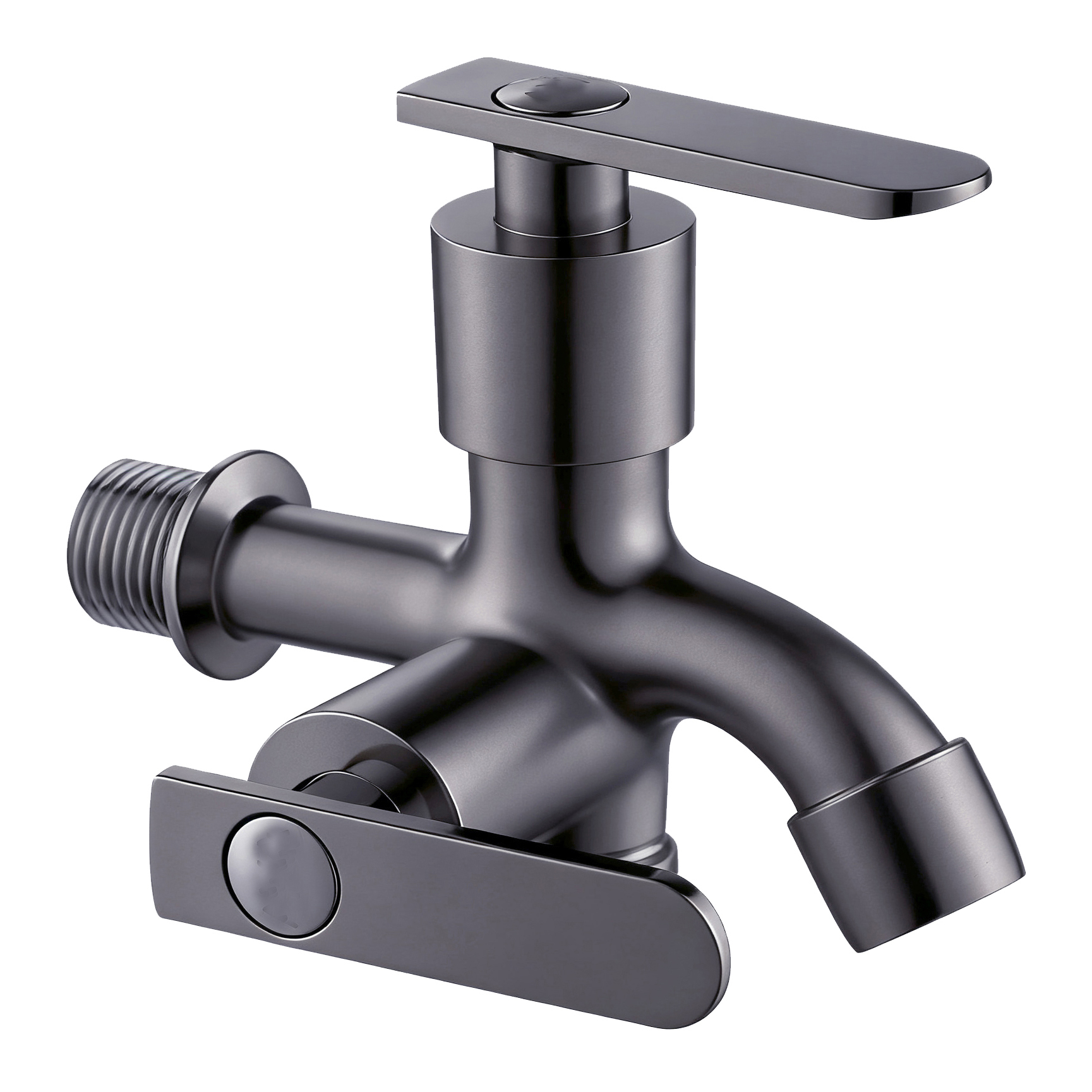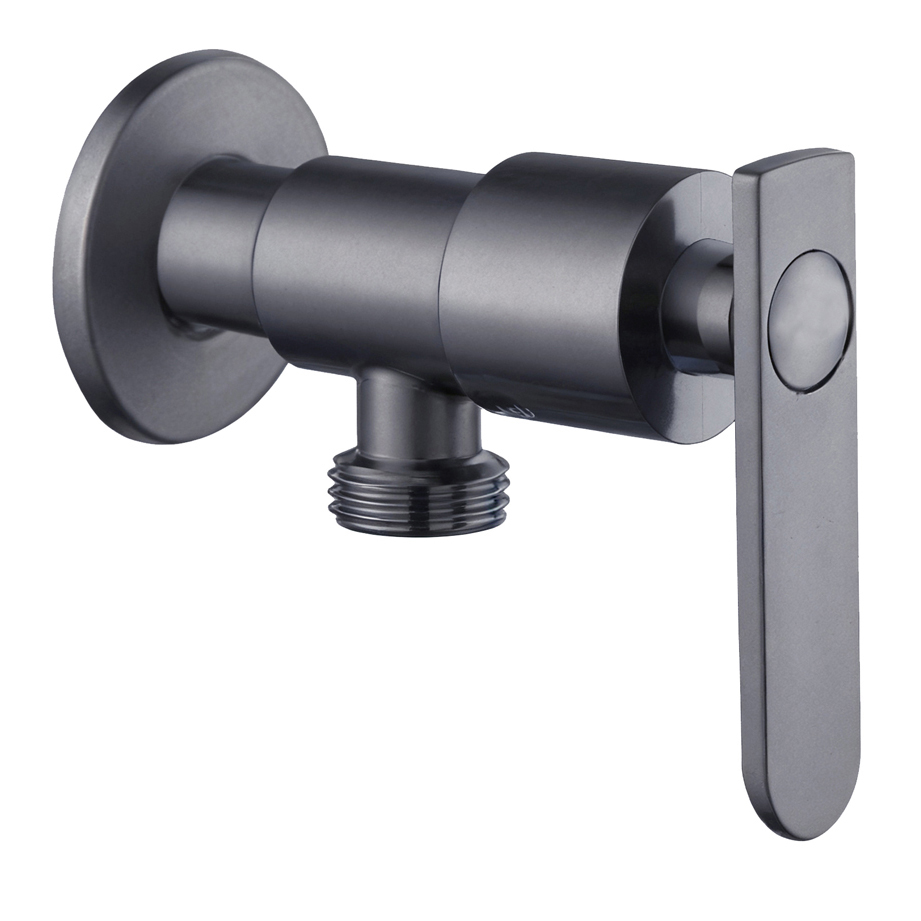




When the same faucet category covers different price segments, one problem often appears: the prices are different, but the reasons to choose each product are almost the same.
An effective price structure should not start by deciding how many SKUs belong in the entry, mid-range and higher segments. It should first define what each level is meant to offer. The next step is to decide which products actually fit that position.
Entry-Level Products Need a Clear Position
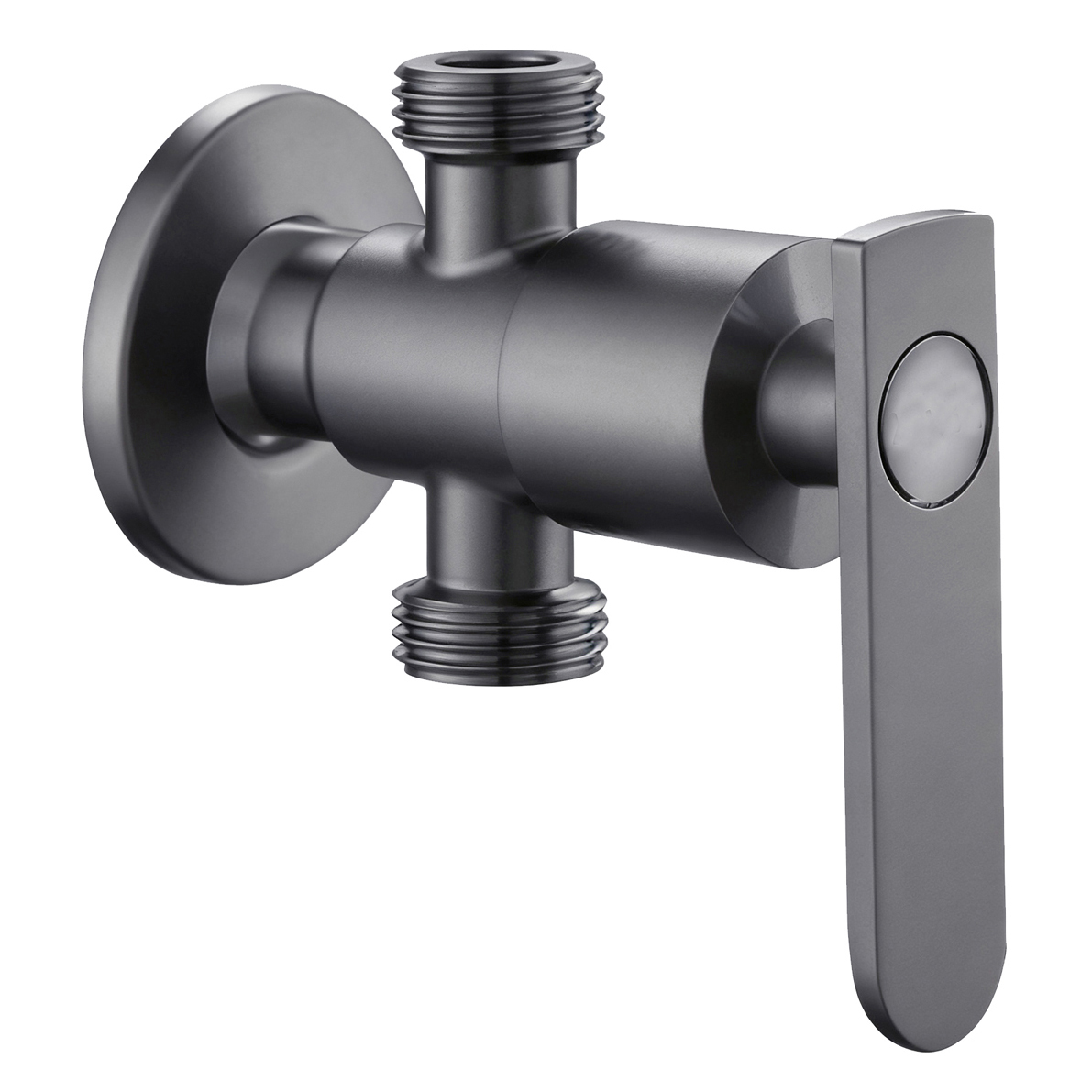
A Zinc Water Tap provides a useful example of how an entry-level segment can be structured. These products often have relatively straightforward designs.
If a zinken waterkraan is intended for basic water-use applications, the product range should focus on essential functions, common specifications, simple configurations and clearly defined applications. There is little value in adding unnecessary variations simply to create more selling points.
Entry-level does not mean removing everything possible. It means keeping what the product actually needs.
If the same segment already contains several models with very similar functions, appearances and applications, adding more similar SKUs will not make the price range more complete.
Actual product configurations can also help define the position. For example, a model built around cold-water use, wall-mounted installation and a specific connection requirement has a clear role in a particular application. It should not be classified as an entry-level product based only on its material or price.
Mid-Range Products Need a Clear Reason to Upgrade
A mid-range product should not simply take an entry-level model, change the Finish and raise the price.
The difference should be easy to understand. It may come from a structure that better suits a particular application, additional functions or a more complete configuration. Material, operating experience and overall design can also create meaningful differences.
For example, if a basic bibcock zinklegering model already meets a simple water outlet requirement, the next price level should answer one question:
Why should someone upgrade from the basic model?
If the only answer is a slightly different appearance, there is no clear boundary between the two price levels.
A stronger upgrade changes something meaningful, such as how the product is used, where it can be installed, what functions it provides or another clearly identifiable product condition. In that case, the price difference has a more concrete product basis.
Higher Price Segments Should Not Simply Add More Features
The same principle applies to higher-priced products. More functions do not automatically create a stronger product.
If additional features have little connection to the main application, they may increase the price while making the product position less clear.
A higher price segment needs a more complete value combination. Material, Finish, design, function and user experience should support the same product position. The goal is not to place every available option into a single SKU.
This also means that the same upgrade does not carry equal value at every price level.
Whether a special Finish, added function or structural change deserves to become an upgrade depends on whether it genuinely changes the product position. The number of additional items on the specification sheet is less important.
Build Product Differences Before Price Differences
When planning different price segments, compare products within the same category.
What basic need does the entry-level model cover? What meaningful value does the mid-range model add? Why is the higher-level product worth another upgrade?
If the three levels remain difficult to distinguish after removing the price tags, the problem usually lies in the product range rather than the pricing itself.
A healthy price structure does not simply divide products evenly into low, middle and high groups. Each level needs a clear reason to exist.
Price should reflect product differences that already exist. Price itself should not be used to create the product hierarchy.