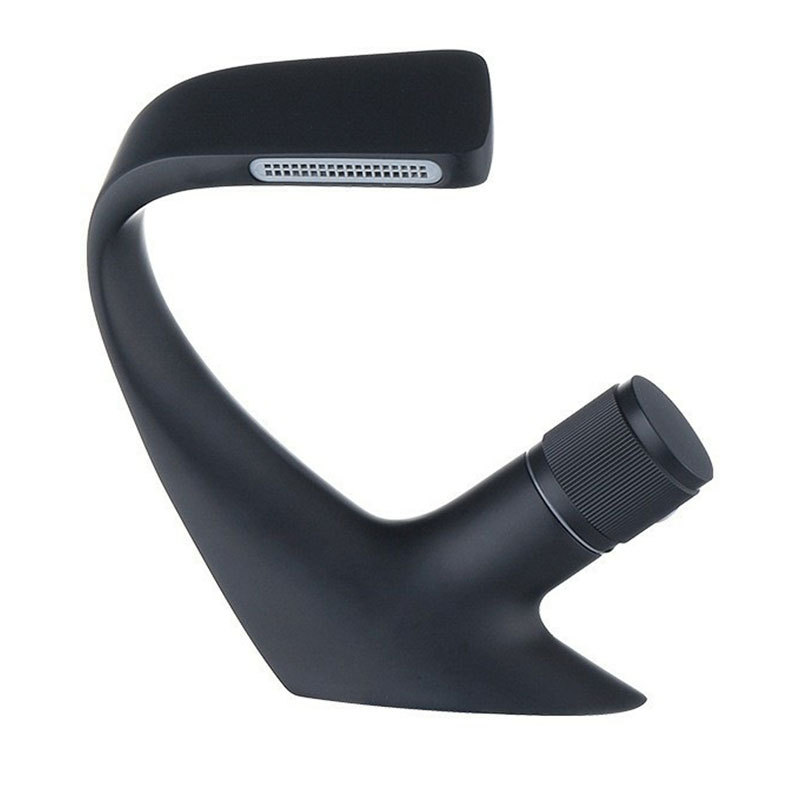




Adding sensor control to a Waterfall Basin Faucet combines two distinctive features: a special water flow and automatic operation.
However, adding functions does not automatically improve the user experience. When evaluating a waterfall basin faucet with sensor, the first question should be what problem the automatic control actually solves.
Sensor Control Should Make Water Operation Simpler
The most direct benefit of automatic control is reduced physical contact.
Actual performance, however, depends on the sensor zone. The faucet should respond promptly when hands enter the normal washing area. It should stop correctly when they move away. At the same time, nearby movement should not cause unnecessary activation.
This deserves particular attention with wide waterfall flow. If false activation releases a larger amount of water over a wider area, automatic control can become inconvenient rather than helpful.
During sample evaluation, do more than confirm that the sensor works. Test its detection area during normal hand-washing movements and observe how consistently the water starts and stops.
Automatic Control Does Not Replace Flow and Landing-Point Checks
A sensor determines when water flows. It does not determine how well that water flows into the basin.
A waterfall basin tap with sensor still requires checks of outlet height, flow rate, basin depth and water landing position.
If the wide flow already creates excessive splashing, adding sensor control will not solve the problem automatically.
For this reason, the sensor system and waterfall structure need separate evaluation. One controls the timing of water delivery. The other determines the actual water-flow performance.
Electronic Functions Add New Maintenance and Documentation Needs
A sensor faucet also introduces a power supply, sensing components, wiring or other electronic modules. Their inspection and replacement requirements become part of the product evaluation.
When the faucet enters a market with relevant requirements for electronic products, its actual configuration may require additional compliance review.
In the EU, for example, RoHS restricts certain hazardous substances in electrical and electronic equipment. REACH addresses a broader range of chemical management requirements.
The applicable requirements and necessary documentation should therefore be determined from the actual BOM, electronic configuration and target market.
This also means the Sensor version should not automatically inherit all documentation from the mechanical version. Changes to the electronic module, power supply or component supplier may require corresponding product records to be reviewed as well.
Compared with a conventional mechanical Waterfall Basin Faucet, automatic control introduces additional system complexity. The convenience it provides should justify that complexity.
A practical question is:
Does the sensor clearly reduce operating steps without making water control or maintenance more difficult?
If the only purpose is to add a “smart” label while actual use changes very little, electronic control is unlikely to create lasting product value.